
Please note: a valid prescription is required for all prescription medication.
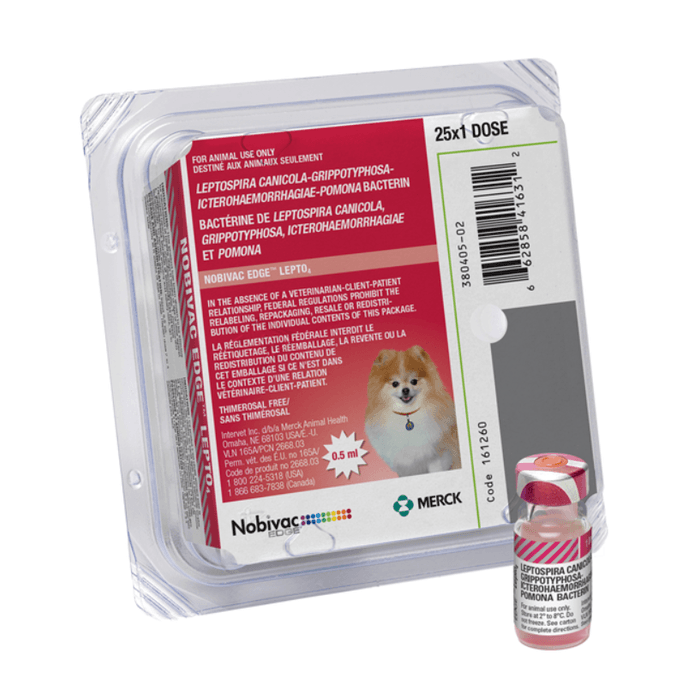
Nobivac Canine Lepto 4
Nobivac Canine Lepto 4 ordering, dosing, and safety
Price:
$256.99
You save


Nobivac Canine Lepto 4 is a veterinary leptospirosis vaccine used to help reduce disease risk in dogs exposed to Leptospira bacteria. It is typically part of a broader preventive-care plan set by a veterinary clinic. This page summarizes what it is, how it is used in practice, and key safety and handling points to review with a veterinarian.
What Nobivac Canine Lepto Is and How It Works
This product is commonly described as a Canine Lepto 4 bacterin (a vaccine made from inactivated bacteria) intended to stimulate an immune response against leptospirosis. Leptospirosis is a contagious bacterial illness in dogs that can affect the kidneys and liver and may also be zoonotic (able to infect people). For background on the condition and why prevention is emphasized in some regions, the Canine Leptospirosis hub provides a plain overview and related topics.
Some patients explore Ships from Canada to US when trying to keep preventive plans consistent during extended travel. Prescription details may be confirmed with the prescribing veterinarian when required. In general terms, inactivated bacterial antigens are presented to the immune system so it can recognize and respond more quickly after future exposure. The exact Leptospira types covered are defined by the official product datasheet and may vary by country, so clinics typically verify the label before use.
Who It’s For
This vaccine is intended for healthy dogs when a veterinarian determines leptospirosis vaccination is appropriate based on exposure risk. Risk can be higher in dogs with access to standing water, wildlife, livestock areas, or urban environments with rodent activity. In many preventive programs, it is considered a “non-core” vaccine that may become more strongly recommended in higher-risk settings, while remaining optional in others.
Why it matters: Leptospirosis prevention can protect both pets and household members from avoidable exposure.
Contraindications and cautions depend on the label and clinical context. Vaccination may be deferred in dogs that are acutely ill, have a fever, or have had a prior serious vaccine reaction. Use in pregnant or breeding animals should follow veterinary judgment and the product information. For a broader view of preventive products clinics often consider together, you can browse the Pet Medications hub and the Infectious Disease hub for related categories.
Dosage and Usage
Vaccines like this are typically administered by trained veterinary staff, using aseptic technique and label-directed routes (often subcutaneous injection). In general, leptospirosis bacterins are given as an initial series followed by boosters at intervals set by the veterinarian and local guidance. For puppies, the starting age and spacing of doses depend on the product label and the clinic’s protocol.
Nobivac Canine Lepto 4 is commonly used as a 2-dose initial series given a few weeks apart, followed by a booster schedule based on ongoing risk. The clinic may coordinate leptospirosis vaccination around other routine immunizations, parasite prevention, and planned procedures. For a general primer on how medicines and biologics are grouped and described, the resource Common Diabetes Medications is a useful example of how to read medication class and purpose, even though it focuses on human therapies.
Strengths and Forms
Presentation formats can matter for clinic workflow, inventory control, and minimizing waste. This product is often discussed in terms of single-dose and multi-dose options, with the administered dose commonly referenced as 1 mL. Exact packaging (for example, cartons of single doses or multi-dose vials) can vary by market and supplier, so facilities typically confirm the current presentation before scheduling a vaccine clinic day.
The formats below reflect common ways this vaccine is referenced in veterinary settings, but they should be verified against the current datasheet and packaging:
| Presentation | How clinics may use it |
|---|---|
| 1 mL single-dose | Convenient for individual appointments and smaller practices. |
| 10-dose vial | Often used for higher-throughput vaccination sessions. |
| 25 x 1-dose pack | May support larger-volume ordering and standardized handling. |
Availability may vary and substitutions should be based on veterinary guidance and approved labeling, not on informal naming conventions such as “Nobivac Lepto4” or “Nobivac L4 dog vaccine.”
Storage and Travel Basics
Vaccine effectiveness depends on proper storage from receipt through administration. Most inactivated veterinary vaccines require refrigeration and protection from temperature extremes. Clinics and pet owners should follow the label for specific temperature ranges, light exposure limits, and any instructions about shaking, reconstitution, or time limits after first puncture for multi-dose vials.
Quick tip: Keep a written log for refrigerator temperatures and excursions.
For travel to a veterinary appointment, it is generally best for the clinic to manage transport and preparation rather than carrying vaccines outside controlled conditions. If a dog receives vaccines during a trip, the veterinarian may document product name, lot number, and dates to keep the medical record complete. If you are comparing handling concepts across different therapies, the guide Insulin Pen Vs Syringe shows how storage, device choice, and technique can affect real-world use, even though it addresses a different type of treatment.
Side Effects and Safety
Most dogs tolerate leptospirosis vaccination without major issues, but mild, short-lived reactions can occur. Common post-vaccination effects may include sleepiness, decreased appetite, transient fever, or soreness at the injection site. A small firm lump where the vaccine was given can occur and may take time to resolve. Clinics may recommend routine observation after vaccination, especially in dogs with a history of sensitivity.
Serious reactions are uncommon but important to recognize early. Signs that warrant urgent veterinary attention can include facial swelling, hives, repeated vomiting, collapse, trouble breathing, or profound lethargy soon after vaccination. Reporting suspected adverse events helps improve safety monitoring for all veterinary biologics. For a plain-language example of how side effects are discussed in medication education, see Understanding The Side Effects, noting it is a human-focused article and not a vaccine label.
Drug Interactions and Cautions
Because this is a vaccine rather than a daily medication, classic “drug interactions” are less common, but clinical cautions still apply. Dogs receiving immunosuppressive therapy (for example, high-dose corticosteroids or other immune-modulating drugs) may have a reduced immune response to vaccination. Timing of vaccination around immunosuppression, chemotherapy, or significant illness should be planned with a veterinarian.
It is also common for multiple vaccines to be administered during the same visit. Whether to give leptospirosis vaccination on the same day as other immunizations depends on the dog’s history, the clinic’s protocol, and label guidance. In dogs with prior vaccine reactions, a veterinarian may adjust scheduling, observation, or pre-visit planning to reduce risk. Broader health factors such as chronic disease control can also influence preventive planning; for general context on multi-condition management discussions, the article Managing Diabetes And Hypertension offers an example of how clinicians think about risk and timing in complex care.
Compare With Alternatives
“Alternative” can mean different things for leptospirosis prevention. One option is choosing a different leptospirosis formulation, such as vaccines that protect against fewer serovars or a different manufacturer’s 4-way leptospirosis dog vaccine. Another option is changing the prevention strategy by focusing on exposure reduction, such as limiting access to stagnant water and improving rodent control, while still following a veterinarian’s vaccination recommendations.
Nobivac Canine Lepto 4 is also often discussed alongside other routine canine vaccines that protect against unrelated diseases. For example, combination distemper-parvovirus products may be scheduled in the same preventive plan but do not replace leptospirosis coverage. If you are reviewing vaccine line items for a clinic protocol, related pages like Nobivac Canine 1 DAPPv and Nobivac Puppy DPV can help clarify which pathogens are included in different immunizations. For broader educational browsing on infection topics, the Infectious Disease Articles hub lists additional reading.
Pricing and Access
Access to veterinary vaccines depends on clinical oversight, local regulations, and appropriate handling requirements. Some clinics maintain vaccine inventory on-site, while others coordinate supply through approved channels that meet storage standards. Dispensing and fulfilment may be handled by licensed third-party pharmacies where permitted. Documentation matters for medical records and for boarding, grooming, travel, or training programs that require proof of vaccination.
Out-of-pocket expectations can vary by region, clinic fees, and whether a pet insurance plan reimburses vaccines; without insurance, clinics may provide a written estimate that separates product and administration charges. Practices may also consider minimum-order quantities, cold-chain handling, and wastage risk for multi-dose vials when planning vaccine days. For non-promotional updates that may affect patient budgeting, the informational page Promotions may list general program details, when available.
Authoritative Sources
For manufacturer labeling and product-specific details, consult Merck Animal Health resources: Merck Animal Health product information pages.
For independent vaccine guidance used by many clinics, review AAHA recommendations: AAHA Canine Vaccination Guidelines.
For a public-health overview of leptospirosis, including zoonotic considerations, see: CDC leptospirosis information.
When permitted, temperature-sensitive products may be coordinated using prompt, express, cold-chain shipping to support appropriate handling.
This content is for informational purposes only and is not a substitute for professional medical advice.
Express Shipping - from $25.00
Shipping with this method takes 3-5 days
Prices:
- Dry-Packed Products $25.00
- Cold-Packed Products $35.00
Standard Shipping - $15.00
Shipping with this method takes 5-10 days
Prices:
- Dry-Packed Products $15.00
- Not available for Cold-Packed products
What does Nobivac Canine Lepto 4 protect against?
Nobivac Canine Lepto 4 is intended to help protect dogs against leptospirosis, a bacterial infection caused by Leptospira organisms. “Lepto 4” commonly refers to coverage targeting four Leptospira types (serovars), but the exact serovars included should be confirmed on the current product label or datasheet for your region. Vaccination is one part of prevention; exposure reduction (avoiding stagnant water and rodent-heavy areas) can also be important based on a dog’s lifestyle and local risk.
Is this vaccine considered core or non-core for dogs?
Leptospirosis vaccination is often categorized as non-core, meaning it is recommended based on a dog’s individual exposure risk rather than for every dog in every setting. In areas with higher incidence, or for dogs with frequent contact with wildlife, rodents, livestock, puddles, or shared outdoor spaces, many veterinarians recommend it routinely. Your veterinarian can explain how local disease patterns, seasonality, and your dog’s activities affect whether a leptospirosis vaccine is appropriate.
What is the usual schedule for puppies and adult dogs?
Many leptospirosis bacterin vaccines are administered as a two-dose initial series, with doses spaced a few weeks apart, followed by boosters at intervals guided by the label and your veterinarian. For puppies, the starting age and timing depend on the product’s approved directions and the broader vaccine plan (such as distemper/parvovirus series). Because schedules can vary by product and region, it is best to confirm the exact timing and booster plan directly from your veterinarian and the official labeling.
What reactions should I watch for after leptospirosis vaccination?
Mild effects can include tiredness, decreased appetite, a low-grade fever, or temporary soreness where the injection was given. These are typically short-lived. More serious reactions are uncommon but can occur with any vaccine. Seek urgent veterinary care if you notice facial swelling, hives, repeated vomiting, collapse, trouble breathing, or extreme weakness soon after vaccination. If your dog has had a prior vaccine reaction, tell the clinic in advance so they can plan observation and risk-reduction steps.
How should this vaccine be stored and handled in a clinic?
Storage and handling should follow the product label and clinic protocols for refrigerated biologics. In general, vaccines are kept within a controlled refrigerator range, protected from freezing and temperature excursions, and tracked with temperature logs. Multi-dose vials may have additional instructions after first puncture. Maintaining a consistent cold chain from receipt through administration helps preserve potency. If there is any concern about exposure to heat or freezing, clinics typically quarantine the vial and verify next steps with the supplier or manufacturer guidance.
What should I ask my veterinarian before my dog gets this vaccine?
Helpful questions include whether leptospirosis risk is considered high in your area, how your dog’s lifestyle affects risk, and how this vaccine fits with other immunizations due at the same visit. You can also ask about your dog’s prior vaccine history, especially any previous reactions, and whether spacing vaccines over multiple visits makes sense for safety monitoring. If your dog takes immune-modulating medications or has chronic disease, ask how that may affect vaccine timing and expected immune response.
Rewards Program
Earn points on birthdays, product orders, reviews, friend referrals, and more! Enjoy your medication at unparalleled discounts while reaping rewards for every step you take with us.
You can read more about rewards here.
POINT VALUE
How to earn points
- 1Create an account and start earning.
- 2Earn points every time you shop or perform certain actions.
- 3Redeem points for exclusive discounts.
You Might Also Like
Select options
This product has multiple variants. The options may be chosen on the product page
Select options
This product has multiple variants. The options may be chosen on the product page
Select options
This product has multiple variants. The options may be chosen on the product page
Select options
This product has multiple variants. The options may be chosen on the product page
Related Articles
Type 2 Diabetes,
Generic Ozempic Explained for Patients and Caregivers
Key Takeaways People searching generic ozempic are usually trying to confirm whether a lower-cost semaglutide option is a true approved equivalent, a compounded product, or a different diabetes medicine. Separate…
Uncategorized
Rybelsus Generic: A Patient Guide to Current Options
Key TakeawaysMany people searching for rybelsus generic are trying to answer one practical question: is there a true lower-cost equivalent tablet, or only the brand product and look-alike alternatives?Brand and…
Type 2 Diabetes,
Generic Liraglutide For Weight Loss: A Practical Guide
People searching for generic liraglutide for weight loss usually want clear answers on three points: whether an approved lower-cost version exists, how it differs from brand-name products, and what access…
Type 2 Diabetes,
Liraglutide Vs Semaglutide Comparison Guide For Patients
Key Takeaways People searching liraglutide vs semaglutide usually want a practical comparison, not a slogan. The most useful differences involve formulation, schedule, approved uses, side effect patterns, and the paperwork…