
Please note: a valid prescription is required for all prescription medication.
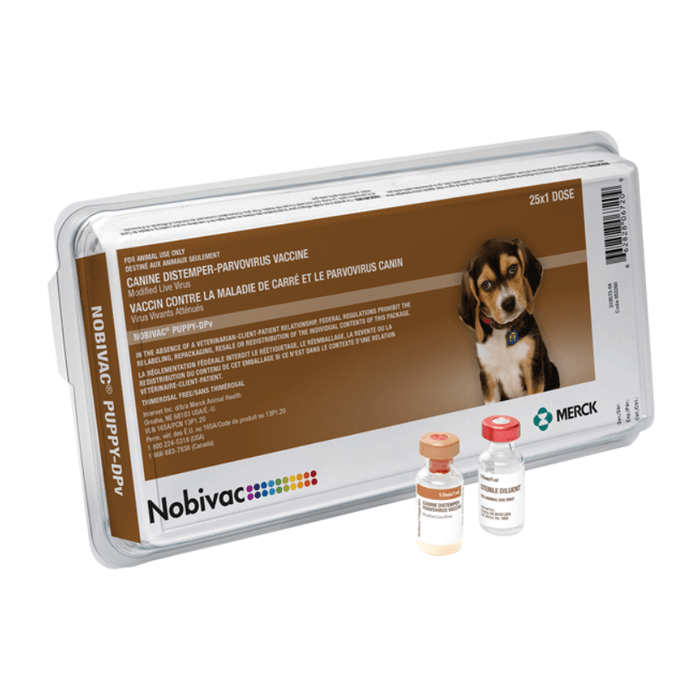
Nobivac Puppy-DPv
Nobivac Puppy-DPv How to Buy and Use Safely
Price:
$167.99
You save


Nobivac Puppy-DPv is a veterinary vaccine used in puppies to help protect against canine distemper and canine parvovirus disease. It is typically given as part of a broader puppy immunization plan overseen by a veterinarian. This page summarizes how the vaccine is used, what to confirm on the label, safety considerations, and practical handling points.
If you are browsing other veterinary items, the Pet Medications hub can help you compare categories and formats.
What Nobivac Puppy-DPv Is and How It Works
This product is a canine DPV (distemper-parvovirus) vaccine intended to prime the immune system (the body’s defense network) to recognize targeted viruses. After vaccination, the immune system can develop protective responses that may reduce the risk of severe disease if exposure occurs later. CanadianInsulin operates as a prescription referral service, not a dispensing pharmacy, so clinical decisions remain with the veterinary team.
Some patients explore US shipping from Canada when permitted by jurisdiction and documentation rules for veterinary products. Nobivac Puppy-DPv is commonly discussed alongside the disease hubs for Canine Distemper and Canine Parvovirus Infection, which summarize typical risk contexts and related options.
Protection is not immediate on the day of vaccination. Puppies often need a series because early immune responses can be incomplete and maternal antibodies (protective antibodies passed from the mother) may blunt early vaccine take. The label and your veterinarian’s protocol determine timing, spacing, and whether additional antigens are administered in the same visit.
Who It’s For
This vaccine is generally intended for puppies during the early-life window when distemper and parvovirus risk can be high. Use is commonly considered for puppies in multi-dog households, shelters, training environments, boarding situations, or any setting with unknown vaccination history. Nobivac Puppy-DPv may also be discussed for puppies that start vaccination later than planned, where a structured series is still needed.
Vaccination may be deferred in certain circumstances, such as when a puppy is acutely ill with fever, vomiting, or significant diarrhea, or when there is a history of serious reaction to a prior vaccine dose. Caution is also typical for puppies with known immune compromise or those receiving immunosuppressive therapy, because immune response and safety can differ. Your veterinarian is the right person to balance disease risk against timing when a puppy is unwell, stressed, or underweight.
- Common goal: Reduce distemper and parvovirus risk.
- Best planning: Align with a full puppy series.
- Extra caution: Prior severe vaccine reaction history.
Dosage and Usage
Veterinary vaccines are administered according to the manufacturer’s label and the veterinarian’s protocol for the puppy’s age and risk. Many puppy vaccination plans involve repeat doses at set intervals, followed by boosters later, because immunity develops over time and early responses may not persist. Administration is typically performed by a clinic team to support correct preparation, documentation, and immediate observation after injection.
For Nobivac Puppy-DPv, the label will specify the route of administration and preparation steps (for example, if the product requires mixing before use). Only a veterinarian can determine the appropriate schedule for an individual puppy, especially when prior vaccination history is uncertain. If your household also manages injectable medications, the guide Insulin Pen Vs Syringe explains general device concepts, although vaccine administration for pets is usually clinic-based.
Why it matters: Missing or delaying doses can leave immunity incomplete during a high-risk period.
Recordkeeping is part of safe use. Ask the clinic to document the product name, lot number, expiration date, and the exact date administered. This information can matter for daycare, boarding requirements, outbreak management, and future booster decisions.
Strengths and Forms
Vaccines do not use “strength” in the same way as tablets or liquids measured in mg or mL. Instead, the label describes the formulation, the targeted antigens, and how the dose is prepared and administered. Packaging and presentation can vary by market, and availability can change based on supplier and regional regulations.
Nobivac Puppy-DPv is typically supplied in a form intended for single-visit preparation and administration in a veterinary setting. Depending on the labeled presentation, it may come as a vial that is used as provided or requires reconstitution (mixing with an approved diluent) immediately before use. Confirm these details on the carton and package insert each time, especially if your clinic stores multiple canine vaccines.
| Label item to confirm | Why it matters |
|---|---|
| Targeted diseases | Matches distemper and parvovirus protection goals. |
| Route and preparation | Ensures correct administration and handling steps. |
| Expiration date | Out-of-date vaccines may be ineffective. |
| Lot number | Supports documentation and reaction follow-up. |
Storage and Travel Basics
Vaccines are sensitive biological products, so storage conditions can affect performance. Nobivac Puppy-DPv should be stored exactly as the label directs, including temperature range, light protection, and whether it must remain refrigerated. Avoid leaving vaccines in a vehicle, near heat sources, or exposed to direct sunlight, even for short periods.
If the product requires reconstitution, the mixed vaccine is generally intended for prompt use and may have limited stability after mixing. Any remaining product after the allowed window is typically discarded to reduce contamination risk and avoid underperforming doses. When in doubt, follow the package insert and clinic protocol rather than improvising.
Quick tip: Keep a simple temperature log where vaccines are stored.
For general medication storage habits that can reduce household mix-ups, the resource Common Diabetes Medications includes practical organization concepts that can still apply to separating pet and human supplies.
Side Effects and Safety
Most puppies tolerate vaccination with only mild, short-lived effects. Common reactions can include sleepiness, decreased appetite, mild fever (temporary temperature rise), or soreness and swelling at the injection site. These effects often resolve with monitoring and routine care, but the veterinarian should be notified if signs are persistent or worsening.
More serious reactions are uncommon but important to recognize early. Seek urgent veterinary assessment if a puppy develops facial swelling, hives, repeated vomiting, trouble breathing, collapse, extreme weakness, or sudden diarrhea shortly after vaccination. These signs may indicate an acute hypersensitivity reaction (allergic-type response) that requires prompt treatment. If a serious reaction is suspected, keep the vaccine documentation available for the clinic, including lot and timing.
Because distemper and parvovirus are significant diseases in puppies, the decision to vaccinate often considers local exposure risk, housing conditions, and the puppy’s overall health. Nobivac Puppy-DPv should be used only under veterinary guidance, and follow-up plans may be adjusted if a puppy had a prior adverse event or is receiving concurrent treatment for illness.
- Common: Mild lethargy or soreness.
- Watch closely: Vomiting soon after vaccination.
- Emergency signs: Breathing trouble or collapse.
Drug Interactions and Cautions
Vaccines can interact with a puppy’s health status and concurrent therapies, even though they are not “drugs” in the usual sense. Immunosuppressive medications (for example, higher-dose corticosteroids or certain chemotherapy agents) may reduce immune response and can affect how a vaccination plan is timed. If a puppy is being treated for an active infection, parasites, or significant gastrointestinal illness, veterinarians may delay vaccination until the puppy is stable.
Another practical caution is co-administration with other vaccines. Many puppy visits include multiple immunizations, and clinics follow established protocols for spacing and combinations. If your puppy has a history of vaccine sensitivity, the veterinarian may recommend observation time, spacing doses, or choosing an alternative schedule. Always tell the veterinary team about recent medications, supplements, prior reactions, and whether the puppy has traveled or had exposure to other dogs.
Compare With Alternatives
DPV vaccines are one component of canine preventive care, and alternatives often differ by antigen breadth and protocol. Some puppies receive combination vaccines that include additional components beyond distemper and parvovirus, such as adenovirus or parainfluenza, depending on regional risk and lifestyle. Other approaches may use different labeled puppy formulations or clinic-preferred brands, especially when shelter intake protocols are used.
When comparing options, focus on practical differences that can change the plan: which diseases are included, the recommended starting age, booster intervals, and any restrictions for special populations. Discuss tradeoffs with a veterinarian rather than switching products based on naming alone, because “similar” vaccines can still have different label directions and handling requirements.
It can also help to compare how each option fits with documentation needs for daycare or boarding. A consistent series, clear records, and correct storage often matter more than brand familiarity.
Pricing and Access
Access to veterinary vaccines is shaped by clinical oversight, regional rules, and handling requirements. In many areas, vaccination is performed in a clinic to support correct storage, preparation, and observation after administration. When a prescription or clinic order is required, we may confirm prescription details with the prescribing veterinarian as part of the referral process.
Out-of-pocket cost can vary based on whether vaccination is bundled into a clinic visit, the number of doses in the series, and whether additional vaccines are given at the same appointment. Some pet insurance plans may reimburse eligible preventive care, while other situations are cash-pay or without insurance. Nobivac Puppy-DPv may also involve documentation steps for cold-storage handling and traceability.
If you are reviewing general strategies for managing medication expenses, Cut Insulin Costs discusses budgeting concepts that can translate to planning predictable refill and visit cycles. For broader routines that support adherence and recordkeeping, Living With Diabetes covers habit-building ideas that can be adapted to recurring care tasks like vaccination reminders.
Coverage and eligibility rules differ by jurisdiction, and cross-border fulfilment considerations can apply to certain items depending on local regulations. Dispensing is completed by licensed third-party pharmacies where permitted. If you are comparing site-wide information updates, the Promotions Page may list general notices that affect how some listings are presented, without changing clinical requirements.
Authoritative Sources
For vaccination schedules and core vaccine guidance, consult these independent references and follow your veterinarian’s recommendations.
A practical overview of canine core vaccines is available from AAHA Canine Vaccination Guidelines.
Global vaccine guidance and schedule principles are summarized by WSAVA Vaccination Guidelines.
When temperature control is required, pharmacies may use prompt, express, cold-chain shipping to help maintain labeled storage conditions.
This content is for informational purposes only and is not a substitute for professional medical advice.
Express Shipping - from $25.00
Shipping with this method takes 3-5 days
Prices:
- Dry-Packed Products $25.00
- Cold-Packed Products $35.00
Standard Shipping - $15.00
Shipping with this method takes 5-10 days
Prices:
- Dry-Packed Products $15.00
- Not available for Cold-Packed products
What does this vaccine help protect puppies against?
This vaccine is intended to help protect puppies against canine distemper and canine parvovirus. Distemper can affect the respiratory, gastrointestinal, and nervous systems, while parvovirus commonly causes severe vomiting and diarrhea with dehydration risk. Vaccination is used as prevention, not treatment. Protection develops after the immune system responds, which is why puppies often need a series of doses rather than a single visit. Your veterinarian can explain how this product fits into a complete puppy immunization plan for your region and lifestyle.
When do puppies usually start DPV vaccinations?
Start timing depends on the puppy’s age, health, exposure risk, and local protocols. Many puppies begin core vaccinations early in life and continue with repeat doses at set intervals, because maternal antibodies may interfere with early vaccine response and immunity can take time to mature. If a puppy’s prior vaccination history is unknown, a veterinarian may recommend a structured catch-up plan. The most reliable source for timing and boosters is the specific product label paired with your veterinarian’s schedule.
Can this vaccine be given with other puppy vaccines?
Puppy vaccination visits often include more than one vaccine, and clinics commonly use established protocols for which products can be given at the same appointment versus spaced out. Co-administration decisions may consider the puppy’s age, prior vaccine reactions, current illness, and whether the clinic is using combination products that cover additional diseases. If your puppy has previously had swelling, hives, vomiting, or collapse after vaccination, tell the veterinarian before the next visit so they can adjust monitoring or spacing.
What side effects should I watch for after vaccination?
Mild effects can include tiredness, decreased appetite, low-grade fever, or localized soreness where the injection was given. These signs often resolve without intervention, but the clinic should be notified if they persist or worsen. Seek urgent veterinary care if you see facial swelling, repeated vomiting, trouble breathing, collapse, severe weakness, or sudden diarrhea soon after vaccination. Those signs can indicate a serious hypersensitivity reaction that needs immediate evaluation and treatment.
How should veterinary vaccines be stored before use?
Storage should follow the package insert and clinic protocol, since vaccines are temperature-sensitive biologic products. Many veterinary vaccines require refrigeration and protection from light, and they should not be left in a vehicle or at room temperature longer than allowed. If a vaccine needs reconstitution, the mixed product typically has limited stability and is intended for prompt use. If you are a pet owner receiving vaccination through a clinic, ask how they maintain temperature control and document lot numbers and expiration dates.
What should I ask my veterinarian before my puppy’s next dose?
Bring your puppy’s vaccination record and ask which diseases are covered today, what the next due date is, and how many total doses are planned for the primary series. It is also reasonable to ask about expected mild reactions and which symptoms should trigger an urgent call. If your puppy has been sick, exposed to other dogs, or started new medications or supplements, ask whether timing should change. Finally, confirm what documentation you will need for boarding, daycare, training classes, or travel.
Rewards Program
Earn points on birthdays, product orders, reviews, friend referrals, and more! Enjoy your medication at unparalleled discounts while reaping rewards for every step you take with us.
You can read more about rewards here.
POINT VALUE
How to earn points
- 1Create an account and start earning.
- 2Earn points every time you shop or perform certain actions.
- 3Redeem points for exclusive discounts.
You Might Also Like
Select options
This product has multiple variants. The options may be chosen on the product page
Select options
This product has multiple variants. The options may be chosen on the product page
Select options
This product has multiple variants. The options may be chosen on the product page
Select options
This product has multiple variants. The options may be chosen on the product page
Related Articles
Type 2 Diabetes,
Generic Ozempic Explained for Patients and Caregivers
Key Takeaways People searching generic ozempic are usually trying to confirm whether a lower-cost semaglutide option is a true approved equivalent, a compounded product, or a different diabetes medicine. Separate…
Uncategorized
Rybelsus Generic: A Patient Guide to Current Options
Key TakeawaysMany people searching for rybelsus generic are trying to answer one practical question: is there a true lower-cost equivalent tablet, or only the brand product and look-alike alternatives?Brand and…
Type 2 Diabetes,
Generic Liraglutide For Weight Loss: A Practical Guide
People searching for generic liraglutide for weight loss usually want clear answers on three points: whether an approved lower-cost version exists, how it differs from brand-name products, and what access…
Type 2 Diabetes,
Liraglutide Vs Semaglutide Comparison Guide For Patients
Key Takeaways People searching liraglutide vs semaglutide usually want a practical comparison, not a slogan. The most useful differences involve formulation, schedule, approved uses, side effect patterns, and the paperwork…