
Please note: a valid prescription is required for all prescription medication.
Price Drop
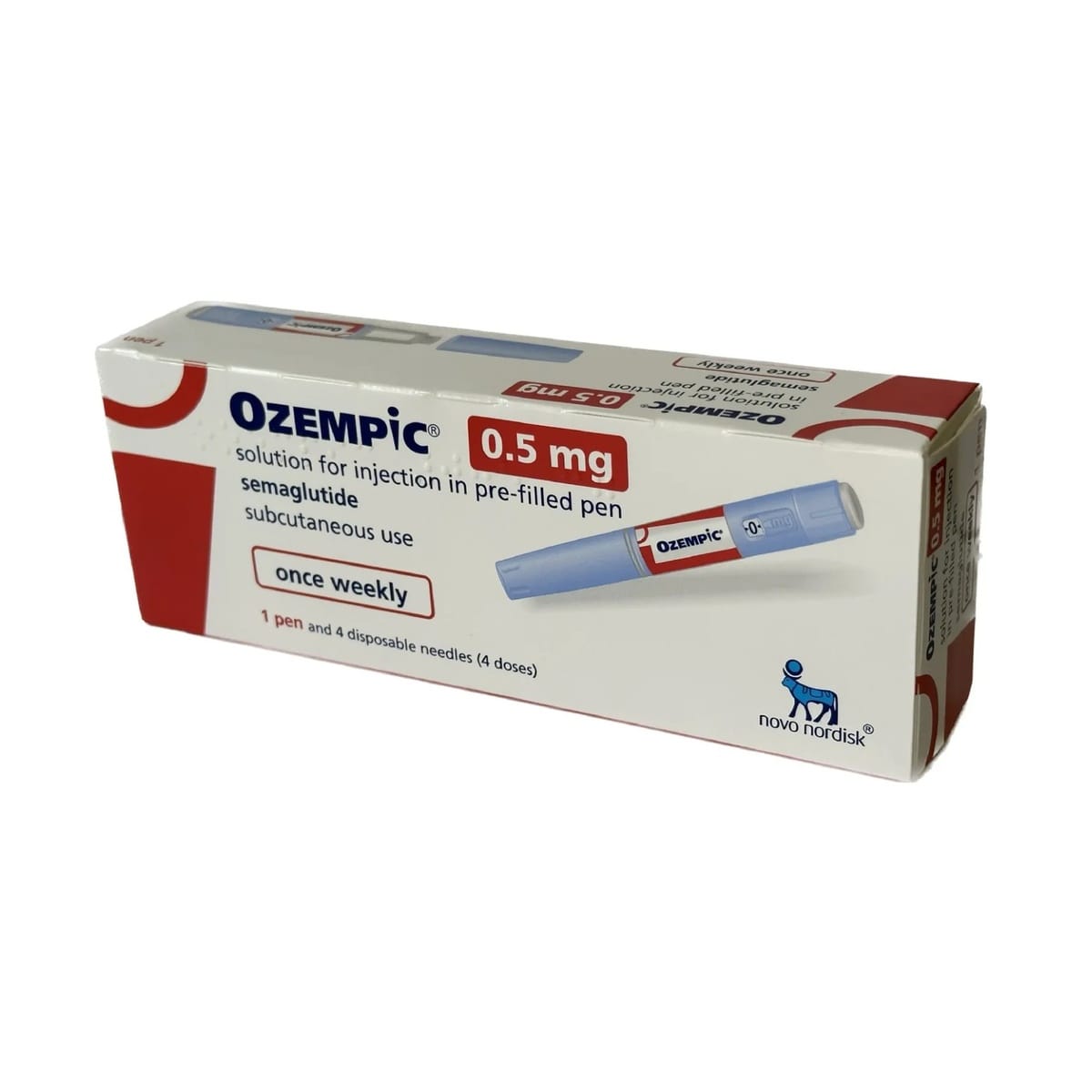
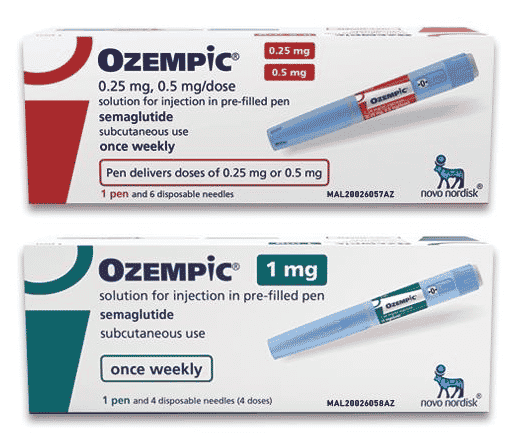
Ozempic
Buy Ozempic Online
Best Price Online, Anywhere


Buy Ozempic online with a valid prescription and compare current listed pricing, pen presentations, access factors, and safety basics before checkout. This page supports customers who want to match semaglutide pens to their prescription, review available options, and understand handling needs before placing an online order. For shoppers comparing US delivery from Canada, use the selected listing, quantity, and prescription details to confirm the product matches what your clinician prescribed.
Ozempic is a once-weekly injectable GLP-1 receptor agonist, a medicine that acts like a natural gut hormone involved in blood sugar regulation. It is a brand-name semaglutide pen, not an insulin product, and different semaglutide products should not be swapped unless your prescriber directs the change.
Ozempic Price and Available Options
Start by comparing the current listed price shown for the selected presentation on this product page. The amount you see should be checked against the pen strength, quantity, and pack details before you decide whether the listing matches your prescription order.
Ozempic price from Canada searches often focus on the headline amount, but the selected pen and total contents matter just as much. If you are comparing Ozempic without insurance, check whether your order is cash-pay, whether your plan requires separate coverage steps, and whether a different prescribed presentation appears as a separate listing.
A pen can contain more medication than a single weekly dose. That means the label strength, concentration, and total contents may not describe one injection. Match the prescription wording first, then compare the displayed option and quantity.
- Selected presentation: Confirm the exact pen and labeled dose range.
- Total quantity: Check whether the listing reflects one pen or a pack.
- Prescribed wording: Match brand, active ingredient, and strength details.
- Cash-pay status: Review the final order path if coverage is not used.
- Handling needs: Account for refrigerated storage before and after delivery.
Quick tip: Compare the selected pen presentation before comparing the total order amount.
How to Order Online
Choose the product presentation that matches your prescription, review the listed option, and complete the checkout details requested for the selected product. Keep your prescriber’s contact information available because prescription details may be checked with the prescriber when needed.
Supporting documents may be requested when relevant, especially if the order details do not clearly match the product selected. This helps keep the prescription order aligned with the medication, strength, and quantity your clinician intended.
If you are comparing US shipping from Canada, review the product listing and order details before checkout rather than relying on a general search result. Cross-border access can involve extra checks, so use the exact product name and pen information from your prescription.
The order path should not be used to change your dose, change the injection schedule, or substitute another semaglutide product. Those decisions belong with your clinician, especially if you use insulin, a sulfonylurea, or other medicines that affect blood sugar.
Pen Presentation and Strength Checks
Ozempic pens are prefilled injection devices used once weekly according to the prescribed schedule. The pen presentation matters because a starter step, maintenance dose, and higher labeled dose can involve different instructions and different total contents.
Common prescription wording may refer to semaglutide, Ozempic 0.25 mg, 0.5 mg, Ozempic 1 mg, or another labeled dose. Do not select a listing based only on a familiar number. Confirm whether the number describes the delivered dose, the pen label, or the titration step written by your prescriber.
| What to check | Why it matters |
|---|---|
| Brand name | Ozempic and other semaglutide products can have different indications and devices. |
| Active ingredient | Semaglutide should match the prescription exactly. |
| Pen dose range | The selected pen must match the dose your clinician prescribed. |
| Quantity selected | The number of pens affects the order total and handling needs. |
| Device instructions | Injection steps and dose selection should follow the official pen guide. |
The GLP-1 Agonists collection can help when your prescription names a different medicine in the same class. Use it for comparison, not substitution, because each product has its own device, dosing schedule, and safety profile.
What This Medicine Is Used For
Ozempic is used with diet and exercise to improve blood sugar control in adults with type 2 diabetes. The official prescribing information also includes cardiovascular risk reduction in adults with type 2 diabetes and established cardiovascular disease.
This medicine is not a cure for diabetes. It may help lower blood sugar while you continue the broader treatment plan set by your clinician, which may include nutrition changes, activity, glucose monitoring, and other prescribed medicines.
Ozempic is often discussed in relation to weight loss because semaglutide can affect appetite and body weight. However, Ozempic is not the semaglutide product approved specifically for chronic weight management; Wegovy is a different branded semaglutide product with its own labeling. If weight management is the treatment goal, confirm the intended product name before ordering.
The Type 2 Diabetes product list is useful when your prescription names another diabetes treatment or your clinician is comparing options. It should not replace individualized medical guidance.
Storage, Handling, and Travel Basics
Ozempic is a refrigerated injectable before first use. Store unopened pens in the refrigerator as described on the label, keep them away from the freezer compartment, and do not use a pen that has been frozen.
After first use, the pen may have different storage allowances under the official instructions. Protect it from excess heat and light, keep the cap on when it is not in use, and remove the needle after each injection. A used needle should not remain attached to the pen.
Travel planning is important for semaglutide pens. Use an insulated carrier when appropriate, avoid direct contact between the pen and ice packs, and keep the product within the temperature range described in the medication guide. If a pen looks cloudy, discolored, frozen, or otherwise damaged, ask a pharmacist or clinician before using it.
Temperature-sensitive products may require careful packing and receiving arrangements. Check the package promptly when it arrives, move refrigerated items to proper storage when needed, and keep the product information available in case you need to confirm handling instructions.
Safety Checks Before Checkout
Ozempic has a boxed warning about thyroid C-cell tumors seen in animal studies. Do not use it if you or your family have a history of medullary thyroid carcinoma, or if you have Multiple Endocrine Neoplasia syndrome type 2. It is also contraindicated in people with a serious hypersensitivity to semaglutide or any product ingredient.
Common side effects can include nausea, vomiting, diarrhea, abdominal pain, and constipation. These effects are often gastrointestinal, meaning they affect the stomach and intestines. Report symptoms that are severe, persistent, or concerning to a healthcare professional.
Serious risks may include pancreatitis, gallbladder problems, kidney injury related to dehydration, and worsening diabetic retinopathy in some patients. Seek urgent medical help for severe stomach pain that does not go away, symptoms of a serious allergic reaction, or signs of very low blood sugar.
- Low blood sugar: Risk can increase with insulin or sulfonylureas.
- Eye changes: Report new or worsening vision symptoms.
- Severe dehydration: Vomiting or diarrhea can affect kidney function.
- Allergic reaction: Swelling, rash, or breathing trouble needs urgent care.
Why it matters: Safety history can affect whether this pen is appropriate before you complete an order.
Interactions and Monitoring
Semaglutide can slow stomach emptying, which may affect how some oral medicines are absorbed. Tell your clinician about prescription drugs, over-the-counter products, and supplements before starting or changing therapy.
Monitoring is especially important if you use insulin, sulfonylureas, or other glucose-lowering medicines. Your clinician may want blood sugar logs, A1C results, kidney function information, eye exam history, or details about nausea and hydration.
Tell your healthcare team if you are pregnant, planning pregnancy, breastfeeding, or scheduled for a procedure that requires anesthesia or sedation. Delayed stomach emptying can matter in procedural planning, and pregnancy-related decisions should be made with your clinician.
Do not share an Ozempic pen, even if the needle has been changed. Sharing injection devices can transmit infections and may expose another person to medication that was not prescribed for them.
Compare Related Treatment Options
Related products can be useful for understanding why the exact brand and form matter. They are not automatic substitutes. A clinician should confirm whether a different medicine, device, or indication fits your treatment plan.
Wegovy contains semaglutide and is labeled for chronic weight management in eligible patients. Rybelsus Semaglutide Pills contain semaglutide in an oral tablet form for type 2 diabetes. These products have different instructions from Ozempic pens.
Other GLP-1 medicines, dual incretin therapies, and diabetes medications may be considered when a prescriber is balancing blood sugar goals, weight changes, tolerability, cardiovascular history, and cost of therapy. The Ozempic Alternatives resource can support a comparison discussion without replacing medical advice.
When comparing semaglutide pens with another product, focus on five practical differences: approved use, dosing schedule, device type, storage needs, and safety warnings. These details are more reliable than comparing names alone.
Authoritative Sources
Product decisions should be checked against official labeling and regulator safety information. These sources support the clinical and safety points summarized above.
- Official Prescribing Information: labeled uses, dosing framework, contraindications, warnings, adverse reactions, and storage instructions.
- FDA GLP-1 Safety Concerns: regulator information about unapproved and counterfeit GLP-1 products.
This content is for informational purposes only and is not a substitute for professional medical advice.
Customer Reviews
4.3 Based on 831 Reviews
Write a Review Ask a Question - Reviews
- Questions
Filter Reviews:
LL
03/17/2026
Leland L.  US
USDependable Source
Always easy to order, timely shipping, good communications.
03/18/2026
CanadianInsulin.com
Hi Leland!Thank you for always choosing Canadian Insulin! We’re thrilled to hear that our ordering process, timely shipping, and communications have made your experience smooth and convenient. Your trust means a lot to us, and we’re committed to continuing to provide reliable service every time.We truly appreciate your support!
MV
03/13/2026
Monica V. USItem was fine, experience with the company terrible
The item is straight forward. But trying to get it through this company took 3 months.
03/16/2026
CanadianInsulin.com
Hi Monica!Thank you for sharing your feedback. We truly appreciate you taking the time to let us know about your experience. We’re glad to hear that the item itself met your expectations. However, we sincerely apologize for the inconvenience caused by the delay in receiving your order. At the time, there were unexpected disruptions related to the implementation of new tariff regulations, which unfortunately affected processing and shipping timelines. While these changes were beyond our control, we completely understand how frustrating it is, and we regret any inconvenience this may have caused. Please know that our team continuously works to improve our processes and minimize delays whenever possible. Your feedback helps us identify areas where we can do better and ensures we provide a smoother experience for our customers moving forward.Thank you for your patience and for choosing Canadian Insulin. We truly appreciate your trust and support.
PT
03/12/2026
Phil T. USPretty Good
The item is as ordered, but shipping is hit or miss. You just can’t depend on getting the medication by a certain date.
03/13/2026
CanadianInsulin.com
Hi Phil!It’s great to hear the item arrived as ordered thanks for sharing your experience! We truly appreciate your honest feedback about the shipping as well. Because medications are shipped internationally and must go through several transit and customs checkpoints, delivery times can occasionally vary. That said, we always work closely with our shipping carriers to get orders out as quickly and smoothly as possible. Your feedback helps us continue improving both our processes and communication around delivery timelines so we can better support customers like you.Thank you for always choosing Canadian Insulin! We truly appreciate your trust and look forward to serving you again.
MA
03/01/2026
Mario A. USCustomer service
Pretty good had a issue but they assured me that it would get resolved and it did very happy with their customer service
03/02/2026
CanadianInsulin.com
Hi Mario!We truly appreciate your patience and understanding when the issue arose. At Canadian Insulin, our top priority is making sure every concern is handled promptly, accurately, and with genuine care. We’re very glad to hear that our team was able to reassure you and follow through on resolving the matter to your satisfaction.Your trust means a great deal to us, and feedback like yours motivates us to continue delivering dependable, compassionate service every step of the way.Thank you for always choosing Canadian Insulin. We look forward to serving you again!
GF
03/01/2026
George F. USOzempic
Once past prescriptions and delivery everything fine
03/02/2026
CanadianInsulin.com
Hi George!We understand that the prescription and delivery process can sometimes feel detailed, as we carefully follow all safety and verification requirements to ensure your medication arrives accurately and securely. We’re very glad to hear that once everything was processed, your experience went smoothly and everything was fine.At Canadian Insulin, our goal is to make each step from prescription review to final delivery as seamless and reliable as possible while maintaining the highest standards of safety and care. Your patience and trust truly mean a lot to us.Thank you for always choosing Canadian Insulin. We look forward to continuing to serve you!
Express Shipping - from $25.00
Shipping with this method takes 3-5 days
Prices:
- Dry-Packed Products $25.00
- Cold-Packed Products $35.00
Standard Shipping - $15.00
Shipping with this method takes 5-10 days
Prices:
- Dry-Packed Products $15.00
- Not available for Cold-Packed products
What is Ozempic used for?
Ozempic is a prescription semaglutide injection used with diet and exercise to improve blood sugar control in adults with type 2 diabetes. Its official labeling also includes reducing the risk of major cardiovascular events in adults with type 2 diabetes and established cardiovascular disease. It is not insulin and is not a cure for diabetes. Your clinician can explain how it fits with glucose monitoring, nutrition, activity, and any other diabetes medicines you use.
Is Ozempic approved for weight loss?
Ozempic is commonly discussed because semaglutide may affect appetite and body weight, but Ozempic itself is labeled for type 2 diabetes uses, not as the semaglutide product approved specifically for chronic weight management. Wegovy is a different semaglutide brand with weight-management labeling. Ask your clinician which product name, dose, and device are intended for your treatment goal before using or switching any GLP-1 medicine.
Where is Ozempic injected?
Ozempic is injected under the skin, usually in the abdomen, thigh, or upper arm according to the product instructions. Injection sites should be rotated to reduce irritation. Do not inject into skin that is tender, bruised, red, hard, or damaged. The pen instructions explain needle attachment, dose selection, injection technique, and needle disposal. If you are unsure about technique, ask a healthcare professional to demonstrate it before use.
What side effects should be monitored with Ozempic?
Common side effects include nausea, vomiting, diarrhea, constipation, and abdominal pain. More serious concerns can include pancreatitis, gallbladder problems, kidney injury related to dehydration, allergic reactions, and worsening diabetic retinopathy in some patients. Low blood sugar risk can increase when Ozempic is used with insulin or sulfonylureas. Seek urgent help for severe stomach pain, breathing trouble, swelling, or symptoms of very low blood sugar.
What should I ask my clinician before using Ozempic?
Ask whether the prescribed pen, dose, and schedule match your treatment plan. Review your history of pancreatitis, gallbladder disease, kidney problems, diabetic retinopathy, thyroid cancer risk, pregnancy plans, and all current medicines. If you use insulin or a sulfonylurea, ask how blood sugar should be monitored. You can also ask how to manage missed doses, nausea, travel storage, and when to report side effects.
Rewards Program
Earn points on birthdays, product orders, reviews, friend referrals, and more! Enjoy your medication at unparalleled discounts while reaping rewards for every step you take with us.
You can read more about rewards here.
POINT VALUE
How to earn points
- 1Create an account and start earning.
- 2Earn points every time you shop or perform certain actions.
- 3Redeem points for exclusive discounts.
You Might Also Like
Select options
This product has multiple variants. The options may be chosen on the product page
Select options
This product has multiple variants. The options may be chosen on the product page
Select options
This product has multiple variants. The options may be chosen on the product page
Related Articles
Diabetes, Type 2
What Fruits Are Good for Diabetics? How to Choose Wisely
Most people with diabetes can eat fruit. The best choices are whole fruits with fiber, such as berries, apples, pears, citrus, cherries, and kiwi. When people ask what fruits are…
Diabetes, Type 1
Blood Sugar Normal Range Chart: How to Read Key Numbers
A blood sugar normal range chart gives you a quick way to compare fasting, before-meal, after-meal, and A1C numbers with common clinical cutoffs. It matters because the same glucose value…
Uncategorized
Clots and Period: When Menstrual Blood Clots Need Attention
The phrase clots and period usually refers to blood clots that pass during menstruation. In many cases, small clots on the heaviest days are a normal result of brisk bleeding.…
Diabetes, Type 1
Type 1 Versus Type 2 Diabetes: Symptoms, Causes, and Care
type 1 versus type 2 diabetes comes down to why blood sugar rises. In type 1, the immune system destroys insulin-making cells in the pancreas, so the body makes little…