
Please note: a valid prescription is required for all prescription medication.
Price Drop
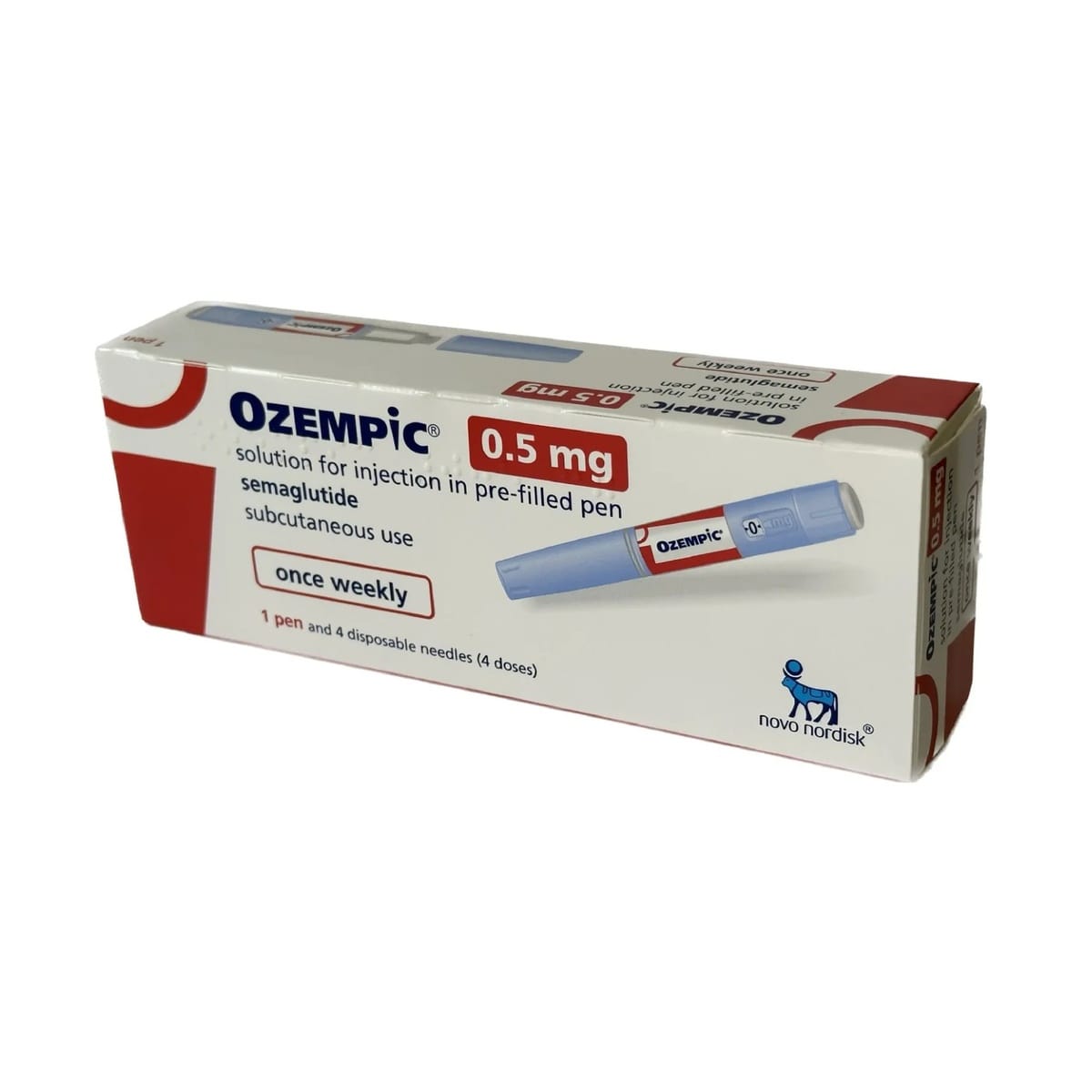
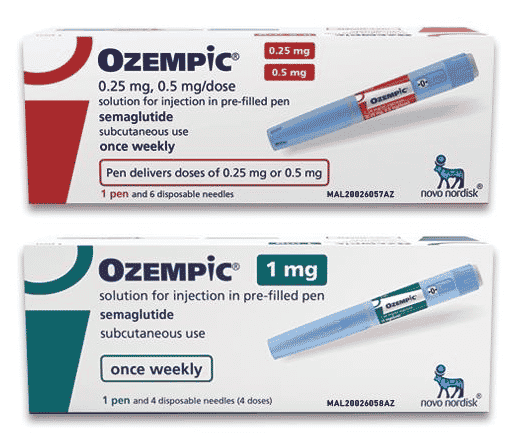
Ozempic
Ozempic Buying Basics and Prescription Info
Best Price Online, Anywhere
Price:
Price range: $249.99 through $319.99
You save


Ozempic is a prescription semaglutide injection used to improve blood sugar control in adults with type 2 diabetes, and this page helps readers evaluate how to buy it through a compliant process. It is not appropriate for everyone, so the first things to check are prescription status, thyroid warning history, common stomach side effects, whether other diabetes medicines may change monitoring needs, and whether the weekly pen format is practical. Some patients explore US delivery from Canada when looking at access routes, but this product page is built for comparing what is required before moving ahead, including prescription review, jurisdiction, dose labeling, storage, and fit with a current diabetes plan before any request moves further in review, with the right safety details in place first.
How to Buy Ozempic and What to Know First
This site works as a prescription referral platform, not a dispensing pharmacy. The medicine is a once-weekly GLP-1 receptor agonist (a drug class that helps the body release insulin when glucose is high) delivered by subcutaneous (under-the-skin) pen injection. Before moving ahead, the main decision points are whether the treatment matches the diagnosis, whether there is any history of medullary thyroid carcinoma or multiple endocrine neoplasia syndrome type 2, and whether other diabetes drugs raise the risk of low blood sugar.
For adults reviewing options for Type 2 Diabetes, this treatment is one of several prescription choices used alongside diet and exercise. The goal here is not just to describe the drug, but to help with practical decision-making first: fit, safety, dosing, storage, and the documentation that may be needed before a prescription request can move forward.
- Check the indication: it is used for adults with type 2 diabetes, not type 1 diabetes or diabetic ketoacidosis.
- Review major cautions: thyroid cancer history, pancreatitis history, severe gastrointestinal symptoms, pregnancy planning, and other glucose-lowering drugs all matter.
- Confirm practical details: pen presentation, weekly dose step, storage needs, and prescription verification requirements should match the written plan.
Who It’s For and Access Requirements
Ozempic is generally prescribed for adults with Diabetes when the specific diagnosis is type 2 diabetes and additional glucose lowering is needed. It may be used on its own or with other medicines, depending on the treatment plan, prior response, and tolerance. Prescribers also look at kidney function, vision history, prior pancreatitis, gallbladder problems, and whether the person is already using insulin or a sulfonylurea.
This medicine is not a match for type 1 diabetes or diabetic ketoacidosis. Weight reduction can happen with semaglutide, but this product is not approved solely for weight loss. If the question is where it fits among other therapies, the overview in Common Diabetes Medications can help frame the category without replacing clinician guidance.
Access usually depends on a current prescription, confirmation of the intended dose step, and review of concurrent medicines. A clinician may also want recent A1C results, kidney status, or eye history when deciding whether semaglutide is a good fit and whether closer monitoring will be needed after treatment starts.
Why it matters: A medicine used in diabetes care is not automatically approved for every weight-related use.
Dosage and Usage
Ozempic is usually started at 0.25 mg once weekly for the first 4 weeks, then increased to 0.5 mg once weekly if prescribed. Some adults may later use 1 mg once weekly, and in some markets 2 mg once weekly, but titration should follow the label and clinician plan rather than self-adjustment.
The injection can be taken with or without meals on the same day each week. Typical sites are the abdomen, thigh, or upper arm, with rotation of sites to reduce irritation. Pens should never be shared, even if a new needle is attached. Prefilled pen instructions matter, especially for first-time users, and the guides on Understanding Diabetes Tech and Insulin Pen Vs Syringe can help explain the basics of pen use.
- Starter phase: a low weekly dose helps the body adjust.
- Maintenance phase: dose increases depend on response and tolerance.
- Same day weekly: choose a day that is easy to remember.
- Missed dose rules: follow label instructions and never double a dose.
If a weekly dose is missed, official instructions should be followed carefully. In general, the dose may be taken within 5 days of the missed day; after that, it is usually skipped and the regular schedule resumes. Any change in timing should stay consistent with the product instructions and prescriber guidance.
Strengths and Forms
This semaglutide product comes as a prefilled injection pen, not a tablet. Oral semaglutide exists as a different medicine, so there is no true Ozempic pill and it should not be assumed to be interchangeable with injectable dosing. Depending on market supply, carton labeling may emphasize the weekly dose delivered, the total semaglutide content in the pen, or both.
| How the pen may be labeled | Typical weekly dose delivered | What to know |
|---|---|---|
| 0.25 mg and 0.5 mg presentation | Starter or early maintenance dosing | The same pen format may cover early titration steps. |
| 1 mg presentation | 1 mg once weekly | Used after lower-dose titration in some adults. |
| 2 mg presentation | 2 mg once weekly | Available in some markets when a higher weekly dose is prescribed. |
Outer packaging may also show total contents such as 4 mg or 8 mg in 3 mL, depending on the pen format. That figure describes what is in the pen, not necessarily what is injected each week. Availability can vary, so the labeled weekly dose, total pen content, and instructions for use should all be checked together before treatment starts.
Storage and Travel Basics
Unopened pens are usually stored in a refrigerator at 2°C to 8°C and should never be frozen. After first use, the pen may generally be kept refrigerated or at room temperature up to 30°C for the labeled in-use period, which is commonly 56 days. Heat, freezing, and direct light can damage the medicine, so routine handling matters.
- Keep it cool: avoid freezing and excessive heat.
- Protect the pen: store with the cap on.
- No attached needle: remove it after each use.
- Track first use: note the date the pen was opened.
Quick tip: Use the original carton when possible to protect the pen from light during travel.
For trips, keep the medication with carry-on belongings rather than checked luggage if temperature exposure is uncertain. A small insulated case may help, but direct ice contact should be avoided unless the manufacturer instructions specifically allow it. A pen that has been frozen or left in excessive heat should not be used until replacement guidance is obtained.
Side Effects and Safety
Ozempic can cause nausea, vomiting, diarrhea, constipation, abdominal pain, and reduced appetite, especially during dose increases. These effects often improve as the body adjusts, but persistent vomiting or poor fluid intake can lead to dehydration and kidney problems. Slower eating, smaller meals, and gradual dose escalation are common ways clinicians try to improve tolerability.
More serious problems need prompt medical review. These include severe ongoing abdominal pain that could suggest pancreatitis, gallbladder symptoms such as right upper abdominal pain, signs of an allergic reaction, and major vision changes in people with diabetic retinopathy. Low blood sugar is more likely when semaglutide is combined with insulin or insulin-releasing drugs such as sulfonylureas.
- Common effects: stomach upset, constipation, diarrhea, and reduced appetite.
- Watch hydration: repeated vomiting can strain the kidneys.
- Seek urgent review: severe belly pain or swelling of the face or throat.
- Monitor vision: report new or worsening eye symptoms.
The label also carries a thyroid C-cell tumor warning based on animal findings. This medicine is generally avoided in anyone with a personal or family history of medullary thyroid carcinoma or with multiple endocrine neoplasia syndrome type 2. New neck swelling, persistent hoarseness, or trouble swallowing should be reported promptly.
Drug Interactions and Cautions
Because semaglutide slows stomach emptying, it can change how quickly some oral medicines are absorbed. That does not automatically mean another drug cannot be used, but it may affect timing, monitoring, or how closely early treatment is followed. A complete medication list should include diabetes drugs, blood pressure medicines, thyroid therapy, pain relievers, and over-the-counter supplements.
People already using insulin or a sulfonylurea may need closer monitoring for hypoglycemia after semaglutide is added. Caution is also common in those with a history of pancreatitis, severe gastrointestinal disease, gallbladder disease, or diabetic eye disease. Pregnancy planning deserves special discussion because the drug can stay in the body for weeks after the last dose.
- Bring a full list: include prescriptions, supplements, and nonprescription products.
- Flag insulin use: combination therapy can raise low-sugar risk.
- Discuss pregnancy plans: timing may matter before conception.
Compare With Alternatives
Weekly semaglutide is one option within a larger diabetes treatment landscape. The right choice depends on blood sugar goals, prior medication response, stomach tolerability, weight considerations, heart or kidney history, and whether an injection or tablet format is preferred. Treatment comparisons are usually most useful when they focus on schedule, form, and monitoring rather than simple price alone.
Victoza Pens contain liraglutide, another GLP-1 receptor agonist, but it is taken once daily rather than once weekly. Soliqua Solostar Pens combine basal insulin with a GLP-1 medicine in one pen, which may be relevant when both insulin and incretin support are being considered.
For a broader view of non-insulin and insulin categories, browse Diabetes Medications. Oral semaglutide is another route of administration, but it is a different product and should not be assumed to match the pen presentation dose for dose.
Prescription, Pricing and Access
Because Ozempic is prescription-only, access depends on a valid prescription, the intended use, current medication history, and the rules that apply where the request is being processed. Coverage can vary by plan, and some patients compare cash-pay and covered routes when restrictions apply. People paying without insurance may see different out-of-pocket amounts based on prescribed strength, quantity, and the pharmacy that ultimately dispenses the medicine.
Depending on the request and jurisdiction, prescription details may need to be confirmed with the original prescriber before processing can continue. Licensed third-party pharmacies handle dispensing where local rules allow. This keeps the review tied to the written prescription rather than to informal dose requests or product-name confusion.
Packaging differences can also affect comparisons. Some listings focus on delivered weekly dose, while others list total semaglutide content in the pen. When available, the site Promotions page may outline stable program information, but it should not replace a check of prescription requirements, jurisdiction limits, or the exact pen presentation prescribed.
Authoritative Sources
For approved uses, boxed warnings, and dosing, review the official prescribing information.
For current label text and medication guide details, see the DailyMed semaglutide listing.
For patient-focused pen steps and storage directions, read the manufacturer pen instructions.
When a prescription is approved and the product is prepared for transit, prompt, express, cold-chain shipping may be used when handling requirements call for it.
This content is for informational purposes only and is not a substitute for professional medical advice.
Customer Reviews
4.3 Based on 831 Reviews
Write a Review Ask a Question - Reviews
- Questions
Filter Reviews:
LL
03/17/2026
Leland L.  US
USDependable Source
Always easy to order, timely shipping, good communications.
03/18/2026
CanadianInsulin.com
Hi Leland!Thank you for always choosing Canadian Insulin! We’re thrilled to hear that our ordering process, timely shipping, and communications have made your experience smooth and convenient. Your trust means a lot to us, and we’re committed to continuing to provide reliable service every time.We truly appreciate your support!
MV
03/13/2026
Monica V. USItem was fine, experience with the company terrible
The item is straight forward. But trying to get it through this company took 3 months.
03/16/2026
CanadianInsulin.com
Hi Monica!Thank you for sharing your feedback. We truly appreciate you taking the time to let us know about your experience. We’re glad to hear that the item itself met your expectations. However, we sincerely apologize for the inconvenience caused by the delay in receiving your order. At the time, there were unexpected disruptions related to the implementation of new tariff regulations, which unfortunately affected processing and shipping timelines. While these changes were beyond our control, we completely understand how frustrating it is, and we regret any inconvenience this may have caused. Please know that our team continuously works to improve our processes and minimize delays whenever possible. Your feedback helps us identify areas where we can do better and ensures we provide a smoother experience for our customers moving forward.Thank you for your patience and for choosing Canadian Insulin. We truly appreciate your trust and support.
PT
03/12/2026
Phil T. USPretty Good
The item is as ordered, but shipping is hit or miss. You just can’t depend on getting the medication by a certain date.
03/13/2026
CanadianInsulin.com
Hi Phil!It’s great to hear the item arrived as ordered thanks for sharing your experience! We truly appreciate your honest feedback about the shipping as well. Because medications are shipped internationally and must go through several transit and customs checkpoints, delivery times can occasionally vary. That said, we always work closely with our shipping carriers to get orders out as quickly and smoothly as possible. Your feedback helps us continue improving both our processes and communication around delivery timelines so we can better support customers like you.Thank you for always choosing Canadian Insulin! We truly appreciate your trust and look forward to serving you again.
MA
03/01/2026
Mario A. USCustomer service
Pretty good had a issue but they assured me that it would get resolved and it did very happy with their customer service
03/02/2026
CanadianInsulin.com
Hi Mario!We truly appreciate your patience and understanding when the issue arose. At Canadian Insulin, our top priority is making sure every concern is handled promptly, accurately, and with genuine care. We’re very glad to hear that our team was able to reassure you and follow through on resolving the matter to your satisfaction.Your trust means a great deal to us, and feedback like yours motivates us to continue delivering dependable, compassionate service every step of the way.Thank you for always choosing Canadian Insulin. We look forward to serving you again!
GF
03/01/2026
George F. USOzempic
Once past prescriptions and delivery everything fine
03/02/2026
CanadianInsulin.com
Hi George!We understand that the prescription and delivery process can sometimes feel detailed, as we carefully follow all safety and verification requirements to ensure your medication arrives accurately and securely. We’re very glad to hear that once everything was processed, your experience went smoothly and everything was fine.At Canadian Insulin, our goal is to make each step from prescription review to final delivery as seamless and reliable as possible while maintaining the highest standards of safety and care. Your patience and trust truly mean a lot to us.Thank you for always choosing Canadian Insulin. We look forward to continuing to serve you!
Express Shipping - from $25.00
Shipping with this method takes 3-5 days
Prices:
- Dry-Packed Products $25.00
- Cold-Packed Products $35.00
Standard Shipping - $15.00
Shipping with this method takes 5-10 days
Prices:
- Dry-Packed Products $15.00
- Not available for Cold-Packed products
Is Ozempic approved for weight loss?
Ozempic is approved to help improve blood sugar control in adults with type 2 diabetes. Weight reduction can occur with semaglutide, but this brand is not approved solely for weight management. That distinction matters because the diagnosis, medical history, dose selection, and monitoring plan may not be the same as they are for a product specifically labeled for chronic weight management. Label-based use and clinician review should guide the decision.
Is Ozempic a pill or an injection?
Ozempic is an injection given with a prefilled pen once weekly. It is not an oral tablet. Oral semaglutide does exist under a different brand, but it should not be treated as an Ozempic pill or assumed to be dose-for-dose interchangeable. Pen presentation, weekly dose steps, storage rules, and directions for use are specific to the injectable product, so the package instructions and prescription label should be checked carefully.
How often is Ozempic taken?
It is typically taken once a week on the same day each week, with or without food. Many adults start at a lower weekly dose and then move up after several weeks if that is what the label and prescriber recommend. The exact dose step depends on the treatment plan and how well stomach side effects are tolerated. If a dose is missed, the official instructions should be followed rather than doubling the next injection.
What side effects should be monitored?
Common effects include nausea, vomiting, diarrhea, constipation, abdominal discomfort, and reduced appetite, especially after dose increases. More serious issues that deserve prompt medical attention include severe or persistent abdominal pain, ongoing vomiting with dehydration, signs of an allergic reaction, major vision changes, and symptoms of low blood sugar when the medicine is used with insulin or a sulfonylurea. Any new neck lump, hoarseness, or trouble swallowing should also be reported because of the thyroid warning.
What should be discussed with a clinician before starting Ozempic?
Useful topics include the reason for treatment, current diabetes medicines, prior pancreatitis, gallbladder disease, kidney problems, digestive symptoms, diabetic retinopathy, and any personal or family history of medullary thyroid carcinoma or MEN2. It is also important to mention pregnancy plans, breastfeeding, and all prescription or nonprescription medicines. Those details help the clinician decide whether semaglutide fits the diagnosis, whether closer monitoring is needed, and which pen presentation makes the most sense.
Rewards Program
Earn points on birthdays, product orders, reviews, friend referrals, and more! Enjoy your medication at unparalleled discounts while reaping rewards for every step you take with us.
You can read more about rewards here.
POINT VALUE
How to earn points
- 1Create an account and start earning.
- 2Earn points every time you shop or perform certain actions.
- 3Redeem points for exclusive discounts.
You Might Also Like
Select options
This product has multiple variants. The options may be chosen on the product page
Select options
This product has multiple variants. The options may be chosen on the product page
Select options
This product has multiple variants. The options may be chosen on the product page
Related Articles
Type 2 Diabetes,
Generic Liraglutide For Weight Loss: A Practical Guide
People searching for generic liraglutide for weight loss usually want clear answers on three points: whether an approved lower-cost version exists, how it differs from brand-name products, and what access…
Type 2 Diabetes,
Liraglutide Vs Semaglutide Comparison Guide For Patients
Key Takeaways People searching liraglutide vs semaglutide usually want a practical comparison, not a slogan. The most useful differences involve formulation, schedule, approved uses, side effect patterns, and the paperwork…
Weight Management
Generic Zepbound: Availability, Status, and Options
Key Takeaways Patients and caregivers often search for generic zepbound when they need a clear answer about availability, labeling, and lower-cost access. The term is common online, but it does…
Type 2 Diabetes,
Oral Wegovy Explained: Facts, Risks, and Access Options
The phrase oral wegovy is best understood as a search term, not a settled product name. Most people use it to mean a pill version of semaglutide for weight management,…