
Please note: a valid prescription is required for all prescription medication.
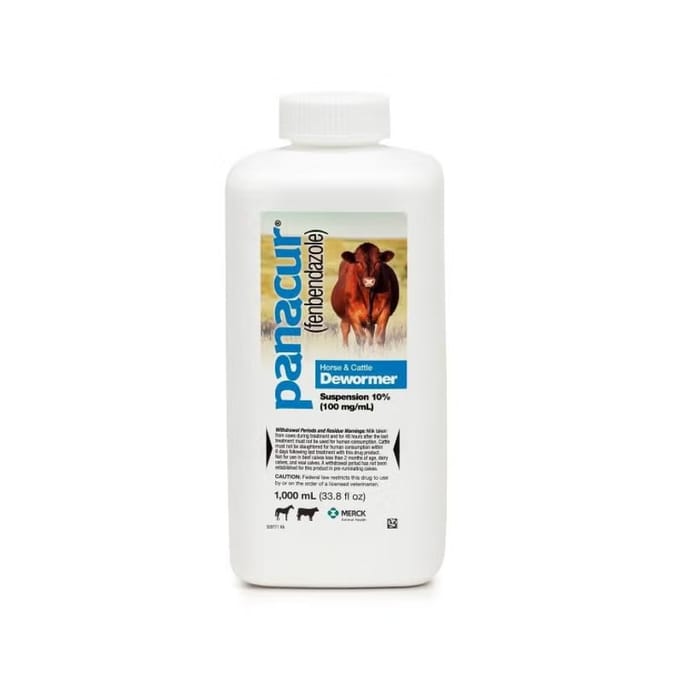
Panacur Suspension
Buy Panacur Suspension Online


Panacur Suspension is a fenbendazole oral dewormer used in veterinary care for susceptible internal parasites. Buy Panacur Suspension online, view the current price, and choose the liquid strength and bottle quantity shown during ordering that match your veterinarian’s directions. The label should fit the animal species, current weight, parasite concern, and treatment plan before any dose is given.
Panacur liquid is commonly discussed as a fenbendazole suspension, and some Panacur 10 suspension products are labeled as 10% liquid or 100 mg/mL. Those descriptions help identify the type of medicine, but the bottle label remains the deciding source for species, measuring directions, storage, and withdrawal information for food-producing animals.
Panacur Suspension Price, Strength, and Bottle Selection
Use the current displayed price for the exact Panacur Suspension form, strength, and quantity chosen during ordering. Total cost can change with bottle volume, concentration, and number of bottles, so match the animal-care plan first and compare totals second.
Many people look for Panacur liquid, Panacur susp, Panacur oral suspension, fenbendazole suspension, or Panacur liquid dewormer. These terms can describe related fenbendazole liquids, but they do not prove that every bottle is appropriate for dogs, cats, puppies, kittens, horses, cattle, sheep, or another species. The safest buying decision is based on the label and veterinary instructions, not the product family name alone.
A larger Panacur bottle may be practical for a barn, kennel, shelter, or multi-animal setting. It should not replace a smaller or species-specific product unless the same concentration, form, species label, and treatment instructions are intended. Bottle volume tells you how much liquid is supplied; it does not tell you the dose, the number of animals treated, or the number of treatment days.
| Selection point | What to verify |
|---|---|
| Active ingredient | Fenbendazole should match the clinic’s parasite plan. |
| Concentration | Some liquid products are described as 10% or 100 mg/mL. |
| Animal species | Directions can differ for livestock, horses, dogs, cats, puppies, and kittens. |
| Bottle volume | Total mL affects supply planning and checkout total. |
| Quantity | Multiple bottles change the total amount of medicine on hand. |
Quick tip: Match species, concentration, and bottle volume before comparing the final total.
How to Order Panacur Suspension
Choose the Panacur Suspension strength and bottle quantity that correspond to the written animal-care instructions. Enter the requested animal and clinic information accurately so the order can be reviewed against the intended species, liquid form, and quantity.
Avoid ordering by brand name alone. The Panacur family can include suspension, paste, granules, and other veterinary presentations. Form and concentration matter because a liquid measured in mL is not interchangeable with paste marks, granule packets, or a different species label.
If US delivery from Canada is shown during checkout, review the address, bottle count, and handling prompts before payment. Keep the container upright after receipt, protect it from avoidable heat or freezing, and separate it from food, feed, and household measuring tools.
- Match the form: Use the oral suspension only when a liquid is intended.
- Match the species: Do not share one animal’s product across species without veterinary direction.
- Match the strength: Confirm whether the bottle is labeled 10%, 100 mg/mL, or another concentration.
- Match the quantity: Order enough liquid for the plan without assuming extra doses are appropriate.
What Panacur Suspension Treats
Fenbendazole is a benzimidazole anthelmintic, meaning a deworming medicine used against susceptible parasites. Depending on the species and label, Panacur Suspension may be used for removal or control of certain gastrointestinal worms and lungworms. The exact parasite coverage depends on the product label, diagnosis, and local veterinary plan.
For companion animals, a veterinarian may discuss a liquid dewormer after fecal testing, exposure to infected stool, kennel contact, travel, or signs such as diarrhea, poor growth, rough coat, weight loss, coughing, or visible worms. Related condition information is available for pet roundworm infection, pet hookworm infection, and pet whipworm infection.
Panacur Suspension is not the same as every parasite medicine. It is different from ivermectin and from flea, tick, heartworm, and tapeworm-only products. Some parasite programs combine testing, environmental cleanup, repeat treatment, or another medication, especially when exposure continues in shared yards, litter areas, shelters, barns, or pastures.
For livestock and horses, product labels may include species-specific parasite claims and residue or withdrawal directions. Food-producing animals require label-based instructions before meat or milk enters the food supply. Those requirements are separate from bottle size and should be followed exactly.
Dogs, Cats, Puppies, Kittens, and Species Fit
Panacur suspension for dogs and Panacur liquid for dogs are common buying terms, but the dose and treatment duration must come from the exact product label or veterinary plan. Dogs can vary widely in weight, age, parasite burden, and health status, so a puppy plan may not match an adult dog plan.
Panacur suspension for puppies and Panacur liquid for puppies require particular care because young animals can dehydrate quickly when parasites or diarrhea are present. A current body weight helps determine the amount measured, and follow-up testing may be needed if reinfection, heavy exposure, or persistent signs are suspected.
Panacur liquid for cats, Panacur for cats liquid, Panacur suspension for cats, and Panacur suspension for kittens should be handled with the same species-specific caution. Cats are not small dogs, and kittens may need a different clinical approach than adult cats. Age, weight, hydration, parasite type, and concurrent illness can all affect suitability.
Giardia is another reason veterinarians may discuss fenbendazole in pets, although treatment decisions vary by case and product label. If your animal has diarrhea after boarding, shelter exposure, or contaminated water exposure, review pet giardiasis information and ask the clinic whether testing or environmental cleaning is part of the plan.
Measuring the Liquid and Treatment Expectations
Panacur dosage for dogs liquid, Panacur suspension dosage for dogs, and Panacur suspension for dogs dosage are frequent questions because liquid dewormers must be measured by volume. Use the official label or veterinary directions for the exact strength in hand. Do not estimate with capfuls, household spoons, drops, or another medicine’s syringe.
Shake or mix the bottle only as the label directs before drawing up a dose. Read mL markings at eye level, give the amount as instructed, and record the animal name, date, dose, product concentration, and lot number. In multi-pet homes, barns, and shelters, written records help prevent missed doses, duplicate treatment, and species mix-ups.
How long it takes for worms to clear can vary. Some animals show improved stool quality or appetite after treatment, while others need repeat fecal testing, environmental control, or another plan if reinfection occurs. Visible worms may not appear in every stool, and an animal can still need monitoring even when signs improve quickly.
If vomiting, ongoing diarrhea, dehydration, poor appetite, coughing, weight loss, or lethargy continues, contact a veterinarian instead of repeating doses on your own. Heavy parasite burdens can make animals sicker during or after treatment, especially puppies, kittens, debilitated animals, and very small pets.
Storage, Handling, and Travel Basics
Store Panacur dewormer liquid according to the bottle and carton directions. Many veterinary oral suspensions are stored at controlled room temperature, but the specific label should guide protection from heat, freezing, light, moisture, and contamination.
Do not refrigerate Panacur Suspension unless the label or veterinarian specifically instructs it. Refrigeration can change how some suspensions pour or mix, and temperature swings may make accurate measuring more difficult. Keep the cap tightly closed and store the bottle away from children, pets, food, feed, and food-preparation surfaces.
Use clean measuring equipment each time. Do not return leftover liquid from a dosing syringe to the bottle unless instructed, because saliva, feed, bedding dust, or environmental debris can contaminate the container. Wash reusable oral syringes or dosing devices as directed and allow them to dry before storage.
- Before measuring: Inspect the cap, seal, color, odor, and expiration information.
- During travel: Pack the bottle upright and protect it from temperature extremes.
- After opening: Note the date if the clinic asks you to track it.
- After dosing: Clean the syringe or dosing device before the next use.
Side Effects, Warnings, and Monitoring
Fenbendazole is generally well tolerated in many labeled veterinary uses, but side effects can still occur. Possible reactions include vomiting, diarrhea, drooling, reduced appetite, lethargy, or temporary stool changes as parasites are expelled. Small animals can become dehydrated quickly if gastrointestinal signs persist.
Seek urgent veterinary help for facial swelling, hives, breathing trouble, collapse, severe weakness, neurologic signs, persistent vomiting, bloody diarrhea, or signs of dehydration. Extra caution is important for very young animals, pregnant or lactating animals, animals with liver disease, debilitated animals, and those with heavy parasite burdens.
Tell the veterinarian about all current medicines and parasite products before giving Panacur Suspension. Other dewormers, flea and tick products, heartworm preventives, antibiotics, anti-inflammatory medicines, seizure medicines, supplements, and recent vaccines may affect the overall plan or monitoring needs.
Follow-up is often practical, not just safety-related. Fecal testing, weight checks, pasture rotation, manure removal, litter hygiene, kennel cleaning, and bedding changes may help reduce reinfection. Related information on pet tapeworm infection can also help distinguish parasite concerns that may require a different medicine.
How Panacur Suspension Differs From Other Veterinary Products
Panacur Suspension contains fenbendazole and is used as an oral liquid dewormer. Ivermectin is a different antiparasitic medicine with different targets, species cautions, dosing rules, and safety concerns. Do not substitute one for the other unless a veterinarian specifically changes the plan.
Liquid fenbendazole also differs from paste and granule forms. A paste may be marked for a specific animal weight range, while granules may be mixed with food. A suspension is measured in mL, so concentration and syringe accuracy become central to safe use.
For broader browsing, the pet medications category can help separate parasite treatments from pain medicines, diabetes therapies, and other animal products. Keep each product’s active ingredient, form, measuring device, storage rule, and species label separate to avoid medication errors.
Parasite signs overlap, and not every worm responds to the same medicine. Whipworms, hookworms, roundworms, tapeworms, lungworms, and protozoal infections may require different testing or treatment strategies. Persistent diarrhea, poor growth, coughing, anemia signs, or visible segments around the tail should be discussed with a veterinarian.
Records for Homes, Kennels, Barns, and Shelters
Good records make Panacur Suspension use safer when more than one animal is treated or monitored. Write down the animal’s name or identification number, current weight, product concentration, lot number, dose dates, dose amount, and the person who administered the liquid.
Shared environments can reintroduce parasites. Litter-box cleaning, yard pickup, kennel sanitation, pasture rotation, manure management, and clean bedding may matter as much as the bottle chosen. Follow-up testing can show whether treatment and environmental steps are working.
Do not keep leftover suspension for a different animal unless the veterinarian confirms that the same product, concentration, and plan apply. A bottle labeled for one species or management setting may not be suitable for another, even when the active ingredient appears familiar.
Authoritative Sources
Use official labeling to confirm the target species, concentration, indications, dosing language, residue or withdrawal instructions, contraindications, and storage directions for the exact bottle in hand. The DailyMed animal-use label provides authoritative labeling information for a Panacur fenbendazole suspension product.
Label wording can differ by country and veterinary presentation. Product photos, marketplace titles, and general parasite articles should not replace the bottle label or veterinary directions when selecting a fenbendazole oral suspension.
This content is for informational purposes only and is not a substitute for professional medical advice.
Express Shipping - from $29.99
Shipping with this method takes 3-5 days
Prices:
- Dry-Packed Products $29.99
- Cold-Packed Products $39.99
Standard Shipping - $19.99
Shipping with this method takes 5-10 days
Prices:
- Dry-Packed Products $19.99
- Not available for Cold-Packed products
How long does it take for Panacur Suspension to get rid of worms?
Timing varies by parasite type, animal species, dose schedule, and reinfection risk. Some animals improve after treatment begins, but follow-up fecal testing or environmental control may still be needed. Contact a veterinarian if diarrhea, coughing, weight loss, vomiting, or poor appetite continues.
Does Panacur Suspension need to be refrigerated?
Follow the storage directions on the bottle and carton. Do not refrigerate Panacur Suspension unless the label or veterinarian specifically says to do so, because incorrect storage can affect mixing and measuring.
Is Panacur the same as ivermectin?
No. Panacur contains fenbendazole, while ivermectin is a different antiparasitic medicine. They have different target parasites, species cautions, dosing rules, and safety considerations, so they should not be substituted without veterinary direction.
How do you give Panacur Suspension to dogs?
Use the exact dose and schedule from the product label or veterinarian for the dog’s current weight and the bottle strength. Measure in mL with an appropriate oral syringe or dosing device, and do not use household spoons or capfuls.
Can Panacur Suspension be used for cats or kittens?
Some fenbendazole liquid products may be used in cats or kittens when the label and veterinary plan support that use. Cats and kittens need species-specific guidance because age, weight, hydration, parasite type, and overall health can change the plan.
What side effects should I watch for with fenbendazole suspension?
Possible side effects include vomiting, diarrhea, drooling, reduced appetite, lethargy, or stool changes. Seek veterinary help promptly for facial swelling, hives, breathing trouble, collapse, severe dehydration, persistent vomiting, bloody diarrhea, or neurologic signs.
Rewards Program
Earn points on birthdays, product orders, reviews, friend referrals, and more! Enjoy your medication at unparalleled discounts while reaping rewards for every step you take with us.
You can read more about rewards here.
POINT VALUE
How to earn points
- 1Create an account and start earning.
- 2Earn points every time you shop or perform certain actions.
- 3Redeem points for exclusive discounts.
You Might Also Like
Select options
This product has multiple variants. The options may be chosen on the product page
Select options
This product has multiple variants. The options may be chosen on the product page
Select options
This product has multiple variants. The options may be chosen on the product page
Select options
This product has multiple variants. The options may be chosen on the product page