
Please note: a valid prescription is required for all prescription medication.
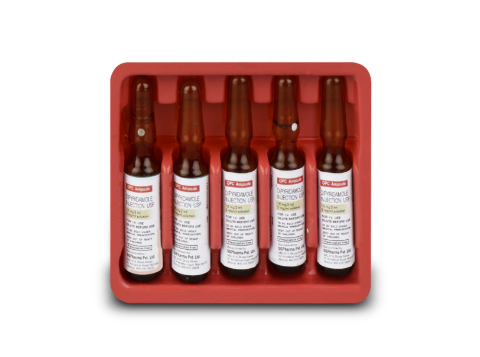
Persantine
Persantine Tablets: Buy With Prescription Basics and Safety
Price:
$172.99
You save


Persantine is a brand name for dipyridamole, an oral prescription medicine that affects platelet activity and blood vessel tone. This page summarizes key points people often look for when searching Persantine price, including how the medication is used, basic dosing patterns, and safety considerations. It also outlines storage, interaction risks, and practical access factors to review with a clinician.
What Persantine Is and How It Works
Persantine (dipyridamole) is generally described as an antiplatelet (helps reduce platelets sticking together) with vasodilator effects (can widen blood vessels). In the US, dipyridamole tablets have been used as an adjunct (add-on) to anticoagulant therapy in certain patients with prosthetic (artificial) heart valves to help lower the risk of thromboembolism (clot-related blockage). Prescription details may be confirmed with the prescriber when required as part of a referral-based process.
Some patients explore Ships from Canada to US as part of cross-border fulfilment considerations, depending on eligibility and jurisdiction. At a medication level, dipyridamole can increase levels of signaling molecules inside platelets (such as cyclic AMP) and may influence adenosine activity, which can reduce platelet aggregation in some settings. The overall effect may help reduce clot formation risk in select indications when used as directed by the prescriber.
Persantine is not the same product as the extended-release dipyridamole plus aspirin combination used for some stroke-prevention regimens; tablet formulations and indications can differ. Dispensing is completed by licensed third-party pharmacies where permitted, which helps ensure medications are supplied under appropriate pharmacy standards.
Why it matters: Dipyridamole products are not interchangeable across all formulations.
Who It’s For
Clinicians may prescribe dipyridamole tablets for specific cardiovascular indications, including as add-on therapy in patients with prosthetic heart valves who also take an anticoagulant, when that approach is appropriate. In practice, the decision often reflects the patient’s clotting risk, bleeding risk, other medications, and comorbidities such as coronary artery disease or a prior history of thromboembolic events.
It may be inappropriate for people with active bleeding or conditions where bleeding risk is unacceptably high. Caution may also be needed in people with low blood pressure, unstable chest pain, or certain heart rhythm or coronary conditions, because vasodilator effects can worsen symptoms in susceptible patients. For broader navigation, you can browse related options in the Cardiovascular Products hub, or review condition context in the Stroke Hub (a browseable list of relevant therapies and topics).
Dosage and Usage
Persantine oral tablets are taken by mouth on a schedule set by the prescriber. Dosing frequency for dipyridamole tablets is commonly multiple times per day for labeled uses, but the exact regimen depends on indication, strength, and the rest of the antithrombotic plan (for example, whether an anticoagulant is also used). Swallow tablets with water, and try to take doses consistently to avoid missed doses.
If you see Persantine price listed across strengths, it helps to confirm which tablet strength and daily schedule your prescription specifies, since those details affect how much medicine is taken per day. Do not change your dosing schedule without the prescriber’s direction, and do not stop antithrombotic medicines abruptly unless you have been told to do so.
- Timing consistency: take at regular intervals
- Missed dose: follow prescriber instructions
- Procedures planned: tell your clinician early
- New symptoms: report promptly
Quick tip: Keep an updated medication list for appointments and emergencies.
Strengths and Forms
Persantine is supplied as an immediate-release oral tablet. Dipyridamole tablets may be available in several strengths, including 25 mg, 50 mg, and 75 mg, depending on the product and market supply. Availability can vary by jurisdiction and by the pharmacy source, and tablet appearance (color, imprint) may differ between manufacturers.
When comparing Persantine price across listings, confirm whether the product is the brand or the generic equivalent (dipyridamole), because the active ingredient is the same but the manufacturer and tablet identifiers can differ. For more cardiovascular medication education and topic browsing, the Cardiovascular Articles hub collects related guides and updates.
Storage and Travel Basics
Store dipyridamole tablets according to the label instructions, typically at controlled room temperature and protected from excessive heat and moisture. Keep tablets in the original container unless a pharmacist has provided an approved alternate package. Always store medicines out of reach of children and pets, and avoid using tablets past the expiration date.
For travel, carry medications in your hand luggage when possible, along with a copy of the prescription label or a clinician note if you are crossing borders. Plan for time zone changes so doses remain evenly spaced, and keep a few extra doses in case travel is disrupted. While written for another medication class, the checklist approach in How To Travel can help you think through documentation, packing, and contingencies.
Side Effects and Safety
Like many antiplatelet-adjacent therapies, dipyridamole can cause side effects that range from mild to serious. Commonly reported effects include headache, dizziness, nausea, stomach upset, flushing, or weakness. These symptoms may be more noticeable when starting treatment, or when combined with other medicines that lower blood pressure or affect blood flow.
More serious concerns can include signs of bleeding (such as unusual bruising, black stools, vomiting blood, or prolonged bleeding), severe chest pain, fainting, or an allergic reaction (hives, swelling, trouble breathing). If you are evaluating Persantine price while also reviewing safety, keep in mind that bleeding risk is driven mainly by the full antithrombotic regimen (for example, concurrent anticoagulants or antiplatelets) rather than by cost factors. Seek urgent medical care for severe symptoms, and discuss ongoing monitoring needs with your clinician.
Why it matters: New bleeding symptoms should be treated as time-sensitive.
Drug Interactions and Cautions
Dipyridamole can interact with other medicines that affect clotting or blood pressure. Combinations with anticoagulants, aspirin, NSAIDs (nonsteroidal anti-inflammatory drugs), or other antiplatelet agents can increase bleeding risk, so clinicians often weigh the benefit-risk balance carefully. Certain blood pressure medicines may add to dizziness or lightheadedness in some patients.
Persantine price comparisons should not replace an interaction review, because interaction risk is independent of the product’s listed amount. Important cautions include planned surgery or dental procedures, a history of bleeding disorders, and symptoms of chest pain that could worsen with vasodilation. Dipyridamole can also influence responses to adenosine (a drug sometimes used in cardiology), so patients should ensure their care team knows they take it before stress testing or rhythm-related treatment.
- Blood thinners: higher bleeding risk
- NSAIDs: add bleeding potential
- Antihypertensives: dizziness may increase
- Adenosine: effects may be altered
Compare With Alternatives
For clot-risk management, clinicians may consider different antithrombotic strategies depending on the indication. Alternatives may include anticoagulants (such as warfarin for certain valve indications), antiplatelet agents like aspirin, or P2Y12 inhibitors (a platelet-receptor blocker class) such as ticagrelor or prasugrel in other cardiovascular scenarios. The best choice depends on why therapy is needed, bleeding risk, and whether a device (like a prosthetic valve) is present.
If your research includes Persantine price, it can help to discuss therapeutic equivalence with a clinician: immediate-release dipyridamole tablets are not the same as extended-release dipyridamole/aspirin products used for some secondary stroke prevention plans, and they are not interchangeable without prescriber input. For reference when reviewing other antiplatelet options, see Brilinta Details and Prasugrel Details (product pages), then compare mechanisms and monitoring requirements with your prescriber.
Pricing and Access
Out-of-pocket amounts for prescription medicines can vary based on the prescribed strength, quantity, brand versus generic selection, and local pharmacy sourcing. Coverage also differs by plan, including deductibles, formulary status, and prior authorization rules. If you are focused on Persantine price, ask the dispensing pharmacy and your insurer which dipyridamole product is covered and whether substitutions are permitted under your prescription.
Some people paying without insurance look for cash-pay considerations such as generic availability, tablet strength, and refill cadence. Educational resources like Out Of Pocket Cost, Low Income Medication Options, and Low Income Prescription Help outline general planning steps that can also apply to cardiovascular prescriptions. As a prescription referral platform, CanadianInsulin may coordinate prescription verification, while dispensing and fulfilment are handled by licensed third-party pharmacies where permitted.
Access decisions should also include safety checks: confirm the tablet’s manufacturer, appearance, and labeling, and avoid sources that bypass prescription requirements. The overview in Illegal Weight Loss Pills focuses on another category, but its counterfeit warning signs are broadly relevant to many medicines. If available for your situation, you can also review non-time-limited updates on the Promotions Page to understand what informational programs exist, without relying on assumptions about eligibility.
Authoritative Sources
For US prescribing details and labeling context, see: DailyMed dipyridamole listings.
For consumer-friendly safety information, see: MedlinePlus dipyridamole information.
For cardiovascular and stroke prevention guidance background, see: American Heart Association resources.
When fulfilment is permitted, handling may involve prompt, express, cold-chain shipping based on medication requirements.
This content is for informational purposes only and is not a substitute for professional medical advice.
Express Shipping - from $25.00
Shipping with this method takes 3-5 days
Prices:
- Dry-Packed Products $25.00
- Cold-Packed Products $35.00
Standard Shipping - $15.00
Shipping with this method takes 5-10 days
Prices:
- Dry-Packed Products $15.00
- Not available for Cold-Packed products
What is Persantine used for?
Persantine is a brand name for dipyridamole, a prescription medicine that can reduce platelet clumping and has vasodilator effects. Oral dipyridamole tablets have been used as an add-on to anticoagulant therapy in certain patients with prosthetic heart valves to reduce the risk of clot-related complications. In other care plans, dipyridamole may appear in different formulations (such as combination products), which are not interchangeable with immediate-release tablets. The right use depends on the diagnosis and the full antithrombotic regimen.
Is Persantine the same as dipyridamole?
Yes. Persantine is a brand name; dipyridamole is the generic (active ingredient). Brand and generic products contain the same active drug but may differ in inactive ingredients, tablet appearance, and manufacturer. These differences usually do not change how the medicine works, but they can matter for people with certain allergies or sensitivities. It is also important to distinguish immediate-release dipyridamole tablets from extended-release or combination formulations, which can have different indications and dosing schedules.
How should I take Persantine tablets?
Take Persantine exactly as prescribed by your clinician. Dipyridamole tablets are typically taken by mouth on a regular schedule, often multiple times per day depending on the indication and the prescribed strength. Swallow tablets with water and try to keep doses evenly spaced. If you miss a dose, follow the instructions provided by your prescriber or pharmacist rather than doubling up. Do not start, stop, or change other blood-thinning medicines without clinical guidance.
What side effects should I watch for while taking dipyridamole?
Common side effects can include headache, dizziness, flushing, nausea, or stomach discomfort. Some effects relate to vasodilation and may be more noticeable when starting therapy or when combined with blood pressure medicines. More serious concerns include signs of bleeding (unusual bruising, black stools, vomiting blood), severe chest pain, fainting, or allergic reactions. If you are on other antithrombotic drugs, overall bleeding risk may be higher. Seek urgent care for severe symptoms and discuss monitoring plans with your clinician.
Can Persantine be taken with blood thinners or aspirin?
In some situations, clinicians prescribe dipyridamole alongside other antithrombotic medicines, but combinations can increase bleeding risk. Whether Persantine is appropriate with an anticoagulant (such as warfarin) or with antiplatelet agents (such as aspirin) depends on the indication, the patient’s bleeding risk, and the overall treatment strategy. Always tell your care team about every prescription, OTC pain reliever, and supplement you take. This helps prevent duplication of therapy and reduces avoidable interaction risks.
What should I ask my clinician before starting Persantine?
Ask why dipyridamole is being recommended for your specific condition and how it fits with any anticoagulant or antiplatelet therapy you already use. Confirm the intended formulation (immediate-release tablet versus other dipyridamole products), the dosing schedule, and what to do if a dose is missed. Discuss procedure planning (surgery or dental work), bleeding history, and warning signs that need urgent evaluation. It also helps to ask which OTC pain relievers are safest, since some increase bleeding risk.
Rewards Program
Earn points on birthdays, product orders, reviews, friend referrals, and more! Enjoy your medication at unparalleled discounts while reaping rewards for every step you take with us.
You can read more about rewards here.
POINT VALUE
How to earn points
- 1Create an account and start earning.
- 2Earn points every time you shop or perform certain actions.
- 3Redeem points for exclusive discounts.
You Might Also Like
Select options
This product has multiple variants. The options may be chosen on the product page
Select options
This product has multiple variants. The options may be chosen on the product page
Select options
This product has multiple variants. The options may be chosen on the product page
Select options
This product has multiple variants. The options may be chosen on the product page
Related Articles
Type 2 Diabetes,
Liraglutide Vs Semaglutide Comparison Guide For Patients
Key Takeaways People searching liraglutide vs semaglutide usually want a practical comparison, not a slogan. The most useful differences involve formulation, schedule, approved uses, side effect patterns, and the paperwork…
Weight Management
Generic Zepbound: Availability, Status, and Options
Key Takeaways Patients and caregivers often search for generic zepbound when they need a clear answer about availability, labeling, and lower-cost access. The term is common online, but it does…
Type 2 Diabetes,
Oral Wegovy Explained: Facts, Risks, and Access Options
The phrase oral wegovy is best understood as a search term, not a settled product name. Most people use it to mean a pill version of semaglutide for weight management,…
Diabetes, General Health,
Glp-1 Drugs Over The Counter: What’s Real And What’s Not
Key Takeaways Prescription GLP-1 medicines are not sold as true OTC drugs. Many “GLP-1” supplements aim to support fullness, not mimic prescriptions. Online “no prescription” offers raise counterfeit and quality…