
Please note: a valid prescription is required for all prescription medication.
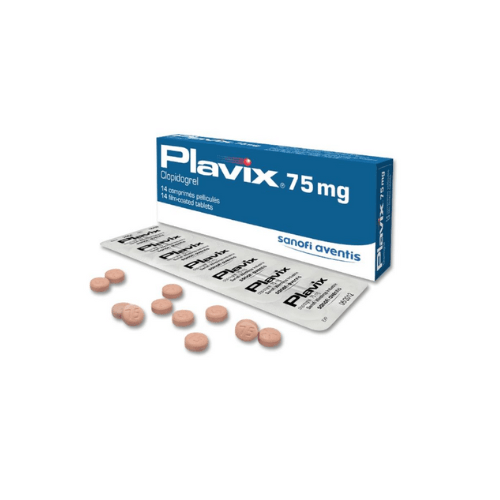
Plavix
Buy Plavix 75 mg Online


Plavix is a brand-name antiplatelet medicine containing clopidogrel, used to help keep blood platelets from clumping together. You can buy Plavix online, view the current Plavix 75 mg price, and choose the tablet strength and quantity that match the directions from your clinician. Customers using US delivery from Canada should keep the medicine name, strength, and tablet count consistent across the order and their treatment records.
Plavix 75 mg tablets are commonly prescribed for people who need help reducing the risk of certain clot-related cardiovascular events. The same tablet strength may be used in different clinical situations, so the order should follow your own care plan rather than a general use description. If the product name, strength, or brand-generic wording differs from your medication record, ask a healthcare professional to clarify before purchasing.
Plavix 75 mg Price and Tablet Selection
The Plavix 75 mg price shown during ordering reflects the tablet strength, quantity, and product name chosen at checkout. A larger tablet count may change the total, and brand Plavix may be priced differently from clopidogrel tablets. Focus on the complete order total and the exact medicine name instead of relying only on a single-tablet estimate.
Plavix cost can vary for cash-pay customers because supply source, manufacturer, and quantity all affect the final amount. If you are comparing Plavix without insurance, keep the comparison practical: match the 75 mg strength, tablet form, and quantity first, then review the total. The broader Cardiovascular Products category can help you recognize related heart and circulation medicines, but those products should not replace clopidogrel unless your clinician changes your regimen.
| Order Detail | What to Match | Why It Matters |
|---|---|---|
| Medicine name | Plavix or clopidogrel | Brand and generic wording may appear separately. |
| Strength | 75 mg tablets | The strength should align with the directions you follow. |
| Quantity | Tablet count for the refill period | Quantity affects the order total and refill planning. |
| Directions | Clinician instructions | The purchase should support the plan already provided to you. |
Quick tip: Match the medicine name and 75 mg strength before comparing totals.
How to Order Plavix Online
To order Plavix online, choose the tablet strength and quantity shown during checkout, then enter the patient and order information accurately. The name on the order should match the person using the medicine. Keep a current medication list nearby so the Plavix order does not get confused with other cardiovascular products.
For Plavix US shipping from Canada, use consistent patient information and the same product name used in your records. We may review order details when clarification is needed, especially if brand and generic names appear together. This review is not a dose assessment, and checkout should not be used to change how the medicine is taken.
Before submitting, look for mismatches between Plavix tablets and clopidogrel tablets. If your treatment record specifies brand Plavix, do not switch to generic clopidogrel only because the price looks lower. If clopidogrel is the medicine name in your records, make sure the order still refers to clopidogrel 75 mg tablets and not another heart medicine.
Brand Plavix and Generic Clopidogrel
Plavix is the brand name, and clopidogrel is the generic name. Labels may also use the term clopidogrel bisulfate 75 mg, which refers to the salt form used for the active ingredient. These names can look different, but the customer-facing decision is still whether the order should be for brand Plavix or clopidogrel tablets.
The generic Plavix price may differ from the brand price because products can come from different manufacturers and supply channels. A lower total does not automatically mean it is the correct choice for your treatment plan. When brand and generic choices both appear, match the wording used by your healthcare team.
Clopidogrel belongs to a group of medicines called P2Y12 inhibitors. These are antiplatelet medicines, meaning they reduce platelet activity rather than lowering cholesterol or blood pressure. That distinction matters because other cardiovascular medicines may be used alongside Plavix but do not perform the same role.
What Plavix 75 mg Is Used For
Plavix 75 mg uses include lowering the risk of certain clot-related events in people with recent heart attack, recent ischemic stroke, or established peripheral arterial disease. It is also used in some acute coronary syndrome treatment plans. The reason you take it should come from your diagnosis and clinician-directed plan.
If your treatment follows a Heart Attack or Ischemic Stroke, the purpose is usually secondary prevention, which means reducing risk after a serious cardiovascular event. People with Peripheral Artery Disease may also receive antiplatelet therapy because narrowed arteries can increase clot-related risk. The same 75 mg tablet can appear in different care plans, so the condition alone should not determine how you order or take it.
Plavix is not aspirin. Aspirin affects platelets through a different pathway, while clopidogrel must be activated in the body and then blocks a platelet receptor. Some people are instructed to take both, but combined antiplatelet therapy can increase bleeding risk and should be followed only as directed by a healthcare professional.
How Clopidogrel Works in the Body
Clopidogrel helps reduce platelet clumping, which can lower the chance of certain unwanted clots forming in blood vessels. It is a prodrug, meaning the body must convert it into an active form before it works fully. This activation happens partly through a liver enzyme called CYP2C19.
The official Plavix label includes a boxed warning about reduced effectiveness in people with poor CYP2C19 function. Some people have genetic differences that reduce activation of clopidogrel, and some medicines can also interfere with that process. If you have been told you are a CYP2C19 poor metabolizer, or if your clinician ordered genetic testing, keep that information with your medication records.
Because clopidogrel affects platelets for their lifespan, stopping suddenly can be important in some situations and risky in others. Surgery, dental procedures, bleeding events, and new medicines should be discussed with the healthcare professional managing your antiplatelet therapy. Do not use an online order decision to start, stop, or change clopidogrel.
Storage, Refills, and Handling
Store Plavix tablets at room temperature, away from excess heat, moisture, and direct light. Keep tablets in the labeled container so the medicine name, strength, and directions remain visible. Do not combine Plavix with other tablets in one bottle, especially if you use several heart or circulation medicines.
Plavix tablets do not require refrigeration. The main handling priorities are intact packaging, readable labeling, and enough supply to follow your established refill schedule. If you travel, keep the labeled container with you and avoid leaving tablets in a hot vehicle or damp bathroom.
Refill planning is especially important with antiplatelet therapy because gaps may matter for some people. Count tablets before you run low, and compare your supply with your usual refill timing. If you miss doses often or are unsure whether to restart after a missed dose, contact a healthcare professional instead of guessing.
Side Effects, Warnings, and Monitoring
Plavix 75 mg side effects often relate to bleeding because the medicine reduces platelet activity. Common concerns can include easy bruising, nosebleeds, longer bleeding from cuts, stomach upset, diarrhea, itching, or rash. Report new, persistent, or worsening effects to a healthcare professional, especially if you also take other medicines that affect bleeding.
Serious bleeding requires urgent medical attention. Warning signs include black or bloody stools, vomiting blood, coughing blood, blood in the urine, severe headache, sudden weakness, vision changes, confusion, or bleeding that does not stop. Rarely, clopidogrel has been associated with thrombotic thrombocytopenic purpura, or TTP, a serious blood disorder that can involve fever, weakness, bruising, and neurologic symptoms.
Plavix should not be used in people with active pathological bleeding, such as a bleeding stomach ulcer or bleeding inside the brain. It should also be avoided by people with a serious allergy to clopidogrel or any product component. Tell a healthcare professional about recent major bleeding, planned surgery, dental work, liver concerns, pregnancy, breastfeeding, or any history of bleeding disorders.
Why it matters: Bleeding risk can change when procedures, injuries, or other medicines are involved.
Interactions to Check Before Ordering
Plavix interactions are important because some medicines raise bleeding risk, while others may reduce clopidogrel activation. Blood thinners, aspirin, nonsteroidal anti-inflammatory drugs, selective serotonin reuptake inhibitors, and serotonin-norepinephrine reuptake inhibitors may increase bleeding risk. Over-the-counter pain relievers and supplements should be included when you update your medication list.
Omeprazole and esomeprazole can reduce formation of clopidogrel’s active metabolite and are generally avoided with clopidogrel unless a clinician has reviewed the situation. Other stomach-acid medicines may not have the same effect, but substitution should be handled by a healthcare professional. Do not add or stop an acid-reducing medicine only because you are placing an order.
Bring up unexplained bruising, repeated nosebleeds, recent emergency care for bleeding, or a new anticoagulant prescription before continuing long-term antiplatelet therapy. If you read about cardiovascular treatment decisions in the Cardiovascular Articles section, use that information for discussion rather than self-adjustment. Personal risk depends on diagnosis, procedures, other medicines, and bleeding history.
Related Cardiovascular Therapy Choices
Plavix is an antiplatelet medicine, not a cholesterol-lowering drug, blood pressure medicine, or diuretic. Many people with cardiovascular disease take more than one medicine, but each product has a different purpose. Matching the correct product name during ordering helps prevent errors when several medications appear in the same treatment plan.
After a cardiovascular event, therapy may include medicines for cholesterol, blood pressure, diabetes, or symptom control. Those treatments may support broader heart and vascular care, but they do not replace clopidogrel’s antiplatelet action. Keep bottles separated and labeled clearly if tablets look similar or refill dates overlap.
When comparing Plavix cost with other medicines, avoid using condition names alone to choose products. Heart attack, ischemic stroke, and peripheral artery disease care can involve different combinations depending on individual risk. If you are unsure why Plavix appears in your regimen, ask your clinician to explain its role before changing related therapy.
Authoritative Sources
Official prescribing information: FDA Plavix Label.
Patient-focused drug overview: Cleveland Clinic Clopidogrel Tablets.
These sources support the key points on clopidogrel uses, bleeding risk, CYP2C19 warning language, contraindications, and interaction cautions. Product choices should still be matched to your own clinician instructions and medication records.
This content is for informational purposes only and is not a substitute for professional medical advice.
Blood Pressure Average Calculator
Average home blood pressure readings and show a simple screening range.
Average BP
-
entered readings only
Range
-
screening category
These calculations are for education only and do not replace clinical advice, diagnosis, or treatment. Always confirm medical decisions with a qualified healthcare professional.
Mean Arterial Pressure Calculator
Calculate estimated mean arterial pressure from systolic and diastolic blood pressure.
MAP
-
DBP + one-third pulse pressure
These calculations are for education only and do not replace clinical advice, diagnosis, or treatment. Always confirm medical decisions with a qualified healthcare professional.
Pulse Pressure Calculator
Calculate pulse pressure from systolic and diastolic blood pressure.
Pulse pressure
-
SBP - DBP
These calculations are for education only and do not replace clinical advice, diagnosis, or treatment. Always confirm medical decisions with a qualified healthcare professional.
Cholesterol Ratio Calculator
Calculate common lipid ratios and non-HDL cholesterol from a standard cholesterol panel.
Total / HDL
-
cholesterol ratio
LDL / HDL
-
lipid ratio
Non-HDL
-
total minus HDL
These calculations are for education only and do not replace clinical advice, diagnosis, or treatment. Always confirm medical decisions with a qualified healthcare professional.
LDL Cholesterol Calculator
Estimate LDL cholesterol from total cholesterol, HDL, and triglycerides using the Friedewald equation.
Estimated LDL
-
Friedewald estimate
Non-HDL
-
total minus HDL
These calculations are for education only and do not replace clinical advice, diagnosis, or treatment. Always confirm medical decisions with a qualified healthcare professional.
Express Shipping - from $29.99
Shipping with this method takes 3-5 days
Prices:
- Dry-Packed Products $29.99
- Cold-Packed Products $39.99
Standard Shipping - $19.99
Shipping with this method takes 5-10 days
Prices:
- Dry-Packed Products $19.99
- Not available for Cold-Packed products
What is Plavix 75 mg used for?
Plavix 75 mg is used to help reduce the risk of certain clot-related cardiovascular events, including in people with recent heart attack, recent ischemic stroke, or established peripheral arterial disease. It may also be used in some acute coronary syndrome treatment plans. Your own reason for taking it should come from your clinician’s diagnosis and directions.
Is Plavix the same as clopidogrel?
Plavix is the brand name, and clopidogrel is the generic name for the active ingredient. Labels may also say clopidogrel bisulfate 75 mg. Brand and generic choices should match the wording used in your treatment records.
What affects the Plavix 75 mg price?
The Plavix 75 mg price can vary by quantity, brand or generic selection, manufacturer, and supply source. Compare the full order total and make sure the medicine name, strength, and tablet count match your needs before purchasing.
What are common Plavix side effects?
Common Plavix side effects may include easy bruising, nosebleeds, longer bleeding from cuts, stomach upset, diarrhea, itching, or rash. Serious bleeding symptoms, such as black stools, vomiting blood, sudden weakness, severe headache, or bleeding that will not stop, need urgent medical attention.
Which medicines can interact with Plavix?
Medicines that can interact with Plavix include blood thinners, aspirin, NSAID pain relievers, some antidepressants, and acid reducers such as omeprazole or esomeprazole. Keep an updated list of prescription medicines, over-the-counter products, and supplements for clinician review.
Rewards Program
Earn points on birthdays, product orders, reviews, friend referrals, and more! Enjoy your medication at unparalleled discounts while reaping rewards for every step you take with us.
You can read more about rewards here.
POINT VALUE
How to earn points
- 1Create an account and start earning.
- 2Earn points every time you shop or perform certain actions.
- 3Redeem points for exclusive discounts.
You Might Also Like
Select options
This product has multiple variants. The options may be chosen on the product page
Select options
This product has multiple variants. The options may be chosen on the product page
Select options
This product has multiple variants. The options may be chosen on the product page
Select options
This product has multiple variants. The options may be chosen on the product page