
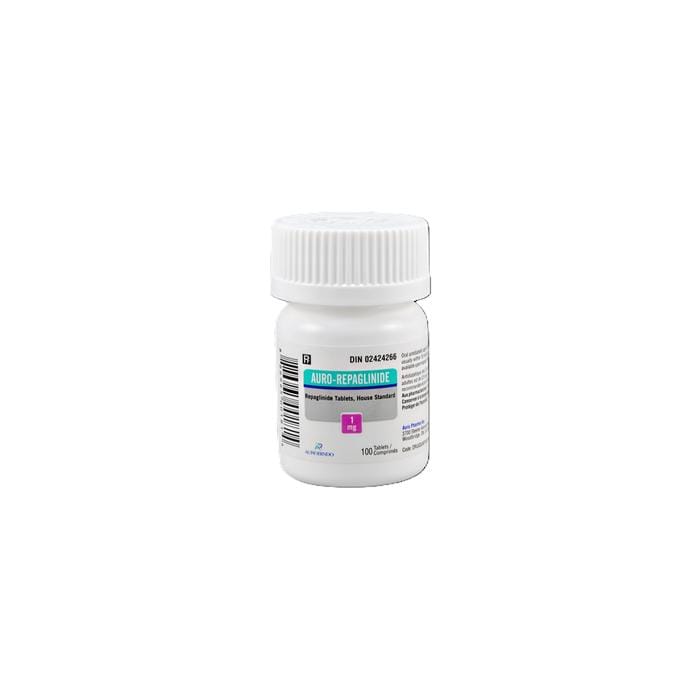
A valid prescription is required for this medication.
Compare prices. See your savings.
 US comparison
Buy Repaglinide Online
Rx Prescription required Fast, secure shipping
Health tools
Research and education tools. They do not replace clinical advice, diagnosis, or treatment.
Blood Glucose Unit Converter
Convert glucose readings between mg/dL and mmol/L without changing the clinical value.
These calculations are for education only and do not replace clinical advice, diagnosis, or treatment. Always confirm medical decisions with a qualified healthcare professional.
HbA1c & eAG Calculator
Convert between HbA1c percentage and estimated average glucose using the ADAG relationship.
These calculations are for education only and do not replace clinical advice, diagnosis, or treatment. Always confirm medical decisions with a qualified healthcare professional.
HOMA-IR Calculator
Estimate insulin resistance from fasting glucose and fasting insulin values collected from the same blood draw.
These calculations are for education only and do not replace clinical advice, diagnosis, or treatment. Always confirm medical decisions with a qualified healthcare professional.
Carb Serving Calculator
Convert total carbohydrate grams into carb choices for meal planning and diabetes education.
These calculations are for education only and do not replace clinical advice, diagnosis, or treatment. Always confirm medical decisions with a qualified healthcare professional.
CGM Time-in-Range Summary
Summarise CGM percentages across very low, low, in-range, high, and very high glucose bands.
These calculations are for education only and do not replace clinical advice, diagnosis, or treatment. Always confirm medical decisions with a qualified healthcare professional.
About Repaglinide
Repaglinide is an oral tablet medicine used for adults with type 2 diabetes when mealtime blood sugar control is part of the treatment plan. You can buy Repaglinide online, view the current price, and choose the tablet strength and quantity that match the directions from your clinician. Repaglinide tablets are short acting, so meal timing, dose strength, and glucose monitoring are especially important.
This medicine belongs to the meglitinide class, a group of insulin secretagogues that stimulate the pancreas to release insulin. It is different from long-acting insulin, metformin, and SGLT2 inhibitors, so it should not be substituted for another diabetes medicine without clinical direction. If you are arranging US delivery from Canada, match the tablet strength, quantity, name, and instructions before completing the order.
Repaglinide Price and Tablet Selection
Repaglinide price should be read together with strength and tablet count. A lower displayed amount may reflect a smaller supply, a different strength, or a different quantity. Repaglinide 0.5 mg tablets, Repaglinide 1 mg tablets, and Repaglinide 2 mg tablets are not interchangeable unless your clinician has specifically directed a change.
Repaglinide cost comparisons are most useful when you calculate the total supply against your directions. A bottle count does not show how often the medicine is taken, and the tablet strength shows the amount of active ingredient in each tablet, not the daily amount. If you are reviewing Repaglinide cost without insurance, use the amount shown at checkout and the actual quantity being ordered rather than assuming an insurance plan rate.
- Strength: Choose 0.5 mg, 1 mg, or 2 mg only when that strength matches your instructions.
- Quantity: Compare tablet count with how many tablets you use over the intended supply period.
- Form: Confirm oral tablets, not another diabetes medication, device, or injectable product.
- Label match: The active ingredient, strength, and written directions should all align.
Quick tip: If your clinician changes the strength, update the ordered strength instead of splitting or combining tablets unless you were told to do so.
For broader browsing after you choose the correct strength, the Non Insulin Diabetes Medications category groups other oral and non-insulin therapies used in diabetes care.
How to Order Repaglinide Online
To order Repaglinide online, start with the medicine name, tablet strength, and quantity your clinician recommended. Add the matching strength and count to the cart, enter the required order information, and review the final details before payment. If the strength or quantity does not match your current directions, pause and clarify the order before using a new supply.
Customers comparing Repaglinide from Canada should also review the destination address and handling notes before checkout. Tablets generally have simpler handling requirements than refrigerated insulin products, but packaging, temperature exposure, moisture, and accurate delivery information still matter. The phrase prompt, express, cold-chain shipping may appear in store logistics language for broader medication handling, but Repaglinide tablets should be stored according to their own label.
Cash-pay customers often focus on the displayed amount, tablet count, and refill interval. Repaglinide cash pay decisions should still be tied to the exact strength and directions because a different dosing pattern can change the true monthly cost. Do not switch to another diabetes medicine only because its tablet count or visible amount looks different.
What Repaglinide Treats
Repaglinide for type 2 diabetes helps lower blood glucose around meals. It works by encouraging insulin release from functioning pancreatic beta cells, which is why food timing is central to safe use. Your care plan may also include diet, physical activity, weight management, and glucose monitoring.
Repaglinide is not used for type 1 diabetes or diabetic ketoacidosis. Those conditions require different clinical management because the body either does not make enough insulin or is in an acute metabolic emergency. If your diagnosis, meal pattern, or other diabetes medicines have changed, ask your clinician whether this medication still fits your plan.
People browsing by condition can use the Type 2 Diabetes section for related treatment categories. The broader Diabetes area also organizes products and education for different diabetes care needs.
Tablet Strengths and Mealtime Use Basics
Repaglinide oral tablet strengths are commonly listed as 0.5 mg, 1 mg, and 2 mg. The strength is the amount of repaglinide in each tablet. It does not tell you when to take the medicine, how many tablets to use, or whether the medicine is right for your current glucose pattern.
| Strength | Practical ordering check |
|---|---|
| Repaglinide 0.5 mg tablets | Lower-strength tablets; match the exact strength and tablet count to current directions. |
| Repaglinide 1 mg tablets | Middle-strength tablets; review whether the quantity supports the intended supply period. |
| Repaglinide 2 mg tablets | Higher-strength tablets; verify the label carefully before starting a new bottle. |
Because Repaglinide is tied to meals, instructions often describe when to take it in relation to eating. Do not add extra tablets to correct a high reading, take tablets when skipping a meal, or change the amount unless your clinician has explained that plan. Meal timing questions should be handled before travel, fasting, illness, or schedule changes.
The Diabetes Medications category can help place Repaglinide among other treatment types, but product categories do not replace individualized dosing instructions.
Generic and Brand Context
Generic Repaglinide contains the same active ingredient associated with the brand Prandin. Many customers search for Prandin generic when they are looking for repaglinide tablets. Brand names, generic naming, and product availability can vary by country, so the key buying decision is whether the ordered active ingredient, strength, and directions match your clinician’s plan.
Repaglinide is not a generic form of metformin, sulfonylureas, GLP-1 medicines, or SGLT2 inhibitors. It is a meglitinide, and its short duration makes mealtime use a central feature. If your clinician discusses a change from one diabetes class to another, ask how blood sugar monitoring, meal timing, hypoglycemia risk, and side effects may change.
For general category browsing, Diabetes Products groups diabetes supplies and medicines in one area. For education by topic, the Type 2 Diabetes Articles section includes patient-focused reading that can support conversations with your care team.
Side Effects, Warnings, and Monitoring
The most important safety concern with Repaglinide medication is hypoglycemia, or low blood sugar. Symptoms may include sweating, shakiness, fast heartbeat, hunger, dizziness, weakness, confusion, or headache. Severe low blood sugar can cause fainting, seizure, or loss of consciousness and needs urgent medical attention.
Low blood sugar risk can rise when meals are skipped, food intake changes, alcohol intake increases, physical activity changes, or another glucose-lowering medicine is added. Some people may also notice upper respiratory symptoms, joint pain, nausea, or diarrhea. Report persistent or severe symptoms to a clinician, especially if glucose readings are changing.
Repaglinide has important restrictions and interaction risks. The official labeling lists use with gemfibrozil as contraindicated. Other medicines may affect repaglinide levels or glucose response, including some antibiotics, antifungals, seizure medicines, rifampin, cyclosporine, clopidogrel, and other diabetes treatments. Beta blockers may make some warning signs of low blood sugar harder to recognize.
- Do not use for: Type 1 diabetes or diabetic ketoacidosis.
- Important interaction: Gemfibrozil is a key contraindicated medicine in the product labeling.
- Use caution: Liver disease, frailty, irregular meals, and alcohol use can affect safety planning.
- Seek urgent help: Severe low blood sugar, fainting, allergic swelling, or breathing trouble requires immediate care.
Monitoring usually includes home glucose readings, A1C testing, and review of meal patterns. Kidney and liver health, weight changes, activity level, and other medicines may also affect treatment decisions. Bring an updated list of prescription drugs, over-the-counter medicines, and supplements to each diabetes appointment.
Why it matters: The safest order is the one that matches both the strength and your current medication list.
Storage, Handling, and Travel
Repaglinide tablets are generally stored at room temperature, away from excessive heat, moisture, and direct light. Keep tablets in the original labeled container when possible. Bathrooms, parked vehicles, and damp storage areas can expose tablets to changing conditions.
For travel, keep Repaglinide in carry-on luggage with the label visible. This helps with identification during airport screening, border checks, hotel stays, or emergency care. If you use a pill organizer, make sure you can still identify the medicine, strength, and directions.
After delivery, inspect the outer package, bottle, and label before use. Do not take tablets that appear damaged, discolored, wet, or different from what was ordered. If the label does not match the intended strength or directions, get clarification before taking a dose.
How Repaglinide Compares With Other Diabetes Medicines
Repaglinide is a non-insulin diabetes medicine, but it is not used like every other oral tablet. Metformin mainly reduces liver glucose production and improves insulin sensitivity. SGLT2 inhibitors help the kidneys remove glucose through urine. Sulfonylureas also stimulate insulin release, but their timing and duration are different from meglitinides.
These differences matter when you compare Repaglinide price with other therapies. A medicine taken once daily, with meals, or under a different monitoring plan may have different counseling needs even if it also treats type 2 diabetes. Tablet count alone does not show whether two products are clinically comparable.
Customers who want broader education can browse Diabetes Articles for general diabetes topics. Product browsing under non-insulin therapies may also help you recognize nearby categories before discussing alternatives with a clinician.
Questions to Ask Before Starting a New Supply
Repaglinide is closely connected to meals, so practical questions are important. Ask what to do if you skip a meal, eat much less than usual, become ill, travel across time zones, drink alcohol, or have repeated low readings. Clear instructions can reduce the chance of guessing during real-life schedule changes.
Also ask how often to check glucose, what numbers should prompt a call, and whether any of your other medicines interact with Repaglinide. If another clinician adds a new drug, remind them that you take repaglinide. Interaction checks are especially important when antibiotics, antifungals, cholesterol medicines, antiplatelet medicines, or additional diabetes therapies are prescribed.
Weight expectations should be individualized. Because Repaglinide increases insulin release, some people may gain weight, especially if calories increase to treat or prevent low blood sugar. Diet, activity, other diabetes medicines, and glucose control can all influence weight changes.
Authoritative Sources
The following sources support label-aligned use, safety, storage, contraindication, and interaction information for Repaglinide.
- FDA prescribing information describes indications, strengths, contraindications, warnings, and drug interactions.
- MedlinePlus patient drug information summarizes patient-facing use, storage, side effects, and precautions.
This content is for informational purposes only and is not a substitute for professional medical advice.
This content is for informational purposes only and is not a substitute for professional medical advice.
Two ways to ship
Cold-packed medications travel by Express shipping. Dry-packed medications can ship Express or Standard.
Earn points on every order
Earn points on birthdays, product orders, reviews, friend referrals, and more! Enjoy your medication at unparalleled discounts while reaping rewards for every step you take with us.
Register and/or Login
Create an account and start earning.
Earn Rewards
Earn points every time you shop or perform certain actions.
Redeem
Redeem points for exclusive discounts.
Ways to save
We stand behind our prices
We work hard to offer the very best available price. If you find a lower price on the same product, we will match it.
Learn how →Tiered pricingNew tiered pricing is here
Buy more and save more on the medications you trust: save 7% per pack when you buy 2, and 14% per pack when you buy 3 or more.
See tiered pricing →You might also like
View all →
Related articles
View all →
Continuous Glucose Monitoring: How CGMs Fit Diabetes Care
Continuous glucose monitoring is a way to track glucose throughout the day and night with a small wearable sensor. It matters because…
Read more →
Type 1 Versus Type 2 Diabetes: Symptoms, Causes, and Care
type 1 versus type 2 diabetes comes down to why blood sugar rises. In type 1, the immune system destroys insulin-making cells…
Read more →
Is Zepbound for Diabetes or Weight Loss? Uses and Safety
Zepbound is approved for chronic weight management, not as a diabetes-labeled medicine. The reason people ask is Zepbound for diabetes or weight…
Read more →
National Diabetes Heart Connection Day: Heart Risks and Actions
National Diabetes Heart Connection Day is an awareness day focused on the close link between diabetes and cardiovascular disease. It encourages people…
Read more →Speak to us
Our customer service team are highly experienced and friendly. Get in touch today.
What is Repaglinide used for?
Repaglinide is used for adults with type 2 diabetes to help control blood sugar around meals. It is not used for type 1 diabetes or diabetic ketoacidosis.
What strengths do Repaglinide tablets come in?
Repaglinide tablets are commonly listed as 0.5 mg, 1 mg, and 2 mg strengths. The ordered strength should match the clinician’s directions and the label on the bottle.
Can Repaglinide cause low blood sugar?
Yes. Hypoglycemia is a key safety concern, especially if meals are skipped, activity changes, alcohol intake increases, or another glucose-lowering medicine is added.
Is Repaglinide the same as Prandin?
Repaglinide is the active ingredient associated with the brand Prandin, so many people refer to it as a Prandin generic. Product naming can vary by market.
How should Repaglinide tablets be stored?
Store Repaglinide tablets at room temperature away from excessive heat, moisture, and direct light. Keep them in the labeled container when possible.
Speak to our team
 Call toll free1-844-560-7790
 Emailservice@canadianinsulin.com
Monday to Friday 7am – 11pm EST
Saturday 7am to 7pm EST
Sunday 8am – 5pm EST