
Please note: a valid prescription is required for all prescription medication.
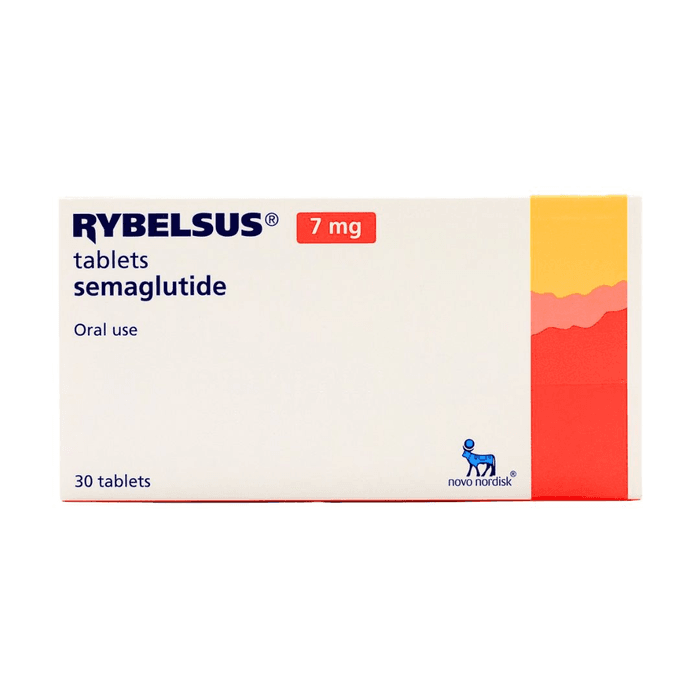
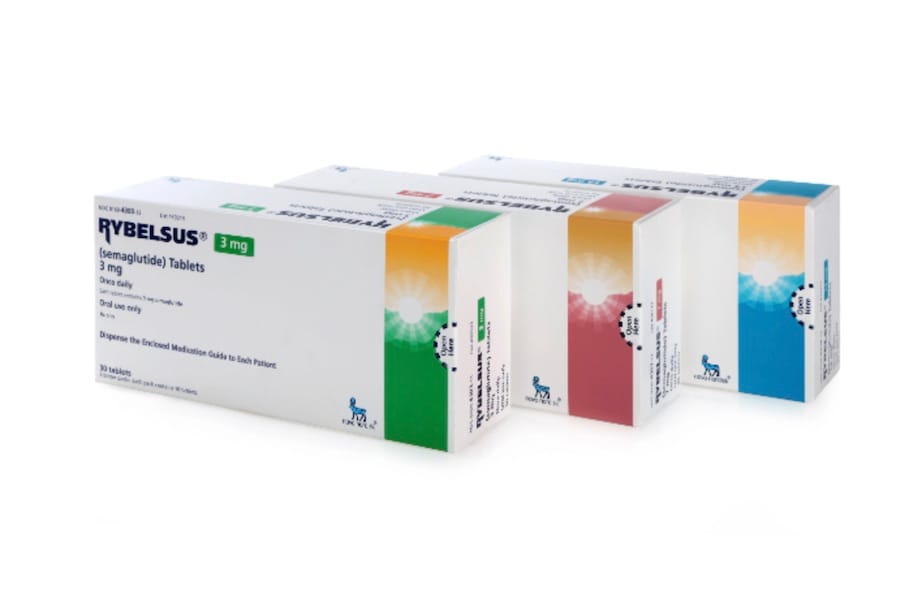
Rybelsus
Rybelsus Tablets: Buy With Prescription Basics
Price:
$297.99
You save


This page helps adults review how to buy Rybelsus through a prescription-based process, what it is used for, and the main safety points to check first. The tablet form of semaglutide is used with diet and exercise to improve blood sugar control in adults with type 2 diabetes. It is a product page for people comparing how to order it, what prescription requirements may apply, and whether the daily tablet routine fits their treatment plan.
Some patients explore US delivery from Canada while reviewing licensed pharmacy pathways, eligibility rules, and prescriber requirements. Before moving ahead, the main screening questions are whether there is any thyroid cancer history, prior pancreatitis, significant stomach symptoms, or another reason an oral GLP-1 may be a poor fit.
How to Buy Rybelsus and What to Know First
This oral GLP-1 receptor agonist (a medicine that helps blood sugar after meals) is used for adults with Type 2 Diabetes. It is used alongside diet and exercise and is not intended for type 1 diabetes or diabetic ketoacidosis. If the goal is to compare medication classes before deciding on a prescription path, browsing other GLP 1 Agonists can help put the tablet in context.
To pursue treatment, a valid prescription is generally required. When required, prescription details may be confirmed with the prescriber before processing. Before pursuing a purchase, it is sensible to review personal or family history of medullary thyroid carcinoma, multiple endocrine neoplasia syndrome type 2, past pancreatitis, severe ongoing nausea or vomiting, and any condition that makes daily fasting dosing difficult.
This medicine can be useful for adults who prefer a tablet over an injection, but convenience cuts both ways. The lack of needles appeals to many patients, yet the morning dosing rules are stricter than with most oral diabetes drugs. It is also important to keep expectations clear: oral semaglutide is prescribed for type 2 diabetes management, and weight change that occurs during treatment does not change the product’s approved role.
In a referral-based process, the main goal is to determine whether the prescription, strength, and safety screening line up before any dispensing step is considered. That is useful for patients who want to compare options carefully instead of treating oral semaglutide as a routine over-the-counter purchase.
Who It’s For and Access Requirements
This option may suit adults with type 2 diabetes who need added glycemic control (blood sugar control) and want a non-injectable route. It can be especially relevant when an oral therapy is preferred, when weekly injections are not appealing, or when a clinician wants a GLP-1 class option without moving straight to a pen device.
It may be a weaker fit when the empty-stomach instructions are unlikely to be followed consistently, when severe gastrointestinal symptoms are already present, or when contraindications apply. A clinician may also review kidney function, retinal eye disease, prior gallbladder problems, and the rest of the diabetes regimen to see whether other Non Insulin Medications already cover the need.
- Likely candidates: adults with type 2 diabetes
- Less suitable: type 1 diabetes or DKA
- Extra review needed: thyroid cancer history or MEN 2
- Practical concern: strict morning timing
- Medication review: insulin, sulfonylureas, oral morning drugs
The access side is partly clinical and partly practical. Because the tablet must be taken on an empty stomach and separated from other morning products, people with irregular shifts, early workouts, or many morning medicines may find the schedule hard to maintain. That does not automatically rule it out, but it is worth thinking through before starting.
Access checks may also involve verifying the prescriber, the intended strength, and any prior therapy history relevant to plan rules. Those steps are meant to clarify fit and compliance, not to promise that every patient will qualify for the same path.
Dosage and Usage
Rybelsus tablets are taken once daily on an empty stomach, usually after waking. The tablet is swallowed whole with no more than 4 ounces of plain water, and at least 30 minutes should pass before food, coffee, juice, other beverages, or additional oral medicines. This timing is not a minor preference; it directly affects how much medicine is absorbed.
Why it matters: Even small changes to timing, water amount, or eating too soon can reduce absorption.
At a high level, treatment often begins with 3 mg once daily for the first 30 days. The usual next label step is 7 mg once daily, and some adults may later increase to 14 mg after at least 30 days on 7 mg if the prescriber decides that more effect is needed. The 3 mg strength is generally used as a starter dose, not as the maintenance strength for blood sugar control.
If a dose is missed, the next dose is usually taken on the following day rather than doubled. Tablets should not be split, crushed, or chewed. When morning schedules are crowded because of thyroid medicine, supplements, or other timed pills, it helps to map out the routine in advance so that one medication does not undermine another.
Patients often ask whether coffee counts, whether the tablet can be taken later in the day, or whether more water improves swallowing. Label-based administration is specific: plain water only, a small amount, and no food or other drinks during the wait period. If the routine feels unrealistic, that is a practical issue to discuss early rather than after repeated missed doses.
- Take first thing: before breakfast
- Water limit: up to 4 ounces
- Wait period: at least 30 minutes
- Tablet handling: swallow whole
- Missed dose: resume next day
Strengths and Forms
This medicine is available as an oral tablet rather than an injectable pen. Rybelsus is supplied in 3 mg, 7 mg, and 14 mg strengths, and the prescribed strength depends on treatment stage, tolerance, and response. Availability may vary by jurisdiction and dispensing pharmacy, so the requested strength may need separate confirmation.
| Strength | Typical label role | Practical note |
|---|---|---|
| 3 mg | Starter phase | Usually the first 30 days |
| 7 mg | Usual maintenance step | Common next strength after starting |
| 14 mg | Higher maintenance option | May be used if more effect is needed |
The strength names matter because they do not signal simple equivalence with injectable semaglutide products. A higher milligram tablet is not interchangeable with a pen dose, and a starter strength should not be treated as if it were the usual long-term dose. Any switch between formulations needs fresh prescribing instructions.
The generic name for the product is semaglutide, often described as semaglutide tablets or an oral semaglutide tablet. A generic name, however, is not the same as a widely available approved generic substitute. In many markets, patients still encounter the branded tablet rather than a direct generic equivalent.
Storage and Travel Basics
Store the tablets at room temperature in the original bottle and protect them from moisture. Keep the cap closed and avoid moving doses into other containers unless the label specifically allows it. Bathrooms, glove boxes, and other humid or hot locations are poor storage spots.
Quick tip: If traveling, keep the original bottle dry and carry the prescription details with the medication list.
Short trips are usually simpler than with injectable diabetes medicines because refrigeration is not normally required. The main handling issues are heat, moisture, and staying consistent with the morning routine across travel days or time-zone changes. For work travel or vacations, keep the tablets in hand luggage rather than checked baggage when possible.
That approach lowers the chance of heat exposure, loss, or a disrupted schedule. Time-zone changes do not usually require complicated math, but consistency with the fasting window still matters, especially when more than one morning medicine is involved.
Side Effects and Safety
The most common side effects are gastrointestinal. Nausea, diarrhea, stomach pain, reduced appetite, vomiting, constipation, and burping can occur, especially early in treatment or after a strength increase. These effects often lessen over time, but they still matter because poor tolerance can reduce hydration, nutrition, and day-to-day consistency.
More serious risks should be reviewed before treatment starts. Oral semaglutide carries a boxed warning about thyroid C-cell tumors seen in rodents, so it is not used in patients with a personal or family history of medullary thyroid carcinoma or with MEN 2. Pancreatitis, gallbladder disease, acute kidney injury related to dehydration, serious allergic reactions, and worsening diabetic retinopathy are additional concerns that may require close attention.
Patients with long-standing diabetes may also hear about eye monitoring. Rapid improvement in glucose control can sometimes be associated with temporary worsening of diabetic retinopathy in susceptible patients, so new visual symptoms deserve attention. Gallbladder symptoms such as upper abdominal pain, fever, or jaundice also warrant timely review.
- Common effects: nausea and diarrhea
- Dehydration concern: persistent vomiting
- Urgent warning: severe abdominal pain
- Low sugar risk: higher with insulin or sulfonylureas
- Vision changes: review promptly
Not every stomach symptom means the medicine must be stopped, but severe or lasting symptoms should not be ignored. Low blood sugar is more likely when this class is used with insulin or a sulfonylurea, even though the tablet does not usually cause hypoglycemia on its own. Because nausea and vomiting can lead to fluid loss, kidney function becomes a practical safety issue during severe gastrointestinal episodes.
This matters most in older adults, people already prone to dehydration, and anyone taking other medicines that affect fluid balance. Patients with a history of strong gastrointestinal reactions to GLP-1 therapy may need a more careful discussion before starting.
Drug Interactions and Cautions
This medicine slows gastric emptying, which means it can change how some oral drugs are absorbed. Timing review matters most for morning medicines, treatments with narrow dosing margins, and any regimen where precise absorption is important. Levothyroxine is one commonly discussed example, but the full interaction picture depends on the complete medication list.
Semaglutide can also increase the risk of low blood sugar when combined with insulin or sulfonylureas. Combination therapy may still be appropriate, but it needs a deliberate plan, especially when more than one diabetes drug is changed around the same time. For wider context on multi-drug regimens, the guide to Acceptable Combinations explains why medication review matters.
Cautions also extend beyond classic drug-drug interactions. Severe gastroparesis, previous pancreatitis, major dehydration, or planned pregnancy can all change whether this class is a sensible option. The safest approach is a full medication and health review rather than focusing on one drug name alone.
It is also worth clarifying that GLP-1 medicines are not over-the-counter products. The overview on GLP 1 Drugs Over The Counter is useful if access questions are being mixed with general class questions.
Compare With Alternatives
Rybelsus and injectable semaglutide serve similar clinical goals but differ in how they fit everyday life. The tablet may appeal to adults who strongly prefer a pill, while a weekly injection may be simpler for patients who find the fasting rules inconvenient or who struggle to separate one medicine from other morning tablets. Another oral option, Metformin, works through a different mechanism and is often used earlier in type 2 diabetes care.
Among injectables, Ozempic Semaglutide Pens use the same active ingredient in a once-weekly format. Tirzepatide products, including Mounjaro, act on more than one incretin pathway and may be considered in some patients, but their access rules, strengths, and side-effect patterns are not the same. The main practical question is usually not which name sounds most familiar, but which form, schedule, and safety profile fit the patient’s situation.
A common question is whether the oral tablet is the same as Ozempic. The active ingredient is the same semaglutide, but the products are not the same in form, timing, strengths, or routine. Another common question is why the tablet is sometimes chosen less often: the answer is usually practical, not mysterious, because the daily fasting instructions and coverage rules can be less convenient than weekly injectables for some patients.
| Option | Form | Typical place in care | Key practical point |
|---|---|---|---|
| Oral semaglutide tablet | Daily tablet | Adults preferring a pill | Strict empty-stomach timing |
| Ozempic | Weekly injection | Semaglutide alternative | No daily tablet routine |
| Mounjaro | Weekly injection | Different incretin profile | Label and access details differ |
| Metformin | Oral tablet | Common earlier therapy | Different mechanism and cautions |
Prescription, Pricing and Access
A Rybelsus prescription is required, and coverage depends on the plan, diagnosis, prior therapy, dose, and pharmacy network. Some plans may ask for prior authorization or step therapy. For cash-pay paths or treatment without insurance, out-of-pocket amounts can vary widely by jurisdiction, strength, and dispensing source.
Where allowed, dispensing is handled by licensed third-party pharmacies. Documentation may include the prescription, prescriber details, identity checks, and confirmation of the intended strength. Questions about the generic name are common, but semaglutide as a name does not always mean a direct approved generic substitute is available for the oral branded tablet in every market.
Plan requirements may also change over time. A patient may be asked to document type 2 diabetes, prior metformin use, earlier non-insulin therapy, or intolerance to another agent before coverage is reviewed. Even when a prescription is valid, the final route can still depend on local rules, pharmacy participation, and the strength requested.
It may help to compare the broader Diabetes Medications range when looking at oral versus injectable options. Patients reviewing site-wide savings or program details can also see Promotions Information. None of these factors guarantee eligibility, coverage, or the same pathway in every jurisdiction.
Authoritative Sources
For official indications, contraindications, and dosing, review the FDA prescribing information for oral semaglutide.
For administration details such as water limits and the 30-minute wait, see the manufacturer patient guide for taking the tablets.
For a general clinical overview of the oral form, Mayo Clinic provides a plain-language reference on oral semaglutide.
Depending on the medicine and jurisdiction, logistics may involve prompt, express, cold-chain shipping through licensed third-party pharmacy channels where permitted.
This content is for informational purposes only and is not a substitute for professional medical advice.
Customer Reviews
4.4 Based on 59 Reviews
Write a Review Ask a Question - Reviews
- Questions
Filter Reviews:
JR
01/22/2026
Jennifer R.  US
USHorrified by lack of communication and shipping delays
The experience with Rybelsus has been great. Using Canadian Insulin has been a huge disappointment. The lack of communication, failure to respond in a timely fashion and the incredible shipping delays has made me miss multiple doses of my medication on multiple occasions. Even today, I am without my medication because there’s a massive delay and CI does not respond to emails in a rapid response. Extremely frustrated and disappointed in my experience.
01/23/2026
CanadianInsulin.com
Hi Jennifer!Thank you for taking the time to share your experience with us. We sincerely apologize for the frustration and inconvenience caused by the lack of timely communication and the shipping delays you encountered. We understand how critical it is to receive your medication on time, and we truly regret that this has impacted your treatment and caused you to miss multiple doses.Please know that your concerns are taken very seriously. An email response addressing your order was sent on January 22, 2026, and your assigned Account Manager will be reaching out to you directly to provide further assistance, updates, and to ensure your concerns are fully addressed moving forward.While we are glad to hear that Rybelsus has been effective for you, we are disappointed that our service did not meet your expectations. We are actively reviewing this situation to prevent similar delays and improve our communication, as this is not the experience we want for our customers.Thank you for your patience and for bringing this matter to our attention. We value your trust and the opportunity to improve your experience. If you have any immediate concerns, please do not hesitate to reply to the email sent or reach out to us directly.Thank you for always choosing Canadian Insulin!

RD
12/31/2025
Ruben D.  PR
PRExcelente Service
Excelent Service
01/01/2026
CanadianInsulin.com
Hi Ruben!Thank you so much for your kind words! We’re truly pleased to hear that you had an excellent experience with our service. Providing reliable, professional, and compassionate support is always our top priority, and feedback like yours lets us know we’re on the right track.We sincerely appreciate your trust and look forward to continuing to serve you with the same level of care and excellence.Thank you for choosing Canadian Insulin!
RD
10/08/2025
Ruben D. PRRuben Diaz
Excellent product
10/08/2025
CanadianInsulin.com
Hi Ruben,Thank you for your kind feedback! We’re delighted to know that you’re pleased with the product. Your satisfaction means a lot to us, and we truly appreciate your trust and support.We take great pride in providing quality products and dependable service to all our customers. It is our pleasure to serve you, and we look forward to assisting you again soon.Thank you for choosing Canadian Insulin!
JR
10/07/2025
Jose R. USGreat item
Great love it easy to use
10/07/2025
CanadianInsulin.com
Hi Jose,Thank you so much for your kind feedback. We are delighted to know that you found the product easy to use and that it met your expectations. Your satisfaction truly means a lot to us, and we are grateful for your trust and continued support.We take great pride in providing quality products and dependable service to all our customers. It is our pleasure to serve you, and we look forward to assisting you again soon.Thank you for choosing Canadian Insulin, your trusted source for affordable and reliable care.
KS
10/03/2025
Kelly S. USNever received it
Still waiting to get it
10/03/2025
CanadianInsulin.com
Hi KellyThank you for choosing Canadian Insulin. We understand how frustrating it is to still be waiting for your order, and we sincerely apologize for the delay.The current delay is due to recent tariff and policy changes that have temporarily impacted the processing and movement of shipments through customs. These changes require additional checks, fees, and adjustments before packages can be released for delivery.On top of this, there is an ongoing postal strike that is affecting delivery timelines across the region. While the strike may end soon, there is no confirmed resolution date at this time.We greatly appreciate your patience and understanding as we work through these challenges. Please rest assured that we are closely monitoring your order and will provide updates as soon as new information becomes available.Thank you once again for choosing Canadian Insulin.
Express Shipping - from $25.00
Shipping with this method takes 3-5 days
Prices:
- Dry-Packed Products $25.00
- Cold-Packed Products $35.00
Standard Shipping - $15.00
Shipping with this method takes 5-10 days
Prices:
- Dry-Packed Products $15.00
- Not available for Cold-Packed products
Is Rybelsus the same as Ozempic?
Both contain semaglutide, but they are not the same product. Rybelsus is a once-daily oral tablet with strict empty-stomach instructions, while Ozempic is a once-weekly injection. They use different strengths, absorption methods, and practical routines. A clinician may choose one over the other based on diabetes goals, tolerance, convenience, and other medicines. They should not be swapped without prescription review because the labeled dosing and administration are different.
Is Rybelsus used for weight loss?
Rybelsus is primarily used to improve blood sugar control in adults with type 2 diabetes, together with diet and exercise. Some people may lose weight while taking semaglutide, but that does not make the tablet a general weight-loss medication. Whether it is appropriate depends on the diagnosis, treatment goals, and the product’s approved use in the relevant jurisdiction. A clinician should review whether diabetes treatment, obesity treatment, or both are being addressed.
Is there a generic for Rybelsus?
The generic name for Rybelsus is semaglutide, specifically oral semaglutide tablets. That said, a generic name is not the same thing as a widely available approved generic equivalent. In many markets, patients will still encounter the branded product rather than a direct generic substitute. Availability can vary by country, jurisdiction, and pharmacy rules. Any substitution question should be checked against the prescription and local dispensing standards.
What should be discussed with a clinician before starting Rybelsus?
Key discussion points include any personal or family history of medullary thyroid carcinoma, MEN 2, prior pancreatitis, gallbladder disease, kidney problems, diabetic retinopathy, and severe ongoing stomach symptoms. It also helps to review other diabetes medicines, especially insulin, sulfonylureas, and morning oral medicines with strict timing. Pregnancy plans, breastfeeding, and the ability to follow the empty-stomach dosing routine should also be covered before treatment starts.
What side effects need prompt medical attention?
Prompt medical review is important for severe or persistent vomiting, signs of dehydration, intense abdominal pain that may spread to the back, allergic swelling or trouble breathing, and sudden vision changes. Very low blood sugar can also occur, especially when semaglutide is used with insulin or a sulfonylurea. Milder nausea, diarrhea, or constipation are more common early on, but ongoing symptoms still matter because they can affect hydration and consistent use.
Rewards Program
Earn points on birthdays, product orders, reviews, friend referrals, and more! Enjoy your medication at unparalleled discounts while reaping rewards for every step you take with us.
You can read more about rewards here.
POINT VALUE
How to earn points
- 1Create an account and start earning.
- 2Earn points every time you shop or perform certain actions.
- 3Redeem points for exclusive discounts.
You Might Also Like
Select options
This product has multiple variants. The options may be chosen on the product page
Select options
This product has multiple variants. The options may be chosen on the product page
Select options
This product has multiple variants. The options may be chosen on the product page
Select options
This product has multiple variants. The options may be chosen on the product page
Related Articles
Uncategorized
Rybelsus Generic: A Patient Guide to Current Options
Key TakeawaysMany people searching for rybelsus generic are trying to answer one practical question: is there a true lower-cost equivalent tablet, or only the brand product and look-alike alternatives?Brand and…
Type 2 Diabetes,
Generic Liraglutide For Weight Loss: A Practical Guide
People searching for generic liraglutide for weight loss usually want clear answers on three points: whether an approved lower-cost version exists, how it differs from brand-name products, and what access…
Type 2 Diabetes,
Liraglutide Vs Semaglutide Comparison Guide For Patients
Key Takeaways People searching liraglutide vs semaglutide usually want a practical comparison, not a slogan. The most useful differences involve formulation, schedule, approved uses, side effect patterns, and the paperwork…
Weight Management
Generic Zepbound: Availability, Status, and Options
Key Takeaways Patients and caregivers often search for generic zepbound when they need a clear answer about availability, labeling, and lower-cost access. The term is common online, but it does…