
Please note: a valid prescription is required for all prescription medication.
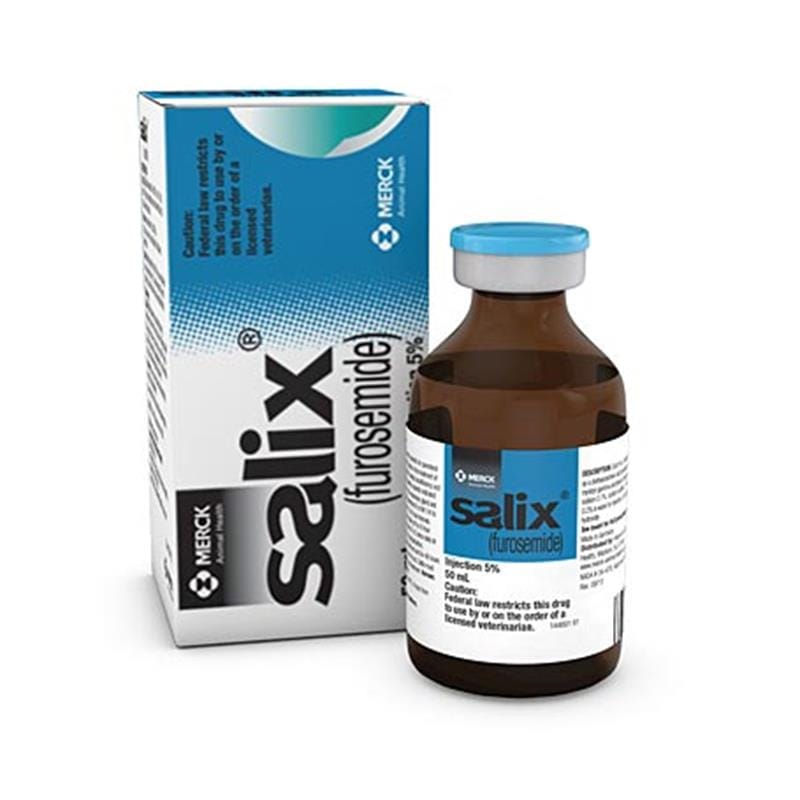
Salix
Salix Plant Overview and Care Basics
Price:
$73.99
You save


Salix refers to willow shrubs and trees used for ornamental landscaping and functional plantings. This page summarizes what to consider when you see Salix for sale, including typical forms, basic care, and safety precautions. It also clarifies how this listing relates to CanadianInsulin’s broader health-focused catalog.
What Salix Is and How It Works
Salix is the botanical genus for willows, a large group of woody plants that can grow as shrubs or trees. In home landscapes, willows are often chosen for fast establishment, flexible stems, and distinctive foliage in certain cultivars (for example, variegated leaves). “How it works” is simple biology: the plant captures light through photosynthesis, produces new growth from buds along stems, and forms a dense root system that can tolerate damp sites in many species.
On CanadianInsulin, some listings relate to prescription care; we operate as a prescription referral service and may verify prescriptions with prescribers. Some patients explore US shipping from Canada when coordinating permitted items alongside their care needs, but eligibility and rules can differ by jurisdiction. If you arrived here expecting information on diabetes medicines rather than a plant listing, the guide on Oral Diabetes Medications may be a better match for that intent.
From a practical standpoint, willows respond strongly to pruning and can regrow from dormant buds after cutting. Many Salix types are also used in seasonal décor because young stems can be colorful or curly. If a plant is intended for outdoor planting, long-term performance depends on the cultivar, local climate, sunlight exposure, soil moisture, and spacing from structures.
Who It’s For
Salix plants are generally for people who want a hardy, fast-growing ornamental shrub or tree, or who need functional plantings such as windbreaks and visual screening. Many willows tolerate wetter soils than typical landscape trees, which can make them appealing for low-lying yards. That said, performance varies widely by species, and some forms are better suited to compact gardens than others.
Consider Salix cautiously if you have limited space or if you need a low-maintenance planting. Many willows have vigorous roots and can seek moisture, so placement away from septic systems, irrigation lines, and foundations is often recommended. If household members have strong pollen allergies, a flowering willow may also be an unwanted trigger, particularly during early spring.
CanadianInsulin also hosts condition hubs to help patients browse therapy categories, including Chronic Kidney Disease and Hypertension, plus broader context in Diabetes Treatment. Those resources are separate from plant care and are meant for general education rather than individualized medical direction. If you are comparing options across multiple needs, keeping the “plant vs medicine” distinction clear helps prevent mix-ups.
Dosage and Usage
For Salix, “usage” means planting and routine care, not medical dosing. Most willows do best with consistent moisture during establishment and regular pruning if you want a compact shape. If you are planting near a water feature or in a rain garden area, confirm the specific cultivar’s tolerance for saturated soil and periods of drying.
General handling and care steps often include:
- Site choice: match sun and moisture
- Planting depth: keep crown at grade
- Watering: steady moisture at start
- Pruning: shape during dormancy
- Monitoring: watch pests and leaf spots
When pruning, use clean tools to reduce the chance of spreading fungal disease. Dispose of diseased cuttings rather than composting them if you suspect infection. If a listing includes live plant material, follow any included grower instructions because propagation method (cutting, bare-root, container-grown) can change early care needs.
Strengths and Forms
Unlike a medication, Salix does not have standardized “strengths.” Instead, it is commonly offered in different plant forms that affect handling and early success. Examples include bare-root starts, dormant cuttings, potted nursery stock, or trained forms such as a grafted weeping standard. Availability can also vary by season, because many growers ship dormant material at specific times of year.
If you are comparing listings, look for practical descriptors such as container size, approximate plant height at shipment, and whether the plant is trained as a shrub or tree form. For readers who landed here while searching for a tablet or injectable product format, the overview Oral Diabetes Medication explains common medication forms and why they matter. The phrase Salix for sale can therefore refer to a plant in a garden context, not a standardized drug presentation.
Storage and Travel Basics
Live plants and dormant cuttings can be stressed by heat, freezing, and dehydration. If you receive Salix plant material before you can plant it, keep it in a cool location with indirect light and protect roots from drying out. Avoid leaving packaged plants in a hot vehicle or in direct sun on a porch, where temperature swings can be large.
For bare-root or cutting material, the key is moisture balance. Keep the root zone slightly damp, but do not soak it for extended periods unless the grower directions specifically recommend it. If leaves are present, temporary shelter from wind can reduce water loss while the plant is adjusting.
Quick tip: If roots are wrapped, check them daily and re-moisten the wrap lightly as needed.
If you are traveling with live plant material, consider local rules for moving plants across regions, since agricultural restrictions can apply. Salix for sale listings may also differ in packaging, so it helps to inspect the plant on arrival for broken stems, dry roots, or signs of mold before planting.
Side Effects and Safety
For most people, ornamental willows are safe to grow and handle. However, sensitive individuals can develop contact dermatitis (skin inflammation) from sap or plant debris, especially during pruning. Wearing gloves and washing hands after yard work can reduce irritation risk. Seasonal pollen can also worsen allergy symptoms in some households.
Accidental ingestion is a different safety category. Some Salix species contain salicylates (chemicals related to aspirin) in bark, which is why “willow bark” appears in supplement discussions. A garden plant is not the same as a standardized supplement, and it should not be used as a home remedy. If a child or pet chews on branches, monitor for mouth irritation, vomiting, or unusual behavior and contact a clinician or poison control if symptoms occur.
Why it matters: Plant exposure can cause reactions even when nothing is swallowed.
In rare cases, mold exposure from damp packaging can trigger respiratory symptoms in susceptible people. If packaging smells musty or shows visible mold, limit exposure, ventilate the area, and consider using a mask while handling the material. The term Salix for sale may appear in many contexts, but basic contact safety and careful handling are broadly applicable.
Drug Interactions and Cautions
A planted Salix shrub or tree does not create “drug interactions” in the usual medical sense. Interaction concerns mainly arise if someone intentionally uses willow bark products or teas, which is separate from owning an ornamental plant. In that supplement context, salicylate exposure may be relevant for people who take anticoagulants (blood thinners), antiplatelet medicines, or other nonsteroidal anti-inflammatory drugs (NSAIDs).
If you take daily aspirin, have a bleeding disorder, are pregnant, or are preparing for surgery, it is especially important to discuss any willow bark supplement use with a clinician. For readers managing chronic disease risks, the overview Type 2 Diabetes Complications can help frame why medication lists and safety checks matter across conditions. Keep plant care and supplement decisions separate, and do not substitute a garden plant for medical treatment.
Compare With Alternatives
“Salix” can mean many different willows, so comparisons are usually about growth habit, leaf color, and maintenance needs rather than one plant being universally “better.” Variegated forms such as dappled or tri-color willows are often chosen for bright foliage but may need periodic pruning to keep color and shape. Weeping forms (including golden weeping types) create a distinct silhouette but typically need more space and thoughtful placement.
If you want a compact ornamental shrub, a dwarf willow or a grafted “standard” form may fit smaller gardens, though the long-term shape depends on pruning and the plant’s natural vigor. If your goal is erosion control or fast screening, a more vigorous willow may be considered, but aggressive rooting can be a trade-off. Salix for sale listings may also be compared against non-willow ornamentals if you want similar texture with slower growth and less pruning.
For visitors who intended to compare diabetes therapies rather than plants, resources like Insulin Vs Metformin are designed for medication-level comparisons and monitoring considerations. Those topics are separate from selecting a landscape plant.
Pricing and Access
Plant listings can vary based on cultivar rarity, container size, season, and the grower’s propagation method. Local agricultural rules may affect whether certain live plants can be moved across borders or into specific states or provinces. In addition, some items on CanadianInsulin relate to prescription treatment and require documentation before they can be processed. Dispensing, when applicable, is performed by licensed partner pharmacies where permitted.
For prescription-related products, access is influenced by the medication’s regulatory status, whether a valid prescription is on file, and whether a prescriber needs to confirm directions or substitutions. Coverage and formulary rules differ across plans, and cash-pay considerations may apply for people without insurance. For general education on specific therapies, you can review Jardiance Uses and Side Effects Of Jardiance to understand typical indications and safety topics to discuss with a clinician.
For non-prescription items, the main access issues are usually inventory, seasonal constraints, and delivery restrictions for live goods. If you are comparing listings labeled Salix for sale, confirm exactly what is included (species or cultivar name, plant form, and any care instructions). Cross-border fulfilment may be considered depending on eligibility and jurisdiction. CanadianInsulin also maintains a stable informational Promotions Page, which may describe general offers or program terms without changing clinical requirements.
Keep in mind that “access” is not the same as suitability. For plants, suitability depends on climate, site conditions, and maintenance capacity. For medicines, suitability depends on diagnosis, lab values, and clinician-guided monitoring. Keeping those decision pathways separate helps avoid confusion when browsing mixed catalogs.
Authoritative Sources
For plant identification and distribution basics, consult this reference: USDA Plants Database Salix Profile.
For horticulture guidance on willows in gardens, see this resource: Royal Horticultural Society Willow Overview.
For supplement-specific safety context on willow bark, review: NIH NCCIH Willow Bark Summary.
When temperature control is required, transport may use prompt, express, cold-chain shipping to help maintain stability.
This content is for informational purposes only and is not a substitute for professional medical advice.
Express Shipping - from $25.00
Shipping with this method takes 3-5 days
Prices:
- Dry-Packed Products $25.00
- Cold-Packed Products $35.00
Standard Shipping - $15.00
Shipping with this method takes 5-10 days
Prices:
- Dry-Packed Products $15.00
- Not available for Cold-Packed products
Is Salix the same thing as willow bark supplements?
Salix is the botanical genus that includes willow shrubs and trees. “Willow bark” supplements are processed products made from bark of certain willow species and are not the same as an ornamental plant. A live plant in a yard is not standardized for active compounds, and it should not be used as a substitute for medical care. If you are considering a supplement, review the label carefully and discuss it with a clinician, especially if you take aspirin, NSAIDs, or blood thinners.
How should I store a Salix plant before planting it?
Short-term storage depends on whether the plant is dormant (bare-root/cutting) or actively growing (potted with leaves). In general, keep the plant cool, protected from wind, and out of direct sun until planting. Prevent roots from drying out, but avoid prolonged soaking unless the grower instructions say otherwise. If the plant arrives with leaves, reduce stress by limiting temperature swings and ensuring the root zone stays lightly moist.
Can Salix cause allergic reactions or skin irritation?
It can. Some people develop irritation after handling sap, leaves, or fine plant debris, particularly during pruning. Symptoms may include itching, redness, or a rash consistent with contact dermatitis. Pollen from flowering willows can also worsen seasonal allergies in sensitive individuals. Wearing gloves and washing exposed skin after yard work often helps. If you develop significant swelling, trouble breathing, or widespread hives, seek urgent medical evaluation.
Is Salix safe around children and pets?
Most families grow willows without problems, but supervision is still important. Chewing on sticks or bark can cause mouth irritation and stomach upset, and some willow species contain salicylates that may be relevant if ingested in larger amounts. Keep pruned branches and plant debris out of reach, and discourage pets from chewing twigs. If a child or pet has persistent vomiting, lethargy, or unusual symptoms after chewing plant material, contact a clinician or poison control.
How fast do Salix shrubs and trees grow?
Growth rate varies by species, cultivar, and site conditions. Many willows are considered fast-growing, especially when planted in moist soil with good sunlight, but that vigor can come with increased pruning needs. Container size at planting, root health, and local climate also affect establishment time. Because willows can develop strong root systems, placement and long-term space planning matter as much as growth speed when you are choosing a type of Salix.
What should I ask my clinician before using willow bark products?
Bring a current medication list and ask whether willow bark is appropriate given your health history. Key topics include bleeding risk (especially with anticoagulants or antiplatelet drugs), aspirin sensitivity, stomach ulcer history, kidney function concerns, and upcoming procedures. Also ask how to recognize side effects such as bruising, stomach pain, or allergic reactions. If you are pregnant, trying to conceive, or managing chronic conditions, clinician input is especially important.
Rewards Program
Earn points on birthdays, product orders, reviews, friend referrals, and more! Enjoy your medication at unparalleled discounts while reaping rewards for every step you take with us.
You can read more about rewards here.
POINT VALUE
How to earn points
- 1Create an account and start earning.
- 2Earn points every time you shop or perform certain actions.
- 3Redeem points for exclusive discounts.
You Might Also Like
Select options
This product has multiple variants. The options may be chosen on the product page
Select options
This product has multiple variants. The options may be chosen on the product page
Timolol Maleate Ophthalmic Solution
Price range: $38.99 through $42.99
You save
- In Stock
- Express Shipping
Select options
This product has multiple variants. The options may be chosen on the product page
Select options
This product has multiple variants. The options may be chosen on the product page
Related Articles
Weight Management
Generic Zepbound: Availability, Status, and Options
Key Takeaways Patients and caregivers often search for generic zepbound when they need a clear answer about availability, labeling, and lower-cost access. The term is common online, but it does…
Type 2 Diabetes,
Oral Wegovy Explained: Facts, Risks, and Access Options
The phrase oral wegovy is best understood as a search term, not a settled product name. Most people use it to mean a pill version of semaglutide for weight management,…
Diabetes, General Health,
Glp-1 Drugs Over The Counter: What’s Real And What’s Not
Key Takeaways Prescription GLP-1 medicines are not sold as true OTC drugs. Many “GLP-1” supplements aim to support fullness, not mimic prescriptions. Online “no prescription” offers raise counterfeit and quality…
Diabetes, Type 2
GLP-1 Cost Without Insurance: Compare Cash-Pay Options
Key Takeaways Many people searching for glp-1 cost without insurance are trying to plan for a long-term expense. The total can change based on the drug, the pharmacy, and how…