
Please note: a valid prescription is required for all prescription medication.
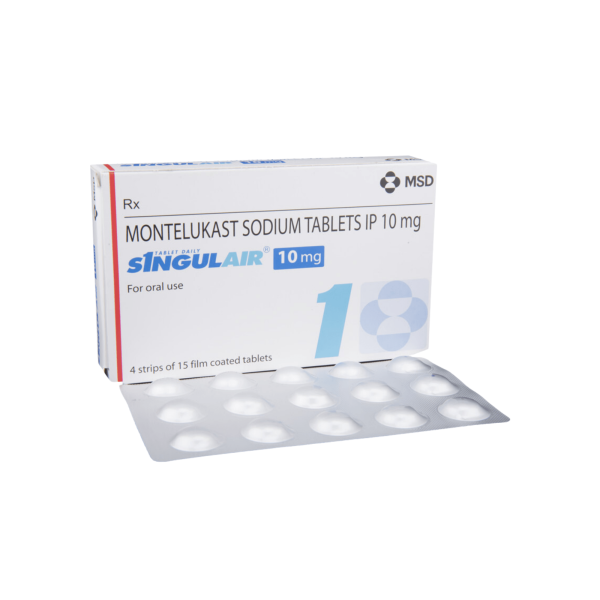
Singulair
Singulair Product Overview: Uses, Safety, and Storage
Price:
Price range: $100.99 through $137.99
You save


Singulair is a prescription medication containing montelukast, used to help prevent asthma symptoms and treat allergic rhinitis (nasal allergies). Some patients explore US shipping from Canada when comparing pharmacy access across borders with a valid prescription. This page summarizes how montelukast works, typical dosing patterns, safety concerns, and day-to-day handling basics.
What Singulair Is and How It Works
Montelukast belongs to a class called leukotriene receptor antagonists. Leukotrienes are inflammatory signaling molecules involved in airway swelling, mucus production, and tightening of the muscles around the airways. By blocking leukotriene signaling, this medicine can reduce inflammation related to chronic asthma and some allergy symptoms. It is generally used as a controller medicine taken regularly, not as a rapid relief treatment.
It does not replace an inhaled rescue bronchodilator for sudden breathing symptoms. Effects can take time to build, and the right role in therapy depends on the diagnosis and symptom pattern. When needed, prescription details are verified with the prescriber. For condition context and symptom patterns, patients often review the Asthma Condition Hub or the Allergic Rhinitis Hub alongside their clinician’s plan.
Who It’s For
Montelukast is commonly prescribed for prevention and long-term control of asthma, and for relief of symptoms of seasonal or perennial allergic rhinitis. It may also be used to help prevent exercise-induced bronchoconstriction (exercise-triggered airway narrowing) in certain age groups, following labeled instructions. Many people use it as part of a broader respiratory plan rather than as a stand-alone treatment.
It is not intended for treatment of an acute asthma attack. People with severe, sudden breathing symptoms generally need a fast-acting inhaled medicine and urgent medical evaluation. Eligibility can also depend on age, clinical history, and prior reactions. For readers focused on activity-related symptoms, the Exercise Induced Asthma hub can help organize questions to bring to a visit.
Dosage and Usage
Dosing is typically once daily by mouth, but the timing can depend on the indication. For asthma prevention, the labeled schedule is often an evening dose. For allergic rhinitis, dosing may be taken at a consistent time each day. For exercise-induced symptoms, the label may specify taking a single dose at least a couple of hours before exercise, with limits on repeat dosing within a day.
Singulair is available in different forms for different ages, and directions can vary by formulation. Tablets should be swallowed with water, and chewable tablets should be chewed fully before swallowing. Oral granules are usually given directly into the mouth or mixed with a small amount of soft food, based on the label. Discuss exact dosing and timing with a clinician, and do not adjust use based on day-to-day symptoms without medical guidance.
Strengths and Forms
This medication is commonly available as standard tablets, chewable tablets, and oral granules. In many markets, typical strengths include 10 mg tablets for adults and 4 mg or 5 mg chewables for children, plus 4 mg oral granules for younger pediatric patients. Availability can vary by jurisdiction, and not every pharmacy stocks every presentation.
Singulair is the brand name; montelukast is the generic name. Generics may differ in inactive ingredients, which can matter for people with certain allergies or sensitivities. If swallowing pills is a concern, ask a clinician or pharmacist whether a chewable or granule form is appropriate for the patient’s age and indication.
Storage and Travel Basics
Store montelukast products at controlled room temperature, away from excess heat and moisture. Keep the medication in its original packaging until use, since blister packs and bottles are designed to protect tablets from humidity. For oral granules, follow label directions closely because the packet is usually intended for single use after opening.
Quick tip: For travel, carry a current medication list and keep doses in labeled packaging.
If a dose is missed, follow the label instructions or clinician’s advice rather than doubling up. When planning travel across time zones, aim for consistent daily spacing and confirm timing expectations with the prescriber. If respiratory symptoms worsen during a trip, seek medical care promptly and follow an established action plan if one was provided.
Side Effects and Safety
Common side effects reported with montelukast can include headache, stomach pain, nausea, diarrhea, fever, or upper-respiratory symptoms. Many effects are mild, but any new symptom pattern should be reviewed with a clinician, especially if it affects sleep, mood, or daily function. Allergic reactions are possible with any medication and may require urgent care.
More serious safety concerns include neuropsychiatric effects. These can include agitation, anxiety, depression, abnormal dreams, insomnia, hallucinations, or suicidal thoughts or behavior. Because of these risks, clinicians often weigh benefits and alternatives carefully, especially for mild allergy symptoms where other options may be available.
Why it matters: New mood or behavior changes should be treated as a safety signal, not “just stress.”
Singulair should be stopped only under clinician direction, but patients and caregivers should seek prompt medical evaluation if serious mental health symptoms appear. Rarely, eosinophilia (high eosinophils, a type of white blood cell) and vasculitis-like symptoms have been reported in people with asthma, sometimes in the setting of changing other asthma medicines. Any sudden rash, facial swelling, chest tightness, or severe breathing difficulty requires immediate evaluation.
Drug Interactions and Cautions
Montelukast has relatively few clinically significant drug interactions compared with many other chronic medicines, but interactions can still occur. Certain enzyme-inducing medicines (such as rifampin) may reduce montelukast levels, which could affect symptom control. Strong inhibitors of specific metabolism pathways (for example, gemfibrozil) may increase exposure, which may increase side effect risk for some patients.
Share a complete medication and supplement list with the prescriber, including over-the-counter cold medicines and herbal products. People with a history of mental health conditions should discuss monitoring plans before starting therapy. Also mention liver disease, since metabolism occurs in the liver, and report any persistent abdominal pain, dark urine, or yellowing of the skin. For broader respiratory treatment categories that may be part of a regimen, browsing the Respiratory Products Hub can help patients recognize common controller and reliever classes to discuss at appointments.
Compare With Alternatives
The best comparison depends on the condition being treated. For asthma, common controller options include inhaled corticosteroids (ICS) and combination inhalers that pair an ICS with a long-acting bronchodilator (LABA). For allergic rhinitis, first-line options often include intranasal corticosteroids, oral or intranasal antihistamines, and allergen avoidance strategies. Immunotherapy (allergy shots or tablets) may be considered for selected patients.
Compared with inhaled therapies, montelukast is taken by mouth, which some patients find easier to use consistently. However, inhaled medicines can target the lungs more directly and are central to many asthma guidelines. If nasal symptoms are the main problem, some people compare options like Nasonex Aqueous Nasal Spray with other intranasal steroids. If asthma control is the main goal, clinicians may consider controller inhalers such as Symbicort Product Page as part of an individualized plan.
Singulair is sometimes used as add-on therapy rather than a replacement for inhaled controllers. The choice should account for symptom severity, triggers, inhaler technique, and safety considerations, including the neuropsychiatric warning.
Pricing and Access
Montelukast products require a prescription, and access can vary by province, state, and insurer. Dispensing is completed by licensed third-party pharmacies where permitted. Coverage decisions often depend on the plan formulary, diagnosis coding, and whether a brand or generic is being used. Some plans require prior authorization or step therapy, especially when symptoms are mild or other therapies have not been tried.
For patients paying out of pocket, the main drivers of what you may spend include brand versus generic availability, tablet versus chewable or granules, and the quantity dispensed. A clinician’s prescription needs to match the intended indication and age-appropriate formulation. If you are managing medication expenses without insurance, it can help to track refills and ask the pharmacy whether a therapeutically equivalent generic is available for your prescription. For general budgeting strategies that can apply across many chronic medicines, see Low Income Medication Options and Low Income Prescription Help.
Cross-border fulfilment may be considered based on eligibility and jurisdiction. Documentation review can include confirming prescriber information, current directions, and patient identifiers so the dispensed product matches the prescription. If you are comparing ways to plan for recurring medication expenses, the framework in Out Of Pocket Cost Planning can be adapted beyond diabetes medications. For non-time-limited updates that may affect ordering workflows, refer to Promotions Overview.
Authoritative Sources
For full prescribing details and formulation information, use the official label on DailyMed montelukast listings from the NIH.
For safety communications and boxed warning context, review FDA safety information on montelukast mental health risks.
For eligible prescriptions, medication handling may involve prompt, express, cold-chain shipping depending on product requirements.
This content is for informational purposes only and is not a substitute for professional medical advice.
Express Shipping - from $25.00
Shipping with this method takes 3-5 days
Prices:
- Dry-Packed Products $25.00
- Cold-Packed Products $35.00
Standard Shipping - $15.00
Shipping with this method takes 5-10 days
Prices:
- Dry-Packed Products $15.00
- Not available for Cold-Packed products
What is Singulair used for?
Singulair is a brand-name form of montelukast, a prescription medicine used for long-term control and prevention of asthma symptoms and for relief of allergic rhinitis symptoms (seasonal or year-round nasal allergies). In some patients, it is also used to help prevent exercise-induced bronchoconstriction, following the labeled schedule and age limits. It is not intended to treat sudden asthma attacks. Your clinician will decide whether it fits your overall plan based on symptoms, triggers, and other medicines you use.
How does montelukast work for asthma and allergies?
Montelukast blocks leukotriene receptors. Leukotrienes are chemicals released during inflammation that can contribute to airway swelling, mucus, and tightening of airway muscles in asthma. They can also play a role in allergy symptoms such as congestion and sneezing. By reducing leukotriene signaling, montelukast may help decrease inflammation-related symptoms over time. Because it is not a fast bronchodilator, it generally does not provide immediate relief during acute breathing difficulty.
Can Singulair replace a rescue inhaler?
No. Montelukast is a controller medicine used regularly to help prevent symptoms, and it does not act quickly enough to treat an acute asthma attack. A rescue inhaler (typically a short-acting bronchodilator) is used for rapid relief of sudden wheezing, chest tightness, or shortness of breath. If you find you need rescue medication more often than expected, or symptoms wake you at night, that can signal inadequate control and should be reviewed with a clinician promptly.
What side effects should I monitor while taking montelukast?
Common side effects can include headache, stomach discomfort, nausea, diarrhea, fever, or upper-respiratory symptoms. More serious concerns include mood and behavior changes. These may include anxiety, depression, agitation, sleep disturbances, abnormal dreams, hallucinations, or suicidal thoughts or behavior. Seek medical evaluation urgently for severe mental health symptoms or signs of an allergic reaction such as facial swelling, hives, or trouble breathing. Keep a note of new symptoms and when they started to discuss at follow-up visits.
Does Singulair interact with other medications?
Montelukast has fewer interactions than many chronic medicines, but it can still be affected by certain drugs. Strong enzyme inducers (such as rifampin) may lower montelukast exposure, and some inhibitors (such as gemfibrozil) may raise it, which could affect side effects in some people. Always share a complete list of prescriptions, over-the-counter products, and supplements with your prescriber and pharmacist. Also mention liver disease and any history of mental health conditions so monitoring can be planned appropriately.
What should I ask my clinician before starting Singulair?
Useful questions include: what symptom goal you are targeting (asthma prevention, allergy symptoms, or exercise-related symptoms), how this medicine fits with inhalers or nasal sprays you already use, and what to do if symptoms worsen. Ask about the neuropsychiatric warning and which mood, sleep, or behavior changes should prompt urgent contact. It can also help to confirm the correct formulation and strength for age, whether evening dosing matters for your indication, and how to handle missed doses safely.
How should montelukast tablets or granules be stored and handled during travel?
Store montelukast at room temperature and protect it from heat and moisture. Keep tablets or chewables in the original packaging, since it helps reduce exposure to humidity. If using oral granules, follow label directions for opening and use, because packets are typically intended for single use. When traveling, carry a current medication list and keep medicines in labeled containers. If crossing time zones, aim for consistent daily spacing and confirm timing expectations with a clinician rather than changing schedules on your own.
Rewards Program
Earn points on birthdays, product orders, reviews, friend referrals, and more! Enjoy your medication at unparalleled discounts while reaping rewards for every step you take with us.
You can read more about rewards here.
POINT VALUE
How to earn points
- 1Create an account and start earning.
- 2Earn points every time you shop or perform certain actions.
- 3Redeem points for exclusive discounts.
You Might Also Like
Select options
This product has multiple variants. The options may be chosen on the product page
Select options
This product has multiple variants. The options may be chosen on the product page
Select options
This product has multiple variants. The options may be chosen on the product page
Select options
This product has multiple variants. The options may be chosen on the product page
Related Articles
Weight Management
Generic Zepbound: Availability, Status, and Options
Key Takeaways Patients and caregivers often search for generic zepbound when they need a clear answer about availability, labeling, and lower-cost access. The term is common online, but it does…
Type 2 Diabetes,
Oral Wegovy Explained: Facts, Risks, and Access Options
The phrase oral wegovy is best understood as a search term, not a settled product name. Most people use it to mean a pill version of semaglutide for weight management,…
Diabetes, General Health,
Glp-1 Drugs Over The Counter: What’s Real And What’s Not
Key Takeaways Prescription GLP-1 medicines are not sold as true OTC drugs. Many “GLP-1” supplements aim to support fullness, not mimic prescriptions. Online “no prescription” offers raise counterfeit and quality…
Diabetes, Type 2
GLP-1 Cost Without Insurance: Compare Cash-Pay Options
Key Takeaways Many people searching for glp-1 cost without insurance are trying to plan for a long-term expense. The total can change based on the drug, the pharmacy, and how…