

A valid prescription is required for this medication.
Buy Tenormin Online
Rx Prescription required Fast, secure shipping
Health tools
Research and education tools. They do not replace clinical advice, diagnosis, or treatment.
Blood Pressure Average Calculator
Average home blood pressure readings and show a simple screening range.
These calculations are for education only and do not replace clinical advice, diagnosis, or treatment. Always confirm medical decisions with a qualified healthcare professional.
Mean Arterial Pressure Calculator
Calculate estimated mean arterial pressure from systolic and diastolic blood pressure.
These calculations are for education only and do not replace clinical advice, diagnosis, or treatment. Always confirm medical decisions with a qualified healthcare professional.
Pulse Pressure Calculator
Calculate pulse pressure from systolic and diastolic blood pressure.
These calculations are for education only and do not replace clinical advice, diagnosis, or treatment. Always confirm medical decisions with a qualified healthcare professional.
Target Heart Rate Calculator
Estimate exercise heart-rate zones using age, resting heart rate, and the Karvonen method.
These calculations are for education only and do not replace clinical advice, diagnosis, or treatment. Always confirm medical decisions with a qualified healthcare professional.
About Tenormin
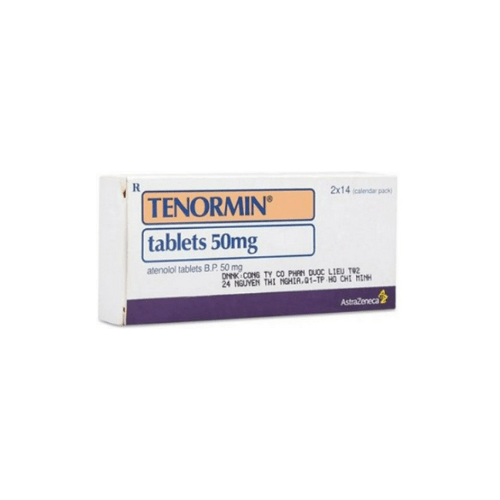
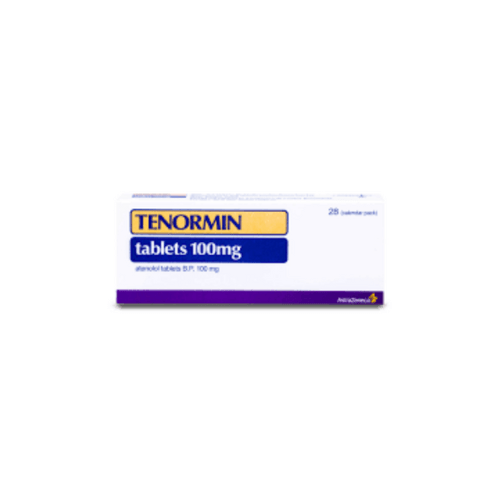
Tenormin is the brand name for atenolol, a beta blocker supplied as oral tablets for heart and blood-pressure treatment plans. You can buy Tenormin online, view the current Tenormin price, and choose the tablet strength that matches the clinician’s directions on your active order. Available strengths commonly include 25 mg, 50 mg, and 100 mg tablets, and the strength should be matched exactly rather than estimated from tablet count alone.
Tenormin tablets are used in long-term cardiovascular care, so the product name, strength, quantity, and directions should be kept consistent from refill to refill. US delivery from Canada may be part of the service context for customers arranging an online order, but the practical buying decision still starts with the same basics: brand name, tablet strength, quantity, and safe use.
Tenormin Price, Tablet Strengths, and Quantity
The Tenormin cost shown during ordering may vary by brand selection, tablet strength, and quantity. A 25 mg tablet order is not the same as a 50 mg or 100 mg tablet order, even if the total number of tablets looks similar. The current price should be read together with the strength and count, not as a stand-alone per-tablet comparison.
Tenormin contains atenolol, and generic atenolol tablets may appear separately from the brand product. Brand and generic products can have different manufacturers, tablet appearance, packaging, and cash-pay amounts. If a generic atenolol substitution is appropriate for your treatment plan, the active ingredient is the key comparison point, while the product name and strength still need careful matching.
| Tablet strength | Form | What to match |
|---|---|---|
| 25 mg | Oral tablet | Medicine name, strength, quantity, and directions |
| 50 mg | Oral tablet | Medicine name, strength, quantity, and directions |
| 100 mg | Oral tablet | Medicine name, strength, quantity, and directions |
Quick tip: Match the medicine name, tablet strength, and quantity together before completing payment.
Quantity tells you how many tablets are being prepared for the order. It does not tell you how often to take Tenormin or whether a strength can be exchanged for another. If directions mention Tenormin 50 mg, choosing two 25 mg tablets is not the same buying decision unless that exact instruction has been provided by the treating clinician.
How to Order Tenormin Online
Order Tenormin online by choosing the brand medicine and the tablet strength written for your treatment plan. The order should be based on the actual tablet strength, not on a rough estimate of supply length or price alone. If your previous container is available, compare the label against the new order details before continuing.
- Choose the medicine: Confirm Tenormin rather than generic atenolol if the brand is required.
- Match the strength: Use the exact 25 mg, 50 mg, or 100 mg tablet strength directed for use.
- Review the quantity: Make sure the tablet count fits the intended supply.
- Check directions: Keep the dosing instructions consistent with the current treatment plan.
- Confirm contact details: Accurate contact information helps resolve order questions quickly.
Tenormin Ships from Canada to US wording may appear in searches because some customers specifically look for cross-border service. Treat that as a logistics phrase rather than a dosing or safety factor. The safe product decision remains the same whether you are comparing Tenormin price from Canada, Tenormin cash pay, or a local refill: the medicine, strength, quantity, and directions must align.
Small entry errors can delay processing or create confusion between Tenormin tablets and atenolol tablets. We may help review order details when clarification is needed, but the medication should not be changed for price, supply length, or convenience without clinical guidance.
What Tenormin Is Used For
Atenolol Tenormin is a beta-1 selective beta blocker. Beta blockers reduce the effect of certain stress signals on the heart, which can lower heart rate and reduce the heart’s workload. Tenormin may be used for high blood pressure, chest pain from angina, and management after a suspected or confirmed heart attack, according to official labeling.
For condition-based browsing, the Hypertension, Angina, and Heart Attack collections group related cardiovascular treatment categories. These links can help place Tenormin in context, but they should not be used to switch medicines or change doses on your own.
Tenormin is not a rescue treatment for sudden chest pain. New, severe, worsening, or crushing chest pain needs urgent medical attention, especially with shortness of breath, sweating, fainting, nausea, or pain spreading to the jaw, back, shoulder, or arm. A long-term beta blocker may reduce angina frequency for some people, but it does not replace emergency care during a possible heart attack.
High blood pressure usually requires ongoing monitoring rather than a one-time medication decision. Lifestyle measures, home blood-pressure readings, lab monitoring, and other medicines may also be part of the plan. Tenormin medication should be used as directed, and home readings should be shared with a clinician rather than used to self-adjust Tenormin dosage.
Tenormin Doses and Tablet Matching
Tenormin doses are individualized. The tablet strength describes how much atenolol is in each tablet, while the directions explain how and when the tablets are taken. The same tablet strength may be used differently depending on the condition being treated, kidney function, heart rate, age, and other medicines.
Kidney function matters because atenolol is cleared substantially through the kidneys. Older adults and people with kidney disease may need closer monitoring for slow heart rate, low blood pressure, dizziness, or unusual tiredness. If your strength changes, note the new tablet strength clearly and keep older containers separate to avoid mix-ups.
Do not split, crush, or combine Tenormin tablets unless a pharmacist or clinician says that handling is appropriate for your product. Some tablets may have score lines and some may not, and manufacturer differences can affect practical handling. If the tablet appearance changes between fills, ask for confirmation before assuming the medicine is different or unsafe.
Brand Tenormin and Generic Atenolol
Tenormin is the brand name, and atenolol is the active ingredient. Generic atenolol tablets are often used as the closest related product because they contain the same active ingredient, but the brand name, manufacturer, tablet markings, packaging, and price can differ. The Cardiovascular Products category can help with broader product browsing across heart and blood-pressure therapies.
Brand-to-generic decisions should be based on the treatment plan and the product being supplied, not only on Atenolol price or Tenormin cost. Some people are asked to stay with a specific product because of stability, tablet identification, insurance records, or prior tolerance. Others may use generic atenolol when it is considered appropriate for them.
Country-specific naming and availability can differ between Canada and the United States. That distinction does not change the basic safety questions: identify the active ingredient, confirm the strength, understand the directions, and report any unexpected change in symptoms after a switch.
Storage, Handling, and Travel
Tenormin tablets are usually stored at room temperature in a dry place, away from excess heat, moisture, and direct light. Keep tablets in the original labeled container so the medicine name, strength, directions, and expiration information remain easy to verify. Bathroom cabinets are often poor storage places because humidity can build up during showers.
During travel, keep Tenormin with essential medicines and avoid leaving it in a hot car, checked bag, or unmarked pill organizer for long periods. If a pill organizer is used, keep the original container available for identification, especially during security screening, clinic visits, or medication reconciliation.
Why it matters: Clear labeling and dry storage reduce mix-ups during refills, travel, and dose changes.
Tenormin tablets do not usually need cold-chain handling, unlike refrigerated injectable medicines. If a package arrives damaged, tablets look compromised, or the label does not match the order, pause use of that supply and ask a pharmacist for guidance before taking a dose from it.
Side Effects, Warnings, and Monitoring
Common Tenormin side effects may include tiredness, dizziness, lightheadedness, slow heart rate, cold hands or feet, nausea, and reduced exercise tolerance. These effects may be more noticeable when starting therapy, after a strength change, or when another blood-pressure medicine is added. Report symptoms that interfere with daily activities or increase the risk of falls.
Official labeling lists sinus bradycardia, heart block greater than first degree, cardiogenic shock, and overt cardiac failure as contraindications. People with asthma, chronic obstructive pulmonary disease, diabetes, thyroid disease, circulation problems, kidney disease, or a history of severe allergic reactions should make sure those conditions are part of the clinical review. Atenolol can affect pulse, blood pressure, and warning signs of low blood sugar or overactive thyroid.
Do not stop Tenormin suddenly unless a clinician provides a tapering plan. Abrupt beta blocker withdrawal has been associated with worsening angina and, in some people with coronary artery disease, heart attack or serious rhythm problems. If the medicine seems poorly tolerated, contact a healthcare professional instead of skipping doses or stopping on your own.
Seek urgent help for fainting, severe shortness of breath, wheezing, swelling of the face or throat, a very slow or irregular heartbeat, chest pain that worsens, or sudden weakness on one side of the body. Pregnancy and breastfeeding also need individualized discussion because atenolol may affect fetal growth and can pass into breast milk.
Interactions and Everyday Precautions
Tenormin can interact with medicines that lower heart rate or blood pressure. Extra caution may be needed with verapamil, diltiazem, digoxin, certain antiarrhythmics, clonidine, and other cardiovascular medicines. Combining heart-rate-lowering drugs can increase the chance of dizziness, fainting, low blood pressure, or an unusually slow pulse.
Diabetes medicines and some nonsteroidal anti-inflammatory drugs may also require attention. Beta blockers can mask a fast heartbeat during low blood sugar, while some pain relievers may reduce blood-pressure control in certain people. Share prescription medicines, over-the-counter products, supplements, and recent decongestant use during medication reviews.
Alcohol may add to dizziness or lightheadedness. Stand slowly after sitting or lying down, especially when Tenormin is new or the strength has changed. Avoid driving, climbing, or hazardous tasks until you understand how the medicine affects alertness and balance.
Related Cardiovascular Browsing
Tenormin belongs to a wider group of heart and blood-pressure medicines. The right medication depends on the diagnosis, pulse, blood pressure pattern, kidney function, side-effect history, and other therapies. Do not switch to another beta blocker or blood-pressure medicine based only on tablet count, cash-pay amount, or online availability.
For general education about heart medicines and treatment topics, the Cardiovascular Articles section provides additional background. Use educational content to prepare better questions for a clinician, not to replace individualized advice.
If you are comparing Tenormin with generic atenolol, focus on the active ingredient, strength, manufacturer details, tablet appearance, and directions. If you are comparing it with medicines from another cardiovascular class, the mechanism and monitoring needs may be different even when the treatment goal is similar.
Authoritative Sources
The sources below support the safety and use information summarized here. They do not replace the instructions provided by a healthcare professional or pharmacist.
- Official FDA labeling: Tenormin prescribing information.
- Patient drug overview: Cleveland Clinic atenolol tablets.
This content is for informational purposes only and is not a substitute for professional medical advice.
This content is for informational purposes only and is not a substitute for professional medical advice.
Two ways to ship
Cold-packed medications travel by Express shipping. Dry-packed medications can ship Express or Standard.
Earn points on every order
Earn points on birthdays, product orders, reviews, friend referrals, and more! Enjoy your medication at unparalleled discounts while reaping rewards for every step you take with us.
Register and/or Login
Create an account and start earning.
Earn Rewards
Earn points every time you shop or perform certain actions.
Redeem
Redeem points for exclusive discounts.
Ways to save
We stand behind our prices
We work hard to offer the very best available price. If you find a lower price on the same product, we will match it.
Learn how →Tiered pricingNew tiered pricing is here
Buy more and save more on the medications you trust: save 7% per pack when you buy 2, and 14% per pack when you buy 3 or more.
See tiered pricing →You might also like
View all →
Related articles
View all →
Joint Health Habits to Prevent Injury and Maintain Strength
Joint health improves when you combine regular movement, strength training, balanced nutrition, enough recovery, and early attention to pain signals. This matters…
Read more →
Entresto Dose Planning: Strengths, Titration, and Safety
The usual Entresto dose for many adults with heart failure starts at 49/51 mg twice daily, then may increase after 2 to…
Read more →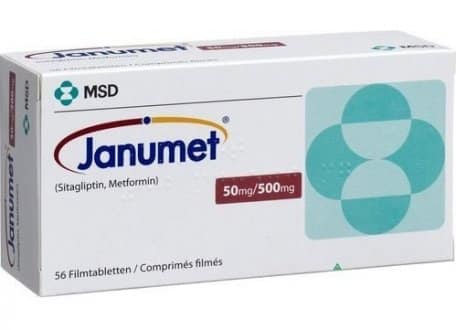
Janumet Dosage: Strengths, Meal Timing, and Monitoring
Janumet dosage is individualized for adults with type 2 diabetes based on current treatment, kidney function, tolerability, and glucose goals. The medicine…
Read more →Speak to us
Our customer service team are highly experienced and friendly. Get in touch today.
What is Tenormin used for?
Tenormin is a brand of atenolol, a beta blocker used in cardiovascular care. It may be used for high blood pressure, angina, and management after a suspected or confirmed heart attack. It is not a rescue medicine for sudden or severe chest pain.
What strengths do Tenormin tablets come in?
Tenormin tablets are commonly supplied in 25 mg, 50 mg, and 100 mg strengths. Match the exact tablet strength and directions from your current treatment plan rather than substituting tablet counts on your own.
Is Tenormin the same as atenolol?
Tenormin is the brand name, and atenolol is the active ingredient. Generic atenolol may have the same active ingredient, but manufacturer, tablet appearance, packaging, and price can differ.
What are common Tenormin side effects?
Common side effects may include tiredness, dizziness, lightheadedness, slow heart rate, cold hands or feet, and nausea. Seek medical help for fainting, severe shortness of breath, wheezing, worsening chest pain, or a very slow or irregular heartbeat.
Can Tenormin be stopped suddenly?
Tenormin should not be stopped suddenly unless a clinician gives specific instructions. Abrupt beta blocker withdrawal can worsen angina and may increase serious heart risks in some people with coronary artery disease.
How should Tenormin tablets be stored?
Store Tenormin tablets at room temperature in a dry place away from excess heat, moisture, and direct light. Keep them in the original labeled container so the medicine name, strength, and directions remain clear.
Speak to our team
 Call toll free1-844-560-7790
 Emailservice@canadianinsulin.com
Monday to Friday 7am – 11pm EST
Saturday 7am to 7pm EST
Sunday 8am – 5pm EST