
Please note: a valid prescription is required for all prescription medication.
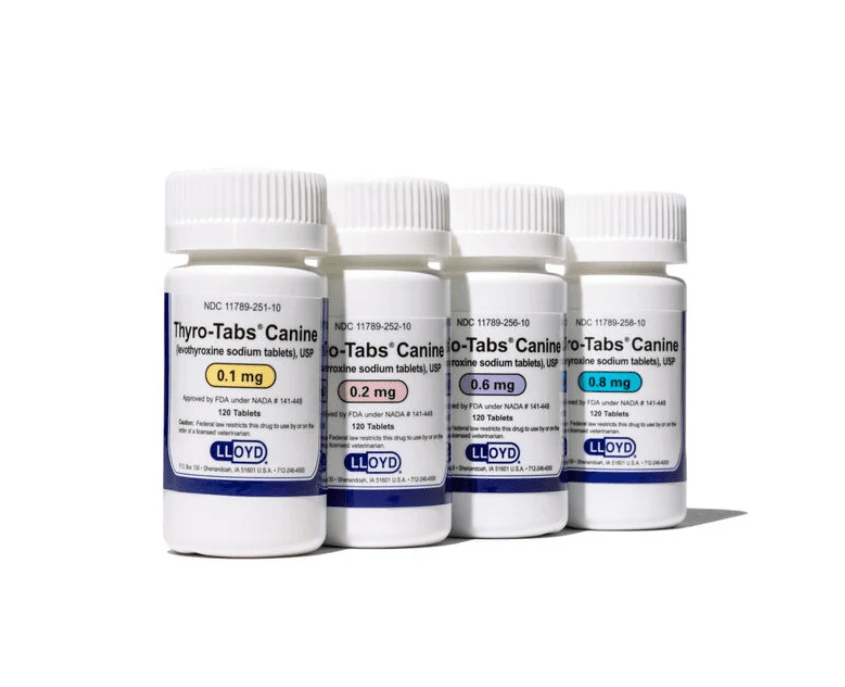
Thyro-Tab
Thyro-Tab for Dogs: Buy With Rx and Safety Info
Price:
Price range: $39.99 through $111.99
You save


What Thyro-Tab Is and How It Works
Thyro-Tab is a veterinary prescription thyroid hormone replacement used in dogs with diagnosed hypothyroidism (underactive thyroid). It provides levothyroxine sodium, a synthetic form of thyroxine (T4), to help restore more typical thyroid hormone levels. This page summarizes how the medicine works, how it is commonly used, and what to watch for during treatment.
Some patients explore US shipping from Canada when local options are limited, but requirements vary by jurisdiction. In this model, CanadianInsulin acts as a prescription referral service, while dispensing is handled by licensed pharmacies where permitted.
In the body, T4 is converted to triiodothyronine (T3), the more active thyroid hormone. Thyroid hormones influence metabolism, skin and coat turnover, heart rate, and energy. When hormone levels are low, dogs may show weight gain, lethargy, cold intolerance, recurrent skin or ear issues, and coat changes. Replacement therapy aims to correct the hormone deficiency rather than treat symptoms directly.
Why it matters: Consistent dosing and follow-up lab work help reduce over- or under-treatment.
Response is usually assessed with clinical improvement plus blood testing (often total T4 and, in some cases, free T4 and TSH). Your veterinarian may also look for other conditions that can mimic hypothyroidism, including chronic inflammation and certain endocrine disorders. Keep the product name, strength, and dosing schedule aligned with the prescription label to support meaningful monitoring.
Who It’s For
This medicine is generally used for dogs with hypothyroidism confirmed by examination and appropriate laboratory testing. Dogs can have similar symptoms from other causes, so diagnosis typically relies on a pattern of signs plus thyroid tests interpreted in context. If you are comparing medication types for your pet, the Pet Medications hub can help you browse related veterinary prescription categories.
Dogs prescribed Thyro-Tab are often those with persistent low thyroid hormone levels and compatible signs, such as thinning coat, “rat tail,” slow regrowth after clipping, recurrent skin infections, or lower activity. The treatment is not intended for dogs with hyperthyroidism (overactive thyroid), and it may be used cautiously in dogs with certain cardiac conditions, uncontrolled adrenal disease, or other serious illness where thyroid tests may be temporarily abnormal. A veterinarian should confirm the diagnosis before long-term hormone replacement is started.
Dosage and Usage
Thyro-Tab is taken by mouth as tablets, following the exact schedule on the veterinary prescription. Levothyroxine dosing in dogs is individualized, and clinicians often choose once-daily or twice-daily administration based on the dog’s response and follow-up lab results. Because absorption can vary, it is commonly recommended to give the medicine in a consistent way each day (for example, always with food or always without), unless your veterinarian directs otherwise.
Do not change the dose or stop therapy on your own, even if your dog seems improved. Monitoring may include repeat blood tests after a dose change and periodic reassessment once stable. If a dose is missed, general handling guidance is to follow your veterinarian’s instructions rather than doubling the next dose. Bring the current bottle or a clear photo of the label to checkups so the clinic can verify strength and directions.
Strengths and Forms
This product is a levothyroxine sodium tablet intended for canine use. Levothyroxine tablets are made in multiple strengths to help match different dog sizes and dosing plans, and availability can vary by pharmacy and region. For safety, confirm the strength in mg on the prescription label each time a refill is obtained, especially if the tablet appearance changes.
Avoid substituting between different levothyroxine products without veterinary guidance, since potency and bioavailability differences can affect lab interpretation and clinical response. If your dog uses more than one medication, keep a current list of names and strengths for each prescription and supplement.
| Item | What to check |
|---|---|
| Active ingredient | Levothyroxine sodium (T4) |
| Route | Oral tablets |
| Intended patient | Dogs, as prescribed |
| Label details | Strength (mg), directions, refills |
Storage and Travel Basics
Store tablets exactly as described on the pharmacy label. In general, levothyroxine products are kept at controlled room temperature, protected from moisture and excess heat. Keep the container tightly closed and away from direct light, and avoid storing it in places with frequent temperature swings, such as cars or near windows.
For travel, keep the medicine in its original labeled container and pack it where temperatures are more stable. If tablets are split, use a clean pill cutter and store the remaining portion as instructed; crumbling can make dosing less accurate. Check expiration dates and discard tablets that look discolored or have an unusual odor.
Quick tip: Use a written log or reminder app to track doses.
Side Effects and Safety
Side effects of thyroid hormone replacement most often reflect excessive thyroid hormone effect (over-supplementation). With Thyro-Tab, dogs may develop restlessness, panting, increased thirst, increased urination, increased appetite, vomiting or diarrhea, weight loss, or a faster heart rate. These effects may be more noticeable soon after starting therapy or after a dose increase, but they can occur at any time.
More serious concerns can include marked rapid heartbeat, weakness, collapse, severe hyperactivity, or signs of heat intolerance. Dogs with pre-existing heart disease may be more sensitive to changes in thyroid hormone levels. If severe symptoms occur, contact a veterinary clinic promptly for individualized guidance. Ongoing safety monitoring commonly includes periodic thyroid blood tests plus a review of appetite, water intake, weight, coat quality, and activity patterns, since those changes can provide early clues that the dose needs reassessment.
- Common signs: panting, restlessness
- GI effects: vomiting, diarrhea
- Heart-related: fast heartbeat
- Behavior: increased activity
Drug Interactions and Cautions
Tell your veterinarian about all medications and supplements your dog uses before starting Thyro-Tab. Some products can reduce levothyroxine absorption or change how thyroid tests look, which may lead to confusing lab results. Examples that can interfere with absorption include calcium or iron supplements, some antacids, sucralfate, bile-acid binders, and high-fiber products; clinicians may recommend separating administration times when appropriate.
Other drugs may change thyroid hormone metabolism or protein binding, including certain anticonvulsants and corticosteroids. Dogs with diabetes or adrenal disease may need closer monitoring when thyroid status changes. If your pet is being treated for unrelated infections at the same time, your veterinarian may also discuss how to organize dosing schedules across medications; see related guides such as Cephalexin For Dogs And Cats, What Is Baytril Antibiotic, Baytril Injection For Cats, and Antirobe Capsules For Pet. Never start, stop, or re-time medications without prescriber input, since spacing and sequencing may matter.
Compare With Alternatives
Thyro-Tab is one brand of levothyroxine (T4) replacement. Alternatives may include other veterinary-labeled levothyroxine products, human-labeled levothyroxine used under veterinary direction, or compounded levothyroxine prepared by a compounding pharmacy when a specific strength or formulation is needed. Each option has different consistency controls, dosing flexibility, and monitoring considerations, so the choice is usually based on clinical needs, how stable thyroid levels are over time, and what formulations are realistically available.
It can also help to distinguish thyroid replacement from medications used for look-alike problems. For example, chronic skin disease or ear disease sometimes involves bacterial infection, which may be managed with antibiotics when indicated; these are not substitutes for thyroid hormone. If your veterinarian is evaluating multiple causes at once, you may see unrelated prescriptions referenced in the record, such as Cephalexin Overview or Doxycycline Overview. Ask the clinic which medication targets which diagnosis, and how success will be measured for each.
| Option | Typical use case |
|---|---|
| Levothyroxine tablets | Standard long-term replacement |
| Compounded levothyroxine | Special strengths or forms when needed |
| Different dosing schedules | Adjusted using lab-guided monitoring |
Pricing and Access
For Thyro-Tab, access typically depends on a valid veterinary prescription and jurisdictional rules for dispensing. Some people pay out of pocket, including situations without insurance, while others may have employer or pet-insurance reimbursement depending on the plan and documentation requirements. The total expense over time can also be influenced by the selected strength, dosing schedule, and how often follow-up testing is recommended by the veterinarian.
In a referral-based model, prescription directions may be confirmed with the prescribing veterinarian when needed, and permitted dispensing is completed by licensed third-party pharmacies. If you are reviewing non-time-limited informational updates, Promotions may describe current programs at a general level, but eligibility and terms can change. Cross-border fulfilment considerations may apply for some patients depending on location, product availability, and legal requirements.
Authoritative Sources
For the most reliable product-specific instructions, follow your veterinarian’s prescription label and the dispensing pharmacy’s written information. Veterinary endocrine care also relies on repeatable lab testing and consistent administration, since thyroid hormone levels can be affected by illness, other drugs, and timing relative to dosing.
For background medical references, use sources that publish reviewed clinical information:
- Merck Veterinary Manual overview of canine hypothyroidism
- DailyMed listing for levothyroxine sodium references
Packaging and transit practices vary, and some medicines are shipped using prompt, express, cold-chain shipping when temperature-sensitive.
This content is for informational purposes only and is not a substitute for professional medical advice.
Express Shipping - from $25.00
Shipping with this method takes 3-5 days
Prices:
- Dry-Packed Products $25.00
- Cold-Packed Products $35.00
Standard Shipping - $15.00
Shipping with this method takes 5-10 days
Prices:
- Dry-Packed Products $15.00
- Not available for Cold-Packed products
What is Thyro-Tab used for in dogs?
Thyro-Tab is used as thyroid hormone replacement for dogs diagnosed with hypothyroidism (an underactive thyroid gland). The active ingredient, levothyroxine (T4), helps restore thyroid hormone levels toward a normal range, which can support metabolism, skin and coat health, and energy. Because several conditions can mimic hypothyroidism, veterinarians typically confirm the diagnosis with an exam and thyroid blood tests before starting long-term therapy. The medication is not intended to treat infections or other non-thyroid causes of similar symptoms.
How long does levothyroxine take to work in dogs?
Timing varies by dog and by what outcome you are tracking. Some changes, such as improved alertness or activity, may be noticed earlier, while skin and coat improvements can take longer because hair growth cycles are slow. Veterinarians often evaluate response with both clinical observations and follow-up thyroid blood tests after the dog has been on a stable regimen long enough for results to be interpretable. If signs are not improving as expected, the clinician may reassess diagnosis, dosing schedule, and other medical conditions.
What are common Thyro-Tab side effects in dogs?
Many adverse effects resemble having too much thyroid hormone. Commonly discussed signs include restlessness, panting, increased appetite, increased thirst, increased urination, vomiting, diarrhea, weight loss, or a faster heart rate. Dogs with underlying heart disease may be more sensitive to thyroid hormone changes. If severe signs occur—such as collapse, marked weakness, or pronounced rapid heartbeat—urgent veterinary assessment is appropriate. Report milder changes to the prescribing clinic so they can decide whether monitoring or testing is needed.
How is thyroid monitoring done after starting treatment?
Monitoring usually combines symptom review with repeat blood testing. Clinics often check thyroid values (such as total T4 and sometimes additional tests) after the dog has been taking a stable dose long enough for results to reflect the current regimen. Timing of the blood draw relative to dosing can matter, so follow the clinic’s instructions about when to give the tablet on test days. Monitoring may continue periodically once the dog is stable, especially if weight changes, new medications are added, or symptoms return.
What should I ask my veterinarian before starting levothyroxine for my dog?
Useful questions include: which test results support hypothyroidism, what dosing schedule is intended, and how to give the medicine consistently with meals or other medications. Ask what signs could indicate over-treatment versus under-treatment, and when follow-up testing should occur. It also helps to review your dog’s full medication and supplement list, since some products can interfere with absorption or lab interpretation. If your dog has heart disease, diabetes, or adrenal disease, ask how monitoring will be adjusted.
What if my dog misses a dose?
Follow the prescribing clinic’s instructions for missed doses, since recommendations can vary based on the dog’s regimen and timing. In general, doubling up can increase the risk of side effects that resemble excess thyroid hormone. If you are unsure what to do, record when the missed dose occurred and resume the usual schedule as directed by the veterinarian. Keeping a simple dosing log can reduce missed doses and provides helpful context if thyroid levels are rechecked or if symptoms fluctuate.
Rewards Program
Earn points on birthdays, product orders, reviews, friend referrals, and more! Enjoy your medication at unparalleled discounts while reaping rewards for every step you take with us.
You can read more about rewards here.
POINT VALUE
How to earn points
- 1Create an account and start earning.
- 2Earn points every time you shop or perform certain actions.
- 3Redeem points for exclusive discounts.
You Might Also Like
Select options
This product has multiple variants. The options may be chosen on the product page
Select options
This product has multiple variants. The options may be chosen on the product page
Select options
This product has multiple variants. The options may be chosen on the product page
Select options
This product has multiple variants. The options may be chosen on the product page
Related Articles
Type 2 Diabetes,
Generic Liraglutide For Weight Loss: A Practical Guide
People searching for generic liraglutide for weight loss usually want clear answers on three points: whether an approved lower-cost version exists, how it differs from brand-name products, and what access…
Type 2 Diabetes,
Liraglutide Vs Semaglutide Comparison Guide For Patients
Key Takeaways People searching liraglutide vs semaglutide usually want a practical comparison, not a slogan. The most useful differences involve formulation, schedule, approved uses, side effect patterns, and the paperwork…
Weight Management
Generic Zepbound: Availability, Status, and Options
Key Takeaways Patients and caregivers often search for generic zepbound when they need a clear answer about availability, labeling, and lower-cost access. The term is common online, but it does…
Type 2 Diabetes,
Oral Wegovy Explained: Facts, Risks, and Access Options
The phrase oral wegovy is best understood as a search term, not a settled product name. Most people use it to mean a pill version of semaglutide for weight management,…