
Please note: a valid prescription is required for all prescription medication.
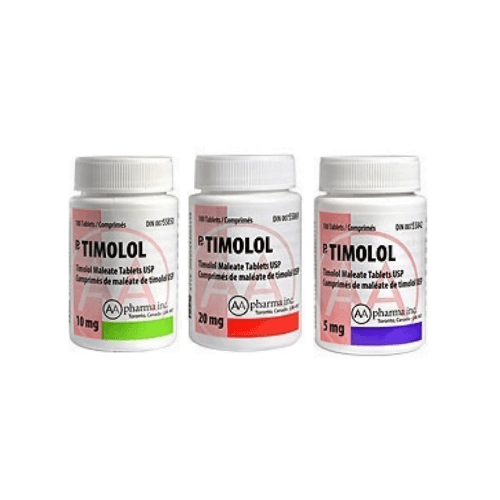
Timolol
Timolol Eye Drops Product Overview and Safety
Price:
Price range: $59.99 through $126.99
You save


Timolol is a prescription eye drop used to lower elevated intraocular pressure in certain eye conditions. This page explains what people often mean when searching timolol eye drops price, along with practical basics on use, safety, and storage. It is written to support informed discussions with an eye-care clinician.
What Timolol Eye Drops Is and How It Works
Timolol eye drops contain timolol (often as timolol maleate), a beta-adrenergic blocker (beta blocker) used in ophthalmology to reduce intraocular pressure. It works mainly by decreasing aqueous humor production (the fluid made inside the eye), which can help protect the optic nerve over time when pressure is elevated. Prescription details may be confirmed with your prescriber when needed before referral is completed.
Some patients explore Ships from Canada to US when local access varies, but rules differ by medication and jurisdiction. Timolol is typically used for open-angle glaucoma and ocular hypertension, and it may be part of a longer-term plan that includes regular pressure checks and optic nerve monitoring. Response can vary, so clinicians often evaluate both pressure and tolerability rather than relying on symptoms alone.
Because timolol is applied to the eye, many people expect only local effects. However, a portion can enter the bloodstream through the tear ducts and nasal tissues. For that reason, the label and clinicians often emphasize correct technique and screening for heart and lung conditions before starting therapy.
Who It’s For
Timolol ophthalmic drops are generally prescribed for people who need intraocular pressure reduction, most commonly in Glaucoma or Ocular Hypertension. It may be used alone or combined with other glaucoma medicines when one medication is not sufficient. The choice depends on eye findings, pressure targets, and medical history.
People comparing timolol eye drops price should also consider whether timolol is clinically appropriate. Timolol is not suitable for everyone, especially those with certain breathing disorders (such as asthma) or specific heart rhythm problems. Clinicians also use caution in people with bradycardia (slow heart rate), heart block, or decompensated heart failure. Additional caution may be needed with diabetes, thyroid disease, or a history of severe allergic reactions, because beta blockers can mask some warning signs.
If you have both eye disease and cardiovascular conditions, it can help to review background information in Cardiovascular and the diagnosis hub for Hypertension so you can bring a complete medication list to appointments. An eye-care clinician can then weigh benefits and risks with your other treatments.
Dosage and Usage
Timolol is used as an eye drop on a schedule set by the prescriber. Depending on the formulation, directions are commonly once or twice daily, and clinicians may adjust the regimen based on measured intraocular pressure and side effects. If timolol is part of a multi-drop plan, spacing doses helps avoid washout and improves contact time on the eye. For anyone tracking timolol eye drops price, consistent technique also matters because wasted drops can shorten how long a bottle lasts.
How to instill drops safely
General label-aligned steps include washing hands, avoiding contact between the bottle tip and the eye or fingers, and placing one drop into the lower eyelid pocket. After the drop lands, gently close the eye and avoid blinking hard. If using more than one ophthalmic medication, many clinicians suggest waiting several minutes between products and following the specific sequence provided by the prescriber. Contact lens wearers are often instructed to remove lenses before dosing and wait to reinsert them, especially if a product contains preservatives.
Why it matters: Gentle tear-duct occlusion (pressing at the inner corner) may reduce systemic absorption.
Do not change your schedule or stop therapy without clinician guidance, because pressure may rise again without obvious symptoms. If you miss a dose, follow the label directions and the prescriber’s instructions rather than doubling up.
Strengths and Forms
Timolol ophthalmic products are available in different concentrations and presentations, which can affect dosing frequency and tolerability. The most commonly referenced strengths are Timolol Ophthalmic Solution 0.25% and Timolol Maleate Ophthalmic Solution 0.5%. Availability can vary by country and pharmacy network, and some patients may see different inactive ingredients between manufacturers.
| Form | Typical strength options | Notes |
|---|---|---|
| Ophthalmic solution | 0.25%, 0.5% | Often used once or twice daily per label and prescriber directions. |
| Gel-forming solution | 0.5% in some markets | Designed to increase contact time; dosing may differ by product. |
You may also encounter brand names such as Timoptic Eye Drops, Timoptol Eye Drops, Betimol Eye Drops, Istalol Eye Drops, Iotim 0.5 Eye Drops, or Timolet Eye Drops. Clinicians sometimes choose a specific product based on preservative sensitivity, bottle design, or prior response. For a broader view of related options, you can browse the Ophthalmology hub, which lists multiple eye-care medications.
Storage and Travel Basics
Store timolol eye drops according to the package labeling for your specific product. Many ophthalmic solutions are kept at controlled room temperature and protected from excess heat and light. Keep the cap tightly closed, and avoid touching the dropper tip to reduce contamination risk. If the solution changes color, becomes cloudy, or develops particles, follow the label guidance and ask a pharmacist for next steps.
If you are comparing timolol eye drops price, include practical handling in your planning. Travel can increase the chance of missed doses or bottle contamination. Pack drops in a clean, sealable bag, and keep them accessible so you can dose on schedule when time zones change. If you use several eye medications, carry an updated list and the dosing order from your clinician.
Quick tip: Set a recurring reminder so doses stay consistent.
Do not share eye drops between people, even within a household. Shared bottles can spread infection and may lead to dosing errors, particularly when more than one medication looks similar.
Side Effects and Safety
Like many glaucoma drops, timolol can cause local eye effects such as transient burning or stinging, blurred vision right after dosing, dry eye symptoms, or redness. Because some medication can enter the bloodstream, timolol may also cause beta-blocker-type effects in some individuals. When reviewing timolol eye drops price, it is reasonable to factor in the need for follow-up visits if side effects limit use.
Systemic effects can include fatigue, dizziness, low blood pressure, slower heart rate, or sleep changes. People with reactive airway disease may be more likely to experience shortness of breath or wheezing. Rarely, more serious events can occur, especially in those with underlying cardiac conduction problems or severe pulmonary disease.
When to seek urgent care
Seek urgent medical evaluation for signs that could indicate a severe reaction or clinically significant systemic beta-blocker effects. Concerning symptoms can include new or worsening wheezing, trouble breathing, fainting, chest pain, marked lightheadedness, or an unusually slow or irregular heartbeat. Eye-related red flags include sudden vision loss, severe eye pain, or significant swelling with rash. If symptoms are severe, do not wait for the next scheduled eye appointment; use local emergency services and bring the medication bottle or package information.
Ongoing monitoring for glaucoma typically includes pressure checks and optic nerve assessment. Educational resources in Ophthalmology Articles may help you understand why follow-up matters, and this discussion of Regular Ophthalmology Appointments is a reminder that eye monitoring can be important even when symptoms are minimal.
Drug Interactions and Cautions
Timolol can interact with other medicines, particularly those that also lower heart rate or blood pressure. Examples include oral beta blockers, certain calcium channel blockers, digoxin, and some antiarrhythmics. Using more than one beta blocker (even if one is an eye drop) can increase the chance of bradycardia or hypotension. Always provide a complete medication list, including OTC products and supplements.
When evaluating timolol eye drops price, also consider medication-combination complexity and medical screening needs. Clinicians may be cautious in people with asthma or COPD, diabetes (because adrenergic symptoms of hypoglycemia can be masked), or thyroid disease (because some hyperthyroid warning signs can be reduced). If you are scheduled for surgery, tell the surgical team you use timolol, since beta-blocker exposure can matter for anesthesia planning.
Using multiple ophthalmic products can also create practical issues. Preservatives may worsen ocular surface irritation for some people, and incorrect spacing between drops can reduce effectiveness. A clinician or pharmacist can help you build a clear dosing schedule that fits daily routines.
Compare With Alternatives
Several medication classes lower intraocular pressure, and selection depends on the type of glaucoma, target pressure, and side-effect profile. Prostaglandin analogs (for example, bimatoprost or latanoprost) are commonly used and are often dosed once daily, but they can change eyelash growth and iris pigmentation in some people. Alpha-2 agonists (such as brimonidine) and carbonic anhydrase inhibitors (such as dorzolamide) are other options that may be used alone or in combination.
Combination products may simplify regimens by reducing the number of bottles. For example, dorzolamide/timolol combination drops are available as Cosopt in some settings. Another non–beta blocker option in the glaucoma category is Vyzulta Ophthalmic Solution, which works through a different pathway and may be used when beta blockers are not suitable. Your eye-care clinician can explain why a given class is preferred for your situation.
- Dosing frequency: once vs multiple daily doses
- Medical history: heart or lung cautions
- Ocular surface: dryness and irritation risk
- Adherence needs: bottle count and schedule
If a change is needed, clinicians typically base decisions on measured pressure and tolerability rather than symptoms alone.
Pricing and Access
Access to timolol is usually prescription-based, and the timolol eye drops price can vary by strength, formulation, manufacturer (brand vs generic), and whether it is used alone or as part of combination therapy. Coverage rules differ between plans, and prior authorization or step therapy may apply in some cases. Dispensing is completed by licensed third-party pharmacies where permitted.
For patients paying without insurance, out-of-pocket amounts may depend on pharmacy dispensing fees, bottle size, and whether a prescriber specifies a particular brand. Documentation needs can also affect the process, especially when prescriptions are transferred or renewed. If you are reviewing general access considerations, the Current Programs page may provide context about site-wide programs without changing medical decision-making.
It can also help to compare options within the Ophthalmology category to understand which products are single-agent versus combination drops. If you have coexisting cardiovascular conditions, browsing Cardiovascular Articles can support better medication-list discussions with your care team. When prescriptions require clarification, a referral platform may coordinate confirmation with the prescriber before the pharmacy proceeds.
Authoritative Sources
For official labeling details and contraindications, review the drug monograph in: DailyMed labeling database.
For clinical background on glaucoma and pressure monitoring, see patient education from: American Academy of Ophthalmology.
Depending on eligibility and jurisdiction, orders may be coordinated using prompt, express, cold-chain shipping through licensed partners.
This content is for informational purposes only and is not a substitute for professional medical advice.
Express Shipping - from $25.00
Shipping with this method takes 3-5 days
Prices:
- Dry-Packed Products $25.00
- Cold-Packed Products $35.00
Standard Shipping - $15.00
Shipping with this method takes 5-10 days
Prices:
- Dry-Packed Products $15.00
- Not available for Cold-Packed products
How does timolol lower eye pressure?
Timolol is an ophthalmic beta blocker. In the eye, it primarily reduces production of aqueous humor (the clear fluid inside the front of the eye). Less fluid production generally leads to lower intraocular pressure, which helps reduce stress on the optic nerve in glaucoma or ocular hypertension. The effect is measured with pressure checks rather than symptoms, since many people do not feel high pressure. Your clinician may also monitor optic nerve appearance and visual fields over time.
How long does it take timolol eye drops to start working?
Timolol can begin lowering intraocular pressure within hours, but clinicians usually judge the response over follow-up visits. The timing can vary by formulation, dosing schedule, and the baseline pressure. Because glaucoma often has no noticeable symptoms, “working” usually means your measured eye pressure is closer to the target set by your eye-care clinician. If pressure remains elevated, the plan may involve adjusting the regimen or adding another medication class.
What side effects are common with timolol eye drops?
Common effects are local and short-lived, such as mild burning or stinging after instillation, temporary blurred vision, dry eye symptoms, watery eyes, or redness. Some people notice irritation that improves when dosing technique is corrected or when drops are spaced from other products. Because some timolol can be absorbed systemically, fatigue or dizziness can occur in susceptible individuals. Report persistent irritation, new breathing symptoms, or faintness to a clinician promptly.
Can timolol eye drops affect the heart or lungs?
Yes. Although applied to the eye, timolol can enter the bloodstream and act like other beta blockers. It may slow heart rate and lower blood pressure, and it can worsen bronchospasm in people with asthma or certain COPD patterns. Risk depends on medical history, other medications, and dosing technique (tear-duct occlusion may reduce absorption). Seek urgent care for wheezing, breathing difficulty, fainting, or an unusually slow or irregular heartbeat.
How should I use timolol if I also use other eye drops?
When multiple eye drops are prescribed, spacing them helps prevent one drop from washing out another. Many clinicians recommend waiting several minutes between different products, but your prescriber’s sequence and timing should be followed. If you use an ointment, it is often applied last because it can block absorption of solutions. Keep a written schedule that includes times, which eye(s) to treat, and any contact-lens instructions, especially if preservatives are present.
What should I ask my clinician before starting timolol?
Bring a complete medication list and ask whether timolol is appropriate given any history of asthma, COPD, slow heart rate, heart block, fainting episodes, or heart failure. You can also ask how your intraocular pressure target was chosen and what monitoring is planned (pressure checks, optic nerve exams, visual fields). If you have diabetes or thyroid disease, ask how beta-blocker exposure may affect symptom recognition. Finally, confirm how to space timolol from other eye medications.
What should I do if I miss a dose of timolol eye drops?
Follow the directions on your product label and the plan your prescriber gave you. In general, if you remember relatively soon, you may be instructed to use the missed dose; if it is close to the next scheduled dose, you may be told to skip and resume the regular schedule. Do not double doses unless a clinician specifically instructs it. If missed doses happen often, consider non-medical fixes like reminders or reorganizing your dosing routine.
Rewards Program
Earn points on birthdays, product orders, reviews, friend referrals, and more! Enjoy your medication at unparalleled discounts while reaping rewards for every step you take with us.
You can read more about rewards here.
POINT VALUE
How to earn points
- 1Create an account and start earning.
- 2Earn points every time you shop or perform certain actions.
- 3Redeem points for exclusive discounts.
You Might Also Like
Select options
This product has multiple variants. The options may be chosen on the product page
Select options
This product has multiple variants. The options may be chosen on the product page
Timolol Maleate Ophthalmic Solution
Price range: $38.99 through $42.99
You save
- In Stock
- Express Shipping
Select options
This product has multiple variants. The options may be chosen on the product page
Select options
This product has multiple variants. The options may be chosen on the product page
Related Articles
Type 2 Diabetes,
Oral Wegovy Explained: Facts, Risks, and Access Options
The phrase oral wegovy is best understood as a search term, not a settled product name. Most people use it to mean a pill version of semaglutide for weight management,…
Diabetes, General Health,
Glp-1 Drugs Over The Counter: What’s Real And What’s Not
Key Takeaways Prescription GLP-1 medicines are not sold as true OTC drugs. Many “GLP-1” supplements aim to support fullness, not mimic prescriptions. Online “no prescription” offers raise counterfeit and quality…
Diabetes, Type 2
GLP-1 Cost Without Insurance: Compare Cash-Pay Options
Key Takeaways Many people searching for glp-1 cost without insurance are trying to plan for a long-term expense. The total can change based on the drug, the pharmacy, and how…
Cardiovascular, Diabetes, Nephrology,
SGLT2 Inhibitors Drugs: Names, Uses, And Safety Notes
Key Takeaways They lower glucose by increasing urinary sugar loss. Common options include dapagliflozin, empagliflozin, canagliflozin, and ertugliflozin. Some products combine an SGLT2 inhibitor with metformin. Risks include dehydration and…