
Please note: a valid prescription is required for all prescription medication.
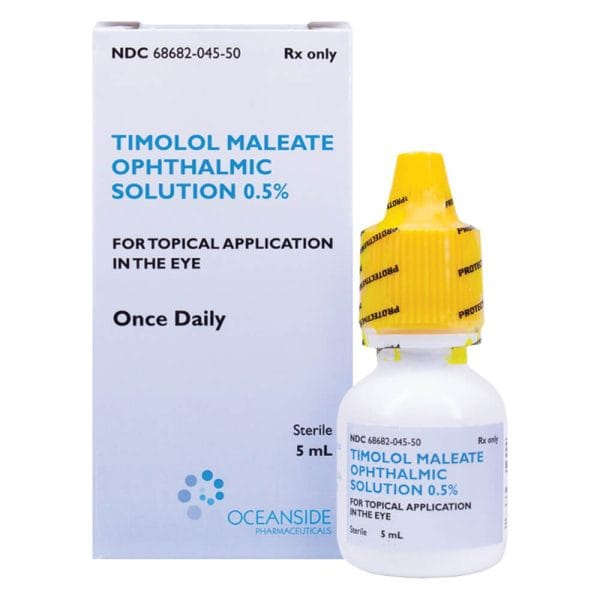
Timolol Maleate Ophthalmic Solution
Timolol Maleate Ophthalmic Solution Uses and Safety Overview
Price:
Price range: $38.99 through $42.99
You save


Timolol Maleate Ophthalmic Solution is a prescription eye drop used to reduce pressure inside the eye. Lowering intraocular pressure can help protect the optic nerve over time. This page explains how the medicine works, how it is typically used, and key safety and handling basics.
- How it lowers eye pressure
- Who may benefit from therapy
- How to use eye drops safely
- Expected and serious side effects
- Interaction and caution checkpoints
- Available strengths and forms
- Storage and travel handling
- Access and documentation basics
What Timolol Maleate Ophthalmic Solution Is and How It Works
Timolol is an ophthalmic beta-blocker (a medicine that blocks beta-adrenergic receptors). In the eye, this effect can reduce production of aqueous humor (the clear fluid inside the front of the eye). With less fluid being made, intraocular pressure may decrease. CanadianInsulin operates as a prescription referral service and does not dispense medications directly.
Some patients explore Ships from Canada to US when cross-border dispensing is permitted and clinically appropriate. This medication is often used long term, so it helps to understand how your clinician plans to monitor pressure readings and optic nerve health over time. While you may hear the brand name Timoptic ophthalmic solution, many patients receive a generic equivalent labeled as timolol maleate eye drops.
Why it matters: Ongoing pressure control is meant to reduce the risk of vision loss.
Who It’s For
Timolol ophthalmic drops are commonly prescribed for open-angle glaucoma and for ocular hypertension (pressure above the normal range without definite glaucoma damage). Many care plans combine a pressure-lowering drop with routine eye exams, visual field testing, and optic nerve imaging. For condition context and related options, you can browse the Glaucoma Hub and Ocular Hypertension.
This medicine is not appropriate for everyone. It is typically contraindicated in patients with certain breathing and heart rhythm conditions, because beta-blockers can affect airway tone and heart rate even when used as drops. Clinicians may avoid timolol in people with asthma, severe COPD, sinus bradycardia, second- or third-degree AV block, cardiogenic shock, or overt heart failure. It may also be avoided after a prior serious hypersensitivity reaction to timolol or related ingredients.
Extra caution is often needed if you have diabetes, thyroid disease, myasthenia gravis, or circulation problems, because systemic beta-blockade can mask symptoms or worsen underlying issues. Share a complete medical history and an updated medication list before starting therapy.
Dosage and Usage
For many adults, timolol eye drops are used as one drop in the affected eye or eyes on a regular schedule, often twice daily at first. A prescriber may start with a lower strength and adjust based on measured pressure and tolerability. When pressure is controlled, some regimens may be reduced, but any schedule change should be directed by the prescriber and based on follow-up measurements.
When using Timolol Maleate Ophthalmic Solution, technique matters because it affects both comfort and systemic absorption. Wash hands, remove contact lenses if directed, and avoid touching the dropper tip to the eye, fingers, or any surface. If you use more than one ophthalmic medication, clinicians often recommend spacing products apart to avoid washout and confusion about which drop went in.
Quick tip: Keep a simple checklist so doses are not duplicated.
- Use as prescribed only
- Do not share bottles
- Wait between different drops
- Recap tightly after use
Strengths and Forms
Timolol is supplied as an ophthalmic solution (liquid eye drops). The most common strengths are Timolol ophthalmic solution 0.25% and Timolol ophthalmic solution 0.5%. You may also see labeling such as Timolol USP ophthalmic solution or a brand reference like Timoptic 0.25% eye drops or Timoptic 0.5% eye drops, depending on the manufacturer and market.
Packaging details, preservatives, and bottle design can vary by supplier, and availability may differ by jurisdiction. If you have sensitivities (for example, irritation with a preservative), discuss that history with your eye-care clinician so they can match the formulation to your needs when possible.
| Strength | Common label wording | Notes to confirm |
|---|---|---|
| 0.25% | Timolol maleate ophthalmic 0.25% | Preservative and bottle type |
| 0.5% | Timolol maleate ophthalmic 0.5% | Concentration and directions |
Storage and Travel Basics
Store ophthalmic solutions according to the product label and pharmacy directions. Many timolol products are stored at controlled room temperature and protected from excessive heat and light. Keep the cap tightly closed and the tip clean to reduce contamination risk. If the solution changes color, becomes cloudy, or you suspect contamination, contact the dispensing pharmacy or your clinician for next steps.
For travel, keep the bottle in its original carton if you have it, along with the prescription label information. Avoid leaving drops in a hot car or in direct sunlight. If you carry multiple eye medications, consider a separate small pouch so caps do not loosen and labels remain readable. For broader eye-health reading, the Ophthalmology Articles hub can be a helpful place to browse related topics.
Side Effects and Safety
Many people notice brief stinging or burning after instillation, along with temporary blurred vision, watery eyes, or mild eye irritation. Dry eye symptoms can occur, especially if you already use other topical medications. Headache or fatigue may also occur in some patients. If eye discomfort persists or your vision changes do not resolve, report this to your eye-care clinician.
Because timolol is a beta-blocker, some side effects can be systemic even though it is used in the eye. Seek urgent care for severe shortness of breath, wheezing, fainting, very slow heartbeat, chest pain, swelling, or signs of a serious allergic reaction. Mood changes or sleep disturbance have been reported with beta-blockers in some cases. If you have diabetes, also note that beta-blockers can mask typical symptoms of low blood sugar, so monitoring plans may need review.
Why it matters: New breathing or heart symptoms should be treated as time-sensitive.
Drug Interactions and Cautions
Drug interactions are possible, particularly with medicines that also slow heart rate or lower blood pressure. Using timolol eye drops alongside an oral beta-blocker can increase beta-blockade. Clinicians also watch for additive effects with certain calcium channel blockers, digoxin, or antiarrhythmics. If you are scheduled for surgery, tell the anesthesia team you use an ophthalmic beta-blocker.
Other interactions can involve medications that affect how timolol is metabolized, including some CYP2D6 inhibitors used for mood disorders or arrhythmias. This does not mean the combination is always unsafe, but it does mean your prescriber may want closer monitoring or an alternative. Also disclose inhalers or other asthma/COPD therapies, because bronchospasm risk is a key concern for susceptible patients.
- Systemic beta-blockers
- Digoxin and antiarrhythmics
- Some antidepressants
- Respiratory disease therapies
Compare With Alternatives
Timolol Maleate Ophthalmic Solution is one of several medication classes used to reduce intraocular pressure. Alternatives include carbonic anhydrase inhibitors (which reduce aqueous humor formation), alpha agonists (which reduce fluid production and may increase outflow), and prostaglandin analogs (which increase outflow). Each class has a distinct side effect profile and dosing pattern, and clinicians choose based on eye findings and your medical history.
Examples that may be considered in glaucoma care include Dorzolamide Ophthalmic Solution and combination drops such as Cosopt Overview. Other options can include brimonidine products and prostaglandin analogs like bimatoprost or latanoprost. Your clinician may also recommend laser or surgical approaches if drops do not provide adequate control or are not tolerated.
Pricing and Access
Access to prescription eye drops depends on the exact formulation, local regulations, and the documentation required by the dispensing pharmacy. Coverage rules vary by plan, and out-of-pocket responsibility may differ between a brand product and a generic. Some patients compare options without insurance as part of budgeting for chronic therapy, while others focus on formulary status and prior authorization requirements.
Timolol Maleate Ophthalmic Solution generally requires a valid prescription, and prescription details may need to be confirmed with the prescriber before referral and processing. When dispensing is permitted, fulfillment is handled by licensed third-party pharmacies. If you are reviewing educational updates that may affect coverage or paperwork, the Promotions Page may summarize current program information in one place, separate from clinical guidance.
For shoppers comparing similar items, browsing the Ophthalmology Products hub can help you see related therapies by category. If you are managing multiple chronic conditions, background reading such as Common Diabetes Medications and Living With Diabetes Tips may help you prepare a complete medication list for your appointments.
Authoritative Sources
For prescribing indications, contraindications, and detailed adverse reaction information, the most reliable source is the official drug label. A clinician or pharmacist can also help interpret how label precautions apply to your medical history, especially for heart and lung conditions where beta-blockers require added care.
For label and ingredient specifics, consult this reference: DailyMed drug labeling database from the U.S. National Library of Medicine.
For patient-friendly safety information, consult this reference: MedlinePlus timolol ophthalmic information from the U.S. National Library of Medicine.
For eye disease background and follow-up testing context, consult this reference: American Academy of Ophthalmology overview of glaucoma.
For certain routes and products, pharmacies may use prompt, express, cold-chain shipping when temperature control is required.
This content is for informational purposes only and is not a substitute for professional medical advice.
Express Shipping - from $25.00
Shipping with this method takes 3-5 days
Prices:
- Dry-Packed Products $25.00
- Cold-Packed Products $35.00
Standard Shipping - $15.00
Shipping with this method takes 5-10 days
Prices:
- Dry-Packed Products $15.00
- Not available for Cold-Packed products
How do timolol eye drops lower eye pressure?
Timolol eye drops are beta-blockers. In the eye, beta-blockade can reduce the amount of aqueous humor (the clear fluid in the front of the eye) that is produced. When less fluid is produced, intraocular pressure may decrease. Lowering pressure is one way clinicians try to protect the optic nerve in conditions such as open-angle glaucoma and ocular hypertension. The exact pressure response varies, so follow-up eye pressure checks and exams are typically used to judge whether the regimen is working and tolerated.
What is the difference between 0.25% and 0.5% timolol ophthalmic solution?
The difference is concentration: 0.5% contains more timolol per volume than 0.25%. Prescribers may start with a lower strength and adjust depending on measured intraocular pressure, side effects, and other medical conditions. Higher concentrations can increase the chance of systemic beta-blocker effects in some people, especially those sensitive to heart-rate or breathing changes. The specific product and directions on your prescription label are the best guide. Ask your clinician or pharmacist to confirm that you received the intended strength.
Can timolol eye drops affect heart rate or breathing?
Yes. Although used in the eye, timolol can be absorbed into the bloodstream and act like other beta-blockers. This may slow heart rate or worsen certain breathing conditions in susceptible patients. People with asthma, severe COPD, some heart rhythm disorders, or heart failure may be advised not to use it. Seek urgent care if you develop wheezing, severe shortness of breath, fainting, or a markedly slow pulse. Tell your clinician about any heart or lung history before starting timolol.
How should I use timolol drops if I also use other eye medications?
When more than one ophthalmic medication is prescribed, clinicians often recommend spacing drops out to reduce washout and to help you track what was used. The exact spacing can vary by regimen, so follow your prescriber’s directions. It also helps to use the same routine each day, keep bottles clearly separated, and avoid touching the tip to the eye or skin. If you use contact lenses, follow lens-handling directions on the label or from your eye-care clinician, since some products require removing lenses first.
What symptoms mean I should stop the drops and seek urgent help?
Urgent symptoms can include wheezing or severe shortness of breath, fainting, chest pain, very slow heartbeat, swelling of the face or throat, or widespread rash. These may signal serious beta-blocker effects or an allergic reaction. Vision-threatening eye symptoms also need prompt assessment, including sudden vision loss, severe eye pain, or significant swelling with discharge. For less severe issues such as mild stinging or temporary blurred vision, contact your eye-care clinician if symptoms persist or interfere with daily activities.
What should I ask my clinician before starting timolol ophthalmic solution?
Bring a full list of medicines and supplements, plus your medical history. Ask whether timolol is appropriate if you have asthma/COPD, slow heart rate, heart block, heart failure, diabetes, thyroid disease, or circulation problems. Confirm the intended strength (0.25% vs 0.5%) and how often it should be used. If you are on an oral beta-blocker or certain heart medications, ask whether added monitoring is needed. Also ask what follow-up schedule is planned to reassess intraocular pressure and side effects.
Rewards Program
Earn points on birthdays, product orders, reviews, friend referrals, and more! Enjoy your medication at unparalleled discounts while reaping rewards for every step you take with us.
You can read more about rewards here.
POINT VALUE
How to earn points
- 1Create an account and start earning.
- 2Earn points every time you shop or perform certain actions.
- 3Redeem points for exclusive discounts.
You Might Also Like
Select options
This product has multiple variants. The options may be chosen on the product page
Select options
This product has multiple variants. The options may be chosen on the product page
Select options
This product has multiple variants. The options may be chosen on the product page
Select options
This product has multiple variants. The options may be chosen on the product page
Related Articles
Type 2 Diabetes,
Liraglutide Vs Semaglutide Comparison Guide For Patients
Key Takeaways People searching liraglutide vs semaglutide usually want a practical comparison, not a slogan. The most useful differences involve formulation, schedule, approved uses, side effect patterns, and the paperwork…
Weight Management
Generic Zepbound: Availability, Status, and Options
Key Takeaways Patients and caregivers often search for generic zepbound when they need a clear answer about availability, labeling, and lower-cost access. The term is common online, but it does…
Type 2 Diabetes,
Oral Wegovy Explained: Facts, Risks, and Access Options
The phrase oral wegovy is best understood as a search term, not a settled product name. Most people use it to mean a pill version of semaglutide for weight management,…
Diabetes, General Health,
Glp-1 Drugs Over The Counter: What’s Real And What’s Not
Key Takeaways Prescription GLP-1 medicines are not sold as true OTC drugs. Many “GLP-1” supplements aim to support fullness, not mimic prescriptions. Online “no prescription” offers raise counterfeit and quality…