
Shipping with this method takes 3-5 days
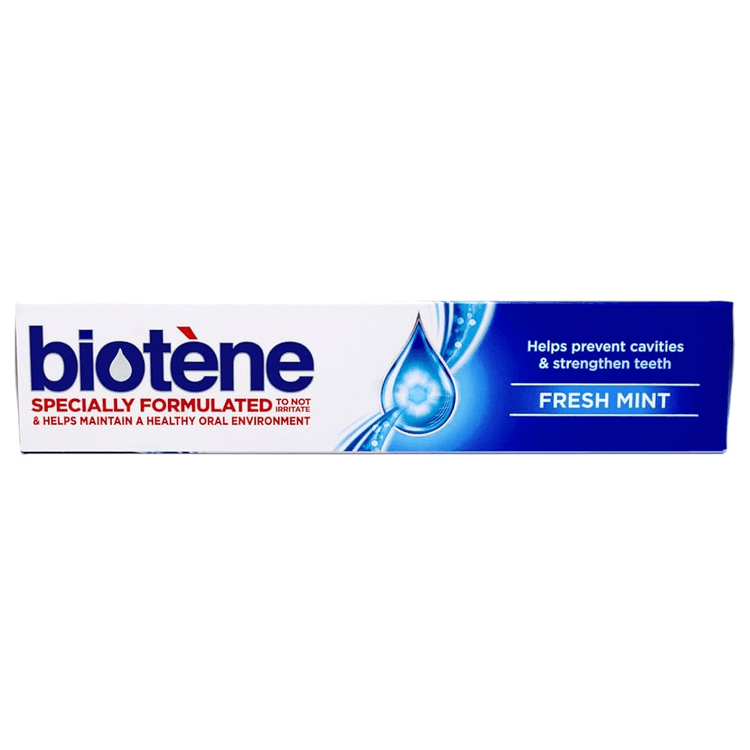
Toothpaste Biotène Fresh Mint
Buy Biotène Fresh Mint Toothpaste Online


Biotène Fresh Mint toothpaste is a fluoride toothpaste made for daily brushing when dry mouth makes oral care feel uncomfortable. You can buy Biotène Fresh Mint toothpaste online, view the current price, and choose the tube size and quantity shown during ordering. Match the formula, flavor, and package information to your dental needs and the directions on the tube.
This SLS-free toothpaste is commonly chosen by people who want a gentle mint brushing experience with cavity protection. It can help clean teeth and freshen breath, but it does not treat the underlying cause of dry mouth. Persistent mouth dryness, sores, bleeding gums, or tooth pain should be discussed with a dentist or clinician.
Biotène Fresh Mint Toothpaste Price and Tube Selection
The Biotène Fresh Mint toothpaste price should be read together with the tube size, quantity, and package description shown during ordering. A lower amount is not always better value if the tube is smaller or the quantity differs. Biotène Fresh Mint toothpaste 4.3 oz is a common retail presentation, but package information can change, so use the visible size and quantity fields for the final comparison.
Fresh Mint Original, gentle formula toothpaste, mouthwash, oral rinse, gel, and spray can look similar in search results. For brushing teeth, choose the toothpaste form and confirm that the flavor is Fresh Mint. If more than one Biotène item appears in your cart, separate toothbrushing products from products meant to moisten the mouth between brushing.
The final cost may change with quantity, handling fees, service location, and the order summary shown before payment. If you are comparing Biotène toothpaste Fresh Mint price across sources, focus on the current product name, ounce amount, and total order amount rather than older snippets or review summaries.
Quick tip: Confirm the ounce amount and quantity before comparing values.
How to Order Biotène Fresh Mint Toothpaste
To order Biotène Fresh Mint toothpaste, choose the toothpaste form that matches the Fresh Mint formula and select the quantity you need. Review the active ingredient, flavor, tube size, and order summary before payment. Accurate contact and address information helps avoid follow-up delays if an order detail needs clarification.
US delivery from Canada may be available for this oral-care item based on the order details entered at checkout. Do not rely on the product name alone for service expectations. The most useful fields are the item name, quantity, destination address, handling notes, and the final summary shown before the order is placed.
- Product form: select toothpaste, not mouthwash, gel, or spray.
- Flavor: confirm Fresh Mint on the package description.
- Size: compare the ounce amount shown for the tube.
- Quantity: distinguish a single tube from a multipack.
- Formula notes: look for fluoride and SLS-free wording on the package.
What This Dry Mouth Toothpaste Is Used For
Biotène dry mouth toothpaste Fresh Mint is used for everyday toothbrushing when a dry or sensitive mouth makes stronger foaming toothpastes uncomfortable. Dry mouth, also called xerostomia, means the mouth does not feel adequately moist. It can contribute to bad breath, sticky saliva, difficulty chewing, denture discomfort, and higher cavity risk.
Fluoride toothpaste for dry mouth supports enamel protection when used as directed. Fluoride helps strengthen tooth enamel against acid attack, while brushing removes plaque from tooth surfaces and around the gumline. The fresh mint flavor may help breath feel cleaner after brushing, but mint flavor does not replace treatment for oral infection, gum disease, or uncontrolled dryness.
For symptom-based browsing, the Dry Mouth collection groups related oral-care products. The Oral Health category can also help you separate toothpastes from rinses, gels, and other mouth-care products.
Formula Features and Ingredients to Check
Biotène fluoride toothpaste Fresh Mint is positioned as an SLS-free toothpaste. Sodium lauryl sulfate, or SLS, is a detergent that creates foam in many toothpastes. Some people with dry mouth, mouth tenderness, or sensitivity prefer SLS-free toothpaste because heavy foaming may feel irritating.
Biotène toothpaste fresh mint ingredients should always be checked on the current package before use. Ingredient panels can change over time, and people may react differently to flavoring agents, preservatives, or other inactive ingredients. If you avoid specific ingredients because of allergy, oral sensitivity, religious requirements, or personal preference, use the package label as the source of truth.
A sugar free fluoride toothpaste may be useful for people paying close attention to plaque and cavity risk, but do not assume a formula feature from a keyword or older image. Read the active ingredient, inactive ingredients, warnings, and directions printed on the tube or carton. If mint stings or worsens soreness, ask a dental professional about a non-mint or less flavored alternative.
| Detail | What to Look For | Why It Matters |
|---|---|---|
| Product type | Fluoride toothpaste | Used for brushing teeth and supporting cavity prevention. |
| Flavor | Fresh Mint | May help breath feel fresher after brushing. |
| Formula feature | SLS-free wording | May feel gentler for some dry or sensitive mouths. |
| Tube size | 4.3 oz when shown | Helps with value and quantity comparisons. |
| Use context | Dry mouth oral care | Supports hygiene but does not correct the cause of dryness. |
Why it matters: A similar Biotène name may refer to a different oral-care form.
Who May Benefit From a Gentle Mint Toothpaste
Biotène toothpaste for dry mouth may suit adults who feel mouth dryness during the day or overnight, especially when standard foaming toothpaste feels harsh. Medication use, dehydration, diabetes, Sjögren’s disease, cancer therapies, aging, mouth breathing, and sleep apnea can all be associated with dry mouth. A toothpaste can make brushing more comfortable, but it cannot diagnose the reason saliva feels low.
Biotène toothpaste for sensitive mouth may also be considered when brushing triggers mild irritation from stronger flavors or detergents. Sensitivity can have many causes, including gum recession, worn enamel, cavities, cracked teeth, ulcers, thrush, or gum inflammation. New or worsening pain should be assessed rather than covered with a product change alone.
People with diabetes often need extra attention to saliva changes, gum health, and cavity prevention. The Oral Health article category provides related reading for dental questions that may come up during routine care. Use educational content to prepare questions for your dentist, not to diagnose mouth symptoms at home.
Safety, Warnings, and When to Seek Care
Use Biotène Fresh Mint Original toothpaste according to the package directions. Apply only the amount recommended for brushing, avoid swallowing more than incidental brushing residue, and supervise children according to age-appropriate label instructions. If a larger amount is swallowed accidentally, contact a poison control center or seek medical help.
Do not use this toothpaste if you have had an allergic reaction to any listed ingredient. Stop using it and seek advice if you develop rash, swelling, itching, mouth peeling, burning, sores, or worsening tenderness. Breathing difficulty, facial swelling, or severe allergic symptoms need urgent care.
Dry mouth increases the risk of cavities because saliva helps wash food debris, buffer acids, and protect oral tissues. Contact a dentist or clinician if dryness is persistent, severe, or linked with trouble swallowing, white patches, bleeding gums, fever, mouth ulcers, loose teeth, facial swelling, or repeated dental decay. Those symptoms may need treatment beyond toothpaste.
- Allergy concerns: swelling, rash, itching, or breathing trouble.
- Irritation concerns: burning, peeling, sores, or worsening mouth pain.
- Dental concerns: new cavities, bleeding gums, or tooth sensitivity.
- Urgent concerns: fever, facial swelling, or trouble swallowing.
Storage, Travel, and Handling
Store the tube with the cap closed in a clean, dry place unless the package gives different instructions. Keep the opening away from debris, shared sink surfaces, and excess heat. Closing the cap after each use helps reduce drying around the nozzle and limits contamination.
For travel, keep the toothpaste in its original labeled tube so the formula, active ingredient, expiration information, and warnings remain visible. If you carry several oral-care products, separate toothpaste from gels and rinses to avoid mix-ups. Replace the tube if the seal is broken, the package is leaking, or the contents look unusual.
Biotène Fresh Mint toothpaste does not require insulin-style cold-chain handling. If your order includes other health products, follow any separate handling instructions for those items. For this toothpaste, the main practical checks are intact packaging, readable labeling, and storage away from children.
How It Compares With Other Dry Mouth Products
Toothpaste, mouthwash, oral rinse, gel, spray, and lozenges are not interchangeable. A fluoride toothpaste is used with a toothbrush to clean teeth and support enamel protection. Rinses or gels may be used for mouth comfort, breath freshness, or moisture support between brushing, depending on their label directions.
If bad breath is the main concern, Biotène toothpaste for bad breath may help when dryness contributes to odor. Breath changes can also come from gum disease, cavities, sinus issues, smoking, diet, reflux, or infection. Ongoing bad breath deserves dental assessment, especially when it occurs with bleeding gums or tooth pain.
For broader browsing beyond dry mouth, the General Care category includes non-specialty personal-care and wellness items. Use category browsing to keep oral-care purchases distinct from medications and disease-specific supplies.
Using Reviews Without Missing Safety Checks
Biotène Fresh Mint toothpaste reviews may describe taste, texture, foam level, and how the mouth feels after brushing. Those experiences can help set expectations, especially if you dislike strong mint or high-foam toothpaste. Reviews cannot confirm whether the formula is appropriate for your allergies, dental history, or cause of dryness.
When reading feedback, separate comfort comments from medical claims. A person may prefer the mouthfeel without having the same oral health needs as you. The safest purchase decision combines current package directions, ingredient review, dentist guidance for ongoing symptoms, and the exact tube size and quantity you plan to buy.
Authoritative Sources
These sources support formula and oral-health safety context. They do not replace the current package label or individualized dental advice.
- Official product information: Biotène Fresh Mint Original Fluoride Toothpaste.
- Oral-health guidance: National Institute of Dental and Craniofacial Research dry mouth information.
- Fluoride safety and use context: American Dental Association fluoride topic page.
This content is for informational purposes only and is not a substitute for professional medical advice.
Express Shipping - from $29.99
Prices:
- Dry-Packed Products $29.99
- Cold-Packed Products $39.99
Standard Shipping - $19.99
Shipping with this method takes 5-10 days
Prices:
- Dry-Packed Products $19.99
- Not available for Cold-Packed products
What is Biotène Fresh Mint toothpaste used for?
Biotène Fresh Mint toothpaste is used for daily brushing when dry mouth or oral sensitivity makes regular toothpaste uncomfortable. It provides fluoride cavity protection when used as directed and may help breath feel fresher after brushing.
Is Biotène Fresh Mint toothpaste the same as Biotène mouthwash?
No. Biotène Fresh Mint toothpaste is used with a toothbrush to clean teeth. Biotène mouthwash, rinses, gels, and sprays have different directions and are not substitutes for fluoride toothpaste unless a dental professional tells you otherwise.
Can Biotène Fresh Mint toothpaste help bad breath?
It may help breath feel fresher, especially when dry mouth contributes to odor. Persistent bad breath can also come from gum disease, cavities, sinus problems, reflux, smoking, or infection, so ongoing symptoms should be assessed.
Who should avoid Biotène Fresh Mint toothpaste?
Avoid it if you have had an allergic reaction to any listed ingredient or have been told to avoid a component in the formula. Stop using it and seek advice if burning, swelling, rash, sores, peeling, or worsening pain occurs.
How should Biotène Fresh Mint toothpaste be stored?
Keep the cap closed and store the tube in a clean, dry place unless the package gives different instructions. Do not use the toothpaste if the seal is broken, the tube is leaking, or the contents look unusual.
Rewards Program
Earn points on birthdays, product orders, reviews, friend referrals, and more! Enjoy your medication at unparalleled discounts while reaping rewards for every step you take with us.
You can read more about rewards here.
POINT VALUE
How to earn points
- 1Create an account and start earning.
- 2Earn points every time you shop or perform certain actions.
- 3Redeem points for exclusive discounts.
You Might Also Like
Select options
This product has multiple variants. The options may be chosen on the product page
Select options
This product has multiple variants. The options may be chosen on the product page
Select options
This product has multiple variants. The options may be chosen on the product page
Select options
This product has multiple variants. The options may be chosen on the product page
Related Articles
Weight Management
Weight Loss and Calories Calculator: Safe Planning Basics
A weight loss and calories calculator estimates daily calories for maintenance and planned weight change by using your age, sex, height, weight, activity level, and goal. It gives a starting…
Diabetes, Type 1
Humulin N Dosage Chart: Safe Use and Adjustment Factors
A Humulin N dosage chart can help you organize a prescribed insulin plan, but it should not decide your dose. Humulin N is insulin isophane, also called NPH insulin (neutral…
Diabetes, Type 1
Humalog KwikPen Generic Options and Insulin Lispro Safety
A Humalog KwikPen generic search usually comes down to one key point: Humalog KwikPen contains insulin lispro, but insulin copies are not always handled like traditional small-molecule generics. Some products…
Diabetes
Insulin Syringe Sizes: Barrel, Needle, and Safety Basics
Insulin syringe sizes describe three things: how much the barrel holds, how long the needle is, and how thin the needle is. These details matter because insulin is measured in…