
Please note: a valid prescription is required for all prescription medication.
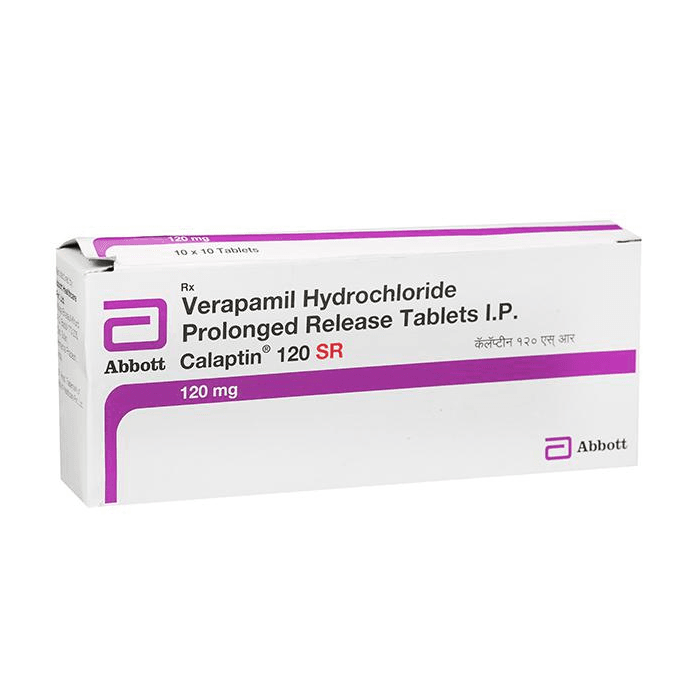
Verapamil SR
Verapamil SR Uses and Safety Overview
Price:
Price range: $80.99 through $260.99
You save


Verapamil hydrochloride sustained-release is a prescription calcium channel blocker used in cardiovascular care. Verapamil SR is commonly used for conditions such as high blood pressure and certain rhythm-related problems, depending on the specific clinical goal. This page summarizes how sustained-release forms work, typical use patterns, safety topics, and practical handling basics.
What Verapamil Is and How It Works
Verapamil is a non-dihydropyridine calcium channel blocker, meaning it affects both blood vessels and the heart’s electrical conduction system. It can relax arterial smooth muscle to lower blood pressure and can slow conduction through the atrioventricular node (the “AV node,” a key relay in heart rhythm control). Prescription details may be verified with the prescriber before referral processing. Some patients explore US shipping from Canada when planning refills, depending on eligibility and jurisdiction.
Sustained-release (SR) formulations are designed to release medication gradually over time. This can help smooth peaks and troughs compared with immediate-release versions, but it also means tablets or capsules often must be swallowed whole. In Verapamil SR, the release mechanism varies by manufacturer, which is one reason different SR/ER products are not always interchangeable without clinician review.
In practice, this medicine may be used to help manage chronic hypertension, reduce angina symptoms, or help control ventricular rate in some supraventricular arrhythmias. The intended effect and monitoring approach depend on why it is prescribed and what other cardiac conditions are present. Dispensing is handled by licensed partner pharmacies where permitted.
Who It’s For
Clinicians may prescribe Verapamil SR for adults who need ongoing blood pressure management, treatment for chronic stable angina, or rate control in selected supraventricular arrhythmias. The right choice depends on the person’s heart function, baseline heart rate, and other medicines. Condition hubs that summarize common treatment paths include High Blood Pressure and Angina Hub.
This therapy is not appropriate for everyone. It is generally avoided in certain conduction disorders (for example, advanced AV block) unless a pacemaker is present, and it may be unsuitable in severe low blood pressure or some types of heart failure. For rhythm indications, clinicians also consider the specific diagnosis, such as Atrial Fibrillation or Supraventricular Tachycardia, because management strategies can differ.
Verapamil is sometimes discussed in non-cardiac settings (for example, certain headache disorders), but that is typically specialist-directed and not the same as routine hypertension care. If a prescriber mentions an off-label use, it helps to clarify the goal, expected monitoring, and what symptoms should prompt follow-up. Related educational reading can be found in Migraine And Headache Awareness.
Dosage and Usage
Dosing schedules for sustained-release verapamil depend on the product and the clinical indication. Many SR versions are taken once daily, while some are taken twice daily, and the label for the specific manufacturer is the best reference for timing. Verapamil SR products should be taken exactly as prescribed and on a consistent schedule to avoid missed doses and unintended blood pressure or heart-rate changes.
SR tablets or capsules are typically swallowed whole and not crushed, chewed, or split unless the label explicitly allows it. Changing the dosage form can alter how quickly the drug is released. If a dose is missed, general instructions often advise taking it when remembered unless it is close to the next dose; doubling up is usually discouraged, but the exact guidance can vary by product labeling.
Quick tip: Keep an up-to-date medication list (including supplements) in your wallet or phone.
Because verapamil can slow heart rate in some people, prescribers may recommend monitoring heart rate and blood pressure during initiation or when other cardiac drugs are added. Some patients are also asked to track symptoms such as dizziness, faintness, new swelling, or changes in exercise tolerance, as these can signal intolerance or excessive effect.
Strengths and Forms
Availability varies by country and manufacturer, but sustained-release verapamil is commonly supplied as tablets or capsules. Verapamil SR may be encountered under different brand or manufacturer names, including references such as Securon SR tablets or Veracaps SR, depending on the market. The letters SR and ER are sometimes used differently across products, so the exact product name on the prescription matters.
Commonly referenced strengths include 120 mg, 180 mg, 240 mg, and 360 mg in sustained-release form (for example, verapamil 120 mg SR, verapamil 180 mg SR, or verapamil 240 mg SR). Some listings also refer to verapamil 360 mg SR capsules. Your pharmacy label should match what the prescriber intended, especially when switching manufacturers.
| Form | Examples you may see | Notes |
|---|---|---|
| SR tablet | Sustained-release verapamil HCl | Do not crush unless directed by label. |
| SR capsule | Extended-release capsule presentations | Release profiles can vary by product. |
| Strengths | 120 mg, 180 mg, 240 mg, 360 mg | Not all strengths are stocked everywhere. |
When people search for “verapamil hcl SR 120 mg” or similar terms, they are often trying to confirm that the sustained-release form matches the prescription. If a clinician changes you between immediate-release and sustained-release forms, the instructions may also differ in timing and monitoring expectations.
Storage and Travel Basics
Most sustained-release verapamil products are stored at controlled room temperature and protected from excess moisture and heat. Keep the medication in its original container until use, and store it out of reach of children and pets. If the label includes a desiccant (drying capsule) or child-resistant cap instructions, keep them in place.
When traveling, carry enough medication for the trip plus a small buffer, and keep doses in a carry-on bag when flying to reduce exposure to extreme temperatures in checked luggage. If you cross time zones, dose timing can become confusing, especially with once-daily SR products. For non-urgent planning questions, discuss timing logistics with a pharmacist or prescriber rather than adjusting on your own.
Do not use tablets or capsules past the expiration date, and avoid transferring pills into unmarked containers for long periods. If tablets look different after a refill, check the label and ask the dispensing pharmacy to confirm the manufacturer and strength. This is particularly helpful with SR/ER products where appearance changes can coincide with a formulation change.
Side Effects and Safety
Most people taking Verapamil SR tolerate it, but side effects can occur, especially when starting therapy or after a dose increase. Common issues include constipation, dizziness, headache, fatigue, flushing, and nausea. Because the drug can lower blood pressure and slow heart rate, lightheadedness when standing up can happen, particularly in older adults or when other antihypertensive medicines are used.
More serious symptoms need prompt medical evaluation. Seek urgent care for fainting, severe dizziness, chest pain that is new or worsening, marked shortness of breath, or a very slow or irregular heartbeat. Swelling in the legs or rapid weight gain can be a sign of fluid retention or worsening heart failure in susceptible individuals. Rarely, signs of liver injury (such as yellowing of skin/eyes or dark urine) or allergic reactions can occur.
Safety monitoring depends on the indication. For arrhythmia management, clinicians may use ECGs (electrocardiograms) to assess conduction intervals and rhythm response. For hypertension, home blood pressure logs can help a clinician evaluate whether the current regimen is appropriate, especially when other drugs are added or removed.
Drug Interactions and Cautions
Verapamil can interact with many medicines because it affects cardiac conduction and can influence drug metabolism pathways. When Verapamil SR is combined with beta blockers or certain antiarrhythmics, the risk of excessive slowing of heart rate or conduction block may increase, so clinicians often monitor closely. It can also raise levels of some drugs by inhibiting CYP3A4 and P-glycoprotein (transport proteins that affect drug breakdown and absorption).
Important interaction categories to review with a clinician or pharmacist include digoxin, some statins (notably simvastatin or lovastatin), certain antifungals and macrolide antibiotics, and immunosuppressants such as tacrolimus or cyclosporine. Grapefruit products can also increase verapamil exposure in some cases. If any prescriber discusses switching formulations (often searched as “verapamil ER to SR conversion”), treat that as a medication change that may require updated monitoring and clear written instructions.
Why it matters: Interactions may present as dizziness, very slow pulse, or unusual weakness.
Cautions also apply in pregnancy or breastfeeding, significant liver impairment, and in people with conduction disease or reduced cardiac pumping function. Before procedures, tell the surgical team and anesthesiologist that you take verapamil, since anesthesia and perioperative medicines can affect blood pressure and heart rate.
Compare With Alternatives
Several medication classes may be considered depending on the condition being treated and a person’s overall cardiac risk profile. Another non-dihydropyridine calcium channel blocker is Diltiazem, which may be used for similar heart-rate or angina goals in selected patients. A dihydropyridine option such as Nifedipine Xr is more focused on blood vessel relaxation and is less likely to slow AV-node conduction.
For hypertension, clinicians may also choose beta blockers, ACE inhibitors, or ARBs based on comorbidities and guideline alignment. For arrhythmia-related rate control, beta blockers are often part of the discussion, especially when exertional heart-rate control is needed. Browsing hubs like Cardiovascular Products can help you see medication categories, while Cardiovascular Articles provides general context on heart-health topics.
Alternatives are not “better” in a universal way. The decision commonly hinges on resting heart rate, blood pressure targets, heart failure status, kidney function, and interaction risk. If a switch is proposed, ask whether it changes monitoring (for example, pulse checks, ECGs, or lab work) and whether tapering is needed for any companion medications.
Pricing and Access
Access to Verapamil SR usually requires a valid prescription, and the exact product selected may be influenced by the prescriber’s intent and local availability. Coverage varies across private plans and public programs, and formularies may prefer specific manufacturers or release types. For patients without insurance, cash-pay costs can differ based on strength, dosage form, and pharmacy dispensing fees.
Some services coordinate prescription referral steps and may confirm prescription details before routing to a dispensing pharmacy. In many cases, the medication itself is dispensed by a licensed third-party pharmacy where permitted by law. Documentation requirements can include the written prescription, prescriber contact details, and identity verification standards that differ by jurisdiction.
If you are comparing options, focus on whether the product is a sustained-release tablet versus a sustained-release capsule, and confirm the strength (for example, 120 mg SR versus 240 mg SR). When available, informational updates may appear on the Promotions Page, but any change in manufacturer or formulation should still be checked against the prescription directions.
Authoritative Sources
For official labeling and formulation details, review the monograph on DailyMed.
For patient-friendly medication information, see MedlinePlus verapamil.
For general blood pressure management guidance, consult American Heart Association resources.
Medication transport systems may use prompt, express, cold-chain shipping when temperature control is required.
This content is for informational purposes only and is not a substitute for professional medical advice.
Express Shipping - from $25.00
Shipping with this method takes 3-5 days
Prices:
- Dry-Packed Products $25.00
- Cold-Packed Products $35.00
Standard Shipping - $15.00
Shipping with this method takes 5-10 days
Prices:
- Dry-Packed Products $15.00
- Not available for Cold-Packed products
What does sustained-release verapamil mean?
Sustained-release (SR) means the tablet or capsule is formulated to release verapamil gradually over time rather than all at once. This can support steadier blood levels and may allow less frequent dosing compared with immediate-release products, depending on the specific manufacturer. SR products should generally be swallowed whole because altering them can change the release pattern. Because SR, ER, and other extended-release terms are used differently across manufacturers, it is important that the pharmacy label matches the prescriber’s intended formulation.
How should I take a verapamil SR capsule or tablet?
Follow the directions on your prescription label and the manufacturer’s instructions. Many sustained-release products are taken once daily, while some are taken twice daily. Take doses at consistent times, and do not crush or chew SR tablets or capsules unless the label specifically permits it. If you miss a dose, general guidance is to take it when remembered unless it is close to the next dose; do not double up unless a clinician instructs you. Ask a pharmacist if the pill looks different after a refill.
What side effects should I monitor while on Verapamil SR?
Common side effects include constipation, dizziness, headache, fatigue, nausea, or flushing. Because verapamil can lower blood pressure and slow heart rate, monitor for lightheadedness, fainting, unusually slow pulse, or new exercise intolerance. Contact a clinician urgently for chest pain that is new or worsening, severe shortness of breath, swelling of the legs with rapid weight gain, or signs of an allergic reaction. Your prescriber may recommend periodic blood pressure and pulse checks, and sometimes ECG monitoring depending on the indication.
Which medications and foods can interact with verapamil?
Verapamil can interact with drugs that also affect heart rate or conduction, such as beta blockers and some antiarrhythmics, increasing the risk of excessive slowing of the heartbeat. It can also raise levels of certain medicines by affecting metabolism and transport pathways (often discussed as CYP3A4 and P-glycoprotein effects). Important examples to review include digoxin, some statins (notably simvastatin or lovastatin), certain antibiotics or antifungals, and immunosuppressants like tacrolimus or cyclosporine. Grapefruit products may also increase exposure in some cases.
Can I switch between verapamil ER and SR formulations?
A switch between ER and SR products should be treated as a formulation change rather than a simple brand substitution. Release mechanisms differ across manufacturers, and dosing schedules may not be identical even when the milligram strength looks similar. If a clinician proposes a change (sometimes searched as “verapamil ER to SR conversion”), confirm the exact product name, dosing frequency, and whether extra monitoring is planned. Do not assume tablets and capsules are interchangeable, and do not modify pills to mimic another product’s release pattern.
Is verapamil used for atrial fibrillation or supraventricular tachycardia?
Verapamil can be used in some patients to slow AV-node conduction and help control ventricular rate in selected supraventricular arrhythmias. Whether it is appropriate depends on the specific rhythm diagnosis, other heart conditions, and concurrent medications. In some scenarios, verapamil is avoided, such as certain conduction disorders or when there is significant heart failure with reduced pumping function. Rhythm care often involves ECG evaluation and symptom tracking, and clinicians may choose alternatives like beta blockers depending on the clinical context.
What should I ask my clinician before starting sustained-release verapamil?
Ask what the medication is being prescribed to treat (blood pressure, angina symptoms, or rhythm-related goals) and how success will be measured. Confirm the exact sustained-release product and whether it should be taken once or twice daily. Review your full medication list, including supplements and grapefruit intake, to check for interactions. Ask what to do if you miss a dose, which side effects are expected versus urgent, and whether monitoring is needed (home blood pressure and pulse checks, ECGs, or lab work). If you have a history of heart block or heart failure, discuss added precautions.
Rewards Program
Earn points on birthdays, product orders, reviews, friend referrals, and more! Enjoy your medication at unparalleled discounts while reaping rewards for every step you take with us.
You can read more about rewards here.
POINT VALUE
How to earn points
- 1Create an account and start earning.
- 2Earn points every time you shop or perform certain actions.
- 3Redeem points for exclusive discounts.
You Might Also Like
Select options
This product has multiple variants. The options may be chosen on the product page
Select options
This product has multiple variants. The options may be chosen on the product page
Select options
This product has multiple variants. The options may be chosen on the product page
Select options
This product has multiple variants. The options may be chosen on the product page
Related Articles
Type 2 Diabetes,
Oral Wegovy Explained: Facts, Risks, and Access Options
The phrase oral wegovy is best understood as a search term, not a settled product name. Most people use it to mean a pill version of semaglutide for weight management,…
Diabetes, General Health,
Glp-1 Drugs Over The Counter: What’s Real And What’s Not
Key Takeaways Prescription GLP-1 medicines are not sold as true OTC drugs. Many “GLP-1” supplements aim to support fullness, not mimic prescriptions. Online “no prescription” offers raise counterfeit and quality…
Diabetes, Type 2
GLP-1 Cost Without Insurance: Compare Cash-Pay Options
Key Takeaways Many people searching for glp-1 cost without insurance are trying to plan for a long-term expense. The total can change based on the drug, the pharmacy, and how…
Cardiovascular, Diabetes, Nephrology,
SGLT2 Inhibitors Drugs: Names, Uses, And Safety Notes
Key Takeaways They lower glucose by increasing urinary sugar loss. Common options include dapagliflozin, empagliflozin, canagliflozin, and ertugliflozin. Some products combine an SGLT2 inhibitor with metformin. Risks include dehydration and…