
Please note: a valid prescription is required for all prescription medication.
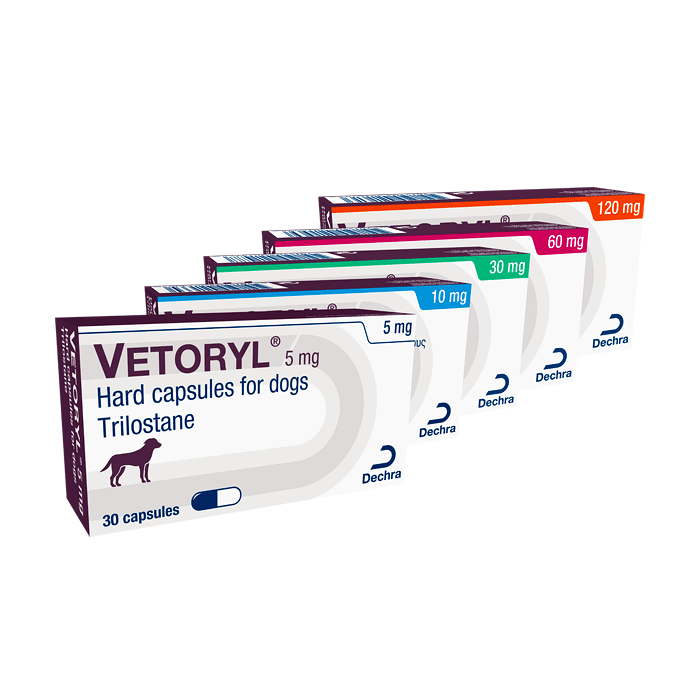
Vetoryl
Vetoryl for Dogs: Buy With Prescription and Safety Info
Price:
Price range: $83.99 through $186.99
You save


Vetoryl is a prescription veterinary medicine that contains trilostane. It is used to help manage hyperadrenocorticism (Cushing’s disease) in dogs by reducing excessive cortisol production. This page explains how the medication works, typical use patterns, safety monitoring, and practical handling basics.
What Vetoryl Is and How It Works
Vetoryl contains trilostane, a steroid synthesis inhibitor (a medicine that reduces steroid hormone production) used in veterinary endocrinology. Some patients explore US shipping from Canada as part of cross-border fulfilment considerations, depending on eligibility and jurisdiction. CanadianInsulin functions as a prescription referral service for certain veterinary medications. In Vetoryl for dogs, trilostane helps lower cortisol by blocking an enzyme involved in adrenal steroid production, which can reduce signs such as excessive thirst, increased urination, and panting when those signs are driven by high cortisol.
This treatment is intended to control cortisol levels rather than “cure” the underlying cause. Dogs may have pituitary-dependent disease (driven by the pituitary gland) or adrenal-dependent disease (driven by an adrenal tumor), and monitoring plans can differ by diagnosis. A veterinarian typically confirms the diagnosis and checks for concurrent problems (for example, diabetes, urinary infections, or hypertension) that can affect clinical signs and follow-up. If clarification is needed, the prescribing veterinarian may be contacted to verify details.
Why it matters: Trilostane can reduce cortisol too much, so follow-up testing is central to safe use.
Who It’s For
This medicine is generally prescribed for dogs diagnosed with hyperadrenocorticism (Cushing’s disease) based on clinical signs and lab evaluation. Vetoryl for dogs is commonly used for pituitary-dependent cases and may also be used for adrenal-dependent cases when appropriate. Because the symptoms of Cushing’s can overlap with other diseases, diagnosis typically involves targeted endocrine testing plus basic bloodwork and urinalysis.
Veterinarians may avoid or use extra caution in dogs that are pregnant, intended for breeding, or nursing, and in dogs that are systemically unwell at the time of initiation. Additional caution may be needed with significant kidney or liver disease, or when the dog is receiving multiple long-term medications. For condition background and related product browsing, the site’s hub for Canine Cushings Disease can help you understand how treatment fits into broader care.
Dosage and Usage
Dosing is individualized by the prescribing veterinarian and is usually based on body weight, clinical response, and follow-up testing. When starting Vetoryl for dogs, many dogs are instructed to take the capsule with food, often once daily; some dogs may be prescribed a divided (twice-daily) schedule depending on response and the veterinarian’s interpretation of monitoring results. Capsules are typically swallowed whole and should not be opened or split unless a veterinarian specifically instructs otherwise.
If a dose is missed, clinics often advise giving the next scheduled dose at the usual time rather than doubling up, but directions can differ by case and by how the dog is doing clinically. If vomiting occurs soon after a dose, the veterinarian may give case-specific guidance on whether to repeat it. For household routines that support consistent medication timing, some caregivers find general adherence strategies in resources like Living With Diabetes Tips helpful, even though the details are human-focused.
Quick tip: Keep a simple log of doses, appetite, water intake, and energy.
Strengths and Forms
Vetoryl is supplied as oral capsules containing trilostane. Strength availability can vary by market and pharmacy source, and veterinarians choose a strength (or combination of strengths) that fits the prescribed daily amount. In practice, clinics often aim for a capsule plan that allows consistent dosing without frequent capsule manipulation.
The most commonly referenced capsule strengths include 10 mg, 30 mg, 60 mg, and 120 mg, although not every strength is stocked in every setting. Packaging may be in blister packs or bottles depending on jurisdiction and distributor. If a dog needs an intermediate dose, the prescriber may adjust the strength selection or dosing schedule rather than asking caregivers to open capsules.
| Form | Common strengths | Practical note |
|---|---|---|
| Capsule | 10 mg, 30 mg, 60 mg, 120 mg | Swallow whole; avoid crushing unless directed |
Storage and Travel Basics
Store capsules at room temperature in their original packaging unless the label specifies otherwise. Protect the medication from excess moisture, heat, and direct sunlight, and keep it out of reach of children and pets. If the product comes in blister packaging, leaving capsules sealed until use can help limit humidity exposure and reduce handling.
Trilostane is intended for animal use only, and caregivers should avoid unnecessary contact with capsule contents. Wash hands after giving the dose, and avoid handling broken capsules. Pregnant people or those trying to conceive may be advised to take extra precautions when handling certain hormonal medicines; follow the product label and clinic guidance. For broader home-care planning in chronic disease, Managing Geriatric Diabetes offers a general framework for tracking symptoms and scheduling check-ins.
Side Effects and Safety
Like many endocrine therapies, Vetoryl can cause side effects that range from mild to serious. Most dogs tolerate Vetoryl for dogs without major issues, but some may develop gastrointestinal upset (vomiting, diarrhea), reduced appetite, or lethargy, especially during initiation or after a dose change. Because these signs can overlap with many common problems, the veterinarian will interpret them alongside exam findings and monitoring tests.
More serious reactions can occur if cortisol falls too low, leading to hypoadrenocorticism (Addison’s disease) or an adrenal crisis. Concerning signs can include marked weakness, collapse, severe vomiting or diarrhea, trembling, or unusual confusion. Contact a veterinary clinic urgently if these occur, especially if they appear suddenly. Ongoing monitoring often includes periodic blood tests and adrenal function testing to balance symptom control with safety. For a general discussion of recognizing medication side effects and communicating changes clearly, Understanding The Side Effects is a non-veterinary resource that illustrates useful symptom-tracking habits.
Why it matters: Early recognition of low-cortisol symptoms may prevent a medical emergency.
Drug Interactions and Cautions
Tell the veterinarian about all medications and supplements the dog takes, including intermittent products such as pain relievers, antibiotics, and anti-itch therapies. Drugs that affect adrenal function or steroid pathways may complicate interpretation of response and lab monitoring. Corticosteroids (steroids) given for other conditions can also influence clinical signs and test results, so timing and necessity should be reviewed by the prescriber.
Clinicians may use additional caution when trilostane is combined with medications that influence electrolytes or blood pressure, particularly in dogs with heart, kidney, or endocrine comorbidities. If a dog also has diabetes mellitus or is being evaluated for it, changes in cortisol can affect insulin needs over time, which requires veterinary oversight. For high-level context on metabolic monitoring concepts, National Diabetes Heart Connection and Insulin And Weight Gain provide general education from a human-health perspective.
Compare With Alternatives
Management options for canine Cushing’s depend on the underlying cause, the dog’s overall health, and owner goals. For many cases, Vetoryl for dogs is compared with mitotane (another adrenal-suppressing medication) or, in select adrenal tumor cases, surgery. Some dogs may also receive supportive therapies aimed at complications of high cortisol, such as skin infections, urinary tract infections, hypertension, or diabetes, alongside endocrine treatment.
Each approach has distinct monitoring requirements and risk profiles. Trilostane therapy is typically paired with scheduled rechecks to assess clinical response and adrenal function. Mitotane may have different onset and monitoring patterns, and surgery requires specialized imaging and perioperative planning. A veterinarian can explain which option best fits the dog’s diagnosis and the clinic’s ability to monitor. To browse other animal medications by category (not specific to Cushing’s), see Pet Medications.
Pricing and Access
Access to veterinary prescription medications depends on jurisdiction, prescription requirements, and the source pharmacy’s policies. Ongoing treatment with Vetoryl for dogs often involves repeat monitoring and periodic prescription renewals, which can influence overall out-of-pocket spending over time. Coverage varies by plan for those using pet insurance, and some households use cash-pay options when coverage is limited or absent. The phrase “without insurance” may come up in searches, but actual costs are shaped by prescribed strength, dosing schedule, and required rechecks.
Dispensing and fulfilment are performed by licensed third-party pharmacies, where permitted. In some cases, prescription information may be reviewed and confirmed for completeness before it is transmitted for dispensing. If you are comparing assistance programs or site-wide educational updates, the stable Promotions Page can provide context, but availability and eligibility can change and are not guaranteed. For general cost-planning ideas in chronic medication use (human-focused), Cut Insulin Costs summarizes common factors that influence what people pay.
Authoritative Sources
For diagnosis, monitoring concepts, and differential causes of canine Cushing’s disease, a veterinary reference can help frame discussions with your clinic. A practical overview is available from: Merck Veterinary Manual on hyperadrenocorticism in dogs.
For regulatory context on approved animal drugs and labeling resources, you can also review: FDA Animal Drugs database search.
Fulfilment logistics can vary, including prompt, express, cold-chain shipping when product handling requires it.
This content is for informational purposes only and is not a substitute for professional medical advice.
Express Shipping - from $25.00
Shipping with this method takes 3-5 days
Prices:
- Dry-Packed Products $25.00
- Cold-Packed Products $35.00
Standard Shipping - $15.00
Shipping with this method takes 5-10 days
Prices:
- Dry-Packed Products $15.00
- Not available for Cold-Packed products
What is Vetoryl used for in dogs?
Vetoryl is used to manage hyperadrenocorticism, also called Cushing’s disease, in dogs. Cushing’s occurs when the body makes too much cortisol, which can lead to increased thirst and urination, panting, changes in appetite, and skin or coat problems. Vetoryl contains trilostane, which reduces cortisol production in the adrenal glands. Treatment plans usually include lab monitoring and symptom tracking, because lowering cortisol too much can also be harmful.
How does trilostane work in canine Cushing’s disease?
Trilostane is a steroid synthesis inhibitor, meaning it blocks a step in the adrenal gland’s production of steroid hormones such as cortisol. By reducing cortisol levels, it can lessen the clinical signs caused by excess cortisol in dogs with Cushing’s disease. The goal is balance: enough cortisol reduction to improve symptoms, while avoiding overly low cortisol. That is why veterinarians often pair trilostane therapy with scheduled rechecks and adrenal function testing.
What monitoring tests are commonly needed with Vetoryl?
Monitoring commonly includes a combination of clinical assessment and laboratory testing. Many veterinarians use periodic adrenal function testing (often an ACTH stimulation test) alongside routine bloodwork to evaluate electrolytes, kidney values, and overall tolerance. Urinalysis and blood pressure checks may be used when clinically relevant, especially if the dog has complications such as urinary infections or hypertension. The exact schedule depends on the dog’s diagnosis, response, and any concurrent diseases.
What side effects should prompt urgent veterinary care?
Seek urgent veterinary guidance if a dog develops severe vomiting or diarrhea, collapse, extreme weakness, marked lethargy, or signs of dehydration. These may indicate that cortisol has fallen too low, which can lead to hypoadrenocorticism (Addison’s disease) or an adrenal crisis. While milder stomach upset can happen with many medications, sudden or severe symptoms should be treated as time-sensitive. Bring a list of current medications and the most recent dose timing when contacting a clinic.
What happens if Vetoryl is stopped or a dose is missed?
If trilostane is stopped, the dog’s Cushing’s signs may gradually return as cortisol levels rise again, but the timing varies. If a dose is missed, some clinics advise giving the next scheduled dose as usual rather than doubling, but instructions can differ by case. Abrupt changes can complicate monitoring and may increase the risk of either poor control or adverse effects, depending on the situation. Follow the prescribing veterinarian’s directions and report symptom changes promptly.
Can Vetoryl be given with food and other medications?
Many dogs are instructed to take trilostane with food, which can help with consistent absorption and may reduce stomach upset, but the label and prescriber directions should be followed. Dogs with chronic conditions often take multiple medications, so it is important to review the full list with the veterinarian. Drugs that affect steroid hormones, electrolytes, or blood pressure may require extra monitoring. Do not add supplements or steroids without discussing them with the prescribing clinic.
What should I ask my veterinarian before starting Vetoryl?
Ask what type of Cushing’s disease your dog has and which tests supported the diagnosis. Confirm how and when to give the capsule, what signs to track at home, and which symptoms should be treated as urgent. Discuss the monitoring plan, including which lab tests are expected and how results guide adjustments. It also helps to review any other illnesses (diabetes, kidney disease, heart disease) and every medication or supplement your dog takes, so interactions and risks are assessed up front.
Rewards Program
Earn points on birthdays, product orders, reviews, friend referrals, and more! Enjoy your medication at unparalleled discounts while reaping rewards for every step you take with us.
You can read more about rewards here.
POINT VALUE
How to earn points
- 1Create an account and start earning.
- 2Earn points every time you shop or perform certain actions.
- 3Redeem points for exclusive discounts.
You Might Also Like
Select options
This product has multiple variants. The options may be chosen on the product page
Select options
This product has multiple variants. The options may be chosen on the product page
Select options
This product has multiple variants. The options may be chosen on the product page
Select options
This product has multiple variants. The options may be chosen on the product page
Related Articles
Type 2 Diabetes,
Generic Ozempic Explained for Patients and Caregivers
Key Takeaways People searching generic ozempic are usually trying to confirm whether a lower-cost semaglutide option is a true approved equivalent, a compounded product, or a different diabetes medicine. Separate…
Uncategorized
Rybelsus Generic: A Patient Guide to Current Options
Key TakeawaysMany people searching for rybelsus generic are trying to answer one practical question: is there a true lower-cost equivalent tablet, or only the brand product and look-alike alternatives?Brand and…
Type 2 Diabetes,
Generic Liraglutide For Weight Loss: A Practical Guide
People searching for generic liraglutide for weight loss usually want clear answers on three points: whether an approved lower-cost version exists, how it differs from brand-name products, and what access…
Type 2 Diabetes,
Liraglutide Vs Semaglutide Comparison Guide For Patients
Key Takeaways People searching liraglutide vs semaglutide usually want a practical comparison, not a slogan. The most useful differences involve formulation, schedule, approved uses, side effect patterns, and the paperwork…