
Please note: a valid prescription is required for all prescription medication.
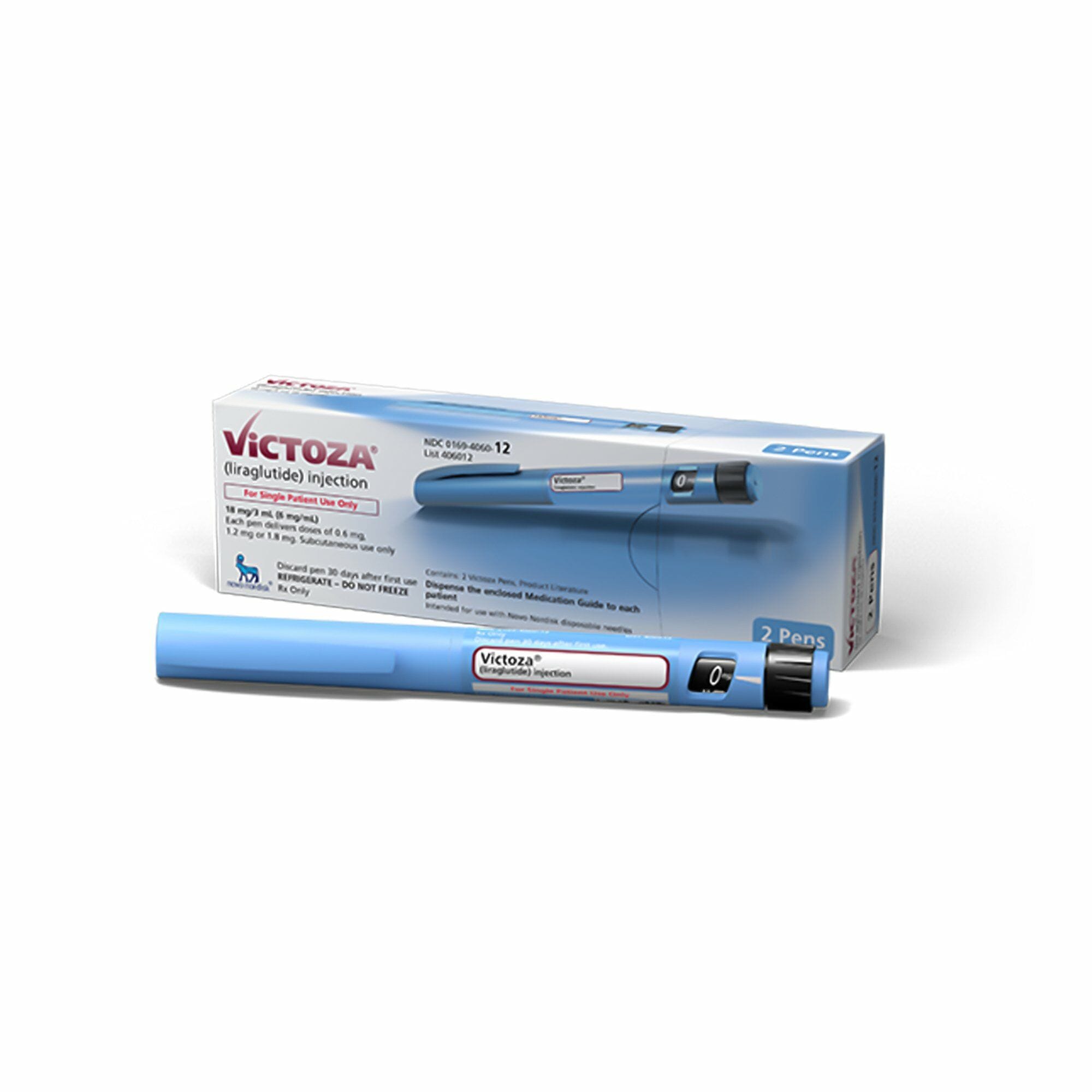
Victoza Prefilled Pen
Victoza Prefilled Pen How to Buy and Use Safely
Price:
Price range: $249.99 through $369.99
You save


This page helps patients assess whether Victoza Prefilled Pen fits their type 2 diabetes treatment plan and what to check before pursuing it. It is a prescription liraglutide pen for once-daily subcutaneous (under-the-skin) injection, and this product page is written for people exploring how to buy Victoza Prefilled Pen or start the prescription process needed to obtain it safely. Early decision points include whether the intended use matches type 2 diabetes, whether a daily pen fits the routine, and whether thyroid, pancreas, or severe stomach warnings need review first.
How to Buy Victoza and What to Know First
Victoza is used with diet and exercise to help improve blood sugar in people with type 2 diabetes. Some patients explore US delivery from Canada when eligibility, jurisdiction, and pharmacy rules line up. When required, prescription details may be checked with the prescriber.
This medicine is not insulin and it is not a treatment for type 1 diabetes or diabetic ketoacidosis. It belongs to the GLP 1 Agonists class and contains liraglutide, a GLP-1 receptor agonist (a medicine that mimics a gut hormone). That class can help the body release insulin when glucose is high, reduce glucagon, and slow stomach emptying. For background on how these therapies work, see GLP 1 Explained.
Before pursuing an order, it helps to review the intended use, the daily injection routine, and any history of pancreatitis, gallbladder disease, kidney problems, or thyroid cancer risk. A clinician may also review whether there are severe stomach symptoms, current insulin use, or another incretin-based medicine already in the plan. If the bigger question is the underlying condition rather than the pen itself, the Type 2 Diabetes hub offers broader context.
A practical first check is whether a daily injection pen is realistic. People who prefer a weekly device, need a different ingredient, or have had significant nausea with similar medicines may want that discussion early. It is also useful to confirm that the prescription matches this exact brand and concentration, since related pens are not automatically interchangeable.
Who It’s For and Access Requirements
The Victoza Prefilled Pen is generally considered for people with type 2 diabetes who need another non-insulin option alongside food, activity, and sometimes other glucose-lowering medicines. It may suit patients who prefer a multidose pen and a once-daily schedule, but the right fit depends on the diagnosis, current regimen, side-effect history, and the prescribing plan rather than on convenience alone.
Access usually starts with a valid prescription and a medication review. The prescriber may need to confirm the diagnosis, past response to treatment, and major exclusions such as type 1 diabetes, diabetic ketoacidosis, a personal or family history of medullary thyroid carcinoma, or multiple endocrine neoplasia syndrome type 2. For a wider look at the treatment landscape, the guide to Common Diabetes Medications can help place liraglutide within a broader diabetes plan.
- Confirmed type 2 diagnosis
- Prescription matched to brand
- Medication and allergy review
- Screening for major warnings
This product should not be treated as automatically interchangeable with other liraglutide brands or with a weight-loss-specific prescribing pathway. Pregnancy, breastfeeding, severe gastrointestinal disease, and a history of repeated dehydration also deserve extra review before treatment is started or restarted.
In some markets, labeling also includes certain younger patients with type 2 diabetes, but age eligibility and prescribing rules should always be checked against the applicable label and destination requirements.
Dosage and Usage
Victoza is used once daily at any time of day, with or without food, but it is usually easiest to stay on a consistent schedule. The injection is given under the skin of the abdomen, thigh, or upper arm. Rotating sites can help reduce irritation and can make repeated injections easier to manage over time.
Label-based dosing typically begins at 0.6 mg once daily for at least one week. After that, the prescriber may increase to 1.2 mg once daily, and some adults may be increased again to 1.8 mg once daily if directed. This summary is general information only, not a personal dosing instruction.
One practical question is how many doses are in a pen. Because each device contains 18 mg in 3 mL, a full pen equals about 30 daily 0.6 mg doses, 15 daily 1.2 mg doses, or 10 daily 1.8 mg doses. The actual usable amount can be lower if the pen is damaged, stored incorrectly, or reaches its in-use limit before the contents are fully used.
| Dial setting | Typical label role | Approximate daily doses per 18 mg pen |
|---|---|---|
| 0.6 mg | Usual starting step | About 30 |
| 1.2 mg | Common maintenance step | About 15 |
| 1.8 mg | Higher labeled step for some adults | About 10 |
The daily schedule can be morning or evening as long as it stays consistent. If meals, work shifts, or travel make timing difficult, that is worth discussing before treatment starts because steady use matters more than picking a specific clock time.
The pen should be prepared exactly as described in the instructions for use. That usually means checking that the solution looks clear, attaching a new needle according to the directions, selecting the prescribed dose, and using the device for one patient only. Pens should never be shared, even if the needle is changed.
If a dose is missed, the packaged instructions and prescriber guidance matter more than guesswork. Do not double the next dose unless a clinician specifically says to do so.
Quick tip: Read the full pen directions before the first injection, even if another device has been used before.
Strengths and Forms
The Victoza Prefilled Pen is supplied as a 6 mg/mL, 3 mL multidose injector containing 18 mg of liraglutide. The pen is designed to deliver 0.6 mg, 1.2 mg, or 1.8 mg per injection, which lets the same presentation support both initiation and maintenance schedules when prescribed.
It helps to separate concentration from delivered dose. The liquid strength is 6 mg/mL, but each selected injection gives 0.6 mg, 1.2 mg, or 1.8 mg. That distinction matters when comparing pens, calculating remaining doses, or reading the label on a carton.
Availability can vary by market and by the pharmacy handling the prescription. Carton size, supplied paperwork, and packaging details may differ, but the core product presentation remains a prefilled, single-patient-use pen. Check the enclosed instructions each time a new pack is received so the storage limits, needle handling, and disposal steps match the product that was actually dispensed.
The medicine in the pen is a clear solution. Do not use a pen that looks cloudy, discolored, leaking, cracked, or otherwise damaged.
Storage and Travel Basics
Unused pens are usually stored refrigerated at 2C to 8C and should never be frozen. A pen that has been frozen should not be used, even if it later looks normal. Keep the cap on and protect the product from direct heat and sunlight.
After first use, official instructions generally allow storage either in the refrigerator or at controlled room temperature for a limited period. It is sensible to record the first-use date, keep the pen away from hot cars or checked baggage, and avoid leaving a needle attached between uses unless the supplied directions specifically say otherwise.
For travel, keeping the pen in hand luggage, using an appropriate cooler when needed, and carrying prescription details can reduce problems if screening, delays, or replacement questions come up away from home. Temperature control matters more than convenience during long trips.
- Keep away from heat
- Do not freeze pens
- Track first-use date
- Use sharps disposal rules
Why it matters: Temperature damage can affect how reliably the device delivers each dose.
Side Effects and Safety
Before using Victoza Prefilled Pen, review thyroid, pancreas, kidney, gallbladder, and low blood sugar warnings with a clinician. Common effects can include nausea, vomiting, diarrhea, constipation, reduced appetite, stomach pain, headache, and injection-site reactions.
Stomach-related symptoms often matter most in the first weeks or after a dose increase. Persistent vomiting or diarrhea can lead to dehydration, which may worsen kidney problems in some people. Severe or ongoing abdominal pain, with or without vomiting, needs prompt medical assessment because pancreatitis is a labeled concern.
The product labeling also carries a warning about thyroid C-cell tumors seen in rodents. Because of that, it is generally avoided in anyone with a personal or family history of medullary thyroid carcinoma or with multiple endocrine neoplasia syndrome type 2. A new neck lump, swelling, hoarseness, or trouble swallowing deserves medical review.
Low blood sugar is more likely when liraglutide is used with insulin or a sulfonylurea than when it is used alone. Symptoms can include shaking, sweating, confusion, dizziness, or unusual hunger. Allergic reactions and gallbladder symptoms also need urgent attention if they occur.
If nausea reduces food or fluid intake, sick-day guidance and hydration advice may become important, especially for people who are older, have kidney disease, or take other medicines that affect fluid balance. Ongoing symptoms are a reason for professional review, not self-directed dose changes.
Drug Interactions and Cautions
Liraglutide can slow stomach emptying, so it may change how quickly some oral medicines are absorbed. A full medication list matters, including diabetes drugs, blood pressure tablets, antibiotics, thyroid replacement, and nonprescription products.
Because absorption can shift, new symptoms or changes in glucose patterns after adding liraglutide are worth reviewing rather than assuming the other medicines are unchanged. Timing changes or dose changes should come from the prescribing team, not from trial and error.
Extra caution is needed when the regimen already includes insulin or sulfonylureas because the overall hypoglycemia risk can change. Alcohol can complicate glucose control and can worsen nausea for some patients; the article on GLP 1 And Alcohol gives general context for that discussion.
- Avoid duplicate GLP 1 therapy
- Review insulin combinations carefully
- Report severe stomach symptoms
- Discuss pregnancy and breastfeeding
Do not assume that a similar-looking pen, a different GLP-1 drug, or another liraglutide brand can be substituted without review. Ingredient, concentration, indication, and dose schedule all need to match the prescription.
Compare With Alternatives
Victoza is not the same medicine as Ozempic, Trulicity, or Rybelsus. The most important practical differences are the ingredient, how often the medicine is taken, and whether it comes as a daily pen, a weekly pen, or an oral tablet. Victoza and Saxenda both contain liraglutide, but they are prescribed under different branded uses and should not be treated as interchangeable by default.
| Medicine | Ingredient | How it is taken | Key distinction |
|---|---|---|---|
| Victoza | Liraglutide | Daily injection | Multidose pen with 0.6 mg, 1.2 mg, and 1.8 mg settings |
| Ozempic Semaglutide Pens | Semaglutide | Weekly injection | Different ingredient and weekly schedule |
| Trulicity Pens | Dulaglutide | Weekly injection | Weekly dosing with a different device design |
| Rybelsus | Semaglutide | Daily oral tablet | Oral option rather than an injection |
Some people prioritize fewer injections, while others focus on how a pen feels, how dose escalation is handled, or whether an oral option is even appropriate. Those practical differences are often as important as the drug class itself when a clinician is comparing options.
If the main question is how liraglutide compares with semaglutide, the guide Liraglutide Vs Semaglutide is a helpful next read. The right choice depends on the diagnosis, dose schedule, side-effect tolerance, and the full medication plan.
Prescription, Pricing and Access
Victoza Prefilled Pen access depends on prescription status, destination rules, and the reviewing pharmacy’s requirements. The site supports prescription review while licensed partner pharmacies dispense where permitted. The pathway may include prescription validation, identity checks, and medication review before a product is matched to an eligible request.
Some plans require prior authorization or confirmation that other therapies were reviewed first. Coverage rules can change over time, so a previous fill does not always mean the same paperwork or verification steps will apply again.
For people comparing options without insurance, the guide GLP 1 Cost Without Insurance offers general class-level context on cash-pay differences without assuming a fixed amount for any one patient.
Keeping the prescription, prescriber details, current medication list, and recent treatment history ready can make the review more accurate. Availability, final requirements, and whether a pharmacy can dispense to a given destination can all depend on jurisdiction and product-specific checks.
Authoritative Sources
For label-level details and device instructions, these sources are useful starting points.
- Official pen-use instructions: Using the Victoza Pen.
- Manufacturer dosing reference: Dosing and Administration.
- Device reference overview: ADCES device detail.
When a prescription is confirmed and a partner pharmacy dispenses the medication, prompt, express, cold-chain shipping may be used when appropriate for the product.
This content is for informational purposes only and is not a substitute for professional medical advice.
Customer Reviews
4.5 Based on 19 Reviews
Write a Review Ask a Question - Reviews
- Questions
Filter Reviews:
CC
09/11/2024
Carma C.  US
USGrateful for your help.
I'm not sure why the last person said I have no refills but will get another prescription when I need more and use your company again soon.
09/16/2024
CanadianInsulin.com
Hi Carma,Thank you for your kind words! We’re grateful to hear that you plan to continue using our services. We apologize for any confusion regarding your refills and appreciate your patience. Rest assured, we’re here to assist you with your next prescription and ensure everything goes smoothly.If you have any questions or need further assistance, please let us know, we’re here to support you.Thank you for choosing Canadian Insulin. Have a great day!
JH
09/05/2024
Jacqueline H. USLong time customer
Best prices I can find for the medication I take. Thanks!
09/05/2024
CanadianInsulin.com
Hi Jacqueline,Thank you for sharing your experience! We’re thrilled to have you as a long-time customer and appreciate your loyalty. It’s great to hear that you're finding the best prices with us. As always, your satisfaction is always our priority. If there’s ever anything else we can assist you with, don’t hesitate to reach out!Thank you for choosing Canadian Insulin. Have a great day!
RP
08/14/2024
Richard P. USNot Happy
I have not received my purchase, it's hung up in Customs
08/15/2024
CanadianInsulin.com
Hi Richard,Thank you for bringing this to our attention. We understand how frustrating it is when an order gets delayed in Customs. We will look into the situation immediately to provide you with an update and ensure that your purchase reaches you as soon as possible. Please expect one of our Team members to reach out directly to address this concern.Thank you for choosing Canadian Insulin. We appreciate your patience and understanding.
AR
07/23/2024
Ariell R. USAmazing
It was amazing the staff was so helpful and my order arrived super fast thank you again
07/23/2024
CanadianInsulin.com
Hi Ariell,Thank you for your feedback! We're thrilled to hear that you had an amazing experience and found our staff so helpful. We're also glad your order arrived super fast. If you have any questions or need further assistance, please don't hesitate to reach out. We're here to support you.Thank you for choosing Canadian Insulin. Have a great day!
AJ
11/21/2023
Angela J. USI recommend this product
Terrible timing
Love the item, hate the delivery! Was told it would deliver Monday, on ice; and needed signature. So i had someone avail; but she found the paper on the porch that they had tried to deliver 2 days early!! So USPS had held it at the post office! Frustrating! For the high cost, one would hope for better communication!
11/27/2023
CanadianInsulin.com
Hi Angela,Thank you for bringing this to our attention and we understand the frustration this situation has caused and appreciate your feedback. We're actively working to improve our communication processes to ensure a smoother experience for our valued customersWe will take immediate action to improve our process and address the issues you've raised. To do so, we'll assign someone to get in touch with you to gather more details and offer suitable resolution.We appreciate your patience and looking forward to resolving this matter to your satisfaction.
Express Shipping - from $25.00
Shipping with this method takes 3-5 days
Prices:
- Dry-Packed Products $25.00
- Cold-Packed Products $35.00
Standard Shipping - $15.00
Shipping with this method takes 5-10 days
Prices:
- Dry-Packed Products $15.00
- Not available for Cold-Packed products
What is the Victoza pen used for?
Victoza is a brand of liraglutide used with diet and exercise to help improve blood sugar in people with type 2 diabetes. It is a once-daily injection delivered from a prefilled pen. In some adults with type 2 diabetes and established cardiovascular disease, labeling also addresses cardiovascular risk reduction. It is not insulin and it is not a substitute for medicines used in type 1 diabetes or diabetic ketoacidosis. The exact role of the pen depends on the full treatment plan and the approved label being followed.
How many doses are in a Victoza pen?
Each pen contains 18 mg of liraglutide in 3 mL and can dial 0.6 mg, 1.2 mg, or 1.8 mg. In simple terms, that works out to about 30 daily 0.6 mg doses, 15 daily 1.2 mg doses, or 10 daily 1.8 mg doses from one full pen. The actual number used can be lower if the pen is discarded because of storage limits, damage, or expiration after first use. The prescribed dose and the product instructions determine how long a pen is meant to last in practice.
Is Victoza the same as Ozempic?
No. Victoza contains liraglutide and is typically used once daily, while Ozempic contains semaglutide and is generally used once weekly. Both belong to the GLP-1 receptor agonist class, but they are different medicines with different dosing schedules, device designs, and label details. They should not be swapped casually or treated as interchangeable. A clinician usually considers glucose goals, current medicines, side-effect tolerance, and practical issues such as injection frequency before deciding whether one option may fit better than another.
What side effects should be monitored after starting Victoza?
Stomach-related effects are common early on, especially nausea, vomiting, diarrhea, constipation, or reduced appetite. Monitoring is also important for symptoms that are more serious, such as severe or persistent abdominal pain, signs of dehydration, allergic reaction, gallbladder symptoms, or low blood sugar when other diabetes medicines are involved. Any new neck lump, hoarseness, or trouble swallowing should be reviewed promptly because of the thyroid warning carried in labeling. Ongoing symptoms or rapid worsening deserve professional assessment rather than home dose changes.
What should be discussed with a clinician before starting Victoza?
Helpful topics include the reason for treatment, the current glucose-control plan, prior response to diabetes medicines, and whether a daily injection routine is realistic. A clinician should also know about any history of pancreatitis, gallbladder disease, kidney problems, major stomach symptoms, pregnancy plans, or a personal or family history of medullary thyroid carcinoma or MEN2. It is also useful to review all current medicines, including insulin, sulfonylureas, and oral drugs that may be affected by slower stomach emptying.
Rewards Program
Earn points on birthdays, product orders, reviews, friend referrals, and more! Enjoy your medication at unparalleled discounts while reaping rewards for every step you take with us.
You can read more about rewards here.
POINT VALUE
How to earn points
- 1Create an account and start earning.
- 2Earn points every time you shop or perform certain actions.
- 3Redeem points for exclusive discounts.
You Might Also Like
Select options
This product has multiple variants. The options may be chosen on the product page
Select options
This product has multiple variants. The options may be chosen on the product page
Select options
This product has multiple variants. The options may be chosen on the product page
Select options
This product has multiple variants. The options may be chosen on the product page
Related Articles
Type 2 Diabetes,
Generic Liraglutide For Weight Loss: A Practical Guide
People searching for generic liraglutide for weight loss usually want clear answers on three points: whether an approved lower-cost version exists, how it differs from brand-name products, and what access…
Type 2 Diabetes,
Liraglutide Vs Semaglutide Comparison Guide For Patients
Key Takeaways People searching liraglutide vs semaglutide usually want a practical comparison, not a slogan. The most useful differences involve formulation, schedule, approved uses, side effect patterns, and the paperwork…
Weight Management
Generic Zepbound: Availability, Status, and Options
Key Takeaways Patients and caregivers often search for generic zepbound when they need a clear answer about availability, labeling, and lower-cost access. The term is common online, but it does…
Type 2 Diabetes,
Oral Wegovy Explained: Facts, Risks, and Access Options
The phrase oral wegovy is best understood as a search term, not a settled product name. Most people use it to mean a pill version of semaglutide for weight management,…