

A Humulin N dosage chart can help you organize a prescribed insulin plan, but it should not decide your dose. Humulin N is insulin isophane, also called NPH insulin (neutral protamine Hagedorn insulin), an intermediate-acting insulin used to help manage blood glucose in diabetes. The dose is individualized by a clinician based on glucose readings, treatment goals, meals, activity, other medicines, and safety risks. This matters because using an old chart or someone else’s dose can cause serious low or high blood sugar.
Key Takeaways
- A Humulin N dosage chart should record your prescribed dose, timing, and monitoring plan.
- Dose changes should come from clinician instructions, not an online estimate.
- NPH insulin has a peak effect, so low blood sugar planning matters.
- Seek urgent care for severe hypoglycemia, possible ketoacidosis, or serious allergic reaction symptoms.
How a Humulin N Dosage Chart Should Be Used
A safe Humulin N dosage chart is a recordkeeping tool. It should translate your prescription and diabetes care plan into one place, so you can follow what your prescriber has already recommended.
The chart should not replace clinical judgment. Insulin needs can change with illness, food intake, weight changes, activity, kidney or liver problems, pregnancy, and other medicines. A chart that worked last month may not be safe today if those factors changed.
Here is what a non-prescribing chart can safely include without guessing a dose.
| Chart Field | Why It Matters | What To Confirm |
|---|---|---|
| Prescribed dose in units | Insulin is measured in units, not tablets or milligrams. | Use only the amount written on your prescription or care plan. |
| Usual timing | NPH insulin has a delayed peak after injection. | Confirm whether timing relates to meals, bedtime, or glucose checks. |
| Glucose monitoring schedule | Readings show patterns better than a single number. | Ask which readings your clinician wants reviewed. |
| Meal and activity notes | Food intake and exercise can change insulin needs. | Record unusual meals, missed meals, and heavy activity. |
| Correction instructions | Some plans include extra directions for high readings. | Use only instructions your clinician has written for you. |
| Low blood sugar plan | Fast treatment can prevent a severe episode. | Know your target range and when to seek help. |
| Review date | Old plans may not match current health status. | Bring the chart to visits and medication reviews. |
If two sources disagree, your prescription and care team instructions come first. For medication-specific background, see Humulin N Insulin Dosage. For broader insulin planning terms, Insulin Dosage Chart explains general chart language.
Why NPH Insulin Dosing Is Individualized
NPH insulin dosing is individualized because each person responds differently. The official labeling describes dosage adjustment based on metabolic needs, blood glucose monitoring results, and glycemic control goals. In plain language, that means your care team looks at your glucose pattern, not just your weight or one reading.
Humulin N is often described as a background or basal insulin because it helps cover glucose between meals and overnight. It is not the same as rapid-acting insulin used close to meals. Many people who use insulin need more than one insulin type, especially when mealtime glucose spikes need separate coverage. A broader explanation of the class is available in NPH Insulin.
Why it matters: A dose that lowers glucose safely for one person may cause hypoglycemia in another.
Common factors clinicians review include:
- Glucose patterns: fasting, pre-meal, bedtime, and overnight readings may show different needs.
- Meal routines: missed meals or variable carbohydrate intake can increase low blood sugar risk.
- Activity level: exercise can lower glucose during or after activity.
- Illness or stress: infections and acute stress can raise glucose levels.
- Other medicines: steroids and some medication changes may affect glucose control.
- Organ function: kidney or liver problems can change insulin handling and safety risk.
This is why a downloaded chart should never be treated as a calculator. It can organize information, but it cannot judge your current health status.
Timing, Meals, and Glucose Logs
Timing matters because NPH insulin has a peak effect after injection. That peak can help with glucose control, but it can also increase the risk of low blood sugar if food intake, activity, or timing shifts.
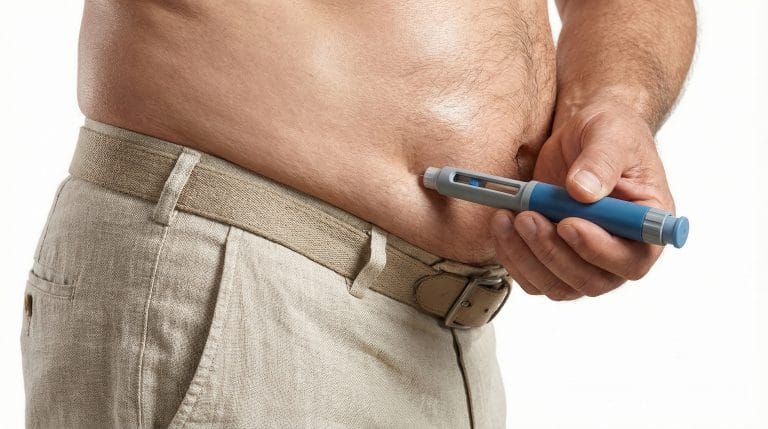
Humulin N is generally given by subcutaneous injection, meaning an injection under the skin. It is a suspension, so the device must be prepared exactly as instructed. If insulin looks unusual, has clumps, or was stored incorrectly, ask a pharmacist or prescriber before using it. Do not inject it by another route unless a clinician specifically instructs you.
A glucose log is more useful than a single reading. Your care team may ask about fasting values, readings before meals, bedtime results, symptoms, meals, physical activity, and missed doses. These notes can show whether a pattern is consistent or if one unusual day caused the change.
If you are trying to understand when the medicine tends to work, Humulin N Onset And Peak explains the timing concepts in more detail.
If your meter, lab report, or clinic notes use different glucose units, a converter can help you read the numbers consistently. It does not calculate insulin doses or replace clinical guidance.
Blood Glucose Unit Converter
Convert glucose readings between mg/dL and mmol/L without changing the clinical value.
These calculations are for education only and do not replace clinical advice, diagnosis, or treatment. Always confirm medical decisions with a qualified healthcare professional.
Bring your written log to medication reviews. If you notice repeated lows, repeated highs, or symptoms that do not match the numbers, contact your diabetes care team rather than changing the dose alone.
Safety Problems That Require Review
Safety review is needed when a chart no longer matches your symptoms, readings, device, or current health. Insulin can cause hypoglycemia, which means low blood glucose. Symptoms may include sweating, shakiness, hunger, dizziness, anxiety, blurred vision, confusion, or weakness. Severe hypoglycemia can cause seizure, loss of consciousness, or injury.
High blood sugar also needs attention, especially when it comes with vomiting, abdominal pain, rapid breathing, fruity-smelling breath, dehydration, or confusion. These can be warning signs of Diabetic Ketoacidosis, a medical emergency that requires prompt care.
Allergic reactions are another reason to stop and seek help. Local redness or itching can occur with injections, but widespread rash, swelling of the face or throat, wheezing, severe dizziness, or trouble breathing needs urgent medical attention.
Medication mix-ups can also be dangerous. Humulin N, Humulin R, premixed insulin, rapid-acting insulin, and long-acting basal insulin have different action profiles. A dose written for one insulin should not be copied to another product, even if the names look similar.
Device and Access Questions
The insulin plan must match the exact device you were taught to use. Vials and pens can contain the same insulin type but require different preparation steps, injection technique, and supplies. If your prescription changes from one format to another, ask for updated instructions before the first dose.
For product format navigation, the site lists Humulin N KwikPen and Humulin N Vials separately. Product pages can help you identify the form being discussed, but they should not be used to set a dose.
CanadianInsulin.com functions as a prescription referral platform. When required, prescription details may be checked with the prescriber, and licensed third-party pharmacies handle dispensing where permitted.
Quick tip: Keep the written prescription, device name, and current chart together during medication reviews.
Comparing Nearby Insulin Categories
Comparing insulin categories helps prevent mix-ups, but it does not tell you which product to use. NPH insulin is intermediate-acting. Regular insulin, rapid-acting analogs, long-acting basal insulin, and premixed insulin are used differently.
Novolin N and Humulin N are both NPH insulin products, but switching brands, devices, or instructions should still be reviewed with a clinician or pharmacist. The comparison in Novolin N And Humulin N explains why similar category names do not remove the need for careful review.
Humulin R is a short-acting insulin, not an NPH insulin. Rapid-acting insulins are designed for faster meal-related coverage. Long-acting basal insulins are designed for a different background pattern. If you use more than one insulin, labels and timing matter because taking the wrong insulin at the wrong time can cause serious glucose changes.
The language can be confusing because basal insulin, bolus insulin, correction insulin, and premixed insulin describe different roles. For a plain-language breakdown, see Basal Vs Bolus Insulin.
Questions to Bring to Your Prescriber
The best chart is one your care team can understand and update. Bring your meter or continuous glucose monitor reports, recent illness history, missed dose notes, meal changes, activity changes, and medication list.
Useful questions include:
- Which readings matter most for reviewing this insulin plan?
- What should I do if I miss a dose?
- When should I call about repeated low readings?
- When should I call about repeated high readings?
- How should I handle illness, vomiting, or reduced food intake?
- What symptoms mean I should seek urgent care?
- Does this chart still apply if my device or insulin brand changes?
Do not wait for a routine visit if readings are repeatedly outside your agreed range or if symptoms are severe. A Humulin N dosage chart is safest when it supports a current, individualized plan.
Authoritative Sources
The following sources support the medication, administration, and safety points above.
- For official product labeling and safety details, see the FDA Humulin N Prescribing Information.
- For general insulin treatment education, review the American Diabetes Association Insulin Information.
- For low blood glucose symptoms and prevention, see NIDDK Low Blood Glucose Guidance.
A chart can make insulin instructions easier to follow, but it cannot replace a current prescription, glucose review, or individualized diabetes plan. Keep your records updated and ask for clarification whenever the dose, timing, device, or symptoms change.
This content is for informational purposes only and is not a substitute for professional medical advice.