
Shipping with this method takes 3-5 days
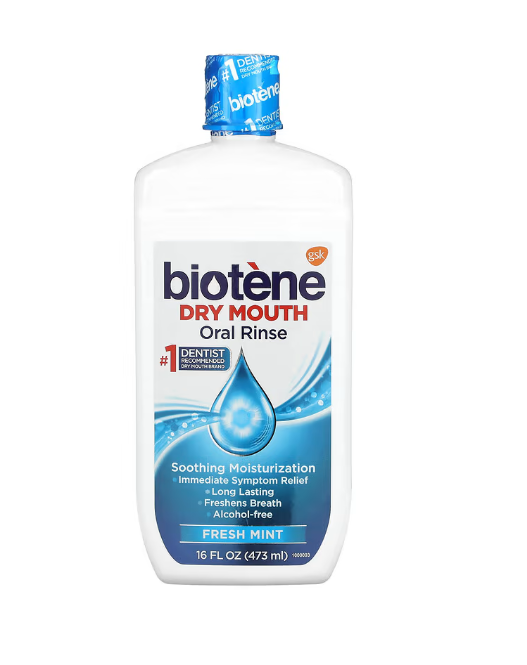
Biotène Mouthwash
Buy Biotène Mouthwash Online


Biotène Mouthwash is an oral rinse used to help relieve dry-mouth discomfort and freshen breath when saliva feels low. You can buy Biotène Mouthwash online, view the current price, and choose the bottle, flavor, and quantity shown during ordering so it matches the rinse you use or the directions from your dental professional.
Biotène Dry Mouth Oral Rinse is commonly used as part of a daily oral-care routine for xerostomia, the clinical term for a dry-mouth feeling. It is swished in the mouth and spat out, not swallowed, and it should be used according to the current bottle label.
Biotène Mouthwash Price, Quantity, and Oral Rinse Choice
The Biotène Mouthwash price should be read together with the exact oral rinse name, bottle volume, flavor, and pack count. Mouth-rinse bottles can look similar online, so the practical cost comparison is the total amount of rinse you receive and whether it matches your preferred Biotène oral rinse.
Biotène dry mouth mouthwash may appear with flavor wording such as Fresh Mint or Gentle Mint depending on the package shown. Flavor names matter because taste, mouth feel, and tolerance can affect whether you use the rinse consistently. A different bottle size may also change how often you need to reorder, even when the daily directions are the same.
If you are comparing Biotène Mouthwash without insurance, focus on the current displayed price, total volume, and the product name on the bottle. A larger bottle is not a stronger rinse, and a multi-use bottle should not be interpreted as a single dose. Match the label directions to your usual oral-care routine and any advice from your dentist or clinician.
| Detail | What to match before checkout |
|---|---|
| Product name | Biotène oral rinse, dry mouth oral rinse, or other package wording. |
| Flavor | Fresh Mint, Gentle Mint, or another flavor name when shown. |
| Quantity | Bottle volume, pack count, and total amount of rinse. |
| Use routine | Label directions, time of day, and compatibility with other oral products. |
The Oral Health collection can help you browse related mouth-care formats, including rinse, gel, spray, toothpaste, and other comfort-focused products.
How to Order Biotène Oral Rinse Online
To order Biotène Mouthwash online, choose the Biotène oral rinse that matches the bottle you want, then confirm the flavor and quantity before payment. Product images and package text should be treated as selection details, especially when similar Biotène mouth rinse for dry mouth products are displayed close together.
US delivery from Canada may be available for eligible orders, with logistics shown during checkout. Because this is a non-refrigerated oral rinse, the main handling concerns are secure closure, leak protection, avoiding extreme heat, and keeping the bottle in its original package until you can inspect it.
Keep the current bottle nearby if you already use Biotène. Matching the exact label helps prevent accidental substitution between a mouthwash, gel, spray, or toothpaste. These products may belong to the same dry-mouth family, but they are used differently and should not be treated as interchangeable.
Quick tip: Match the package name and flavor before comparing total cost.
What Biotène Dry Mouth Oral Rinse Is Used For
Biotène Dry Mouth Oral Rinse is made for people managing dry-mouth symptoms. Dry mouth can feel like stickiness, burning, thick saliva, bad breath, or trouble speaking and swallowing comfortably. A moisturizing rinse can help coat oral tissues briefly and make the mouth feel fresher.
Dry mouth may occur with medicines, dehydration, mouth breathing, aging, diabetes, Sjögren’s syndrome, cancer treatment, or other health conditions. Biotène mouthwash for dry mouth can support comfort, but persistent dryness deserves dental or medical attention because low saliva can raise the risk of cavities, gum irritation, mouth sores, and infection.
Biotène Mouthwash benefits are mainly comfort-focused. The rinse can help moisten the mouth, freshen breath, and make daily oral care feel easier when saliva is low. It does not replace brushing, flossing, fluoride guidance, dental cleanings, or treatment for the cause of ongoing dry mouth.
The Dry Mouth collection groups related dry-mouth products for people comparing rinse, spray, gel, and other moisture-support choices. For broader reading on gums and teeth, the Oral Health articles category covers topics that may be useful to discuss with a dental professional.
Directions and Daily Use Checks
Biotène Mouthwash directions should come from the current bottle label. Official product directions commonly describe using about 15 mL, rinsing for 30 seconds, and spitting the rinse out. Some labels allow use several times daily unless a healthcare professional gives different instructions.
Do not swallow the rinse. If you accidentally swallow a small amount, follow the package guidance and contact a healthcare professional or poison control center if symptoms or concerns occur. Children should be supervised according to the label, and any age guidance on the package should be followed carefully.
If your routine includes Biotène toothpaste and mouthwash, read both labels. Toothpaste is brushed on the teeth and rinsed as directed, while the oral rinse is swished around the mouth and spat out. Using both products does not mean you should use more than the labeled amount of either one.
- Measure the amount: Use the cap or a measuring aid when the label directs it.
- Swish for the stated time: Longer use is not automatically better.
- Spit after rinsing: Mouthwash is not intended to be swallowed.
- Separate medicated products: Ask how to time prescribed oral rinses, fluoride treatments, gels, or appliances.
Why it matters: Correct timing can help avoid washing away another oral treatment too soon.
Ingredients, Alcohol-Free Wording, and Sensitivities
Biotène Mouthwash ingredients should be checked on the bottle you receive. Ingredient panels can change, and people with sensitivities may react to flavoring agents, sweeteners, preservatives, dyes, or other mouth-rinse additives. If you have had irritation from a mouthwash before, compare the ingredient list before first use.
Some Biotène dry mouth rinse products are marketed as alcohol free. If you are specifically looking for Biotene alcohol free mouthwash, rely on the package wording rather than an old image, search snippet, or another Biotène product label. Alcohol-free wording can matter for people with mouth sores, oral burning, recent dental work, or clinician instructions to avoid alcohol-containing rinses.
Stop using the rinse if it causes significant burning, swelling, rash, hives, wheezing, or trouble breathing. Mild taste changes or temporary oral sensation can occur with mouth rinses, but worsening irritation, mouth pain, or a suspected allergy needs professional attention.
Storage, Travel, and Handling
Store Biotène Mouthwash with the cap closed and follow the temperature guidance on the bottle. Keep it away from excessive heat, direct sunlight, children, and pets. Do not use a bottle if the seal is broken, the liquid looks contaminated, or the expiry information raises concern.
For travel, tighten the cap and pack the bottle upright when possible. A mouthwash bottle can leak if crushed or opened under pressure, so place it in a sealed bag when carrying it with clothing, medical supplies, or electronics. If you transfer a small amount for travel, label the container clearly and keep it away from children.
Biotène Mouthwash Ships from Canada to US when that service context applies to the order. Final delivery and handling information appears during checkout, and oral rinse products should be inspected after arrival for leakage, damaged packaging, or a product name that does not match what you intended to receive.
Safety, Side Effects, and When to Ask for Help
Biotène mouthwash side effects are usually local when they occur. Possible issues include temporary mouth irritation, stinging, altered taste, nausea if swallowed, or sensitivity to an inactive ingredient. Stop using the rinse and seek urgent help if swelling of the lips, tongue, or throat occurs, or if you develop hives, wheezing, or trouble breathing.
Dry mouth can be more than a comfort problem. Saliva helps protect teeth and oral tissues, so ongoing dryness may contribute to tooth decay, gum inflammation, bad breath, cracked lips, difficulty wearing dentures, and mouth sores. A rinse may help symptoms, but it should not delay evaluation for persistent or worsening oral problems.
Use extra caution if you have active mouth ulcers, oral thrush, recent oral surgery, radiation-related mouth changes, trouble swallowing, or immune suppression. Burning, bleeding, white patches, fever, swelling, or worsening pain should be discussed promptly with a dentist or clinician.
Dry mouth can also be linked to medicines such as antidepressants, antihistamines, blood pressure drugs, diuretics, and other therapies. Do not stop or change a prescribed medicine because of dry mouth without speaking with the clinician who manages it. A clinician may adjust timing, suggest saliva-support strategies, or check for another cause.
Comparing Rinse, Spray, Gel, and Toothpaste Formats
Biotène dry mouth mouthwash is one format within a broader dry-mouth routine. A rinse is useful when you want to swish liquid through the mouth, coat oral tissues briefly, and freshen breath. It may fit morning, evening, or after-meal routines when the label allows that use.
Sprays and gels can serve different needs. A spray may be convenient during the day because it is portable and quick to apply. A gel may feel thicker and may be preferred when targeted moisture is needed, such as before sleep or around dentures. Always compare each label because directions, ingredients, and age guidance can differ.
Toothpaste also has a separate role. It supports brushing and mechanical plaque removal, while a mouthwash is swished and spat out. If your dentist recommends fluoride, medicated rinses, or a prescription dental product, ask how Biotène fits into the schedule so one product does not interfere with another.
Questions to Discuss With a Dental Professional
Biotène Mouthwash can be a practical comfort product, but dry-mouth symptoms should be placed in context. Tell your dentist or clinician how long the dryness has lasted, whether it began after a new medicine, and whether you have sores, bleeding gums, frequent cavities, or trouble swallowing.
People with diabetes may need especially consistent oral care because gum health, dry mouth, and infection risk can affect daily comfort and dental outcomes. Dry mouth after cancer therapy, Sjögren’s syndrome, or immune-suppressing treatment also deserves regular follow-up. A clinician can check for thrush, tooth decay, denture irritation, or salivary gland concerns.
Bring the bottle or a clear photo of the front and ingredient panel to appointments. That makes it easier to discuss whether the rinse fits your routine, whether alcohol-free wording matters for you, and how to space Biotène with fluoride, medicated mouth rinses, oral gels, or dental appliances.
Authoritative Sources
- Official Biotène oral rinse information describes the dry-mouth rinse format and intended comfort benefits.
- Official Biotène mouthwash directions outlines rinse volume, swish time, and daily-use guidance.
This content is for informational purposes only and is not a substitute for professional medical advice.
Express Shipping - from $29.99
Prices:
- Dry-Packed Products $29.99
- Cold-Packed Products $39.99
Standard Shipping - $19.99
Shipping with this method takes 5-10 days
Prices:
- Dry-Packed Products $19.99
- Not available for Cold-Packed products
What is Biotène Mouthwash used for?
Biotène Mouthwash is used to help relieve dry-mouth discomfort and freshen breath. It can help moisten oral tissues briefly, but it does not replace brushing, flossing, fluoride guidance, dental exams, or care for the cause of persistent dryness.
How do you use Biotène Dry Mouth Oral Rinse?
Follow the current bottle label. Official directions commonly describe measuring about 15 mL, rinsing for 30 seconds, and spitting the rinse out. Do not swallow it, and ask a dental professional how to time it with medicated oral products.
Is Biotène Mouthwash alcohol free?
Some Biotène dry mouth rinse products are marketed as alcohol free, but you should confirm the wording on the bottle you are buying or receiving. Ingredient panels can change, and alcohol-free wording may matter for people with mouth sores or sensitivity.
What side effects can Biotène mouthwash cause?
Possible side effects include temporary mouth irritation, stinging, altered taste, nausea if swallowed, or sensitivity to an ingredient. Stop use and seek urgent help for swelling, hives, wheezing, or trouble breathing.
Can Biotène Mouthwash be used with Biotène toothpaste?
Biotène toothpaste and mouthwash can be part of the same dry-mouth routine, but they are used differently. Read both labels and follow dental guidance, especially if you also use fluoride, medicated rinses, gels, or oral appliances.
When should dry mouth be checked by a clinician or dentist?
Seek professional advice if dry mouth persists, worsens, or occurs with sores, bleeding gums, frequent cavities, white patches, fever, swelling, pain, or trouble swallowing. Dry mouth can be linked to medicines, diabetes, Sjögren’s syndrome, dehydration, or cancer therapy.
Rewards Program
Earn points on birthdays, product orders, reviews, friend referrals, and more! Enjoy your medication at unparalleled discounts while reaping rewards for every step you take with us.
You can read more about rewards here.
POINT VALUE
How to earn points
- 1Create an account and start earning.
- 2Earn points every time you shop or perform certain actions.
- 3Redeem points for exclusive discounts.
You Might Also Like
Select options
This product has multiple variants. The options may be chosen on the product page
Select options
This product has multiple variants. The options may be chosen on the product page
Select options
This product has multiple variants. The options may be chosen on the product page
Select options
This product has multiple variants. The options may be chosen on the product page