
Shipping with this method takes 3-5 days
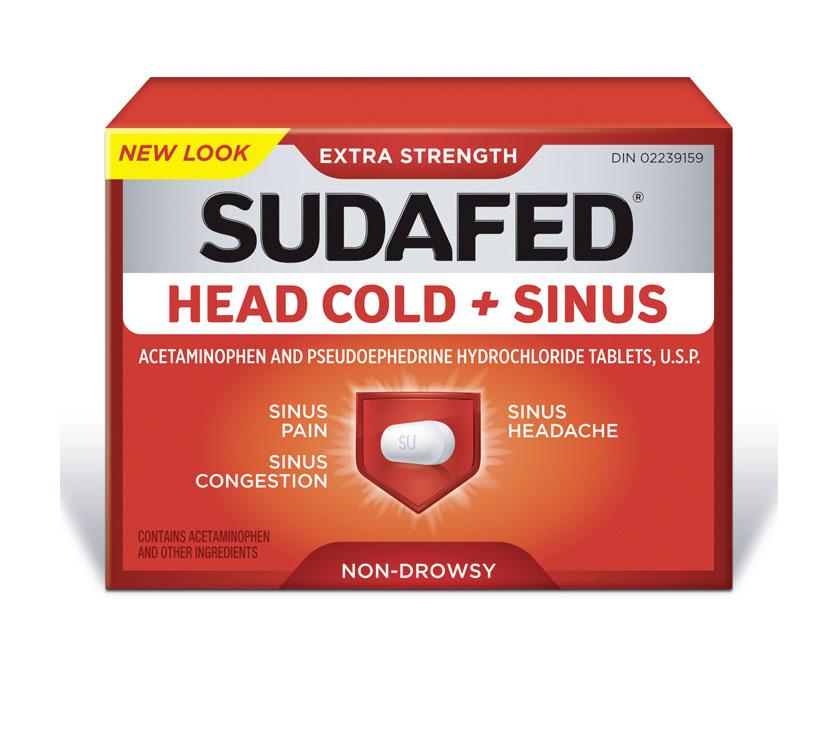
Sudafed Head Cold & Sinus
Buy Sudafed Head Cold & Sinus Online


Sudafed Head Cold & Sinus is a cold and sinus medicine used for short-term relief of nasal congestion, sinus pressure, sinus headache, and related head cold discomfort. You can buy Sudafed Head Cold & Sinus online, view the current price, and choose the form and quantity shown during ordering. Match the package label, active ingredients, and directions to the product you intend to use.
This product is intended for temporary symptom relief, not for treating the cause of a viral cold. Some Canadian Head Cold & Sinus presentations combine a nasal decongestant with a pain reliever, so the ingredient panel matters before use. If you are arranging US delivery from Canada, keep the original package information available because decongestant access rules and travel expectations can differ by location.
Sudafed Head Cold & Sinus Price and Form Selection
Sudafed Head Cold & Sinus price can vary by form, package count, and label wording. Tablets and caplets may be shown separately, and extra strength or non drowsy wording should match the package you plan to take. Use the displayed price as a starting point, then compare the total quantity and active ingredient combination.
The lowest visible cost may not be the best match if the product form or ingredient panel differs from your intended medicine. A cold and sinus combination product is different from a plain decongestant, a nasal spray, or a pain reliever alone. Before checkout, read the product name carefully and make sure the package count fits short-term label use.
| Ordering detail | What to verify |
|---|---|
| Form | Tablets and caplets may have separate package labels. |
| Label wording | Extra strength and non drowsy terms should match the exact package. |
| Quantity | Total units affect the practical supply under label directions. |
| Ingredients | Combination products may include a decongestant and a pain reliever. |
| Other medicines | Duplicate cold, flu, allergy, or pain ingredients can raise risk. |
Quick tip: Compare the active ingredients before comparing package totals.
Cash-pay ordering may be useful when you want to see the current cost without relying on an insurance estimate. The final amount can depend on the package chosen and any order requirements that apply to the medicine. Keep your choice focused on the exact Sudafed Head Cold & Sinus form rather than assuming all Sudafed cold and sinus products are interchangeable.
How to Order Sudafed Head Cold & Sinus Online
Order the package that matches your symptom needs and the label you intend to follow. Review the form, package count, strength wording, and ingredient panel before placing the medicine in your cart. If more than one package appears similar, choose based on the label and active ingredients rather than color or package design alone.
Order details may be reviewed to make sure the medicine and quantity are appropriate for the request. Some pseudoephedrine-containing products can have additional purchase controls because pseudoephedrine is a regulated decongestant in many settings. Those controls do not change the basic safety step: use the medicine only as directed on the package or by a clinician.
- Match the product name to Sudafed Head Cold & Sinus.
- Choose tablets or caplets only when that form matches your intended package.
- Read the active ingredient panel before combining medicines.
- Compare total units, not just the front label.
- Keep the package available during use and travel.
US shipping from Canada may be part of the service context for eligible orders, but no shipping phrase should replace label-based use. Cold medicines are often chosen quickly when symptoms are uncomfortable, so taking a minute to compare ingredients can prevent duplicate decongestant or pain-reliever exposure.
Ingredients, Tablets, Caplets, and Label Details
Sudafed Head Cold & Sinus tablets or caplets may be used when nasal congestion occurs with sinus pressure or headache-type discomfort. The exact ingredient panel should be read on the package because Sudafed products can vary by country and formulation. Similar names can contain different decongestants, pain relievers, antihistamines, or cough ingredients.
Canadian Head Cold & Sinus presentations commonly combine pseudoephedrine with an analgesic such as ibuprofen. Pseudoephedrine is a nasal decongestant that can shrink swollen nasal passages and help relieve stuffiness. Ibuprofen is an NSAID, or nonsteroidal anti-inflammatory drug, used for pain and inflammation; it also adds stomach, kidney, bleeding, and cardiovascular precautions.
Non drowsy wording can help distinguish this medicine from products that include sedating antihistamines. It does not mean side-effect-free. Pseudoephedrine can still cause nervousness, trouble sleeping, a faster heartbeat, or increased blood pressure in some people.
Why it matters: Ingredient overlap is one of the most common cold-medicine safety problems.
Before using this medicine, compare it with every cold, flu, allergy, pain, migraine, or sinus product already in your home. Watch for duplicate pseudoephedrine, phenylephrine, ibuprofen, naproxen, aspirin, acetaminophen, caffeine, antihistamines, or cough suppressants. Taking two multi-symptom products together can unintentionally double an active ingredient.
What Sudafed Head Cold & Sinus Is Used For
Sudafed Head Cold & Sinus is intended for temporary relief of cold and sinus symptoms such as nasal congestion, sinus headache, sinus pain, and pressure. It may help when a head cold causes a blocked, heavy, or congested feeling. The decongestant component targets stuffiness, while the pain-relief component may help headache or sinus discomfort when included in the package.
This medicine does not shorten a viral cold, treat influenza, cure allergies, or work as an antibiotic. It is a symptom product, so worsening illness or unusual symptoms need a different approach. Seek medical advice if symptoms are severe, last longer than the label allows, include a very high fever, or come with chest pain, shortness of breath, facial swelling, stiff neck, confusion, or severe one-sided facial pain.
The Common Cold collection can help separate short-term symptom products from general cold information. The Sinusitis collection is useful when sinus pressure, facial pain, or prolonged congestion raises questions about sinus inflammation or infection.
Congestion can also overlap with allergies, migraine, flu-like illness, or COVID-like symptoms. If symptoms do not fit a typical head cold, ask a clinician or pharmacist whether a decongestant and NSAID combination is suitable. Product choice should reflect your symptoms, health history, and other medicines.
Dosage Checks Before Use
Follow the dosage instructions printed on the Sudafed Head Cold & Sinus package or provided by a clinician. Do not take extra doses, shorten the dosing interval, or combine multiple cold medicines to try to get faster relief. Short-term symptom medicines can cause harm when taken more often than directed.
When reading Sudafed Head Cold & Sinus dosage information, look for the age range, how many units make one dose, the spacing between doses, the maximum daily amount, and the maximum number of days recommended without medical advice. Regular and extra strength products may not have the same directions, so do not transfer directions from one package to another.
Package count is a practical ordering detail. A larger package may be unnecessary if the label limits short-term use, while a smaller count may be enough for brief cold symptoms. If you miss a dose, follow the package directions for timing; do not double up to make up for it.
If symptoms return quickly after each dose or require treatment beyond the label window, stop and ask for clinical guidance. Persistent sinus pain, worsening fever, ear pain, wheezing, or symptoms that improve then worsen can signal a problem that needs assessment rather than another cold product.
Side Effects, Warnings, and Interactions
Common Sudafed Head Cold & Sinus side effects may include nervousness, restlessness, trouble sleeping, dizziness, dry mouth, nausea, stomach upset, or a faster heartbeat. Some people notice increased blood pressure, palpitations, or jitteriness after taking pseudoephedrine. Avoid taking it close to bedtime if the label allows daytime use and sleeplessness is a concern.
If the package contains ibuprofen, NSAID-related effects can include heartburn, stomach pain, fluid retention, kidney strain, bleeding, or allergic-type reactions. Seek urgent help for chest pain, shortness of breath, fainting, black or bloody stools, vomiting blood, severe abdominal pain, facial swelling, wheezing, severe rash, or signs of stroke such as sudden weakness, face drooping, or trouble speaking.
Extra caution is important if you have high blood pressure, heart disease, heart rhythm problems, diabetes, hyperthyroidism, glaucoma, enlarged prostate, kidney disease, liver disease, asthma sensitive to NSAIDs, or a history of stomach ulcers or bleeding. People who are pregnant or breastfeeding should ask a clinician or pharmacist before use, especially because NSAIDs can carry pregnancy-specific risks later in pregnancy.
Do not use pseudoephedrine with monoamine oxidase inhibitors, often called MAO inhibitors, or within the label-specified period after stopping one. Pseudoephedrine may also interact with stimulants, some antidepressants, blood pressure medicines, and other decongestants. NSAID-containing products may interact with blood thinners, antiplatelet medicines, corticosteroids, lithium, methotrexate, diuretics, ACE inhibitors, angiotensin receptor blockers, and some blood pressure medicines.
People with asthma should be cautious if aspirin or another NSAID has ever caused wheezing, hives, swelling, or breathing trouble. Stop the medicine and seek medical help if an allergic-type reaction occurs. If you monitor blood pressure, heart rate, kidney function, or blood glucose closely, ask whether this cold and sinus medicine could affect those measurements.
Storage, Handling, and Travel
Store Sudafed Head Cold & Sinus according to the package directions, usually in a dry place away from excess heat and moisture. Keep the container closed until use, and do not take tablets or caplets that are damaged, discolored, or past the printed expiry date. Bathroom storage is often less suitable because humidity can affect tablets.
Keep this medicine out of reach of children and pets. Multi-symptom cold products can be harmful if taken accidentally, especially when they contain both a decongestant and a pain reliever. If accidental ingestion occurs, contact poison control or emergency services right away.
For travel, keep the medicine in its original package so the ingredient panel, directions, lot number, and expiry date remain available. This is especially useful for pseudoephedrine-containing products because documentation expectations may differ across borders. Do not transfer tablets or caplets into an unlabelled container for travel.
Cold and Sinus Products to Compare
Sudafed sinus congestion products are not all the same. Some focus mainly on nasal congestion relief, while others combine a decongestant with pain relief for sinus headache or pressure. Nasal sprays, tablets, caplets, and multi-symptom products can differ in duration, side effects, and who should avoid them.
Browse Respiratory Products when you need to compare respiratory symptom categories instead of a single cold and sinus medicine. For symptom education, Respiratory Articles can support a discussion with a clinician or pharmacist about congestion, sinus symptoms, and related treatment choices.
If you read Sudafed Head Cold & Sinus reviews, treat them as individual experiences. Reviews may help with packaging expectations or taste and swallowing preferences, but they cannot show whether pseudoephedrine or an NSAID-containing product is safe for your health history. Your other medicines and medical conditions matter more than another person’s experience.
Ask for help choosing a product if you are unsure whether symptoms are from a cold, sinusitis, allergies, migraine, flu-like illness, or another condition. A plain pain reliever, saline rinse, nasal spray, antihistamine, or clinician assessment may be more appropriate in some situations. The safest choice depends on the exact symptoms and the active ingredients already being used.
Authoritative Sources
Official product information: SUDAFED Head Cold + Sinus label information.
National Library of Medicine drug information: Pseudoephedrine safety and use.
National Library of Medicine drug information: Ibuprofen safety and use.
This content is for informational purposes only and is not a substitute for professional medical advice.
Express Shipping - from $29.99
Prices:
- Dry-Packed Products $29.99
- Cold-Packed Products $39.99
Standard Shipping - $19.99
Shipping with this method takes 5-10 days
Prices:
- Dry-Packed Products $19.99
- Not available for Cold-Packed products
What is Sudafed Head Cold & Sinus used for?
Sudafed Head Cold & Sinus is used for temporary relief of nasal congestion, sinus pressure, sinus headache, and head cold discomfort. It helps symptoms but does not cure a viral cold or replace medical assessment for severe or persistent illness.
What ingredients should I check before taking it?
Check the package for the exact active ingredients. Canadian Head Cold & Sinus products commonly include pseudoephedrine and a pain reliever such as ibuprofen, but formulations can vary. Avoid doubling decongestants, NSAIDs, or other pain relievers from multiple cold products.
Can Sudafed Head Cold & Sinus cause side effects?
Yes. Possible side effects include nervousness, restlessness, insomnia, dizziness, dry mouth, nausea, stomach upset, faster heartbeat, and increased blood pressure. Ibuprofen-containing products can also cause stomach, kidney, bleeding, fluid retention, or allergic-type problems.
Who should ask a clinician before using Sudafed Head Cold & Sinus?
Ask a clinician or pharmacist first if you have high blood pressure, heart disease, diabetes, glaucoma, kidney disease, thyroid disease, enlarged prostate, asthma sensitive to NSAIDs, stomach ulcer history, bleeding risk, or if you are pregnant or breastfeeding.
How should I compare Sudafed Head Cold & Sinus price?
Compare the current price along with the form, package count, strength wording, and active ingredients. Tablets, caplets, extra strength labels, and combination ingredients can affect whether two packages are truly comparable.
Rewards Program
Earn points on birthdays, product orders, reviews, friend referrals, and more! Enjoy your medication at unparalleled discounts while reaping rewards for every step you take with us.
You can read more about rewards here.
POINT VALUE
How to earn points
- 1Create an account and start earning.
- 2Earn points every time you shop or perform certain actions.
- 3Redeem points for exclusive discounts.
You Might Also Like
Select options
This product has multiple variants. The options may be chosen on the product page
Select options
This product has multiple variants. The options may be chosen on the product page
Select options
This product has multiple variants. The options may be chosen on the product page
Select options
This product has multiple variants. The options may be chosen on the product page