

Respiratory Health Articles
Plain-language guides on medications, conditions and everyday care, to read before you talk with your prescriber or pharmacist.

Zepbound for Sleep Apnea: Who It May Help and Why CPAP Still Matters
Zepbound for sleep apnea may be appropriate for some adults, but it is not a blanket replacement for standard apnea treatment. The…
Read more →
Zepbound for Sleep Apnea: Eligibility, Evidence, and Coverage
Zepbound for sleep apnea is an FDA-approved option for adults with obesity and moderate to severe obstructive sleep apnea (OSA), used with…
Read more →
Metformin and Asthma: Attack Risk, GLP-1 Drugs, and Safety
Metformin and asthma research suggests that some people with asthma and type 2 diabetes may have fewer severe asthma attacks while using…
Read more →
Tirzepatide for Obstructive Sleep Apnea: Mechanisms and Evidence
Emerging evidence suggests tirzepatide for obstructive sleep apnea may help reduce breathing events in adults with obesity. Most benefits appear tied to…
Read more →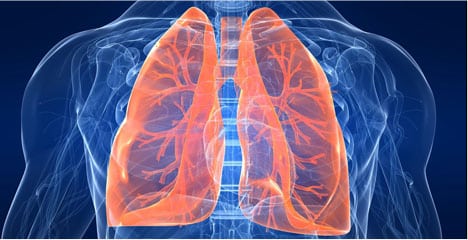
Respiratory Acidosis: Symptoms, Causes, and Treatment
Respiratory acidosis happens when the lungs cannot remove enough carbon dioxide, so the blood becomes too acidic. It usually reflects hypoventilation, meaning…
Read more →Respiratory health articles bring together practical reading on breathing, airways, infections, and related care questions. This archive helps patients, caregivers, and pet owners scan topics, compare article angles, and choose the next resource without sorting through unrelated medical pages. Use titles, summaries, and filters to separate general education from condition, pet health, and medication-access content.
Browse respiratory health articles by topic
Respiratory means related to breathing and the body structures that move air in and out. The respiratory system includes the nose, mouth, throat, windpipe, lungs, breathing muscles, and alveoli (tiny air sacs). Articles in this collection may explain breathing function, airway terms, common infection terms, or how upper-airway topics differ from lower-lung topics.
This is a reading archive, not a diagnosis tool. A symptom article can help you understand terms such as cough, congestion, wheeze, fever, or shortness of breath. It should not decide whether you have a respiratory infection, whether an infection is contagious, or which respiratory infection treatment is appropriate. Use the page to find the right type of information, then bring health-specific questions to a clinician or veterinarian.
Choose a path before you open an article
Good browsing starts with the question you need answered. Anatomy explainers help with body parts and functions. Infection articles usually focus on symptoms, causes, contagious spread, or when a viral illness may need professional review. Product and medication pages serve different needs, because they focus on item details or access steps.
| Browsing need | Better starting point | What to check |
|---|---|---|
| Basic meaning | Definitions, anatomy, and breathing function articles | Terms like airway, lungs, and alveoli |
| Possible infection | Symptoms, causes, and contagiousness explainers | Duration, severity, and intended audience |
| Pet concerns | Species-specific veterinary resources | Whether the page discusses dogs, cats, or people |
| Diabetes during illness | Sick-day and immune-function education | How the article separates general reading from personal care |
Quick tip: Check whether the resource is written for people, pets, or product browsing before using its details.
Connect airway reading with related resources
Some airway questions overlap with pet health. For dog-focused browsing, the Canine Respiratory Infection collection separates canine condition information from human airway content. The Pet Health Articles archive groups broader veterinary education when a breathing sign appears with skin, heart, or medication questions.
Diabetes can also shape how people interpret illness content. Staying Healthy While Sick with Diabetes focuses on practical sick-day planning, while Diabetes and Immune Function explains why infection questions can feel different for some people with diabetes. The broader Diabetes Articles archive is useful when glucose monitoring, insulin routines, or acute symptoms are part of your reading path.
Separate article reading from medication browsing
Medication-related links help you compare resource types, but they do not replace clinical judgment. Pet Medications is a product collection for veterinary items, while Baytril Antibiotic Guide is an educational article about a veterinary antibiotic. These pages may sit near infection topics because infections can involve animals, but a veterinarian decides whether any medication fits a pet’s condition.
For human diabetes-related access questions, Diabetes Medications is a product category rather than an editorial article. Keep that distinction in mind when moving from reading about illness to reviewing prescription medication pages. When prescription topics apply, CanadianInsulin.com functions as a referral service and may help confirm prescription details with the prescriber when required.
When medication pages are involved, licensed third-party pharmacies handle dispensing where permitted. General respiratory health articles remain informational and should not be used to start, stop, or change medication.
Safety signals and interpretation
Cough, fever, congestion, and shortness of breath can overlap across allergies, asthma, viral illness, bacterial illness, and other conditions. Articles can explain common terms, but they cannot tell you why a symptom is happening. Seek professional care for urgent, worsening, or unclear breathing symptoms, especially when a child, older adult, pregnant person, or medically fragile person is involved.
Questions about whether a respiratory infection is contagious also need context. Timing, test results, exposure history, vaccination status, and local public health guidance can all matter. If an article discusses the upper respiratory tract or lower respiratory tract, use that distinction as a map for reading, not as a self-diagnosis.
Why it matters: Similar airway terms can point to different next steps for people and pets.
Keep browsing with clear labels
The most useful respiratory health articles are clear about audience, body area, condition context, and whether the page is educational or product-related. Scan headings for words such as airway, infection symptoms, pet health, diabetes, or medication category. Those labels help you avoid applying one resource too broadly.
If you are comparing several pages, keep notes about the question each page answers. One article may define breathing system parts, another may discuss lower respiratory infection symptoms, and a third may connect illness with a chronic condition. Use this archive as a reading map, then continue with the most specific resource for your situation.
This content is for informational purposes only and is not a substitute for professional medical advice.
This content is for informational purposes only and is not a substitute for professional medical advice.
Frequently asked questions
About reading the Respiratory archive.
Where should I start in this Respiratory article archive?
Start with the question you need answered. If you want definitions, choose anatomy or breathing-function content. If you are comparing symptoms, choose infection or sick-day articles. If the concern involves a pet, keep veterinary resources separate from human health pages. Product categories should be used for medication browsing, not for diagnosing symptoms.
How are upper and lower respiratory tract topics different?
Upper respiratory tract topics usually involve the nose, sinuses, throat, and nearby airways. Lower respiratory tract topics involve the airways deeper in the chest and the lungs. Article labels can help you choose a more relevant page, but they should not be used to self-diagnose. A clinician can interpret symptoms in context.
Can respiratory infections be contagious?
Some respiratory infections can spread from person to person, especially viral infections. Contagiousness depends on the cause, timing, symptoms, test results, and exposure setting. Articles can explain common terms and warning signs, but they cannot confirm your specific risk. Follow current public health guidance and ask a clinician when symptoms are unclear or worsening.
Can any food clean the lungs?
No single fruit or food should be treated as a lung cleanser. Nutritious foods may support general health, but they do not replace medical care, vaccination guidance, prescribed treatment, or avoiding smoke and other airway irritants. If an article discusses diet, read it as general wellness education rather than a treatment plan for breathing symptoms.
Browse by medical condition
Products and reading lists grouped by condition, from A to Z.
All medical conditions →Looking for a medication?
Prices in USD, shown before you pay. Prescription required.
Shop all medications →The contents of CanadianInsulin.com are for informational purposes only and should not be considered medical advice. We do not guarantee the accuracy of the content on CanadianInsulin.com, nor do we assume any responsibility for any actions taken using the information found on our website. Always consult with your family physician or a qualified health care provider about any health or medical concerns.