
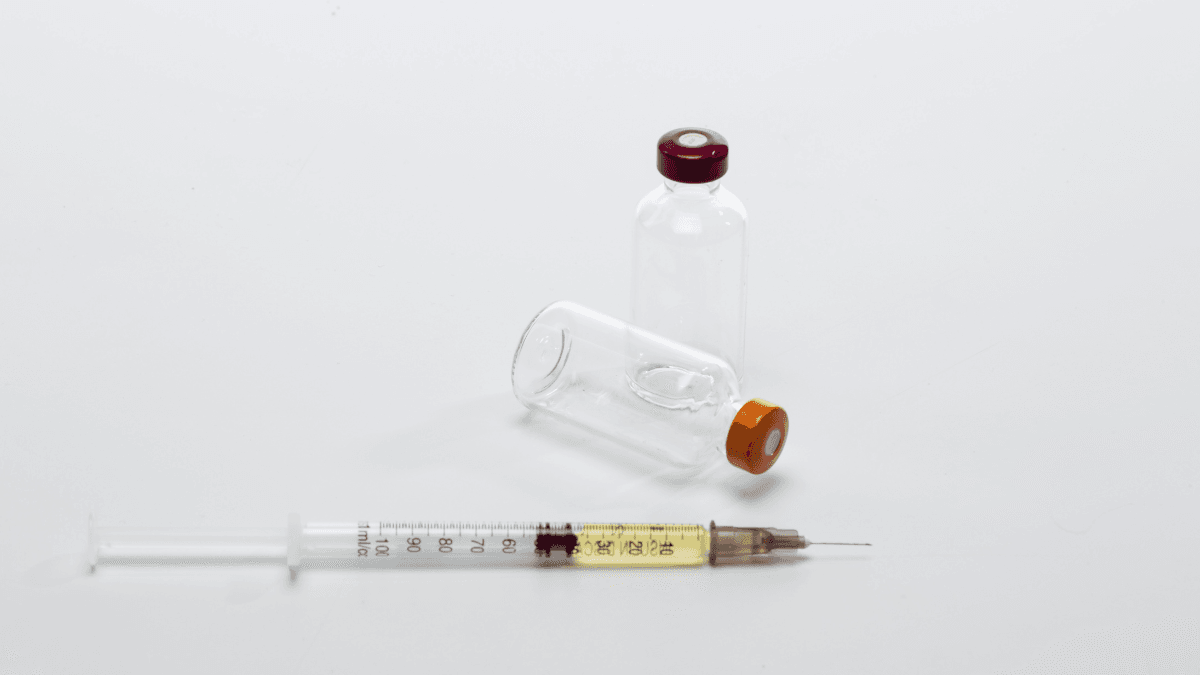
Choosing between options like novolog vs regular insulin affects meal timing, hypoglycemia risk, and daily routine. This overview explains pharmacology, onset and peak differences, switching considerations, and related analogs.
Key Takeaways
- Faster onset: Insulin aspart (Novolog) acts sooner than Regular insulin.
- Meal timing: Novolog often doses at start of meals; Regular needs lead time.
- Switching: Dose changes require medical oversight and careful monitoring.
- Safety: Hypoglycemia and stacking risks rise with aggressive corrections.
- Alternatives: Other rapid analogs may fit pumps or specific meal patterns.
Novolog vs Regular Insulin: Pharmacology and Use
Novolog (insulin aspart) is a rapid-acting analog designed to absorb quickly after injection. Regular insulin is short-acting human insulin that absorbs more slowly and lasts longer. Both lower blood glucose, yet they differ in onset, peak, and duration, which changes how people time doses around meals. These kinetic differences also influence injection-to-meal interval, correction dosing, and suitability for pumps.
Labeling describes these properties and key safety elements like hypoglycemia warnings, contraindications, and mixing guidance. For authoritative details, see Novo Nordisk’s prescribing information for NovoLog (insulin aspart) prescribing information. For Regular human insulin data, consult Lilly’s HUMULIN R label product labeling. Use this information when discussing timing, dose adjustments, and device compatibility with your care team.
For a human Regular comparison within brands, see Novolin R vs Humulin R for labeling nuances and formulation differences.
Onset, Peak, and Meal Timing
Rapid analogs like aspart generally start lowering glucose within 10–20 minutes, peak around 1–3 hours, and taper by 3–5 hours. Regular insulin usually starts closer to 30 minutes, peaks around 2–4 hours, and can persist 6–8 hours. This timing matters at mealtime. Many people can dose rapid analogs right before or at the first bite, while Regular insulin may require a longer pre-meal interval.
Meal composition and pre-meal glucose influence timing. High-fat or high-protein meals can delay absorption of carbohydrates and may warrant different bolus strategies. Pump users sometimes use extended or dual-wave boluses to match slower digestion. Discuss individualized timing if you use a pump or have frequent post-meal spikes. Guidance on bolus strategies appears in professional standards Standards of Care that outline principles for matching insulin action to meals.
People comparing options like lispro vs regular insulin can use similar timing reasoning: faster analogs generally pair better with immediate or variable meals, while Regular may suit predictable schedules.
Safety, Interactions, and Hypoglycemia Risk
Both insulins can cause hypoglycemia, especially with mismatched meals, unexpected activity, or stacking short-interval doses. Rapid analogs reach peak effect sooner, so missed meals or delayed eating can trigger sudden lows. Regular insulin’s longer tail can overlap with later meals, raising risk of late hypoglycemia. Alcohol use, illness, and renal or hepatic impairment can also change insulin needs, increasing variability and risk.
Review the interaction warnings and mixing restrictions in official labeling when planning adjustments. For example, long-acting basal insulins are typically not mixed in the same syringe with rapid or Regular formulations. People using continuous glucose monitoring (CGM) can spot delayed peaks and better identify stacking patterns. When in doubt, document dose timing, carbs, and activity to support safe adjustments with your clinician.
Switching Between Rapid and Regular: Clinical Considerations
Switching from Regular to a rapid analog (or the reverse) changes the dose timing and curve of action. Some individuals need different carbohydrate ratios or correction factors because the insulin’s onset and peak shift relative to digestion. A follow-up plan with frequent glucose checks helps catch early trends and reduces the risk of unrecognized lows or highs.
Digital tools can help estimate starting points, but they are not a substitute for clinical judgment. If you use an insulin conversion calculator, treat results as rough estimates and validate them with readings. Switchovers may also require pump setting updates, pen device changes, or revised injection techniques. Written instructions and a few days of increased monitoring can improve safety during transitions.
Practical Comparisons and Alternatives
Analogs like aspart and lispro behave similarly but not identically. People comparing humalog vs novolog often focus on meal timing flexibility, pump compatibility, and individual response. In practice, many can use either, but device availability, insurance, and personal experience influence the choice. Consistency reduces surprises, especially during travel or routine changes.
Beyond aspart and lispro, glulisine and newer ultra-rapid formulations may suit fast-onset needs. For an in-depth comparison across alternatives, see Novolog vs Humalog Difference for side-by-side considerations. Those evaluating other rapid options can review Apidra vs Novolog for pharmacologic and practical distinctions.
Ultra-Rapid Analog Options
Ultra-rapid formulations aim for quicker onset to match modern eating patterns. These products may help reduce post-meal spikes when immediate dosing is necessary. However, they can also increase early hypoglycemia risk if meals are delayed, so careful timing still matters. Device compatibility and insurance coverage are additional considerations during selection.
People comparing lyumjev vs fiasp look at onset differences, local injection reactions, and how dosing fits with snacks versus main meals. For those considering faster aspart devices, see the Fiasp FlexTouch Pen page for device format details and cartridge options.
Tools, Tables, and Dose Transitions
When clinicians adjust regimens, they often consult reference charts that summarize onset, peak, and duration. An insulin conversion table can be helpful during formulary changes, pump transitions, or perioperative planning. These summaries aid discussions, but individual physiology, comorbidities, and meal patterns still drive real-world results. Structured follow-up with logs or CGM data helps confirm that any change is safe and effective.
For background on how structural modifications create different action profiles, see Insulin Analogs for mechanisms and examples. If premixed regimens are relevant to your routine meals, the primer Premixed Insulin Guide explains ratios, timing constraints, and when they are considered.
Worked Example: Adjusting Meal Dose
Imagine a person moving from Regular insulin to a rapid-acting analog for dinner. Their previous strategy required injecting 30–40 minutes before eating to match the Regular peak. With a rapid analog, the clinician may recommend dosing at the start of the meal, then evaluating post-meal readings over several days. If glucose rises later due to slow-digesting meals, split boluses or slight timing shifts could help. The person documents carbohydrate counts, activity, and correction doses to avoid stacking, then reviews patterns at follow-up. This deliberate process reduces surprises and lowers hypoglycemia risk during the changeover.
Brand-to-Brand Substitutions
People sometimes face brand switches due to supply, insurance, or travel. For bolus analogs with similar profiles, the core carb ratio and correction factor may be close, but careful verification is still needed. When changing brands, keep dose timing consistent initially and monitor closely. Device training also matters, since pen mechanics and needles can affect technique.
During formulary or pharmacy transitions, discuss practical steps and fallback plans. If you must navigate novolog to humalog conversion, confirm with your prescriber and track glucose for several days. For a broader framing across human and analog products, see Novolin vs Humalog to understand profile differences, and Humulin vs Novolog for cross-class comparisons.
Related Learning and Where to Go Next
If you want a refresher on human versus analog insulins, the overview Novolin vs Novolog explains key contrasts. For pump users considering rapid alternatives, review Apidra SoloStar Pen for device-specific notes. Readers comparing Regular formulations should also see Novolin R vs Humulin R for practical distinctions.
For community-level discussion of bolus options and real-world experiences, explore our Diabetes Articles for adjacent guides and comparisons. If your clinician recommends lispro, device details for cartridges are outlined on the Humalog Cartridge 100 units/mL page. These resources can help you prepare for a productive clinical conversation.
Note: Always record dose timing, carb estimates, and CGM or meter readings during any transition. This supports safer adjustments.
Comparing novolog vs regular insulin
Rapid-acting aspart was engineered to reach the bloodstream faster than Regular human insulin. In day-to-day life, this often means more flexibility to dose at the start of a meal and less need for long pre-meal waits. Regular insulin’s slower onset can still work well for predictable meal times and structured routines. The better choice depends on meal patterns, device use, and monitoring.
When switching or adjusting, collaborate with your care team and verify changes with glucose data. Some individuals may prefer the predictability of Regular’s longer tail, while others value the flexibility of a rapid analog. Professional standards emphasize individualized care plans that align medication action with eating habits, activity, and safety checks.
Tip: If you experiment with new timing, change one variable at a time and track results for several days.
This content is for informational purposes only and is not a substitute for professional medical advice.


