
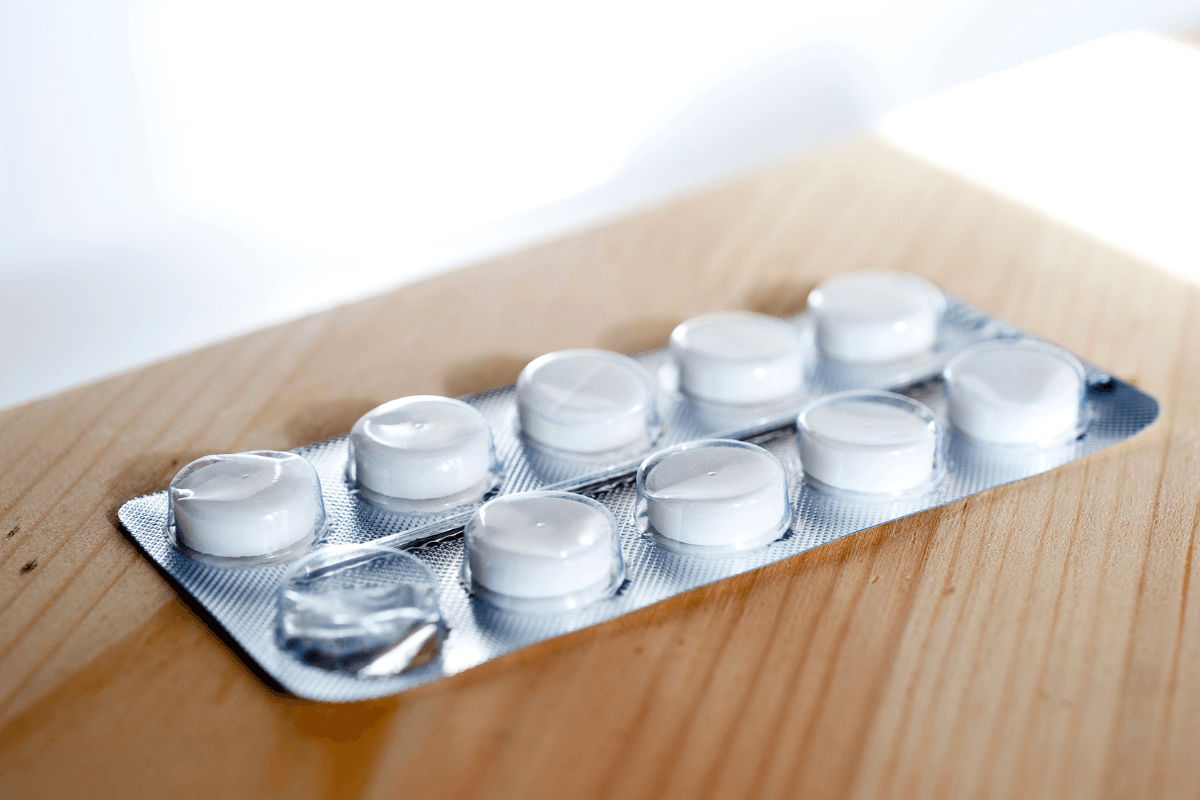
What is Jardiance used for? Jardiance is the brand name for empagliflozin, a sodium-glucose cotransporter 2 inhibitor (a medicine that helps the kidneys pass more sugar into urine). In adults, it is used for type 2 diabetes and, in some cases, heart failure or chronic kidney disease. That matters because the benefits can extend beyond glucose control, but the same mechanism can also raise risks such as dehydration, genital yeast infections, urinary symptoms, and rare emergencies that need prompt evaluation.
Key Takeaways
- Drug class: Empagliflozin, an SGLT2 inhibitor.
- Main uses: Type 2 diabetes and some heart or kidney cases.
- How it works: More glucose leaves the body in urine.
- Common issues: Urination, thirst, yeast infections, urinary symptoms.
- Main cautions: Dehydration, low blood pressure, ketoacidosis, and serious infection symptoms.
What Is Jardiance Used For in Practice?
In real-world care, the answer is broader than many people expect. Jardiance is often part of type 2 diabetes treatment, especially when a clinician wants glucose lowering without relying only on insulin. For broader background, the site’s Type 2 Diabetes Hub can help put the drug in context.
Its role can extend beyond blood sugar. Some adults are prescribed it because heart failure or kidney disease is part of the bigger picture. That is why people looking up this drug may find it discussed in both diabetes and kidney care. If kidney health is already a concern, the site’s background on Diabetic Kidney Disease can help frame why that overlap matters, and the Nephrology Hub offers broader reading.
Jardiance is not a treatment for type 1 diabetes, and it is not used to treat diabetic ketoacidosis. In fact, rare cases of ketoacidosis can occur while taking medicines in this class, so anyone with a history of Diabetic Ketoacidosis or symptoms that suggest it needs careful review.
People also ask about weight loss. Some weight reduction can happen because glucose is lost through urine, but that is not the main reason the medicine is prescribed. If weight change happens, it is usually considered a secondary effect rather than the core treatment goal.
Prescription details may be confirmed with the prescriber when required.
How This Medicine Works
Jardiance belongs to the SGLT2 drug class. SGLT2 proteins normally help the kidneys reabsorb glucose back into the bloodstream. Empagliflozin blocks some of that reabsorption, so more glucose leaves the body in urine. That process is one reason people may notice more urination or learn that Glycosuria is expected while taking it.
The same mechanism also changes sodium and fluid handling. That helps explain why the medication may have benefits that go beyond glucose numbers in the right patient. It also explains the tradeoffs. More sugar and fluid in urine can increase thirst, contribute to dehydration, and create conditions that make genital yeast infections or urinary complaints more likely.
Why it matters: Once you understand the mechanism, the side-effect pattern makes more sense.
Because the drug works through the kidneys, kidney function and fluid status matter from the start. That does not mean the medication is automatically harmful to the kidneys. The more accurate view is that it acts through an organ that may already be vulnerable, so the balance between benefit and risk depends on the person’s condition, lab results, hydration, and reason for treatment.
Benefits, Limits, and Where It Fits in Care
The benefits of Jardiance depend on why it was chosen. For type 2 diabetes, it can help lower blood sugar and usually has a low risk of causing hypoglycemia when used by itself. For some adults, the appeal is broader. A clinician may also be thinking about heart failure, kidney protection, or reducing reliance on treatments that can cause weight gain or frequent lows.
It often sits alongside other medicines rather than replacing every other option. Depending on the situation, clinicians may compare it with or add it to treatments discussed in broader reviews of Insulin Resistance Medications. Some people take empagliflozin in a combination product such as Synjardy, which pairs it with metformin. Another drug in the same class is Dapagliflozin. Those examples are useful for class context, not as a signal that one option is right for everyone.
There are also clear limits. Jardiance is not a rescue medicine for acute high blood sugar, it does not replace insulin when insulin is truly needed, and it is not the main therapy for people seeking weight loss alone. When people ask what is Jardiance used for, they are often trying to sort a diabetes drug from a heart or kidney drug. In practice, it can serve any of those roles, depending on the clinical goal.
That broader role is helpful, but it also means the same prescription can come with different monitoring priorities. Someone using it mainly for glucose control may focus on blood sugar patterns and urinary symptoms. Someone using it in a heart or kidney context may also be watching fluid balance, dizziness, or changes in kidney labs.
Risks, Side Effects, and Warning Signs
The downside of Jardiance is not the same for every person. The most common problems are tied to how it works. More sugar in urine can increase urination, cause thirst, and raise the chance of genital yeast infections. Some people also report urinary burning, urgency, or discomfort. Not every urinary symptom means an infection, but symptoms that worsen or come with fever deserve medical review.
Common side effects
- More urination: Often noticeable early.
- Thirst: May follow fluid loss.
- Genital symptoms: Often yeast-related.
- Urinary symptoms: Burning or urgency can occur.
- Low sugar risk: Higher with insulin or sulfonylureas.
Genital yeast infections can happen in any sex. In women, symptoms may include itching, burning, irritation, or unusual discharge. In men, redness, irritation, or soreness can occur. Urinary tract infections are a separate issue, and the site’s overview of UTI and Diabetes can help explain why diabetes and urinary symptoms often overlap.
More serious problems are less common, but they matter. Significant fluid loss can lead to dehydration, low blood pressure, faintness, or a temporary drop in kidney function. Rarely, SGLT2 inhibitors can contribute to ketoacidosis, even though they are not insulin. That risk may rise during severe illness, prolonged fasting, heavy alcohol use, or a very low-carbohydrate pattern. If that topic is relevant, the site’s discussion of Keto Diet and Diabetes adds useful background.
Is it hard on the kidneys?
That common question needs a careful answer. Jardiance works through the kidneys, so kidney health is central to safe use. In some adults, kidney disease is part of the reason the medicine is chosen. In others, the concern is that fluid loss or acute illness can make kidney function worsen temporarily. Vomiting, diarrhea, fever, or poor fluid intake can change the risk profile quickly.
The most useful way to think about kidney effects is this: the drug is not simply hard on the kidneys, but it can become risky when the kidneys are already under stress. That is why lab review and symptom review matter, especially for older adults, people taking diuretics, or anyone with existing kidney problems.
What is Jardiance used for becomes a more urgent question when safety issues appear. Severe abdominal pain, persistent vomiting, deep or fast breathing, extreme weakness, confusion, fever with urinary symptoms, or rapidly worsening genital pain and swelling need prompt assessment. Those symptoms are not routine side effects.
Dispensing is handled by licensed third-party pharmacies where permitted.
Who Needs Extra Caution and What Interactions Matter
Some people need closer monitoring before and during treatment. That includes adults with recurrent dehydration, low blood pressure, frequent genital or urinary infections, frailty, or reduced kidney function. It also includes people who are about to have surgery or who are dealing with a major illness that limits eating and drinking. In those situations, the prescribing team may review whether the medication should be paused.
- Diuretics: Can add to fluid-loss risk.
- Insulin or sulfonylureas: Can raise low sugar risk.
- Kidney disease: May change lab and symptom monitoring.
- Recurrent infections: Deserve extra discussion before starting.
- Poor intake or fever: Can change safety quickly.
People often ask what drugs should not be taken with Jardiance. There is no short universal list that fits every patient, but several combinations deserve review. Diuretics can compound dehydration and dizziness. Insulin and sulfonylureas can make hypoglycemia more likely. Other medicines that affect blood pressure, kidney perfusion, or fluid balance may also matter. The safest approach is a full medication review, including over-the-counter products and supplements.
Food questions come up often too. There is no standard list of foods that everyone must avoid while taking this medicine. The bigger issues are hydration, alcohol excess, and situations that reduce food intake for long stretches. Very restrictive eating patterns may matter because they can overlap with dehydration or ketoacidosis risk in susceptible people.
Quick tip: Bring a complete medication list to each review, including supplements and as-needed drugs.
How It Compares With Metformin
Jardiance and metformin are both used in type 2 diabetes, but they work differently and carry different tradeoffs. Neither is universally safer. The better fit depends on the treatment goal, kidney function, side-effect tolerance, and whether heart failure or kidney disease is also shaping the decision.
| Topic | Jardiance | Metformin |
|---|---|---|
| Main action | Helps the kidneys pass more glucose into urine. | Reduces glucose release from the liver and improves insulin sensitivity. |
| Common role | Used for type 2 diabetes and, in some adults, heart failure or chronic kidney disease. | Often used as a common starting medicine for type 2 diabetes. |
| Typical issues | More urination, thirst, genital infections, dehydration risk. | Nausea, diarrhea, stomach upset. |
| Low blood sugar alone | Usually low risk on its own. | Usually low risk on its own. |
| Key monitoring point | Hydration, infection symptoms, kidney status. | Tolerability and whether kidney function supports ongoing use. |
Many people take both medicines, either as separate tablets or in a combination product. That is why what is Jardiance used for cannot be answered with a single short line. One person may be taking it as an add-on to metformin for glucose control. Another may be taking it because heart or kidney risk changed the treatment plan.
If comparison is the main goal, it helps to ask which outcome matters most: lower glucose, simpler routine, fewer stomach effects, kidney protection, or heart failure management. That question is usually more useful than asking which drug is better in the abstract.
Questions to Ask Before Starting or Reviewing Treatment
If this medicine is on your list, a practical review can make visits more productive. You do not need to know every technical detail, but you should understand why it was chosen and which symptoms matter most.
- Main reason: What problem is this medicine targeting?
- Lab plan: Which kidney tests or other labs matter?
- Medicine review: Which current drugs change the risk?
- Warning signs: Which symptoms need same-day attention?
- Illness planning: What should be reviewed before surgery or poor intake?
- Infection symptoms: Should urinary or genital changes be reported right away?
These questions matter because the benefits and risks shift with the setting. A person using empagliflozin mainly for glucose control may not need the same counseling emphasis as someone taking it because heart failure or kidney disease is also present. Good follow-up is less about memorizing a drug sheet and more about knowing which changes deserve attention.
Cash-pay and cross-border options depend on eligibility and jurisdiction.
Authoritative Sources
- The FDA’s current prescribing information for Jardiance.
- A patient-focused Cleveland Clinic summary of empagliflozin tablets.
- The current NIH Bookshelf monograph for empagliflozin.
In short, what is Jardiance used for depends on the treatment goal. It can play a role in type 2 diabetes care and, for some adults, heart failure or chronic kidney disease. The main tradeoff is that benefits beyond glucose control come with a side-effect pattern tied to urination, hydration, infection risk, and rare emergencies. Further reading on diabetes, kidney disease, and infection risk can help put the medicine in context.
This content is for informational purposes only and is not a substitute for professional medical advice.


