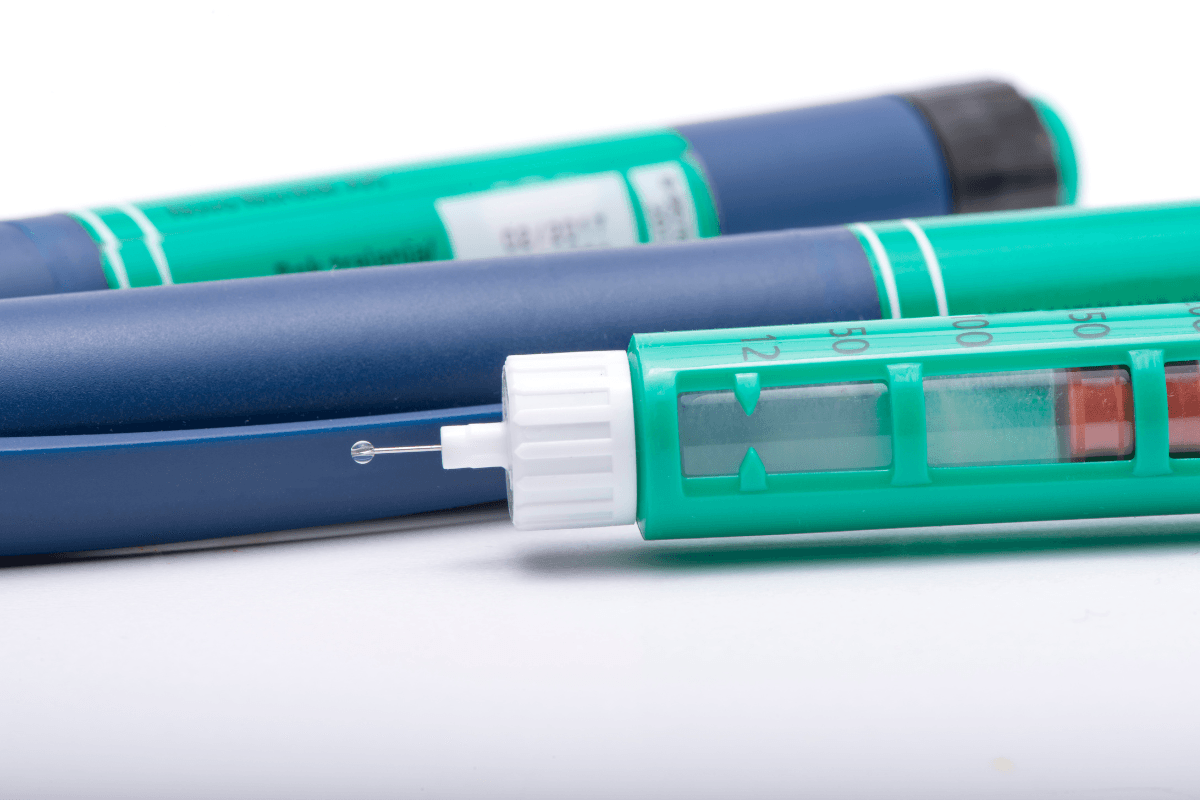
Levemir is the brand name for insulin detemir, a long-acting basal insulin used to help manage high blood sugar in people with diabetes. Understanding what is Levemir matters because basal insulin works in the background, not mainly at meals, so timing, storage, dose review, and safety monitoring all affect day-to-day use.
Key Takeaways
- Basal insulin role: provides background insulin between meals and overnight.
- Generic name: insulin detemir is the active medicine.
- Schedule varies: some people use it once daily, while others use it twice daily.
- Safety focus: hypoglycemia, injection-site changes, and dosing errors need attention.
- Access planning: discontinuation notices make replacement planning important.
What Is Levemir and How Does It Work?
Levemir is a long-acting insulin analog. Its generic name is insulin detemir, and it belongs to the basal insulin group. Basal insulin is meant to provide steady insulin coverage during fasting periods, including between meals and while sleeping.
Unlike rapid-acting insulin, levemir insulin is not designed to cover a specific meal. It helps reduce glucose made and released by the liver when the body is not eating. That background effect can support fasting glucose control when the dose and schedule fit the person’s needs.
Insulin detemir has a prolonged action because it binds to albumin, a protein in the blood and tissues. This slows its movement into active circulation. The result is a smoother action profile than regular short-acting insulin, although response still varies by person, dose, injection site, and other medicines.
Why it matters: Basal insulin gaps or overlap can increase the risk of high or low glucose.
For a closer look at onset, peak, and duration, see our plain-language resource on Levemir Onset, Peak, Duration. You can also compare broader background insulin options in Basal Insulin Types.
Who It Is Used For and What It Does Not Do
Insulin detemir is used as part of diabetes treatment when basal insulin is needed. It may be used in type 1 diabetes with mealtime insulin, or in type 2 diabetes when non-insulin medicines no longer provide enough control. The exact plan depends on glucose patterns, other medicines, meals, activity, and the person’s risk of low blood sugar.
It is also important to know what basal insulin does not do. Levemir does not replace rapid-acting mealtime insulin when that insulin is prescribed. It is also not a weight-loss medicine. Any weight change during insulin treatment should be reviewed with a clinician, especially if it happens quickly or comes with repeated low glucose.
People sometimes ask whether a specific amount, such as 40 units, is a lot. There is no useful universal answer. Insulin needs can vary widely by body weight, insulin resistance, kidney function, meal pattern, pregnancy status, steroid use, and other therapies. Dose comparisons between people can be misleading.
If you are gathering context before a medication review, our Levemir Dosage Guide explains how clinicians often think about titration logs and safety checks. It should not replace individualized instructions.
Timing, Duration, and Once- or Twice-Daily Dosing
Levemir may be prescribed once daily or twice daily, depending on the person’s glucose profile and clinician instructions. Some people get enough background coverage from one injection. Others may see glucose rise before the next scheduled dose, which can lead their clinician to consider a split schedule.
The duration of action can reach up to about 24 hours in some people, but it is not identical for everyone. Lower doses may not last as long as higher doses. Injection site, activity level, illness, and insulin sensitivity can also change the apparent duration.
Night-time dosing is often considered when fasting or early-morning glucose is a concern. Morning dosing may fit others better if daytime fasting coverage is the main issue. A clinician usually reviews glucose meter or continuous glucose monitor trends before suggesting a timing change.
Quick tip: Keep a simple log of dose time, fasting readings, and low-glucose symptoms.
If you track glucose in different units, this converter can help you compare mg/dL and mmol/L values when reviewing logs. It is only a unit tool and does not interpret your results.
Blood Glucose Unit Converter
Convert glucose readings between mg/dL and mmol/L without changing the clinical value.
These calculations are for education only and do not replace clinical advice, diagnosis, or treatment. Always confirm medical decisions with a qualified healthcare professional.
Do not change the timing or amount of basal insulin without professional guidance. This is especially important after severe hypoglycemia, missed doses, major diet changes, new steroid treatment, pregnancy, kidney function changes, or changes to GLP-1 medicines.
FlexPen Use, Injection Technique, and Storage
The Levemir FlexPen is a prefilled insulin pen format. Pen devices can reduce some measuring steps, but they still require careful handling. Users need to confirm the insulin name, check the dose window, attach a new needle, prime when directed, and inject into subcutaneous tissue (the fat layer under the skin).
Common injection sites include the abdomen, thigh, and upper arm. Rotating within a site area helps reduce lipodystrophy, which means thickened or pitted fat tissue from repeated injections. Injecting into changed tissue can make absorption less predictable.
General Pen Technique Points
- Check the label: confirm the insulin before each injection.
- Inspect the solution: do not use cloudy or discolored insulin unless the product label says otherwise.
- Use a new needle: avoid reusing or sharing pen needles.
- Prime as directed: follow the device instructions before dosing.
- Hold after injecting: wait as directed so the full dose is delivered.
- Remove the needle: store the pen without a needle attached.
People also ask why they should be cautious with showering after an insulin injection. The concern is usually heat, not water itself. Hot showers, baths, saunas, or vigorous rubbing near the injection site may increase blood flow and could affect how quickly insulin is absorbed. Ask your care team what precautions apply to your routine.
Storage rules protect insulin potency. Unopened insulin usually requires refrigeration within the labeled range. In-use pens may often be kept at room temperature for a limited period, but the exact time depends on the product instructions. Mark the first-use date and discard insulin when the label says to do so, even if some remains.
If you need product-specific handling context, the Levemir PenFill Cartridges page can help identify the product format. Keep clinical and storage questions tied to your prescription label and official product information.
Side Effects, Warnings, and When to Seek Help
The main safety risk with any insulin is hypoglycemia, or low blood glucose. Symptoms can include shakiness, sweating, hunger, confusion, fast heartbeat, dizziness, blurred vision, or weakness. Severe hypoglycemia can cause seizure, loss of consciousness, or injury and needs urgent treatment.
Other possible levemir side effects include injection-site redness, itching, swelling, bruising, or discomfort. Repeated injections in the same area may cause lipodystrophy. Less commonly, people may have allergic reactions. Warning signs such as widespread rash, facial swelling, trouble breathing, or severe dizziness require emergency care.
Insulin needs can change during illness, pregnancy, changes in kidney or liver function, shifts in diet, alcohol use, weight change, or new medicines. Steroids can raise glucose for many people. Some diabetes medicines may increase low-glucose risk when used with insulin. These situations call for closer monitoring and clinician review.
Pregnancy deserves specific medical oversight. Insulin is commonly used in pregnancy when needed, but dosing and monitoring targets should be set by an obstetric or diabetes specialist. People who are pregnant, planning pregnancy, or breastfeeding should review levemir side effects during pregnancy with their care team.
For a more detailed safety discussion, see Levemir Side Effects. For insulin detemir context beyond one brand format, read Insulin Detemir Details.
Discontinuation and Replacement Planning
Levemir has been subject to discontinuation and supply-transition notices in some markets. That does not mean everyone must change immediately everywhere, but it does mean patients should avoid waiting until their last pen or vial to ask about a plan.
A levemir discontinued replacement may be another long-acting insulin. Options can include insulin glargine products or insulin degludec, depending on clinical fit, availability, coverage, and local prescribing practice. A switch is not always unit-for-unit in a simple way, so clinicians usually recommend closer glucose monitoring during transitions.
Common alternatives people discuss include Lantus, Basaglar, Toujeo, and Tresiba. These products are all basal insulins, but they differ in formulation, concentration, duration, device, and dosing flexibility. The best comparison depends on the person’s pattern of highs and lows, not only the brand name.
Product pages such as Lantus SoloStar Pens, Basaglar Insulin, and Tresiba FlexTouch Pens can help readers recognize available basal insulin formats. They are not substitutes for a prescribing discussion.
Some patients also ask about cheaper alternatives to Levemir or generic availability. Cost and access can depend on insurance, pharmacy arrangements, jurisdiction, and product availability. CanadianInsulin.com is a prescription referral platform; where required, prescription details may be confirmed with the prescriber, while dispensing is handled by licensed third-party pharmacies where permitted.
Levemir, Lantus, and Tresiba: Differences That Matter
The main practical differences among basal insulins involve duration, variability, device format, concentration, and timing flexibility. Levemir and Lantus are both long-acting basal insulins, but they are different molecules. Tresiba is insulin degludec and is generally described as ultra-long acting.
When people compare Levemir vs Lantus, they often focus on once-daily versus twice-daily schedules, side effects, and whether one feels more predictable. These decisions require glucose data. A person with overnight lows needs a different review than someone whose fasting glucose rises before breakfast.
Lantus side effects overlap with insulin class effects, especially hypoglycemia and injection-site reactions. However, each product also has its own label instructions and device considerations. Avoid switching between basal insulins without a transition plan, because timing and monitoring may need adjustment.
For broad browsing across diabetes-related resources, use the Diabetes Articles collection. Readers looking by condition can also browse the Diabetes Condition page for related product navigation.
Practical Questions to Bring to a Clinician
A medication review works best when you bring specific glucose patterns rather than a single number. Include fasting readings, bedtime readings, CGM reports if available, low-glucose episodes, meal timing, exercise changes, missed doses, and any recent medicine changes.
- Timing fit: ask whether your current schedule matches glucose patterns.
- Low readings: review frequency, timing, symptoms, and possible triggers.
- Injection sites: ask if site rotation or tissue changes could affect absorption.
- Storage habits: confirm how long opened insulin should be used.
- Transition plan: discuss alternatives if supply changes affect access.
- Device comfort: ask for pen technique review if doses seem inconsistent.
Bring the actual pen, cartridge, or vial to an appointment when possible. This helps the care team verify the product name, device type, dose window, expiration date, and technique. Small device errors can look like medication failure when the underlying issue is handling.
Authoritative Sources
For official prescribing details, see the current DailyMed Levemir label. It includes indications, warnings, adverse reactions, and administration information.
The manufacturer’s professional labeling is available through Novo Nordisk prescribing information. Use it to confirm product-specific instructions, not to self-adjust insulin.
For broader insulin and diabetes care context, the ADA Standards of Care summarize current clinical approaches to diabetes management.
Recap
What is Levemir in practical terms? It is insulin detemir, a basal insulin used for background glucose control in diabetes. Its value depends on matching the dose schedule, injection technique, storage, monitoring, and safety plan to the individual person.
Because discontinuation and supply changes may affect access, ask about replacement options before you run low. Any switch to another basal insulin should include clinician guidance and closer glucose review during the transition.
This content is for informational purposes only and is not a substitute for professional medical advice.