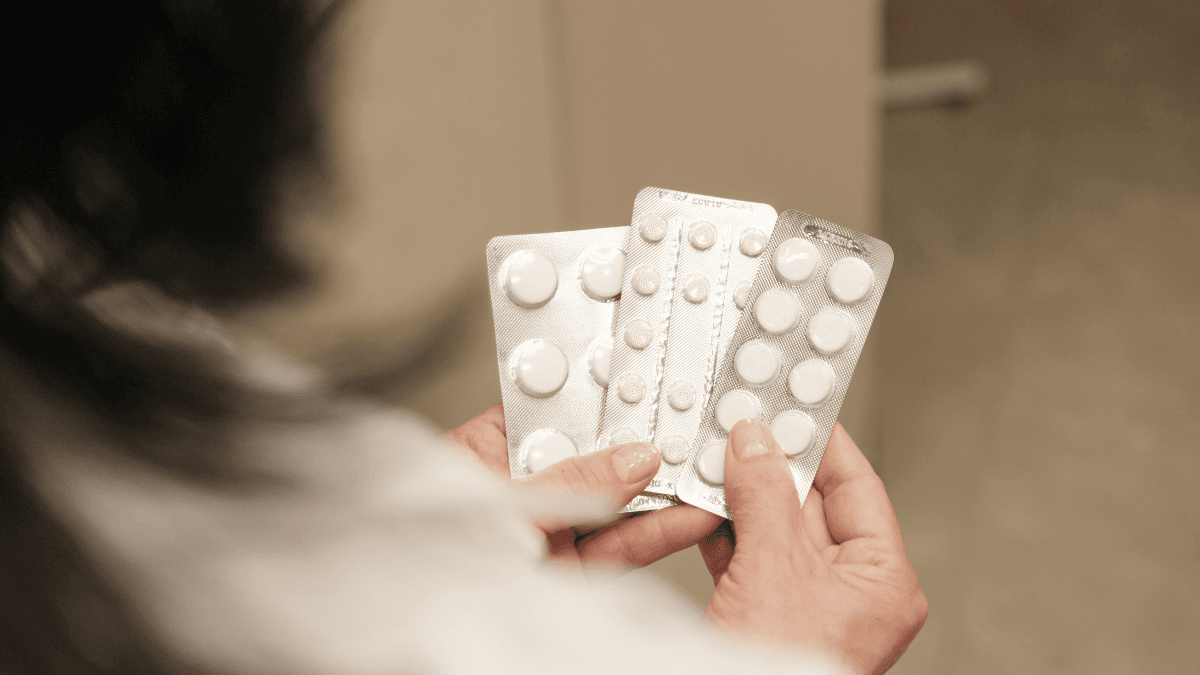
DPP-4 inhibitors weight loss is usually limited. Most clinical use describes this medication class as weight neutral, meaning average weight change is small and often not clinically meaningful. This matters because the medicines can improve blood glucose without producing the stronger appetite or calorie-loss effects seen with some other diabetes drug classes.
DPP-4 inhibitors, also called dipeptidyl peptidase-4 inhibitors or gliptins, are oral medicines used in type 2 diabetes care. Common examples include sitagliptin, linagliptin, saxagliptin, and alogliptin. They are often considered when a person needs additional glucose support with a relatively low risk of hypoglycemia (low blood sugar) when used without insulin or sulfonylureas.
This page explains what the research signal means, why weight changes can still happen, and how to compare this class with options that more directly affect body weight. For deeper background on drug names and combinations, see DPP-4 Inhibitors Brand Names.
Key Takeaways
- Weight effect: DPP-4 inhibitors are usually weight neutral.
- Main purpose: They support glucose control, not obesity treatment.
- Small changes: Minor gains or losses can occur in individuals.
- Comparisons matter: GLP-1 and SGLT2 medicines differ for weight goals.
- Tracking helps: Trends are more useful than single scale readings.
What Clinical Research Usually Shows
Most trials show little average weight change with DPP-4 inhibitors. Some studies report small losses, while others show small gains. The overall pattern is still described as neutral because the mean change is usually modest compared with medicines designed to promote weight loss.
This answer can be frustrating if you were hoping for a simple medication-related drop on the scale. A DPP-4 inhibitor may still be doing its intended job if A1C, fasting glucose, or post-meal glucose improves. Weight loss is a separate treatment goal and may require different tools.
Clinical studies also vary in design. Results can differ by baseline weight, diet, activity, background therapy, kidney function, and whether another medicine was stopped or started. A person who stops a weight-promoting drug may see weight improve after a regimen change, even if the DPP-4 inhibitor itself is not the main driver.
Why it matters: Realistic expectations reduce unnecessary medication changes.
Why DPP-4 Inhibitors Are Usually Weight Neutral
DPP-4 inhibitors work through incretin hormones, which are gut hormone signals involved in meal-related glucose control. They slow the breakdown of endogenous GLP-1 and GIP, helping the body release insulin when glucose is elevated and reduce excess glucagon, a hormone that can raise liver glucose output.
The weight effect is usually small because the incretin increase is limited. These medicines do not typically create strong appetite suppression. They also do not cause glucose calories to leave through the urine, which is one reason their weight profile differs from SGLT2 inhibitors.
That does not mean appetite never changes. Some people feel fewer cravings when glucose swings improve. Others notice no appetite difference at all. If eating patterns change after starting therapy, it helps to look at glucose trends, meal timing, side effects, and other medicines before assigning the change to one cause.
What Weight Neutral Means
Weight neutral does not mean your weight cannot change. It means the average effect in groups of people is small. Daily scale movement can reflect water, sodium intake, bowel patterns, menstrual cycle changes, recent activity, or illness.
True fat loss usually appears as a sustained trend. A single low reading after a day of reduced intake or fluid loss is less informative. A weekly average gives a clearer picture than daily peaks and dips.
Why Improved Glucose Control Can Affect Weight
Better glucose control can change appetite and energy use in different directions. If high glucose was causing thirst, fatigue, or excessive hunger, improved control may make eating patterns more stable. In other cases, reducing glucose loss in urine can remove a source of calorie loss and allow mild weight gain.
This is why dpp-4 inhibitors weight loss should be interpreted with the whole treatment plan. The scale alone cannot show whether glucose control, appetite, fluid balance, or activity changed first.
Examples Within the Class
Sitagliptin, linagliptin, saxagliptin, and alogliptin generally show similar weight-neutral patterns. No commonly used agent in the class is considered a primary weight-loss treatment. Individual differences may still matter because people vary in tolerability, adherence, kidney considerations, and background medicines.
For sitagliptin-specific context, see Januvia and Weight Loss. If you are comparing named drugs, the broader class summary in Taking DPP-4 Inhibitors can help frame what to ask your clinician.
Combination products can make weight patterns harder to interpret. For example, some products combine a DPP-4 inhibitor with metformin. Metformin is often weight neutral or associated with mild weight loss in some people, so the combined result may not reflect the DPP-4 inhibitor alone. For this specific angle, see Janumet Weight Loss.
Where prescription access is involved, CanadianInsulin.com functions as a referral platform; prescription details may be confirmed with the prescriber when required, and dispensing is handled by licensed third-party pharmacies where permitted.
How This Class Compares With Weight-Focused Options
DPP-4 inhibitors differ from GLP-1 receptor agonists and SGLT2 inhibitors in how strongly they tend to affect weight. The difference comes from mechanism, not from one class being universally better for every person.
DPP-4 Inhibitors Versus GLP-1 Medicines
GLP-1 receptor agonists directly activate GLP-1 receptors and often have stronger effects on satiety, meal size, and appetite. DPP-4 inhibitors raise the body’s own incretin signal more modestly. That is one reason GLP-1 medicines are more commonly associated with weight loss, while DPP-4 inhibitors are usually weight neutral.
These classes are not the same. Ozempic is not a DPP-4 inhibitor; it is a GLP-1 receptor agonist. They are also not usually used together because they act on related incretin pathways, and treatment plans should be individualized by a clinician.
DPP-4 Inhibitors Versus SGLT2 Inhibitors
SGLT2 inhibitors work in the kidneys by reducing glucose reabsorption. Some glucose is passed in the urine, which can lead to modest weight reduction in some people. This class also has specific kidney, genital infection, dehydration, and ketoacidosis considerations that need clinician review.
If weight reduction is a high-priority goal, your clinician may discuss whether another diabetes medicine better fits your overall risk profile. If avoiding hypoglycemia, kidney dosing issues, pill burden, or side effects is the larger concern, a DPP-4 inhibitor may remain part of the discussion.
Metformin and Combination Therapy
Metformin is often used early in type 2 diabetes care and is commonly described as weight neutral or mildly weight reducing for some people. When metformin is paired with a DPP-4 inhibitor, any weight change may come from diet, metformin tolerance, improved glucose control, or the combined regimen.
For people reviewing combination therapy, Janumet and Diabetes Management provides more context on how combined medicines can affect expectations.
What Can Make the Scale Move Anyway
Weight can change during DPP-4 therapy for reasons unrelated to fat loss. This is common in diabetes care because glucose control, hunger, hydration, and co-medications can all shift at the same time.
- Medication changes: Insulin or sulfonylureas may affect hunger and hypoglycemia risk.
- Diet patterns: Portion size and carbohydrate timing can change quickly.
- Fluid shifts: Sodium intake, illness, and hydration can alter short-term weight.
- Activity level: Pain, fatigue, or new routines can change energy use.
- Glucose improvement: Less glucose loss in urine may slightly change calorie balance.
Side effects can also influence eating. Some people report digestive symptoms, upper-respiratory-type symptoms, headache, or skin reactions with certain agents. If a side effect reduces intake, weight may fall temporarily. If appetite improves after glucose control stabilizes, weight may rise.
Seek prompt medical advice for symptoms that may suggest a serious reaction, such as severe abdominal pain, signs of an allergic reaction, blistering skin rash, or persistent vomiting. Do not stop or change a diabetes medicine without clinician guidance unless you have been told to do so for a specific safety plan.
Practical Ways to Track Weight and Glucose Together
The best way to interpret dpp-4 inhibitors weight loss is to track patterns rather than isolated readings. Use consistent conditions, such as the same scale, similar clothing, and the same time of day. Weekly averages are often easier to discuss than daily fluctuations.
You can also track waist measurement, appetite, activity, and glucose data. If you use a continuous glucose monitor, time-in-range patterns may add helpful context. If you check fingerstick glucose, bring fasting and post-meal readings that match your clinician’s instructions.
This calculator can help you estimate weight-change progress over time. It is a general tracking tool and does not replace medical guidance.
Weight-Loss Progress Calculator
Track percentage body-weight change and progress toward a target weight.
These calculations are for education only and do not replace clinical advice, diagnosis, or treatment. Always confirm medical decisions with a qualified healthcare professional.
Quick tip: Bring a two-week snapshot instead of relying on memory.
Before a medication review, consider preparing these points:
- Starting weight: Include the date and recent trend.
- Glucose data: Note A1C, fasting readings, or CGM summaries.
- Medication list: Include diabetes and non-diabetes medicines.
- Side effects: Record timing, severity, and triggers.
- Lifestyle changes: Note diet, sleep, activity, and stress changes.
- Primary goal: Clarify glucose control, weight loss, or avoiding weight gain.
Some patients also ask about cash-pay options or cross-border fulfillment, depending on eligibility and jurisdiction. That access discussion is separate from deciding whether a DPP-4 inhibitor is clinically appropriate.
Who May Find a Weight-Neutral Medicine Useful
A weight-neutral diabetes medicine may suit someone whose main goal is glucose improvement without additional weight gain. It may also be considered when hypoglycemia risk, medication simplicity, or tolerability are important treatment factors.
Still, DPP-4 inhibitors are not the best fit for every person. Kidney function, heart failure history, pancreatitis history, cost, other prescriptions, and A1C goals may influence the discussion. Some agents have specific cautions in their official labeling, and the right choice depends on the full clinical picture.
Browseable condition and topic collections can help you continue reading without treating this page as personal medical advice. Relevant starting points include the Type 2 Diabetes Articles collection and the Weight Management Articles collection.
Authoritative Sources
Use this article as an educational starting point. Medication decisions should rely on official labels, clinician review, and current professional guidance. These references provide useful primary or expert context:
- For guideline context, review the ADA Standards of Care publications.
- For Canadian product information, search the Health Canada Drug Product Database.
- For drug safety updates, see FDA Drug Safety communications.
DPP-4 inhibitors usually support blood glucose control without a strong weight-loss signal. If the scale changes after starting therapy, look at the full pattern: co-medications, appetite, glucose trends, side effects, and routine changes. Bring those details to your next care visit so the discussion stays specific.
This content is for informational purposes only and is not a substitute for professional medical advice.