

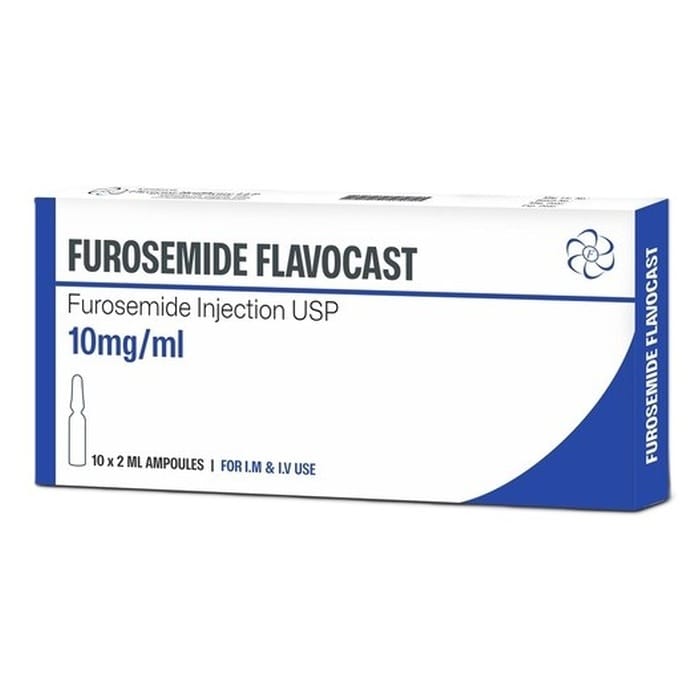
A valid prescription is required for this medication.
Compare prices. See your savings.
 Canadian comparison
Buy Furosemide Injection Online
Rx Prescription required Fast, secure shipping
Health tools
Research and education tools. They do not replace clinical advice, diagnosis, or treatment.
Blood Pressure Average Calculator
Average home blood pressure readings and show a simple screening range.
These calculations are for education only and do not replace clinical advice, diagnosis, or treatment. Always confirm medical decisions with a qualified healthcare professional.
Mean Arterial Pressure Calculator
Calculate estimated mean arterial pressure from systolic and diastolic blood pressure.
These calculations are for education only and do not replace clinical advice, diagnosis, or treatment. Always confirm medical decisions with a qualified healthcare professional.
eGFR Calculator
Estimate kidney filtration using the 2021 CKD-EPI creatinine equation.
These calculations are for education only and do not replace clinical advice, diagnosis, or treatment. Always confirm medical decisions with a qualified healthcare professional.
Creatinine Clearance Calculator
Estimate creatinine clearance using the Cockcroft-Gault equation.
These calculations are for education only and do not replace clinical advice, diagnosis, or treatment. Always confirm medical decisions with a qualified healthcare professional.
Serum Osmolality Calculator
Estimate calculated serum osmolality from sodium, glucose, and BUN or urea.
These calculations are for education only and do not replace clinical advice, diagnosis, or treatment. Always confirm medical decisions with a qualified healthcare professional.
About Furosemide Injection
Furosemide Injection is an injectable loop diuretic used to help remove extra salt and water from the body. You can buy Furosemide Injection online, view the current price, and choose the vial strength and quantity shown during ordering. Match the concentration, vial volume, and total milligrams to the directions from your clinician before use.
This medicine is commonly used when an injectable diuretic is preferred instead of an oral tablet or liquid. Injectable furosemide can affect fluid balance, electrolytes, blood pressure, kidney function, and hearing, so the label, route, and amount should be handled carefully. If you are arranging US delivery from Canada, keep the original labelled packaging with the medicine and make sure the vial information matches the treatment plan.
Furosemide Injection Price and Vial Strength
Furosemide Injection price should be evaluated by the actual vial format, not by the medication name alone. Injectable products may differ by concentration, vial volume, total milligrams per vial, and pack quantity. A 2 mL vial and a 4 mL vial can look similar, but they do not necessarily supply the same total amount of medicine.
Common references include Furosemide 10 mg/mL injection, Furosemide Injection 20mg 2mL, and Furosemide Injection 40mg 4mL. These examples show why both mg and mL matter. When both vials are 10 mg/mL, a 40 mg/4 mL vial contains twice the total furosemide as a 20 mg/2 mL vial.
Furosemide Injection cost without insurance can vary with the vial count and total contents. Cash-pay customers should compare the strength, volume, quantity, and handling instructions before treating two entries as equivalent. A lower vial price may not represent a lower cost for the full amount required by the treatment plan.
Quick tip: Match the mg, mL, and vial count before comparing amounts.
| Attribute | What to match |
|---|---|
| Concentration | The amount of furosemide in each mL, such as 10 mg/mL. |
| Vial volume | The liquid volume in the vial, such as 2 mL or 4 mL. |
| Total contents | The total milligrams supplied in each vial. |
| Quantity | The number of vials in the order. |
| Route | The route directed for administration, such as IV or IM when labelled. |
How to Order the Injectable Form
To order Furosemide Injection online, choose the vial strength and quantity that match the written treatment directions. Use the active ingredient, concentration, total milligrams, vial volume, and route as the practical ordering checks. Do not choose by brand association, vial size, or appearance alone.
Furosemide injectable products are usually used under clinical direction. Injection technique requires appropriate supplies, sterile handling, and training. If the label, route, vial strength, or quantity differs from what you expected, pause and contact the care team before the medicine is administered.
Do not substitute tablets, oral solution, or a different injectable furosemide format unless the clinician changes the plan. Oral and injectable forms are not interchangeable by appearance or convenience. The injectable route can have different onset, monitoring, and administration requirements.
What Furosemide Injection Treats
Furosemide is used to help treat edema, which means excess fluid held in body tissues. Fluid retention may be associated with heart failure, kidney disease, liver cirrhosis, and pulmonary edema when a clinician determines that a loop diuretic is appropriate. The injection form may be used when oral therapy is not suitable or when clinical management calls for an injectable diuretic.
Related condition areas include heart failure, pulmonary edema, kidney disease, and liver cirrhosis. These categories can help separate fluid-retention treatment areas from unrelated medications, but diagnosis and route choice remain individualized clinical decisions.
Furosemide Injection for edema and fluid retention works by helping the kidneys remove sodium and water. This can reduce swelling and fluid overload, but it can also lower blood pressure and change electrolyte levels. Monitoring is an important part of safe use, especially when fluid status is changing quickly.
Brand Relationship and Injectable Product Names
Furosemide USP Injection is the generic active ingredient used in injectable loop diuretic products. Lasix Injection is a brand name historically associated with furosemide injection. Product names may differ by market, manufacturer, and package, but the active ingredient and strength should be the basis for comparison.
A Furosemide Injection vial may be described by active ingredient, concentration, vial volume, total contents, package count, route, and storage statement. Manufacturer labels can also differ in preservative status or single-dose wording. Follow the carton, vial, and package insert supplied with the medicine.
Do not compare injectable furosemide with unrelated sterile vials by appearance. Many injectable medicines use small glass vials, yet they may contain different active ingredients, routes, concentrations, or safety requirements. The medication name, strength, route, and clinician directions are the safer comparison points.
Dose, Route, and Administration Checks
Furosemide Injection dosage is individualized. The dose may depend on the condition being treated, response to therapy, kidney function, fluid status, blood pressure, electrolytes, and other medicines. Do not estimate an injectable dose from another person’s order or from an oral furosemide dose without clinical direction.
Some labels reference intravenous or intramuscular administration. IV furosemide is administered into a vein, while IM administration is given into a muscle when appropriate. These routes require trained technique, attention to sterility, and correct handling of needles, syringes, and sharps disposal.
Administration speed can matter with furosemide IV injection. Rapid administration, high doses, kidney impairment, or use with certain other medicines may increase the risk of hearing-related effects. Report ringing in the ears, hearing changes, or balance symptoms promptly.
Why it matters: A small change in mL can change the total milligrams delivered.
Storage, Handling, and Shipping Basics
Many furosemide injection labels advise controlled room temperature storage and protection from light. Check the package insert and carton for the exact storage statement for the vial you receive. Do not freeze sterile injectables or expose them to excessive heat unless the official label gives different instructions.
Before administration, the solution is typically inspected for particles, cloudiness, discoloration, leakage, or container damage. A healthcare professional should decide whether a vial is suitable for use. Do not use a vial if the seal is broken, the solution looks abnormal, or the expiry date has passed.
A Furosemide Injection vial may be labelled as single-dose or multi-dose depending on the manufacturer. Single-dose vials are generally intended for one entry and one patient, while multi-dose handling depends on the label and clinical protocol. Do not transfer sterile injectable medicine into another container for convenience.
During travel, keep the medicine in its labelled carton when possible. The original packaging helps prevent confusion between similar vials and provides the storage, lot, and expiry information needed by a clinic or pharmacist. Store the medicine away from children and pets after it arrives.
Side Effects, Warnings, and Monitoring
Furosemide is a potent diuretic. Common effects may include increased urination, dizziness, thirst, headache, weakness, nausea, vomiting, or low blood pressure. These effects can be more concerning in older adults, people with kidney problems, and people taking other medicines that affect hydration or blood pressure.
Serious concerns can include dehydration, severe electrolyte imbalance, fainting, kidney function changes, pancreatitis, severe skin reactions, blood count changes, and hearing problems. Seek urgent medical help for trouble breathing, swelling of the face or throat, severe rash, confusion, severe weakness, chest pain, fainting, or sudden hearing changes.
Furosemide is generally contraindicated in anuria, meaning the kidneys are not producing urine, and in people with known hypersensitivity to furosemide. People with liver cirrhosis, gout, diabetes, lupus, urinary obstruction, or electrolyte problems may need closer monitoring. A clinician should also know about pregnancy, breastfeeding, and any history of sulfonamide allergy.
- Fluid balance: Watch for thirst, dry mouth, dizziness, or unusual weakness.
- Electrolytes: Low potassium, sodium, or magnesium can become serious.
- Blood pressure: Lightheadedness may signal a drop in pressure.
- Kidney function: Lab testing may be needed during treatment.
- Hearing: Ringing, reduced hearing, or sudden changes need prompt attention.
Interactions and Lab Follow-Up
Furosemide may interact with medicines that affect the kidneys, hearing, blood pressure, electrolytes, or heart rhythm. Important examples include lithium, digoxin, aminoglycoside antibiotics, ethacrynic acid, nonsteroidal anti-inflammatory drugs, corticosteroids, some blood pressure medicines, and other diuretics. Share a current medication list with the clinician and pharmacist.
Monitoring may include body weight, swelling, blood pressure, kidney function, sodium, potassium, magnesium, and other electrolytes. People with diabetes may also need attention to glucose trends because illness and fluid shifts can affect control. Monitoring plans are individualized and can change as fluid status improves or worsens.
Do not use furosemide for weight loss or athletic performance. It removes fluid rather than body fat, and inappropriate use can lead to dangerous dehydration or electrolyte imbalance. Some sports organizations also restrict diuretics because they can alter fluid status and mask other substances.
How It Differs From Oral Furosemide and Nearby Care Areas
Furosemide tablets and oral liquids are taken by mouth, while Furosemide Injection is administered parenterally. The injectable form is not simply a stronger version of the oral form. Route, absorption, clinical setting, administration supplies, and monitoring needs can differ.
People browsing related treatment areas may also find broader cardiovascular and kidney categories useful. The cardiovascular category covers medicines connected with heart and circulation care, while nephrology focuses on kidney-related treatment areas. These sections can help distinguish injectable diuretics from unrelated diabetes supplies or pet-specific products.
For background reading, condition-focused article categories such as cardiovascular articles and nephrology articles may help explain related care topics. Internal educational content should not replace the labelled instructions or individualized treatment plan.
Authoritative Sources and Label Checks
Official prescribing information for furosemide injection is the primary source for indications, contraindications, warnings, storage, route, and administration language. Manufacturer-specific labels can differ by vial size, package count, preservative status, and handling statements. Use the label that comes with the medicine when details differ between references.
Regulator-backed drug records and manufacturer package inserts can help confirm active ingredient, strength, route, and manufacturer information. A clinician or pharmacist remains the practical source for whether the vial strength, route, monitoring plan, and other medicines fit the individual situation.
This content is for informational purposes only and is not a substitute for professional medical advice.
This content is for informational purposes only and is not a substitute for professional medical advice.
Two ways to ship
Cold-packed medications travel by Express shipping. Dry-packed medications can ship Express or Standard.
Earn points on every order
Earn points on birthdays, product orders, reviews, friend referrals, and more! Enjoy your medication at unparalleled discounts while reaping rewards for every step you take with us.
Register and/or Login
Create an account and start earning.
Earn Rewards
Earn points every time you shop or perform certain actions.
Redeem
Redeem points for exclusive discounts.
Ways to save
We stand behind our prices
We work hard to offer the very best available price. If you find a lower price on the same product, we will match it.
Learn how →Tiered pricingNew tiered pricing is here
Buy more and save more on the medications you trust: save 7% per pack when you buy 2, and 14% per pack when you buy 3 or more.
See tiered pricing →You might also like
View all →

Related articles
View all →
Humulin KwikPen Use: Safe Injection Steps and Checks
Humulin KwikPen how to use is mainly about safe preparation and consistent technique. Confirm the right pen, attach a new pen needle,…
Read more →
Zepbound Pill Questions: Injection Facts and Oral Research
Zepbound is not currently a pill. The marketed product is an injectable tirzepatide medicine given under the skin, so searches for a…
Read more →
Baytril for Cats: Injection Uses, Dosage, and Safety Guide
Baytril for cats refers to enrofloxacin, a fluoroquinolone (broad-spectrum antibiotic) used for difficult bacterial infections. This guide explains when injectable therapy is…
Read more →
How to Use Glucagon Injection Kit in a Severe Low
Use glucagon when a person with diabetes has severe hypoglycemia, cannot swallow safely, is unconscious, or is having a seizure. Knowing how…
Read more →Speak to us
Our customer service team are highly experienced and friendly. Get in touch today.
Can I buy furosemide over the counter?
Furosemide is not generally treated as an over-the-counter medicine. It is a potent diuretic that can change fluid balance, electrolytes, blood pressure, kidney function, and hearing risk, so use should follow clinician direction.
Is furosemide available in injection form?
Yes. Furosemide is available as an injectable medicine. Common vial references include 10 mg/mL products such as 20 mg/2 mL and 40 mg/4 mL formats, when those strengths are shown for the product being ordered.
Can IV furosemide be given at home?
IV furosemide requires trained administration, sterile technique, correct supplies, and monitoring. Home use should occur only if a care team has specifically arranged and instructed it for the person receiving the medicine.
What is Furosemide Injection used for?
Furosemide Injection is used to help treat edema, or excess fluid, when an injectable loop diuretic is appropriate. Fluid retention may be linked with heart failure, kidney disease, liver cirrhosis, or pulmonary edema.
What side effects should I watch for with Furosemide Injection?
Common effects may include increased urination, dizziness, thirst, weakness, headache, nausea, and low blood pressure. Serious symptoms such as fainting, confusion, severe weakness, allergic swelling, severe rash, or hearing changes need urgent medical attention.
How should Furosemide Injection vials be stored?
Follow the carton and package insert supplied with the vial. Many labels advise controlled room temperature storage and protection from light. Do not use a vial with particles, discoloration, damage, a broken seal, or an expired date.
Speak to our team
 Call toll free1-844-560-7790
 Emailservice@canadianinsulin.com
Monday to Friday 7am – 11pm EST
Saturday 7am to 7pm EST
Sunday 8am – 5pm EST