
Please note: a valid prescription is required for all prescription medication.
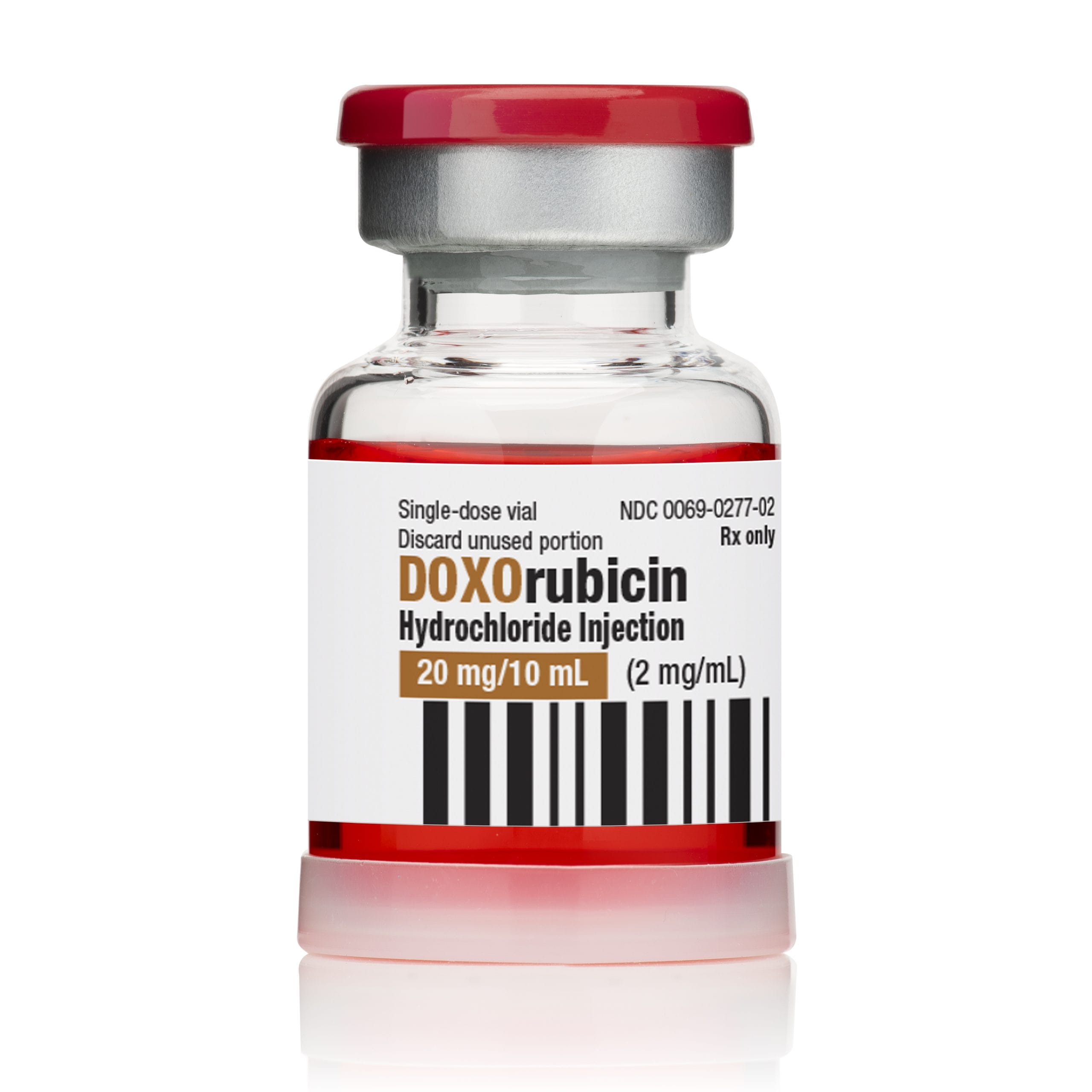
Doxorubicin Vial
Buy Doxorubicin Vial Online


Doxorubicin Vial is an injectable chemotherapy medicine used in supervised cancer treatment regimens. You can buy Doxorubicin Vial online, view the current price for the vial strength shown during ordering, and match the active ingredient, concentration, total milligrams, and quantity to clinic directions. Doxorubicin injection must be prepared and administered by trained oncology professionals, not used as a self-injection.
Doxorubicin hydrochloride injection is the conventional, non-liposomal form of doxorubicin unless the vial label states otherwise. The product is a high-alert oncology medicine, so the practical buying decision is not only the Doxorubicin price but also the exact vial format, handling needs, and safety monitoring plan arranged by the treatment team.
Doxorubicin Vial Price and Strength Selection
The Doxorubicin vial price should be read together with the vial size, concentration, total drug content, and quantity in the cart. Injectable oncology medicines may be displayed by total milligrams per vial, by concentration such as 2 mg/mL, or by a package configuration. A 10 mg vial, 20 mg vial, and 50 mg vial do not represent the same amount of medicine even when the concentration is identical.
Doxorubicin cost can vary between vial presentations because each container may hold a different total amount. If you are looking at Doxorubicin cost without insurance or a cash-pay route, use the displayed amount for the exact vial strength and quantity being ordered. Do not compare by vial count alone, because one larger vial can contain more total doxorubicin than several smaller vial labels might suggest.
Quick tip: Match both total milligrams and mL to the clinic order, not only the medicine name.
- Active ingredient: confirm doxorubicin hydrochloride or Doxorubicin HCl injection.
- Form: verify conventional doxorubicin injection rather than liposomal doxorubicin.
- Concentration: solution vials are often labeled by mg per mL.
- Total contents: examples include 10 mg, 20 mg, and 50 mg vials when supplied for that market.
- Vial wording: single-dose and multidose labels affect how the vial is handled after puncture.
- Quantity: confirm the number of vials needed for the planned administration visit.
Doxorubicin 2 mg/mL describes concentration, not the full container amount. A Doxorubicin 50 mg vial has more total drug than a Doxorubicin 20 mg vial when both are solution vials at the same concentration. If the oncology clinic has named a preferred manufacturer, vial size, or preparation format, follow that instruction rather than choosing a format only because the displayed price looks easier to compare.
How to Order Doxorubicin Vial Online
Start with the medication name and form: Doxorubicin Vial, doxorubicin hydrochloride injection, or Doxorubicin HCl injection. Then choose the strength and quantity shown during ordering that align with the treatment center’s directions. If the clinic used a brand reference such as Adriamycin injection, ask the care team whether conventional generic doxorubicin is the intended active ingredient.
Order details may be reviewed to reduce mix-ups between conventional doxorubicin, liposomal doxorubicin, and other injectable cancer medicines. These products can look similar in written notes but differ in formulation, dosing approach, warnings, and preparation steps. US delivery from Canada may also require attention to cold-chain packaging, label details, and clinic timing so the vial remains under appropriate handling instructions.
Doxorubicin should not be transferred, mixed, or administered at home. If the medicine is delivered before an appointment, keep it in the original packaging and follow the storage directions provided with the vial. Contact the ordering support channel promptly if the package appears damaged, the vial leaks, or the temperature packaging seems compromised.
Vial Forms, Concentrations, and Product Checks
Doxorubicin hydrochloride is an anthracycline chemotherapy medicine. Many conventional solution products are labeled as a red solution, and common vial presentations may list 2 mg/mL with total amounts such as 10 mg/5 mL, 20 mg/10 mL, or 50 mg/25 mL. Some markets also supply doxorubicin hydrochloride for injection as a lyophilized powder, which needs specific reconstitution before administration.
Solution and powder formats are not interchangeable ordering shortcuts. A powder vial has different preparation steps, diluent requirements, and beyond-use considerations after reconstitution. A single-dose vial and a multidose vial also have different handling implications after the container is entered, so the vial wording should match the clinic’s preparation process.
| Vial detail | What to verify |
|---|---|
| Drug name | Conventional doxorubicin hydrochloride, not liposomal doxorubicin. |
| Total strength | Milligrams per vial, such as 10 mg, 20 mg, or 50 mg when shown. |
| Concentration | Whether the vial states 2 mg/mL or another concentration. |
| Dosage form | Ready solution versus lyophilized powder for reconstitution. |
| Vial type | Single-dose or multidose language on the label. |
| Quantity | Number of vials needed for the planned clinic administration. |
The name doxorubicin can also appear on liposomal products, which are different medicines for ordering and administration purposes. Liposomal doxorubicin is formulated differently and should not be substituted for conventional Doxorubicin Vial unless the oncology team specifically changes the regimen.
What Doxorubicin Is Used For
Doxorubicin is used in oncology for several cancers, often as part of combination chemotherapy. Labeled and common clinical contexts include breast cancer, ovarian cancer, bladder cancer, thyroid cancer, lung cancer, lymphomas, leukemias, sarcomas, neuroblastoma, and Wilms tumor. The exact role depends on diagnosis, disease stage, prior treatment, organ function, and the regimen selected by the oncology team.
This medicine is not best understood as simply the strongest chemotherapy or only a last resort. Doxorubicin may be used earlier or later in treatment depending on the cancer type and goal of therapy. For example, it may be included in a curative-intent regimen, a disease-control regimen, or a combination plan where multiple medicines work through different mechanisms.
If you are browsing by cancer type, related condition pages can help locate nearby oncology categories. Browse Cancer Medications for oncology product categories, or narrow by condition through Breast Cancer, Leukemia, Lymphoma, and Ovarian Cancer. These pages are for navigation and should not be used to replace treatment instructions.
How Doxorubicin Is Given in Clinic
Doxorubicin is usually given intravenously by trained healthcare professionals. It may be administered as an IV injection, IV push, or infusion depending on the treatment protocol, vein access, combination regimen, and institutional procedures. The length of administration can vary, so the clinic schedule is the reliable source for appointment timing.
The drug is a vesicant, meaning it can damage tissue if it leaks outside the vein. Oncology staff monitor the IV site during administration and follow safety procedures for hazardous medicines. Patients should report burning, pain, redness, swelling, or stinging at the infusion site immediately, even if the symptom seems mild at first.
Dose calculations may be based on body surface area, organ function, prior chemotherapy, and the overall regimen. Online dose calculators and related searches cannot replace a clinician’s plan. Do not alter vial strength, appointment timing, or the medicine form because of product availability or cost differences.
Storage, Handling, and Delivery Basics
Doxorubicin is a hazardous injectable medicine and requires careful storage and transport. Many doxorubicin hydrochloride injection solution labels call for refrigeration and protection from light, while powder formulations may have different requirements before and after reconstitution. The supplied carton, vial label, and package information should guide storage until the clinic handles the medicine.
Temperature-sensitive orders may use prompt, express, cold-chain shipping when appropriate for the formulation. After receipt, keep the vial sealed in the original packaging and avoid unnecessary handling. Do not open the container, draw up liquid, mix the medicine, or place it into another container outside a clinical setting.
Inspect the parcel on arrival. The expected solution is red, but the vial should not appear cloudy, leaking, cracked, or contaminated. If there is damage, an unexpected appearance, or concern about temperature exposure, contact the support channel before taking the product to the clinic. Do not use or transport a compromised vial for administration.
Side Effects, Boxed Warnings, and Monitoring
Doxorubicin has serious labeled warnings. Important risks include cardiotoxicity, myelosuppression, severe tissue injury from extravasation, secondary leukemia, and fetal harm. Cardiotoxicity means heart muscle damage or reduced heart pumping function. Myelosuppression means low blood cell counts, which can increase the risk of infection, anemia, or bleeding.
Common side effects may include nausea, vomiting, hair loss, mouth sores, fatigue, loss of appetite, diarrhea, and low blood cell counts. Urine can look red or orange for a short time after treatment because the medicine is red. This color change can be expected, but painful urination, blood in urine, fever, or worsening symptoms should be reported.
Serious symptoms need prompt medical attention. Call the oncology team urgently for fever, chills, unusual bleeding, chest pain, shortness of breath, swelling, fainting, severe mouth sores, persistent vomiting, or pain and swelling around the IV site. These symptoms can signal infection, heart effects, severe low blood counts, or extravasation complications.
Monitoring often includes complete blood counts, liver function tests, heart function assessment such as LVEF measurement, and physical checks during infusion. The cumulative lifetime anthracycline dose matters because heart risk can increase as total exposure rises. The oncology team may also consider prior chest radiation, other heart-risk medicines, existing heart disease, and liver impairment when planning treatment.
Why it matters: Safe use depends on clinical monitoring as much as choosing the correct vial.
Interactions and Precautions to Discuss
Doxorubicin can interact with medicines and treatments that affect the heart, liver, immune system, or blood counts. Trastuzumab, other anthracyclines, certain radiation histories, live vaccines, and drugs that alter liver handling may require special planning. The oncology team should review prescription medicines, over-the-counter products, supplements, and recent cancer treatments before administration.
Official labeling includes important restrictions and cautions for people with certain heart conditions, severe liver impairment, very low blood counts, serious infection, or prior high cumulative anthracycline exposure. Pregnancy should be avoided during treatment because doxorubicin can harm an unborn baby. Breastfeeding guidance should also come from the oncology team because chemotherapy medicines may pose risks to infants.
Genomic and pharmacogenomic research is exploring why some people have higher risk of doxorubicin-related heart injury. Those findings may help explain risk in some settings, but they do not replace standard heart monitoring. Ask which heart tests, blood tests, and infusion-site checks are planned and when results will be reviewed.
Related Cancer Categories and Treatment Navigation
Doxorubicin can appear in multiple cancer regimens, so related categories should be used for navigation only. A medicine in the same oncology category may have a different active ingredient, route, warning profile, and monitoring plan. Similar vial sizes can also hold different medicines or concentrations.
Condition pages may help organize nearby treatment areas, including Bladder Cancer, Lung Cancer, Sarcoma, Thyroid Cancer, Neuroblastoma, and Wilms Tumor. Use these categories to orient your search, then rely on the clinic’s exact medicine, strength, and form instructions for ordering.
If another injectable cancer medicine is being considered, ask the oncology team whether it is a substitute, part of the same regimen, or a different therapy entirely. Doxorubicin, liposomal doxorubicin, and other chemotherapy agents are not interchangeable because their dosing, tissue distribution, and safety concerns differ.
Authoritative Sources
The following sources support labeled uses, vial presentations, boxed warnings, administration considerations, and safety monitoring information for doxorubicin.
- DailyMed doxorubicin label: official labeling for doxorubicin hydrochloride injection, including indications, vial strengths, warnings, and monitoring cautions.
- Pfizer prescribing information: manufacturer prescribing information for doxorubicin hydrochloride for injection powder, including vial contents, preparation, and safety information.
This content is for informational purposes only and is not a substitute for professional medical advice.
Body Surface Area Calculator
Calculate body surface area from height and weight using the Mosteller equation.
BSA
-
m2, Mosteller equation
These calculations are for education only and do not replace clinical advice, diagnosis, or treatment. Always confirm medical decisions with a qualified healthcare professional.
Ideal & Adjusted Body Weight Calculator
Estimate ideal body weight with the Devine equation and adjusted body weight when actual weight is above the estimate.
Ideal body weight
-
Devine equation
Adjusted body weight
-
IBW + 0.4 x excess weight
Difference from IBW
-
actual minus ideal
These calculations are for education only and do not replace clinical advice, diagnosis, or treatment. Always confirm medical decisions with a qualified healthcare professional.
Research & Education Tool
Doxorubicin Vial Dosage Calculator
Enter the vial amount, diluent volume, and target amount to estimate concentration, draw volume on a 1 mL U-100 syringe, and approximate vial yield.
For research and educational use only. Check all values against the product label, certificate of analysis, and any applicable professional guidance before relying on the result.
mg
Concentration
-
mcg / mL
Volume per Dose
-
-
Estimated Draws / Vial
-
rounded down to whole draws
Draw Reference
Enter values to estimate the syringe mark.
0
-
-
-
-
Express Shipping - from $29.99
Shipping with this method takes 3-5 days
Prices:
- Dry-Packed Products $29.99
- Cold-Packed Products $39.99
Standard Shipping - $19.99
Shipping with this method takes 5-10 days
Prices:
- Dry-Packed Products $19.99
- Not available for Cold-Packed products
What is Doxorubicin Vial used for?
Doxorubicin is an anthracycline chemotherapy medicine used in several cancer treatment regimens, including contexts such as breast cancer, ovarian cancer, bladder cancer, thyroid cancer, lung cancer, lymphomas, leukemias, sarcomas, neuroblastoma, and Wilms tumor. The exact use depends on the oncology plan.
Is doxorubicin the strongest chemotherapy?
Doxorubicin is a potent chemotherapy drug, but cancer treatment is not ranked by a single “strongest” medicine. Its role depends on the cancer type, treatment goal, combination regimen, prior therapy, and safety considerations such as heart function and blood counts.
How long does a doxorubicin infusion take?
Administration time varies by protocol. Doxorubicin may be given as an IV injection, IV push, or infusion in a clinic, and the oncology team determines the schedule and monitoring steps for each regimen.
Is doxorubicin a last resort?
Not always. Doxorubicin may be used earlier or later depending on the diagnosis, stage, prior treatments, and treatment goal. It is often part of a planned combination regimen rather than automatically a last-resort medicine.
What is the difference between doxorubicin and liposomal doxorubicin?
Conventional doxorubicin hydrochloride injection and liposomal doxorubicin contain related active drug language but use different formulations. They are not interchangeable because dosing, distribution in the body, administration, and warnings can differ.
What side effects should be watched for with doxorubicin?
Common side effects may include nausea, vomiting, hair loss, mouth sores, fatigue, diarrhea, appetite loss, and low blood cell counts. Serious symptoms such as fever, unusual bleeding, chest pain, shortness of breath, or pain and swelling at the IV site need prompt medical attention.
How should Doxorubicin Vial be stored before clinic administration?
Storage depends on the exact formulation. Many doxorubicin hydrochloride solution vials require refrigeration and protection from light, while powder forms may have different requirements. Keep the vial sealed in its original packaging and follow the supplied label and pharmacy instructions.
Rewards Program
Earn points on birthdays, product orders, reviews, friend referrals, and more! Enjoy your medication at unparalleled discounts while reaping rewards for every step you take with us.
You can read more about rewards here.
POINT VALUE
How to earn points
- 1Create an account and start earning.
- 2Earn points every time you shop or perform certain actions.
- 3Redeem points for exclusive discounts.
You Might Also Like
Select options
This product has multiple variants. The options may be chosen on the product page
Select options
This product has multiple variants. The options may be chosen on the product page
Select options
This product has multiple variants. The options may be chosen on the product page
Select options
This product has multiple variants. The options may be chosen on the product page