
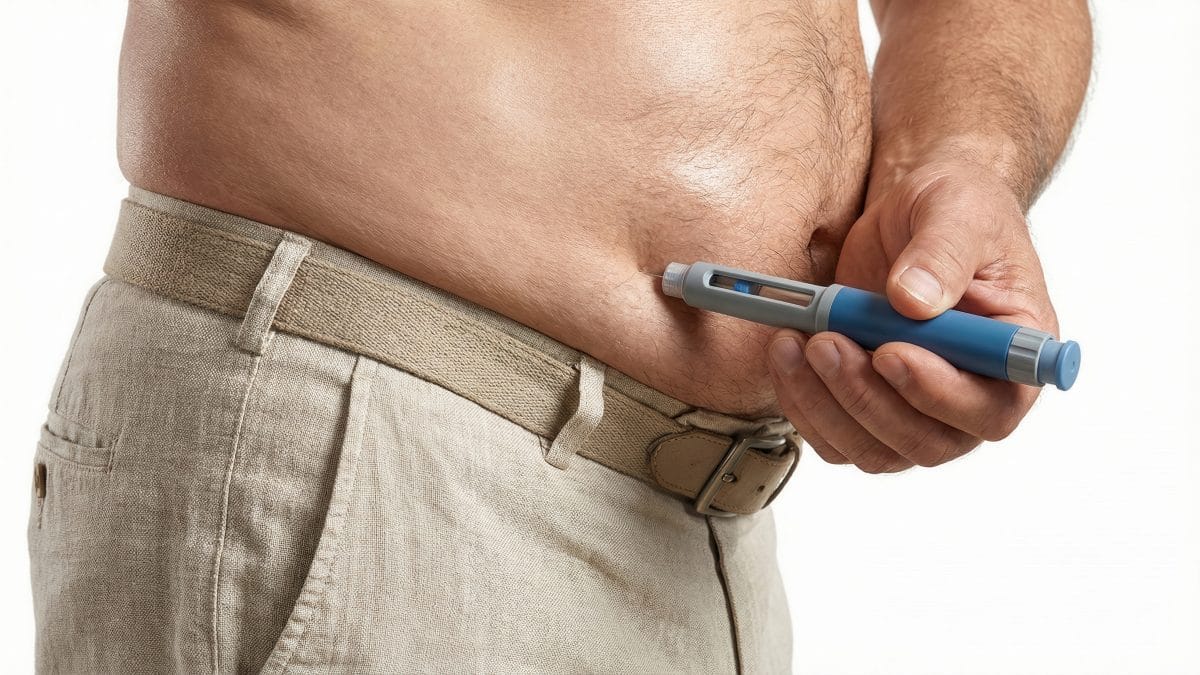
A Fiasp cartridge is a replaceable cartridge form of Fiasp, a faster-acting insulin aspart used around meals when prescribed for diabetes. It is meant for compatible reusable insulin pens, not for every pen, pump, or syringe setup. That matters because the cartridge format affects device fit, injection technique, storage, and how quickly you need to respond to low blood sugar symptoms.
This article explains what the cartridge is, how it differs from other insulin formats, and what to confirm before using it. It does not replace your prescription label, device instructions, or diabetes care plan.
Key Takeaways
- Fiasp is mealtime insulin. It is used with meals or correction doses when prescribed.
- Cartridge fit matters. Use only pens listed for that cartridge and region.
- Formats are not interchangeable. PenFill, FlexTouch, vials, and pump cartridges serve different setups.
- Low blood sugar is a key risk. Know your symptoms and urgent-care triggers.
- Storage rules protect potency. Avoid freezing, overheating, and expired insulin.
How a Fiasp Cartridge Fits Into Diabetes Care
Fiasp is a faster-acting formulation of insulin aspart, a rapid-acting insulin analogue. It is used as a prandial insulin, meaning a mealtime insulin, to help manage glucose rises after food. A Fiasp cartridge holds the medication inside a replaceable cartridge that fits into a compatible reusable pen device.
The medication is not a basal insulin. Basal insulin works in the background over a longer period, while mealtime insulin is matched to meals or correction plans. Some people use both types as part of a prescribed insulin regimen. Others may use different delivery systems, such as pumps, depending on their diabetes plan.
Fiasp contains insulin aspart and formulation ingredients that support earlier absorption compared with standard insulin aspart products. Even so, the practical result depends on your prescribed timing, meal size, injection site, physical activity, and glucose monitoring pattern. Do not change timing or dose based on a general article.
For a broader primer on cartridge design and reusable pens, see Insulin Cartridges. If you need to understand the drug class first, the Rapid-Acting Insulin category is a browseable hub for related insulin options.
Why it matters: Matching the insulin format to the correct device helps prevent dosing errors.
Compatibility Questions to Confirm First
The most important cartridge question is device compatibility. Fiasp PenFill-style cartridges are intended for specific reusable pen systems, and the approved devices can vary by country. Your cartridge leaflet, pen manual, pharmacist, or diabetes clinic should confirm the exact pen model before use.
Many reusable pen systems use cartridges from the same manufacturer family. That does not mean every cartridge fits every pen. A cartridge that appears similar may still differ in size, plunger design, labeling, or approval status. Never force a cartridge into a pen, and do not use a pen if the cartridge does not seat properly.
If you see references to pump cartridges, treat them as a separate format. Some pump systems use dedicated cartridges or reservoirs that are not the same as a reusable pen cartridge. A PenFill-style cartridge should not be assumed suitable for a pump unless the pump instructions and product label specifically allow that use.
Pen needles also need to match the pen device. Needle length, gauge, and compatibility can affect comfort and proper delivery. For device basics, review Insulin Pen Needles and bring your pen model to the pharmacy if you are unsure.
Cartridge, Prefilled Pen, Vial, and Pump Formats
Fiasp may be supplied in more than one format, depending on the country and prescribing route. The cartridge version is only one option. Understanding the differences can help you read prescriptions more carefully and avoid mixing up device instructions.
| Format | How it is typically used | Key point to confirm |
|---|---|---|
| PenFill-style cartridge | Inserted into a compatible reusable insulin pen. | Confirm the exact pen model and compatible needles. |
| Prefilled pen | Disposable pen already filled with insulin. | Do not remove insulin for another device unless instructed. |
| Vial | Used with a syringe or certain pump plans when prescribed. | Follow vial-specific storage, drawing, and pump instructions. |
| Pump cartridge or reservoir | Used in certain insulin pump systems. | Check whether the pump is specifically approved for that product. |
A cartridge can reduce waste for people who already use reusable pens. A prefilled pen may be simpler for people who do not want to load cartridges. A vial may fit different care plans, including some pump protocols, but it requires different handling skills. None of these formats should be swapped without prescriber or pharmacist guidance.
If your prescription, clinic note, or refill request says only the brand name, ask whether it means a cartridge, prefilled pen, vial, or pump-specific cartridge. The Fiasp Insulin Cartridges product page can help identify the cartridge format, but your prescription should still match the item you use.
Mealtime Use, Monitoring, and Low Blood Sugar Risk
Rapid-acting insulin is usually linked to meals or correction instructions. Official labeling describes specific timing windows for Fiasp, but your own schedule should come from your prescriber and product leaflet. Meal composition, delayed eating, exercise, alcohol, illness, and other diabetes medicines can all change glucose patterns.
The main safety concern is hypoglycemia, or low blood sugar. Symptoms can include shaking, sweating, hunger, fast heartbeat, confusion, weakness, or headache. Severe hypoglycemia can cause seizures, loss of consciousness, or injury. People who have reduced awareness of lows may not feel early warning signs.
Glucose monitoring helps show whether the insulin plan fits your routine. Some people use finger-stick meters. Others use continuous glucose monitors. Either way, readings need context. A single high or low number may reflect food timing, missed insulin, injection site issues, exercise, stress, infection, or device error.
Seek urgent medical help for severe low blood sugar, loss of consciousness, seizure, repeated vomiting, signs of diabetic ketoacidosis, or persistent high glucose with ketones. If you often need rescue carbohydrates or see repeated lows, contact your diabetes care team before making medication changes.
For more class-level timing context, see Rapid-Acting Insulin Peak Time. For warning signs and emergency context, review Hypoglycemic Shock.
Storage and Handling Details That Protect Insulin
Insulin can lose potency when exposed to freezing, heat, direct sunlight, or long periods outside labeled conditions. A Fiasp cartridge should be stored according to the product leaflet and local label. Unopened and in-use storage rules may differ, so do not rely on memory from another insulin product.
Inspect the cartridge before use. The solution should match the appearance described in the leaflet. Do not use insulin that looks discolored, cloudy when it should be clear, contains particles, has been frozen, or has passed its expiration or in-use discard date. If the cartridge was exposed to heat during travel, ask a pharmacist before using it.
Handling also includes basic infection prevention. Use a new needle for each injection. Do not share pens, cartridges, or needles with anyone, even if the needle is changed. Sharing injection devices can transmit infections through small amounts of blood.
Keep insulin supplies organized by name and format. Rapid-acting and long-acting insulin can look similar when stored together. If you use more than one insulin, separate them clearly and read the label before every injection.
For temperature guidance, read Insulin Storage Temperature. If you are unsure whether an older or mishandled cartridge is still safe, Expired Insulin explains why appearance alone is not enough.
Quick tip: Keep the box or leaflet until the cartridge is finished.
How It Compares With Similar Mealtime Insulins
Fiasp is related to standard insulin aspart products because it uses the same active insulin molecule. The formulation is different, which can affect early absorption and label timing. NovoRapid and NovoLog are standard insulin aspart brand names in different markets. Humalog contains insulin lispro, another rapid-acting insulin analogue.
These products are not automatically interchangeable. Even when two insulins belong to the same broad class, they may have different labels, device formats, timing instructions, and coverage rules. A switch can change glucose patterns, especially around meals and exercise.
Comparisons should focus on practical decision factors rather than brand assumptions. Useful questions include whether your prescription specifies cartridges, which pen you already own, whether your clinic wants a certain timing strategy, and how your glucose data look after meals. Your clinician can interpret those patterns better than a general comparison chart.
For a focused comparison, see Fiasp and NovoLog Differences. If your prescriber is considering another rapid-acting analogue, Fiasp vs Humalog covers broader differences in a patient-friendly way.
Access, Prescription Details, and Next Steps
Before switching to a Fiasp cartridge or refilling one, confirm three details: the insulin name, the format, and the device. A prescription that matches the wrong format can create delays or unsafe workarounds. If you use a reusable pen, keep the model name available when speaking with your clinic or pharmacy.
CanadianInsulin.com functions as a prescription referral platform, not as your prescriber. Where required, prescription details may be confirmed with the prescriber, and dispensing is handled by licensed third-party pharmacies where permitted.
Access can also depend on jurisdiction, documentation, insurance rules, and cash-pay options. Some patients explore cross-border fulfilment when they are eligible, but medication choice and insulin changes still belong with the treating clinician. Do not substitute another insulin, delivery format, or device because it seems easier to obtain.
If you are preparing for an appointment, bring your current insulin box, pen device, glucose records, and a list of recent lows or highs. Ask whether your current pen is compatible, what meal-timing instructions apply to you, how to manage missed or delayed meals, and when to call for help.
Authoritative Sources
- DailyMed Fiasp Prescribing Information describes indications, warnings, and product-specific safety details.
- electronic Medicines Compendium Fiasp PenFill SmPC outlines cartridge use, timing, storage, and compatibility details for that market.
- American Diabetes Association Hypoglycemia Information explains symptoms and safety steps for low blood sugar.
A cartridge format can be convenient, but it adds device-specific questions. Confirm compatibility, follow the label, monitor glucose patterns, and ask your care team before changing insulin timing, dose, or delivery method.
This content is for informational purposes only and is not a substitute for professional medical advice.


