


If you cannot afford a prescription, start by protecting the medication plan before you search for a cheaper source. Low income medication options can include insurance review, generics, patient assistance programs, state or nonprofit support, and pharmacy cash-price comparisons. The safest path is usually a step-by-step review with your prescriber or pharmacist, not skipping doses or changing the dose on your own.
Why this matters: missed refills can worsen chronic conditions and may lead to urgent care costs. A clear process helps you compare legitimate options, prepare the right documents, and avoid unsafe shortcuts.
Key Takeaways
- Start with a complete medication list and refill dates.
- Ask about generics, covered alternatives, and formulary tiers.
- Check Medicare, Medicaid, state, manufacturer, and nonprofit programs.
- Compare final pharmacy totals, not advertised savings claims.
- Never change doses to stretch medication without medical guidance.
First Steps When a Prescription Is Unaffordable
The first step is to tell your prescriber or pharmacist that cost may block the refill. They can often identify coverage barriers, lower-cost alternatives, or paperwork needs before you miss doses. Be direct and specific. Say which medication is unaffordable, when you will run out, and what you were quoted at the pharmacy.
Bring a one-page list with the drug name, strength, dosage form, directions, refill date, prescriber, and pharmacy. If you have the bottle or label, include the National Drug Code when available. The same drug name can have different formulations, and that detail can change coverage or cash totals.
Then separate the problem into three questions. Is the medication covered by your insurance? Is there a clinically reasonable lower-cost option? Is there a medication assistance program that fits your income, insurance status, age, diagnosis, or state of residence?
Quick tip: Ask the pharmacy for the total cost for the exact quantity prescribed.
Low Income Medication Programs: Main Paths to Check
Most low income medication support falls into a few broad categories. Each category has different rules, so it helps to match the option to your situation rather than applying everywhere at once.
Medicare Extra Help and Part D support
The Medicare Extra Help program assists people with limited income and resources who have Medicare drug coverage. It may reduce Part D premiums, deductibles, or prescription cost-sharing for eligible people. Medicare and Social Security provide official application information, so use those sources before relying on third-party summaries.
Older adults may also qualify for state pharmaceutical assistance programs. These programs vary by state and may focus on seniors, people with disabilities, or residents with specific income limits. Some work alongside Medicare Part D, while others provide separate help.
Medicaid and state-based programs
Medicaid prescription coverage depends on state rules, eligibility, and plan structure. If your income recently changed, check whether you may qualify or need to renew coverage. Missed renewal notices can interrupt medication access even when someone remains eligible.
Some states also offer free or low-cost prescription medication programs outside traditional Medicaid. These may be run by health departments, nonprofit partners, or local clinics. Eligibility can depend on income, residency, insurance status, or diagnosis.
Manufacturer and nonprofit assistance
Patient assistance programs for prescriptions are often sponsored by drug manufacturers or administered through foundations. They may help with certain brand-name medicines, but approval is not automatic. Applications often require proof of income, insurance details, prescriber signatures, and a valid prescription.
Nonprofit medication assistance programs can help you identify disease-specific funds, clinic resources, or free medication programs. Availability can change, especially when foundation funds open or close. Keep copies of applications and renewal dates so you do not have to restart from scratch.
If you are comparing medication affordability for complex therapies, budget planning examples can help you think through insurance checks, documentation, and timing. For a related planning framework, see Kisunla Cost Planning.
Coverage Rules That Often Drive Out-of-Pocket Costs
Insurance rules can matter more than the retail sticker price. A covered medication may still be expensive if it sits on a high formulary tier. A formulary is the plan’s covered drug list, usually grouped into tiers that affect your share of cost.
Prior authorization is another common barrier. It means the plan asks for extra clinical information before it covers the drug. Step therapy may require trying a preferred option first, when clinically appropriate. These rules can be frustrating, but they often have formal appeal pathways.
Ask your plan or pharmacy for the reason behind the cost. Useful questions include:
- Formulary status: Is the drug covered?
- Tier level: Which cost tier applies?
- Prior authorization: What form is required?
- Step therapy: Which alternatives are preferred?
- Quantity limits: Does the plan limit refills?
- Appeal route: What documentation supports review?
If a medication is denied, ask the prescriber whether documentation can support an appeal. Useful records may include diagnosis, previous therapies tried, adverse reactions, or why a specific formulation is needed. Do not stop or switch medication based only on a coverage letter. Ask your care team how to manage the gap safely.
Generics, Alternatives, and Pharmacy Comparisons
Generic medication can lower costs, but the right choice depends on the medication and your clinical situation. The U.S. Food and Drug Administration requires approved generic drugs to meet standards for quality, strength, and performance. Still, prescribers may have reasons to prefer a specific product or formulation for some patients.
When asking about a lower-cost option, use clinical wording. Try: “Is there a covered alternative that would be appropriate for me?” That question leaves room for a generic, a different drug in the same class, a different device, or another formulation.
Retail pharmacy lists can also help with low cost prescription medication searches. Some pharmacies publish generic lists, but the medications and quantities included may change. Treat these lists as starting points. Confirm the final amount before assuming a refill will be affordable.
Prescription discount programs can show negotiated cash prices at participating pharmacies. They are not insurance, and the amount may not count toward your deductible. Compare three numbers when possible: your insurance copay, the pharmacy cash price, and the discount-program price.
Safety also matters during comparison. Counterfeit or illegally marketed products may appear online when demand is high. If you want a broader safety lens for suspicious medication offers, read Counterfeit Medication Warning Signs. The same habits apply across drug categories: verify the source, avoid unrealistic claims, and involve a licensed clinician.
Help for People Without Insurance
Medication assistance for uninsured patients usually starts with cash-price comparison, community clinics, and application-based programs. Community health centers may offer sliding-scale visits and can sometimes connect patients with 340B pharmacy arrangements. The 340B Drug Pricing Program allows certain eligible clinics and hospitals to purchase outpatient drugs at reduced prices, but it is not a coupon that works at every pharmacy.
If you receive care through a safety-net clinic, ask whether prescriptions are filled through a specific pharmacy or contract pharmacy. Also ask whether all prescriptions qualify or only those tied to care from that clinic. Rules can vary by site and by medication.
Drug manufacturer assistance programs may help some uninsured people, especially for higher-cost brand medications. Applications may require income documents, residency information, a prescriber section, and proof that no adequate insurance coverage is available. Apply before the refill becomes urgent when possible, because review and communication can take time.
Some patients also explore cash-pay access routes when local options are unaffordable. CanadianInsulin.com functions as a prescription referral platform, and where required, prescription details may be confirmed with the prescriber. Dispensing and fulfilment are handled by licensed third-party pharmacies where permitted. This context may be relevant when comparing documentation-based access options, but it does not replace medical or legal guidance.
A Practical Refill Planning Workflow
A refill workflow reduces last-minute decisions. It also gives your clinician and pharmacist the facts they need to help with drug costs. Use the same process each month or each quarter, especially if you take maintenance medications.
- List every medication, including dose form and refill date.
- Mark the date you will run out, allowing for weekends and travel.
- Call the pharmacy to confirm the current total.
- Ask the insurer about formulary tier and authorization rules.
- Ask the prescriber about lower-cost clinically appropriate alternatives.
- Check official programs for Medicare, Medicaid, state, or manufacturer help.
- Save denial letters, approvals, application numbers, and call notes.
- Review the plan again before the next refill cycle.
Why it matters: Written notes make appeals, renewals, and medication reviews much easier.
Travel adds another layer. If you use a controlled medication, injectable medicine, refrigerated product, or device, ask your prescriber and pharmacist how to carry it legally and safely. Do not assume early refills will be approved. Insurance plans, state rules, and pharmacy policies can differ.
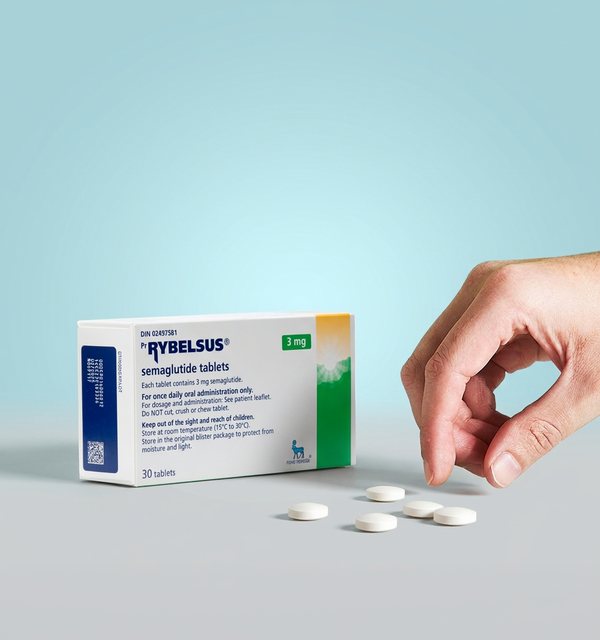
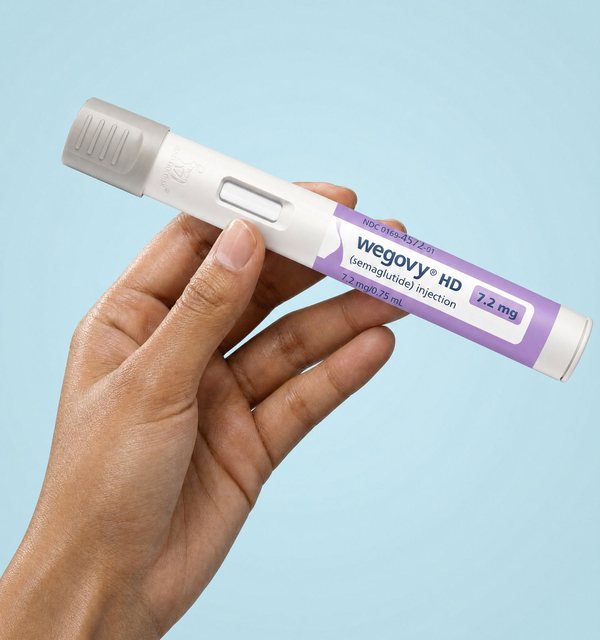
Some medication categories attract misleading online claims, especially when demand is high. For example, weight-loss and metabolic medications are often promoted through unclear channels. For background on access claims and documentation questions, see GLP-1 Over-the-Counter Claims and Semaglutide Access Questions.
How to Decide Which Option Fits Your Situation
The best option depends on insurance status, age, diagnosis, drug type, and urgency. A senior with Medicare Part D may start with Extra Help and state pharmaceutical assistance programs. A person without insurance may start with a community clinic, cash comparisons, and manufacturer applications. Someone with commercial insurance may need formulary review, prior authorization, or a prescriber-supported appeal.
Use caution with phrases such as “free prescription drugs for low income.” Some programs do provide medication at no cost for eligible people, but many only reduce certain costs or apply to specific drugs. Others may have income limits, residency rules, diagnosis requirements, or renewal dates.
For brand-name medicines, manufacturer programs may be useful when eligibility fits. For a neutral example of how manufacturer support terms can vary, see Zepbound Savings Basics. The specific details differ by program, but the decision factors are similar: eligibility, documentation, duration, exclusions, and what happens at renewal.
When comparing options, avoid making the lowest number the only goal. Also consider safety, continuity, pharmacy legitimacy, prescriber oversight, and whether the medication can be refilled predictably. A lower upfront total is less helpful if it creates gaps, unclear sourcing, or missed monitoring.
Authoritative Sources
Use official sources for eligibility rules and medical definitions. Program details change, and outdated summaries can lead to denied applications or missed renewals.
- For Medicare drug-cost help, review Medicare’s help with drug costs.
- For Extra Help applications, see Social Security’s Part D Extra Help page.
- For federal safety-net pharmacy context, see HRSA’s 340B program overview.
Low income medication planning works best when it is documented, legal, and coordinated with your care team. Start with the current prescription, confirm coverage rules, compare final pharmacy totals, and apply only through legitimate programs that match your situation.
This content is for informational purposes only and is not a substitute for professional medical advice.