
Please note: a valid prescription is required for all prescription medication.
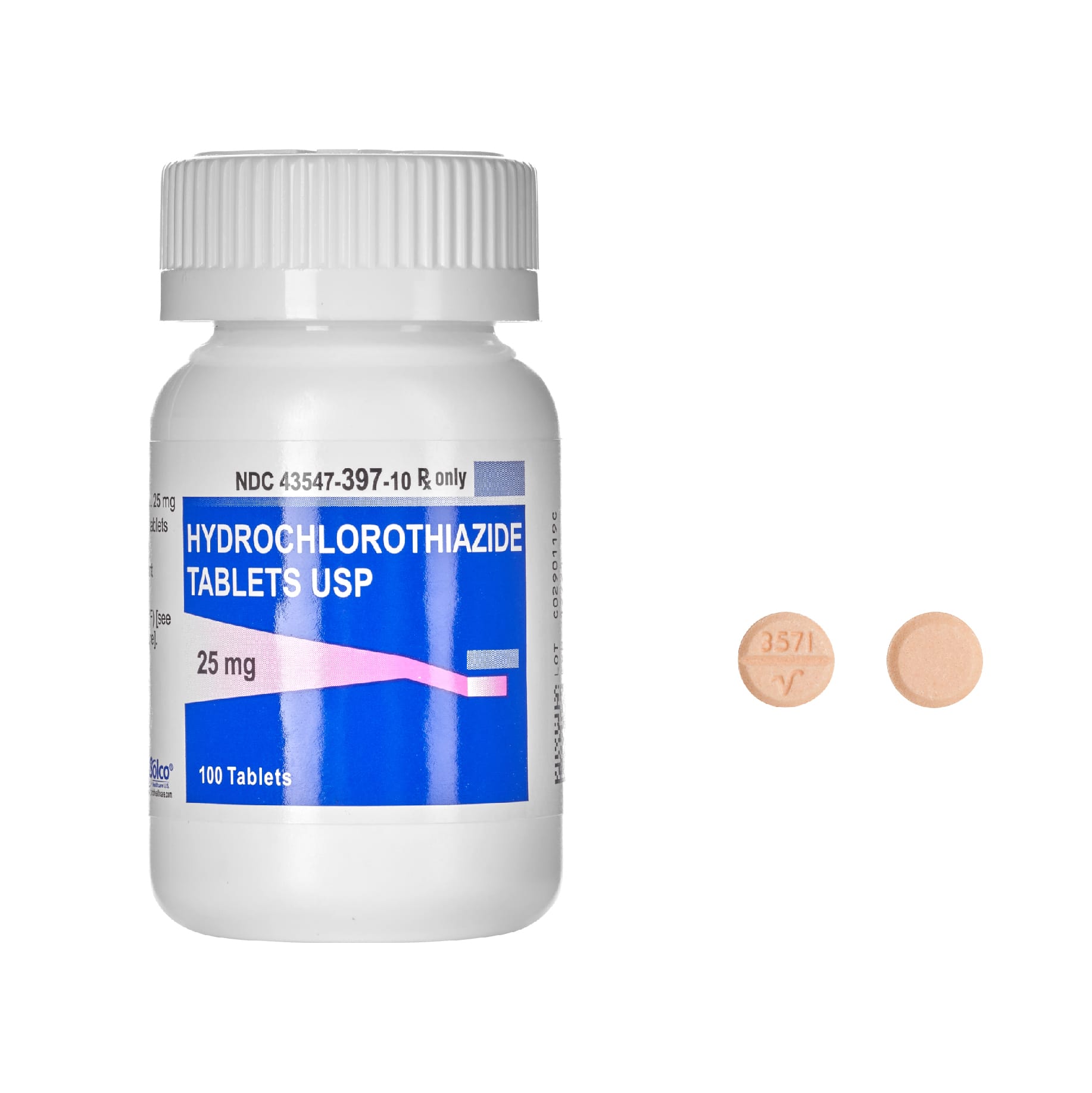
Hydrochlorothiazide
Buy Hydrochlorothiazide Online


Hydrochlorothiazide is a thiazide diuretic, often called a water pill, used in care plans for high blood pressure and fluid retention. You can buy Hydrochlorothiazide online, view the current price, and choose the tablet strength shown during ordering that matches your clinician’s directions. Common tablet strengths include Hydrochlorothiazide 12.5 mg, 25 mg, and 50 mg.
This medicine helps the body remove extra salt and water through urine. The tablet strength, quantity, and directions should line up with the treatment plan you were given, because different strengths are not interchangeable without clinical guidance.
Hydrochlorothiazide Price and Tablet Strengths
The Hydrochlorothiazide price depends on the strength and quantity chosen during ordering. A Hydrochlorothiazide 25 mg tablet may show a different amount than 12.5 mg or 50 mg tablets, so the most accurate comparison starts with the exact strength your clinician directed you to use.
Hydrochlorothiazide cost can also vary when the tablet count changes. A larger quantity may represent a longer supply depending on the daily schedule, while a smaller quantity may suit a shorter or newly adjusted treatment plan. The displayed amount should be assessed only after the correct tablet strength and count are chosen.
| Detail | What to Match | Why It Matters |
|---|---|---|
| Active ingredient | Hydrochlorothiazide | Some blood pressure medicines combine hydrochlorothiazide with another active ingredient. |
| Strength | 12.5 mg, 25 mg, or 50 mg when shown | Strength affects the amount taken and should follow clinician directions. |
| Form | Oral tablet when selected | Single-ingredient tablets differ from combination products. |
| Quantity | Tablet count for the intended supply | Quantity affects how long the order may last at the directed schedule. |
| Price | Displayed amount after strength and quantity are chosen | The Hydrochlorothiazide tablet price should be judged for the exact item you need. |
If you are considering Hydrochlorothiazide without insurance or as a cash-pay purchase, focus on the total for the strength and tablet count you actually need. Price comparisons are less useful if they mix 12.5 mg, 25 mg, and 50 mg tablets or compare single-ingredient tablets with combination medicines.
Quick tip: Choose the strength first, then assess the displayed amount for that exact tablet and quantity.
How to Order Hydrochlorothiazide Online
When you order Hydrochlorothiazide online, start by matching the active ingredient, strength, and tablet count to your clinician’s directions. Enter order information carefully so the order can be reviewed against the medication details you selected. We may help confirm medication directions when clarification is needed.
Hydrochlorothiazide is also found inside many combination blood pressure medicines. Do not substitute a combination tablet for single-ingredient hydrochlorothiazide unless your clinician specifically directed that medicine. Similar-looking names can represent different active ingredients, different monitoring needs, and different dosing schedules.
US shipping from Canada may be available as part of the service context for this medication. Delivery timing should not be assumed from the product name alone, because order processing, destination information, and handling steps can affect timing.
- Choose the hydrochlorothiazide strength that matches your directions.
- Confirm the tablet count before continuing.
- Make sure the active ingredient is not part of a combination product unless directed.
- Keep your medication list available for safety questions.
- Review warnings, interactions, and monitoring needs before use.
What Hydrochlorothiazide Treats
Hydrochlorothiazide for high blood pressure is used as part of a plan to reduce blood pressure. By increasing removal of sodium and water, the medicine can lower fluid volume in the bloodstream. Lower fluid volume may help reduce pressure inside blood vessels when used as directed.
Hydrochlorothiazide for edema may be used when the body retains excess fluid. Edema means swelling caused by fluid buildup, often seen in the legs, ankles, or feet. Fluid retention can occur with several heart, liver, kidney, or medication-related conditions, so the reason for use matters.
This medicine usually increases urination, especially after a dose is taken. That effect is expected with a diuretic, but severe thirst, fainting, confusion, marked weakness, or very low urine output should be discussed with a healthcare professional promptly.
People comparing treatment categories can browse medications grouped under high blood pressure or edema. These categories can help separate a single-ingredient water pill from other cardiovascular medicines that work differently.
Hydrochlorothiazide 25 mg, 12.5 mg, and 50 mg
Hydrochlorothiazide dosage is individualized. The right amount depends on the condition treated, blood pressure goals, kidney function, electrolyte results, other medicines, and how the person responds over time. Do not use another person’s strength as a reference for your own treatment.
Hydrochlorothiazide 25 mg is a common tablet strength, but it is not automatically the correct strength for every user. Some directions call for 12.5 mg, while others may involve 50 mg or a different treatment approach. Tablet splitting should only be considered if the tablet design and clinician instructions support it.
| Strength | Ordering Check | Clinical Point |
|---|---|---|
| 12.5 mg | Choose only if the directions call for this lower strength. | Lower-strength therapy may still require electrolyte monitoring. |
| 25 mg | Confirm it is hydrochlorothiazide alone, not a combination tablet. | Hydrochlorothiazide 25 mg side effects can still include dizziness or electrolyte changes. |
| 50 mg | Match the total daily amount exactly to directions. | Higher amounts may increase the need for monitoring in some people. |
Combination products may pair hydrochlorothiazide with an ACE inhibitor, angiotensin receptor blocker, beta blocker, or another blood pressure medicine. Those products are not the same as single-ingredient hydrochlorothiazide tablets. If your medication plan uses several cardiovascular drugs, the cardiovascular product category may help organize related treatment discussions.
Generic Status and Product Identity
Hydrochlorothiazide is the generic active ingredient name. Generic hydrochlorothiazide tablets may be made by different manufacturers, and tablets can vary in color, shape, imprint, or packaging. The key identifiers are the active ingredient, strength, form, and directions provided with the dispensed medicine.
A change in tablet appearance does not always mean the medicine is wrong, but it should be clarified before taking it if the strength, imprint, or label seems inconsistent. This is especially important for people who take several blood pressure medicines or use a weekly pill organizer.
Brand and generic naming can differ by market, and some products combine hydrochlorothiazide with another active ingredient. The safest buying decision is to match the active ingredient and strength rather than relying only on a familiar name or tablet appearance.
Storage, Handling, and Travel Basics
Hydrochlorothiazide tablets are usually stored at room temperature in a dry place away from excess heat, moisture, and direct light. Bathrooms and areas near kitchen sinks are poor storage locations because humidity can damage tablets over time.
Keep tablets in the original container when possible. The label helps identify the medicine, strength, directions, and refill information, which is useful during travel or when more than one daily medication is used.
This oral tablet is generally not handled like insulin or other cold-chain medicines. Still, tablets should be protected from avoidable moisture and heat during transport. Do not use tablets that appear wet, crumbled, discolored, or otherwise compromised.
If travel changes your usual schedule, ask a healthcare professional how to manage timing before the trip. Do not double tablets to make up for a missed amount unless you were specifically told to do so.
Side Effects, Warnings, and Monitoring
Hydrochlorothiazide side effects often relate to fluid balance and electrolytes. Common effects can include increased urination, dizziness, lightheadedness, headache, stomach upset, and increased sensitivity to sunlight. Standing slowly may reduce lightheadedness, but persistent or worsening symptoms need clinical input.
More serious reactions need prompt attention. Seek medical help for fainting, severe weakness, confusion, muscle cramps, irregular heartbeat, signs of dehydration, eye pain or vision changes, severe rash, swelling of the face or throat, or very little urination.
Hydrochlorothiazide should not be used by people with anuria, meaning the kidneys are not producing urine. It may also be unsuitable for people with known hypersensitivity to hydrochlorothiazide or related sulfonamide-derived medicines. A clinician should assess risks in people with kidney disease, liver disease, gout, lupus, diabetes, or a history of electrolyte imbalance.
Hydrochlorothiazide 25 mg side effects are generally the same types seen with other strengths, although the likelihood of some effects may change with dose, hydration status, kidney function, and other medicines. Never change the amount taken to manage side effects without professional guidance.
Why it matters: Electrolyte changes can be silent, so ordered lab tests are part of safe use.
Interactions and Lab Checks
Hydrochlorothiazide can interact with several medicines and supplements. Important examples include lithium, digoxin, corticosteroids, NSAID pain relievers, other blood pressure medicines, and some diabetes treatments. Alcohol may increase dizziness or lightheadedness for some people.
Monitoring often includes blood pressure, kidney function, potassium, sodium, and other electrolytes. People with diabetes may also need blood glucose monitoring, and people with gout may need uric acid checks because thiazide diuretics can affect these values.
Fluid intake should be individualized rather than handled by guesswork. Drinking too little may worsen dehydration, while excessive fluid intake can be unsafe for some heart, kidney, or electrolyte conditions.
People managing blood pressure alongside diabetes or kidney-risk conditions may benefit from broader cardiovascular education. The cardiovascular articles section can support medication-list questions, lab-monitoring discussions, and follow-up planning with a healthcare professional.
Weight, Urination, and Daily Expectations
Some people notice a short-term change in weight after starting a diuretic because the medicine can reduce retained fluid. Hydrochlorothiazide is not a weight-loss medicine. Weight changes should be interpreted in the context of blood pressure readings, swelling, hydration, kidney function, and the underlying condition being treated.
More frequent urination is common, particularly soon after a dose. If nighttime urination becomes disruptive, timing should be discussed with a healthcare professional rather than changed independently. A dose taken too late in the day may make sleep harder for some people.
Blood pressure may improve gradually, but the medicine can also cause dizziness if pressure drops too low or dehydration develops. Home blood pressure readings, symptom notes, and lab results can help your clinician decide whether the plan remains appropriate.
Related Care Choices
Hydrochlorothiazide is one option within a broad cardiovascular treatment landscape. Other medicines may relax blood vessels, change hormone signals, slow heart workload, or remove fluid through different mechanisms. The best comparison depends on the active ingredient and the condition being treated.
Single-ingredient hydrochlorothiazide should be kept distinct from combination blood pressure tablets. A combination product may be appropriate for one person and inappropriate for another, especially when kidney function, potassium levels, diabetes medicines, or gout history are part of the clinical picture.
Use each active ingredient name when discussing refills, side effects, or lab monitoring. This reduces confusion when several medicines are used for blood pressure, fluid retention, diabetes, kidney protection, or heart-risk reduction.
Authoritative Sources
Patient-facing safety details are summarized by MedlinePlus drug information for hydrochlorothiazide. Clinical pharmacology, common uses, and monitoring considerations are reviewed in NCBI Bookshelf StatPearls on hydrochlorothiazide.
Use these sources to support informed questions, not to replace guidance from a healthcare professional who knows your medical history, lab results, and full medication list.
This content is for informational purposes only and is not a substitute for professional medical advice.
Blood Pressure Average Calculator
Average home blood pressure readings and show a simple screening range.
Average BP
-
entered readings only
Range
-
screening category
These calculations are for education only and do not replace clinical advice, diagnosis, or treatment. Always confirm medical decisions with a qualified healthcare professional.
Mean Arterial Pressure Calculator
Calculate estimated mean arterial pressure from systolic and diastolic blood pressure.
MAP
-
DBP + one-third pulse pressure
These calculations are for education only and do not replace clinical advice, diagnosis, or treatment. Always confirm medical decisions with a qualified healthcare professional.
Pulse Pressure Calculator
Calculate pulse pressure from systolic and diastolic blood pressure.
Pulse pressure
-
SBP - DBP
These calculations are for education only and do not replace clinical advice, diagnosis, or treatment. Always confirm medical decisions with a qualified healthcare professional.
eGFR Calculator
Estimate kidney filtration using the 2021 CKD-EPI creatinine equation.
eGFR
-
mL/min/1.73 m2
G category
-
requires clinical context
These calculations are for education only and do not replace clinical advice, diagnosis, or treatment. Always confirm medical decisions with a qualified healthcare professional.
Creatinine Clearance Calculator
Estimate creatinine clearance using the Cockcroft-Gault equation.
CrCl
-
mL/min estimate
These calculations are for education only and do not replace clinical advice, diagnosis, or treatment. Always confirm medical decisions with a qualified healthcare professional.
Express Shipping - from $29.99
Shipping with this method takes 3-5 days
Prices:
- Dry-Packed Products $29.99
- Cold-Packed Products $39.99
Standard Shipping - $19.99
Shipping with this method takes 5-10 days
Prices:
- Dry-Packed Products $19.99
- Not available for Cold-Packed products
What is Hydrochlorothiazide used for?
Hydrochlorothiazide is a thiazide diuretic used in care plans for high blood pressure and edema, which is swelling from fluid buildup. It helps the kidneys remove extra salt and water through urine.
Is Hydrochlorothiazide 25 mg the same as 12.5 mg or 50 mg?
No. Hydrochlorothiazide 12.5 mg, 25 mg, and 50 mg contain different strengths and should not be substituted for one another without clinical direction. Match the strength to your treatment instructions.
What side effects can Hydrochlorothiazide cause?
Common side effects can include increased urination, dizziness, lightheadedness, headache, stomach upset, and sun sensitivity. Serious symptoms such as fainting, confusion, irregular heartbeat, eye pain, severe rash, or very low urine output need prompt medical attention.
Can Hydrochlorothiazide affect potassium or sodium levels?
Yes. Hydrochlorothiazide can change electrolytes such as potassium and sodium. Blood tests may be used to monitor electrolytes, kidney function, and other values during treatment.
Is Hydrochlorothiazide a weight-loss medicine?
No. Any early weight change is usually related to fluid removal, not fat loss. Hydrochlorothiazide should be used only for the condition and treatment plan directed by a healthcare professional.
How should Hydrochlorothiazide tablets be stored?
Store tablets at room temperature in a dry place away from heat, moisture, and direct light. Keep them in the original container when possible, and do not use tablets that look damaged or compromised.
Rewards Program
Earn points on birthdays, product orders, reviews, friend referrals, and more! Enjoy your medication at unparalleled discounts while reaping rewards for every step you take with us.
You can read more about rewards here.
POINT VALUE
How to earn points
- 1Create an account and start earning.
- 2Earn points every time you shop or perform certain actions.
- 3Redeem points for exclusive discounts.
You Might Also Like
Select options
This product has multiple variants. The options may be chosen on the product page
Select options
This product has multiple variants. The options may be chosen on the product page
Select options
This product has multiple variants. The options may be chosen on the product page
Select options
This product has multiple variants. The options may be chosen on the product page