
No. In most people, the direct answer to is type 2 diabetes insulin dependent is no at the time of diagnosis. This condition usually begins with insulin resistance, meaning the body still makes insulin but does not use it well. Over time, the pancreas may struggle to keep up, and some people later need insulin treatment. That is why the older label “non-insulin-dependent” is partly true early on but too simple for long-term care.
This distinction matters because treatment, monitoring, and risks can change as the disease changes. It also explains why type 1 and type 2 are not interchangeable. Type 1 involves little or no insulin production and requires insulin from the start. Type 2 often starts with food changes, activity, and non-insulin medicines, then becomes more complex if glucose remains high or insulin production falls.
Key Takeaways
- Type 2 usually is not absolutely insulin dependent at diagnosis.
- The main early problem is insulin resistance, not total insulin absence.
- Some people with type 2 later need insulin for a period of time or long term.
- Type 1 diabetes is typically insulin dependent from the start.
- Older labels like non-insulin-dependent diabetes can mislead patients and families.
Is Type 2 Diabetes Insulin Dependent at Diagnosis?
Usually, no. Most people with newly diagnosed type 2 still produce insulin. The main issue is that muscle, liver, and fat tissue do not respond to insulin efficiently. In the early phase, the pancreas often compensates by making more of it.
That compensation does not always last. Over time, the insulin-making beta cells of the pancreas can weaken. When that happens, blood glucose may rise even if someone is taking non-insulin medicine and making lifestyle changes. This is one reason two people with the same diagnosis can have very different treatment plans.
Many clinicians now avoid an all-or-nothing label. Instead of calling this condition purely insulin dependent or non-insulin dependent, they describe whether insulin is part of the current plan. For broader background, you can browse the Type 2 Diabetes Hub or the Type 2 Diabetes Condition Hub.
Why the Older Label Can Be Misleading
Historically, type 2 was often called non-insulin-dependent diabetes mellitus, or NIDDM. That older name helped separate it from type 1, which was known for absolute insulin deficiency. The term reflected common treatment patterns at the time, not the full biology of the disease.
Today, the old label is less useful. It can suggest that insulin is never relevant in type 2, which is not true. Some people need insulin soon after diagnosis because glucose is very high, symptoms are severe, or the pancreas is already making too little insulin. Others may manage for years without it. The label also misses the fact that the disease can progress.
Why it matters: The old name can hide how treatment needs may change over time.
It also helps to separate insulin use from blame. Needing insulin does not mean a person failed treatment or “caused” the condition to worsen. It often means the body’s insulin supply and insulin sensitivity no longer match what the body needs. That is a medical change, not a moral one.
When Insulin May Be Used in Type 2 Diabetes
Insulin may be used when blood sugar remains high, symptoms are prominent, or the body is no longer making enough insulin on its own. For some people, insulin is temporary. For others, it becomes a longer-term part of care.
Common situations
- At diagnosis with marked symptoms or very high glucose.
- During infection, surgery, or hospital care.
- When non-insulin medicines are no longer enough.
- If pancreatic insulin production declines over time.
- When other illnesses or medicines push glucose higher.
Care does not move in only one direction. Some people use insulin for a short period, then step back to non-insulin treatment when the situation stabilizes. Others stay on a combination plan. Class-level options such as GLP-1 Explained can help frame how non-insulin therapies work, while specific item pages like Invokamet and Glumetza show examples of non-insulin treatments used in diabetes care.
Prescription details may need confirmation with the prescriber.
What Insulin Use Does Not Mean
Needing insulin does not automatically mean the diagnosis has changed to type 1. It also does not mean someone did something wrong. So, is type 2 diabetes insulin dependent later in the disease course? Sometimes it becomes insulin-requiring for practical care, but that is still different from the absolute insulin dependence seen in type 1. If insulin becomes part of treatment, a page like NovoRapid Cartridge can help you recognize the kind of therapy being discussed, even though the actual regimen must be individualized.
Type 1 and Type 2: Differences That Matter
The clearest answer to “which diabetes is insulin dependent?” is type 1. In type 1, the body makes little or no insulin because the immune system has damaged the insulin-producing cells. In type 2, the problem usually starts with resistance to insulin, then may progress to reduced insulin production over time.
| Feature | Type 1 Diabetes | Type 2 Diabetes |
|---|---|---|
| Main problem | Autoimmune loss of insulin-producing cells | Insulin resistance with progressive loss of insulin output |
| Insulin at onset | Little or none | Usually still present |
| Typical onset | Often rapid | Often gradual |
| Role of insulin | Required from diagnosis | May or may not be needed, depending on stage |
| Common presentation | Thirst, urination, weight loss, fatigue, sometimes nausea | Thirst, urination, fatigue, blurred vision, sometimes subtle early symptoms |
The table helps, but real life is not always neat. Some adults with autoimmune diabetes are first thought to have type 2 because the symptoms overlap. Clinicians may use history, lab testing, and the pattern over time to sort that out. If the diagnosis seems unclear, follow-up testing can matter as much as the first visit.
For broader reading beyond this comparison, the Diabetes Condition Hub and Diabetes Hub collect related explainers and condition pages.
Symptoms and Warning Signs That Deserve Attention
Symptoms of hyperglycemia (high blood sugar) often overlap. Both major types can cause thirst, frequent urination, fatigue, blurred vision, and weight changes. In type 2, these changes may build slowly, so people sometimes notice them only after a routine test, a slow-healing infection, or a period of unusual tiredness.
Type 1 symptoms often appear faster. Nausea, vomiting, abdominal pain, deep breathing, and rapid weight loss can point to a more urgent lack of insulin. That difference is one reason sudden severe symptoms deserve prompt medical attention even if someone assumes they “probably have type 2.”
Urgent warning signs
- Vomiting or inability to keep fluids down.
- Deep or unusually fast breathing.
- Confusion, fainting, or extreme sleepiness.
- Signs of dehydration, such as dizziness or dry mouth.
- Symptoms of hypoglycemia (low blood sugar), including shakiness, sweating, and trouble thinking clearly.
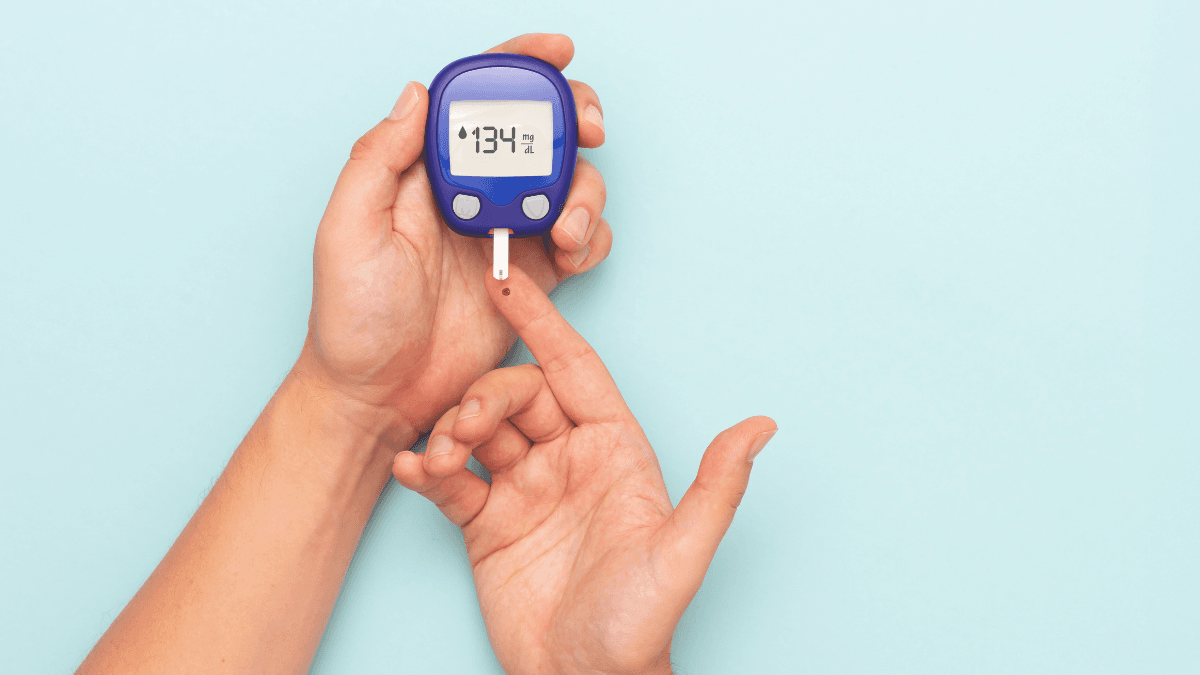
Monitoring helps put symptoms in context. Some people use finger-stick checks, while others track patterns with continuous glucose monitoring systems such as the Dexcom G7 Sensor or the Dexcom G6 Sensor. These tools do not replace diagnosis, but they can make trends easier to discuss at follow-up visits.
What to Ask If Insulin Is Being Considered
If insulin enters the conversation, clear questions help more than labels. A short checklist can make the discussion less overwhelming and can show whether insulin is being used as a bridge, a safety measure, or a longer-term treatment.
- Why insulin now? Ask what problem it is meant to address.
- Temporary or ongoing? Clarify whether the change may be short term.
- How will monitoring change? Ask what kind of glucose follow-up is expected.
- What side effects matter? Review low blood sugar risk and other practical issues.
- Which medicines continue? Confirm how current pills or injections fit with insulin.
- What training is needed? Ask about injection technique, storage, and device use.
Quick tip: Bring a glucose log, medication list, and recent lab results to follow-up visits.
If you want to recognize the range of diabetes-related therapies and devices, the Diabetes Product Category is a browseable catalog, not a treatment recommendation. It can help with terminology, but prescribing decisions still depend on diagnosis, goals, and clinical history.
Fulfilment, where permitted, is handled by licensed third-party pharmacies.
Authoritative Sources
- American Diabetes Association overview of type 2 diabetes
- CDC basics on type 2 diabetes
- NIDDK page on insulin and other diabetes treatments
If you came here asking is type 2 diabetes insulin dependent, the practical answer is usually no at first, but sometimes yes later as insulin production falls or other factors raise glucose. The more useful question is not whether the label is permanent, but how the condition behaves now and what treatment fits that stage. Further reading can start with the hubs and official sources above.
This content is for informational purposes only and is not a substitute for professional medical advice.


