

Insulin resistance vs insulin deficiency describes two different reasons blood glucose can rise. In insulin resistance, the body still makes insulin, but muscle, liver, and fat cells respond poorly to it. In insulin deficiency, the pancreas cannot make enough insulin for the body’s needs. This distinction matters because the tests, risks, and treatment priorities can differ.
Key Takeaways
- Different problem: Resistance limits insulin action; deficiency limits insulin supply.
- Different risk pattern: Deficiency raises ketosis risk when insulin is very low.
- Different testing focus: Glucose tests show severity; C-peptide helps show insulin output.
- Different first steps: Lifestyle often leads resistance care; insulin replacement treats major deficiency.
- Overlap is common: Type 2 diabetes can involve both processes over time.
What Changes Inside the Body
Insulin resistance means insulin is present, but its signal is weaker than expected. After meals, insulin normally helps move glucose from the blood into cells. It also tells the liver to reduce glucose release. When cells resist that signal, the pancreas often responds by making more insulin.
At first, higher insulin output may keep glucose near the usual range. Over months or years, that compensation can fail. Fasting glucose, post-meal glucose, or A1C may then rise into prediabetes or diabetes ranges. This is why insulin resistance can exist before diabetes is diagnosed.
Insulin deficiency means the pancreas cannot release enough insulin. The shortage may be severe, as in many people with type 1 diabetes, or relative, meaning insulin is not enough for the body’s current needs. Relative insulin deficiency can occur in type 2 diabetes when insulin resistance is high and beta cells cannot keep up.
Why it matters: A person can have high glucose from poor insulin action, low insulin supply, or both.
The distinction also changes safety concerns. Insulin resistance is often linked with central weight gain, high triglycerides, fatty liver, high blood pressure, or polycystic ovary syndrome. Insulin deficiency is more closely tied to weight loss, ketones, and diabetic ketoacidosis when insulin levels become dangerously low.
Symptoms That Point Toward Resistance or Deficiency
Symptoms can suggest the dominant problem, but they cannot confirm it alone. Many people with early insulin resistance feel well. Others notice fatigue after meals, increased hunger, abdominal weight gain, or darker thickened skin in body folds, called acanthosis nigricans.
Insulin resistance symptoms in females may include irregular menstrual cycles, acne, or increased facial hair when polycystic ovary syndrome is present. Insulin resistance symptoms in males can include abdominal weight gain, sleep apnea patterns, or low energy, although these signs are not specific. Symptoms of high insulin in females and males can overlap with other hormone, sleep, or thyroid conditions.
Insulin deficiency symptoms often reflect rising glucose and the body’s inability to use fuel properly. Common clues include excessive thirst, frequent urination, blurry vision, unintended weight loss, dehydration, weakness, or nausea. When deficiency is pronounced, the body may break down fat rapidly and produce ketones.
Insulin deficiency is associated with increased ketogenesis, especially when insulin is absent or nearly absent. Ketogenesis means the body produces ketones from fat. Small ketone amounts can occur in several settings, but moderate or large ketones with high glucose can be dangerous.
Seek urgent care for vomiting, rapid breathing, confusion, severe dehydration, fruity-smelling breath, chest pain, or positive ketones with high glucose. These can be warning signs of diabetic ketoacidosis, especially in people who use insulin or may have type 1 diabetes.
How Clinicians Test the Difference
Testing starts by confirming the glucose pattern, then estimating how much insulin the body still makes. Fasting plasma glucose, A1C, and oral glucose tolerance testing can identify normal glucose, prediabetes, or diabetes. Home readings or continuous glucose monitor data may add context, but laboratory tests usually guide diagnosis.
An insulin resistance test is not one single universal test. Clinicians may consider fasting insulin, fasting glucose, waist circumference, triglycerides, HDL cholesterol, liver enzymes, blood pressure, and clinical features. In research, specialized clamp testing can measure insulin sensitivity more directly, but it is not practical for routine care.
C-peptide is often more useful when insulin deficiency is a concern. C-peptide is released when the pancreas makes insulin, so it helps estimate internal insulin production. Low C-peptide can suggest reduced beta-cell function. Stimulated C-peptide, measured after food or a mixed-meal test, may show reserve more clearly than a fasting value.
Autoantibody testing may help identify autoimmune diabetes. Common tests include GAD, IA-2, and ZnT8 antibodies. Positive antibodies with low or falling C-peptide can support type 1 diabetes or latent autoimmune diabetes in adults. A clinician interprets these results alongside age, symptoms, body weight pattern, glucose severity, and ketone history.
For readers comparing diabetes categories, the distinction is also related to insulin dependence. Our overview of Insulin-Dependent Diabetes explains why some people require insulin from diagnosis, while others may need it later.
The calculator below can help convert fasting glucose and fasting insulin into a HOMA-IR estimate. It is a general insulin resistance estimate, not a diagnosis or treatment plan.
HOMA-IR Calculator
Estimate insulin resistance from fasting glucose and fasting insulin values collected from the same blood draw.
These calculations are for education only and do not replace clinical advice, diagnosis, or treatment. Always confirm medical decisions with a qualified healthcare professional.
Insulin Resistance vs Diabetes: Where They Overlap
Insulin resistance is not the same as diabetes. It is a metabolic state that raises diabetes risk. Diabetes is diagnosed when glucose measures meet defined thresholds. This is a common source of confusion in searches for insulin resistance vs diabetes.
Type 2 diabetes often begins with insulin resistance. The pancreas responds by producing more insulin, but beta-cell function may decline over time. When that happens, insulin deficiency type 2 diabetes can develop. In practical terms, a person may have both insulin resistance and insulin deficiency.
Type 1 diabetes is different. It is usually driven by autoimmune beta-cell destruction, which causes major insulin deficiency. Even so, insulin resistance in type 1 diabetes can occur during puberty, pregnancy, infection, steroid treatment, weight gain, or periods of reduced activity. When resistance rises, insulin needs may increase, but insulin deficiency remains central.
For a broader comparison of diabetes types, see Type 1 Versus Type 2 Diabetes. For a focused discussion of the wording, Insulin Resistance vs Diabetes covers why resistance can precede diabetes without being the diagnosis itself.
Care Priorities When Resistance Dominates
When resistance is the main issue, the goal is to improve insulin sensitivity and reduce metabolic strain. This usually starts with nutrition, activity, sleep, weight-related goals when appropriate, and treatment of related risks such as blood pressure or cholesterol. These steps are not a quick cure, but they can improve glucose patterns for many people.
An insulin resistance diet generally emphasizes minimally processed foods, adequate protein, high-fiber carbohydrates, unsaturated fats, and portion awareness. The exact carbohydrate target should be individualized, especially for people using insulin, sulfonylureas, or other medicines that can cause low glucose. Kidney disease, pregnancy, gastroparesis, and eating disorder history also warrant professional guidance.
Physical activity helps muscles use glucose more effectively. Aerobic exercise and resistance training can both support insulin sensitivity. Even short walks after meals may help some people reduce post-meal glucose rises, though response varies. Sleep quality and stress also matter because hormones can affect glucose and appetite regulation.
People often ask how to reverse insulin resistance or what is the fastest way to cure insulin resistance. A safer framing is improvement, remission of abnormal glucose markers, or lower insulin demand. There is no guaranteed rapid cure. Sustainable changes, regular monitoring, and medication when appropriate are more realistic than extreme short-term plans.
Metformin is one commonly used medication in insulin-resistant type 2 diabetes and selected prediabetes situations. It does not replace lifestyle measures, and it is not right for everyone. For a medication comparison, see Insulin vs Metformin. If you are reviewing a specific medicine, the Metformin product page can provide item-level context without replacing prescribing advice.
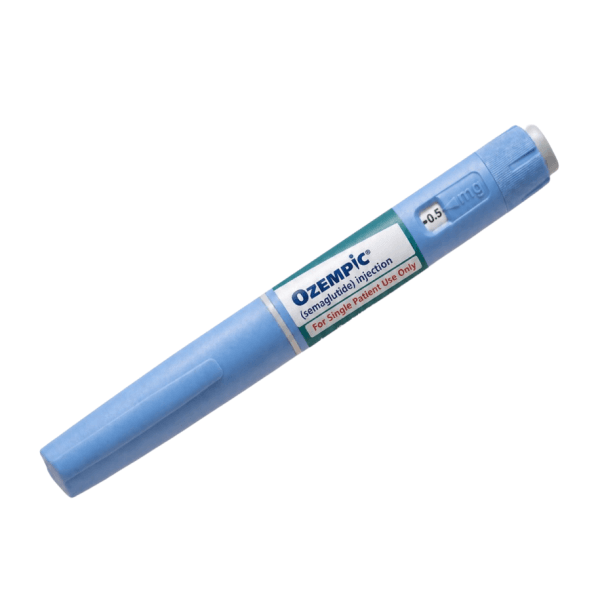
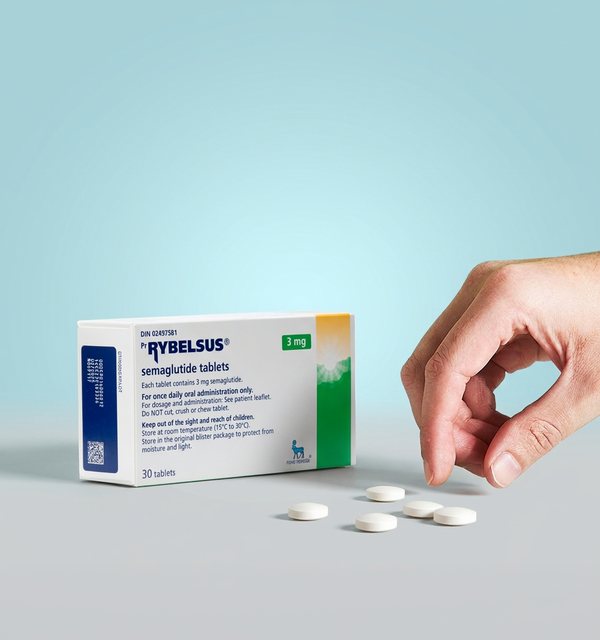
GLP-1 receptor agonists can help some people with type 2 diabetes improve glucose control and may support weight-related treatment goals. Whether they fit depends on diagnosis, other conditions, tolerability, pregnancy plans, and medication access. A clinician can explain benefits, risks, and monitoring needs.
Care Priorities When Deficiency Dominates
When insulin deficiency is significant, insulin replacement becomes a safety issue. Without enough insulin, glucose cannot move into cells properly, and the liver may keep releasing glucose. The body may also break down fat and muscle for fuel. This can lead to weight loss, ketones, and acute illness.
Insulin deficiency treatment depends on the cause and severity. People with type 1 diabetes usually need ongoing insulin. Some people with type 2 diabetes need insulin temporarily during illness, surgery, pregnancy, or steroid treatment. Others need it longer term when beta-cell function declines.
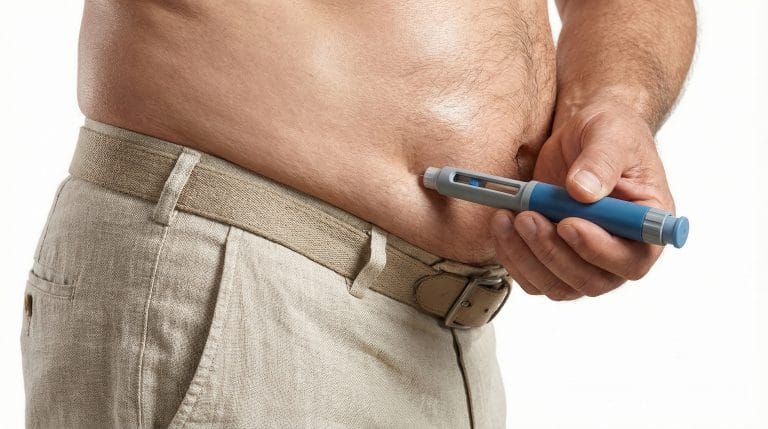
Insulin plans may include basal insulin, mealtime insulin, correction doses, pump therapy, or continuous glucose monitoring. These choices require individualized teaching. Injection technique, storage, meal timing, sick-day planning, and hypoglycemia prevention all matter. Do not start, stop, or adjust insulin without guidance from the prescribing clinician.
People using insulin should ask when to check ketones, what ketone levels mean, and when to seek urgent care. This is especially important during vomiting, fever, missed insulin, pump problems, or persistent high glucose. A written sick-day plan can reduce confusion when symptoms are stressful.
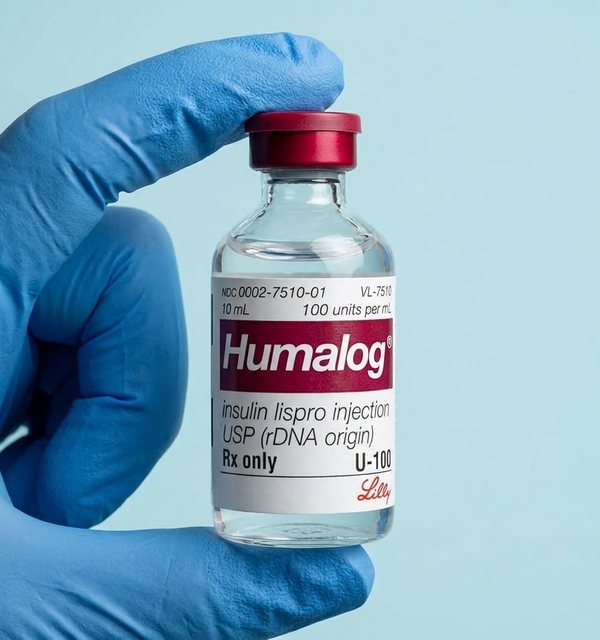
For more detail on severe insulin shortage, read Absolute Insulin Deficiency. If you are comparing insulin product formats for discussion with a clinician, examples include Lantus SoloStar Pens, Humalog KwikPen, and Tresiba FlexTouch Pens. Product pages are informational and should not be used to set doses.
Practical Examples: Matching Clues to Next Steps
Example 1: A middle-aged adult has abdominal weight gain, high triglycerides, borderline A1C, and normal or high fasting insulin. This pattern may fit insulin resistance. Useful next steps could include reviewing nutrition, activity, sleep, blood pressure, lipids, and whether medication is appropriate.
Example 2: A lean adult has rapid weight loss, high glucose, thirst, frequent urination, low C-peptide, and positive GAD antibodies. This pattern may fit autoimmune insulin deficiency. The priority would be prompt clinician-directed insulin treatment, ketone education, and follow-up testing.
Example 3: A person with long-standing type 2 diabetes has rising A1C despite careful habits and several non-insulin medicines. This may reflect progressive beta-cell decline. In that setting, insulin resistance and insulin deficiency can both contribute. Medication review and updated labs can help clarify the next step.
Quick tip: Bring glucose logs, medication lists, weight changes, and recent illness details to appointments.
Tracking Progress Without Chasing a Cure Claim
Signs insulin resistance is reversing may include lower fasting glucose, improved post-meal readings, lower A1C, reduced waist circumference, lower triglycerides, or improved energy. These changes should be interpreted over time. Single readings can swing with sleep, stress, hydration, illness, and meals.
Claims such as “how I cured my insulin resistance” can be misleading. Some people improve insulin sensitivity enough to normalize labs, especially with weight loss, activity, or treatment changes. Others improve partially or need ongoing medication. Genetics, age, sleep disorders, liver fat, medicines, and hormone conditions can all affect progress.
Track practical markers rather than perfection. Useful measures may include fasting glucose, post-meal patterns, A1C, blood pressure, waist circumference, weight trend when relevant, lipids, and medication side effects. If low glucose occurs, contact the care team promptly, especially if you use insulin or medicines that increase insulin release.
For browsing related education, the Diabetes Articles collection groups broader topics. The Type 2 Diabetes Articles collection may be more relevant when insulin resistance is the main concern.
Authoritative Sources
The American Diabetes Association Standards of Care summarize diagnostic criteria, treatment principles, and acute complication guidance for diabetes care.
The CDC overview of insulin resistance explains how insulin resistance relates to type 2 diabetes risk in plain language.
The NIDDK prediabetes and insulin resistance resource provides patient-friendly information on risk factors, testing, and prevention steps.
Insulin resistance vs insulin deficiency is not just a vocabulary difference. It helps explain why one person may focus on improving sensitivity, while another needs insulin replacement and ketone planning. Many people sit between these categories, so testing and follow-up matter.
This content is for informational purposes only and is not a substitute for professional medical advice.