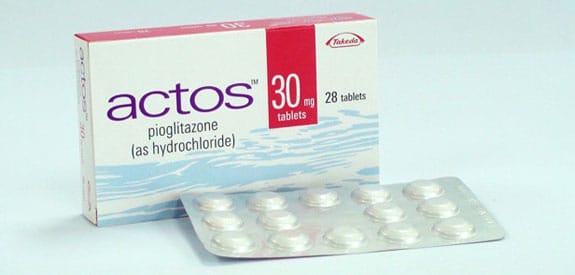
Actos (pioglitazone) is an oral prescription medicine for adults with type 2 diabetes. It helps lower blood sugar by improving insulin sensitivity, meaning cells respond better to insulin. This Actos Uses and How It Works: A Guide for Type 2 Diabetes article explains where pioglitazone may fit, how it differs from other non-insulin options, and which safety cautions deserve attention.
Key Takeaways
- Actos is brand-name pioglitazone, a thiazolidinedione oral diabetes medicine.
- It helps the body use existing insulin more effectively.
- It is used with diet and exercise for adults with type 2 diabetes.
- Fluid retention, weight changes, and heart failure warnings need review.
- Comparisons with metformin or Jardiance depend on health history.
How Actos Works in Type 2 Diabetes
Actos works by making certain tissues more responsive to insulin. Insulin is the hormone that helps move glucose, or sugar, from the blood into cells for energy. In insulin resistance, cells do not respond well to that signal. The pancreas may make more insulin at first, but blood sugar can still rise over time.
Pioglitazone belongs to the thiazolidinedione (TZD) class, a group of medicines that target insulin resistance. At a cellular level, it activates peroxisome proliferator-activated receptor gamma, or PPAR-gamma (a cell receptor involved in fat and glucose metabolism). This action can help muscle, fat, and liver cells handle glucose more effectively.
That mechanism is different from medicines that directly increase insulin release. It also differs from medicines that remove glucose through urine or slow carbohydrate absorption. Because pioglitazone depends on the body’s insulin activity, it is not a substitute for insulin when insulin is required.
If you are trying to understand the bigger picture, it helps to review Insulin Sensitivity alongside medication choices. Lifestyle measures, glucose patterns, weight changes, other diagnoses, and current medicines all shape how clinicians think about insulin resistance.
Why it matters: Understanding the mechanism helps explain both the possible benefits and the main cautions.
Pioglitazone is not used as a rapid correction for a high reading. Clinicians usually judge its role through longer-term measures, such as A1C trends, home glucose logs, and tolerability. For a broader look at this medicine class, see Thiazolidinedione Expectations.
Where Pioglitazone Fits in Treatment
Pioglitazone uses are focused on improving glycemic control (blood sugar control) in adults with this form of diabetes. It is prescribed as part of a wider plan that may include nutrition changes, physical activity, glucose monitoring, and other medicines.
Actos for type 2 diabetes may be considered when insulin resistance is a major treatment issue or when another oral option is needed. It may be used alone or with other glucose-lowering medicines when a prescriber decides the combination is appropriate. It is not used for type 1 diabetes, and it is not a treatment for diabetic ketoacidosis, a dangerous buildup of acids called ketones.
Readers comparing treatment paths may find the Type 2 Diabetes category useful for broader education. A single medicine rarely answers every need. Kidney function, heart history, weight goals, risk of low blood sugar, cost concerns, and other prescriptions can all affect the final plan.
CanadianInsulin.com operates as a prescription referral platform, not the dispensing pharmacy.
The most practical way to think about pioglitazone is as one tool for insulin resistance. It is not automatically first, last, safer, or stronger than another option. The better question is whether its mechanism, safety profile, and monitoring needs match the person in front of the prescriber.
Safety Cautions That Shape the Decision
Safety is central to pioglitazone because some risks are tied to how the drug works. The key warning involves fluid retention, which can worsen or contribute to heart failure. People with heart failure symptoms, significant swelling, or certain heart failure histories need careful medical review before using this class.
Contraindications (reasons a medicine may be unsafe) and warnings should be checked against your own health history. This includes heart problems, liver disease, bladder cancer history, unexplained blood in the urine, bone fracture risk, eye disease, pregnancy plans, and current medicines. These factors do not all mean pioglitazone is impossible, but they do mean the decision should be individualized.
Commonly discussed Actos side effects include swelling, weight gain, headache, respiratory symptoms, and muscle pain. More serious concerns may include heart failure symptoms, liver problems, macular edema (swelling in the central part of the retina), bone fractures, and low blood sugar when combined with insulin or insulin-releasing drugs. A deeper side-effect discussion is available in Actos Pioglitazone Side Effects.
- Swelling: new ankle, leg, or hand swelling needs review.
- Breathing changes: shortness of breath can signal fluid overload.
- Sudden weight change: rapid gain may reflect fluid retention.
- Low glucose: risk rises with insulin or sulfonylureas.
- Liver symptoms: dark urine or yellow skin needs urgent attention.
- Vision changes: blurred or distorted vision should be assessed.
Seek prompt medical care for chest pain, severe shortness of breath, fainting, signs of a severe allergic reaction, or symptoms that feel sudden and serious. Do not stop or restart prescribed diabetes medicines without speaking with a qualified clinician, unless emergency instructions tell you otherwise.
Interactions and Day-to-Day Use Questions
Interactions matter because pioglitazone is often used with other diabetes medicines. Low blood sugar is more likely when it is combined with insulin or insulin secretagogues, such as sulfonylureas. Other medicines may affect how pioglitazone is processed in the body, so a complete medication list is important.
Tell the prescriber about prescription drugs, over-the-counter medicines, supplements, alcohol use, and recent medicine changes. Some interactions are not obvious from the name of a product. Pharmacists and prescribers can also check whether a new medicine changes monitoring needs.
Many product labels state that pioglitazone may be taken with or without food. Still, your own prescription label and prescriber instructions should come first. If you miss a dose, are sick, or have changing meal patterns, ask for a plan rather than guessing. For dose-related context, see Pioglitazone Dosage.
The so-called 3-hour rule in diabetes is not an Actos rule. People may hear that phrase in relation to insulin correction timing, post-meal checks, or avoiding repeated rapid-acting insulin doses, depending on the care plan. Ask which timing rules apply to your medicines, meals, and glucose targets.
Quick tip: Keep a current medication list and bring it to diabetes visits.
Glucose data can help make those conversations more concrete. If you are unsure how to interpret common readings, the Blood Sugar Normal Range Chart explains common ranges and why context matters.
How This Drug Class Compares With Other Options
No single diabetes medicine is better or safer for everyone. Actos vs metformin, or Jardiance vs pioglitazone, depends on the clinical goal and the person’s health risks. Comparing mechanisms can make the decision less confusing.
Metformin is often discussed early in care because it has a long history of use and works mainly by reducing glucose production in the liver while improving insulin response. Pioglitazone is more specifically associated with insulin sensitivity. Jardiance is empagliflozin, an SGLT2 inhibitor, which works through the kidneys. These are different strategies, not simple upgrades of one another.
| Option or class | Main action | Decision context |
|---|---|---|
| Pioglitazone | Improves insulin sensitivity through the TZD pathway. | Fluid retention, heart history, weight change, and fracture risk matter. |
| Metformin | Reduces liver glucose production and supports insulin response. | Digestive tolerability and kidney function are common review points. |
| SGLT2 Inhibitors | Help the kidneys remove glucose through urine. | Kidney function, hydration, and genital infection risk may be discussed. |
| GLP-1 Agonists | Mimic an incretin hormone involved in insulin release and appetite signals. | Digestive effects, injection or oral form, and weight goals may matter. |
| DPP-4 inhibitors | Support incretin hormone levels after meals. | They are usually weight-neutral, but suitability still depends on history. |
You can browse the Non-Insulin Diabetes Medications category to understand how these groups are organized. Treat category pages as navigation tools, not as personal treatment recommendations.
Combination treatment is common in diabetes care, but combinations need a reason. The prescriber may combine medicines with different mechanisms, avoid overlapping side effects, or adjust therapy when A1C and daily readings do not match the target. For related reading, see Actos and Metformin and Diabetes Medication Combinations.
Questions to Discuss Before Starting or Continuing Treatment
The best preparation is a focused conversation. Pioglitazone can be a reasonable option for some adults, but the decision should account for both glucose control and long-term safety. Bring recent lab results, home glucose readings, and a full medication list if you have them.
- Heart history: ask how fluid retention risk applies to you.
- Current medicines: review insulin, sulfonylureas, and new prescriptions.
- Monitoring plan: clarify which labs or symptoms need follow-up.
- Glucose goals: ask how success will be measured over time.
- Side effects: confirm which symptoms need urgent care.
- Alternatives: ask why this class fits better than another option.
When required, prescription details may be confirmed with the prescriber.
Access questions should stay separate from medical suitability. A medicine can be clinically reasonable yet still require documentation, eligibility review, or a different fulfillment path. Some patients ask about cash-pay options, depending on eligibility and jurisdiction, but those questions do not replace a prescriber’s assessment.
Licensed third-party pharmacies handle dispensing where permitted by local rules.
If you feel unsure after a visit, ask the clinician to explain the main reason for choosing pioglitazone, the main risk being watched, and what would prompt a change. Those three answers often make the plan easier to follow.
Authoritative Sources
These sources support the clinical claims in this article and should not replace your prescriber’s instructions.
- FDA Medication Guide for Actos describes approved use and major safety warnings.
- MedlinePlus pioglitazone information reviews precautions, side effects, and patient safety points.
- NIDDK diabetes medicines overview explains major diabetes treatment categories.
Further Reading and Recap
Actos is best understood as pioglitazone, a TZD medicine used to improve insulin sensitivity in adults with type 2 diabetes. Its role depends on the full treatment plan, not the brand name alone. The central tradeoff is straightforward: it may help with insulin resistance, but it requires attention to fluid retention, heart failure warnings, interactions, and symptom monitoring.
For broader medication context, you can also browse Diabetes Medications. Use that as a starting point for learning, then bring your specific questions to a licensed healthcare professional.
This content is for informational purposes only and is not a substitute for professional medical advice.