
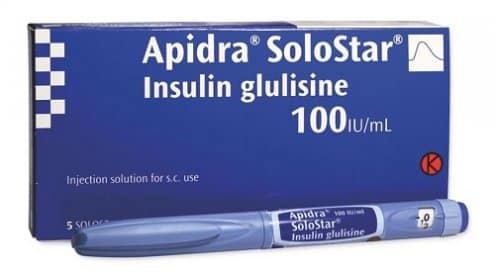
The apidra solostar pen is a disposable prefilled insulin pen used to deliver insulin glulisine with meals or to correct high blood sugar when prescribed. It is a rapid-acting insulin, so timing, dose accuracy, site rotation, and low-glucose awareness all matter. This article explains where the pen fits in diabetes care, how people commonly use it, and what to review with a clinician before changing any insulin routine.
Key Takeaways
- Mealtime role: It helps cover carbohydrate intake and corrections.
- Fast action: It starts working quickly and has a short duration.
- Technique matters: Prime, inject, hold, and rotate sites consistently.
- Dosing is individual: Carb ratios and correction factors vary by person.
- Safety focus: Watch for hypoglycemia and injection-site changes.
Where the Apidra SoloSTAR Pen Fits in Diabetes Care
The Apidra SoloSTAR Pen delivers insulin glulisine, a rapid-acting insulin analog used to improve glycemic control in people with diabetes. It is usually taken around meals as part of a broader plan that may also include a long-acting basal insulin. It is not the same as a basal insulin such as insulin glargine, which is designed to cover background insulin needs over a longer period.
Why this matters: rapid-acting insulin and basal insulin solve different problems. Mealtime insulin helps manage glucose rises after eating. Basal insulin helps cover glucose between meals and overnight. Confusing these roles can increase the risk of high or low glucose.
Insulin glulisine works by helping glucose move from the blood into body cells. It also reduces glucose release from the liver. Its fast absorption makes it useful for meal coverage, but that same speed means missed meals, delayed eating, or unexpected activity can raise the chance of hypoglycemia (low blood sugar).
For a broader explanation of the medicine itself, see Understanding Apidra Insulin. For a focused review of approved and common clinical uses, Apidra Uses gives more context without replacing label guidance.
How to Use the Pen Safely
Safe use starts with confirming the correct insulin, checking the solution, and preparing a new pen needle. The solution should look clear and colorless. Do not use a pen if the insulin looks cloudy, thickened, discolored, or contains particles. Wash your hands before handling the pen or injection site.
- Check the pen label to confirm the right insulin.
- Attach a new compatible pen needle.
- Prime the pen as directed to confirm insulin flow.
- Dial only the prescribed dose.
- Choose a clean injection area.
- Insert the needle as instructed.
- Press the button until the dose window reaches zero.
- Hold the needle in place briefly before removing it.
- Remove the needle and place it in a sharps container.
The apidra solostar pen is intended for subcutaneous injection, meaning the insulin goes into the fatty layer under the skin. Common injection areas include the abdomen, thigh, upper arm, or buttock. The abdomen may absorb rapid-acting insulin faster for some people, but individual response can vary.
Quick tip: Keep a simple written routine for priming, injecting, and needle disposal.
Never share insulin pens, even if the needle is changed. Sharing injection devices can transmit blood-borne infections. Also avoid leaving a needle attached between injections. This can allow air into the pen, increase leakage, or affect dose accuracy.
If you are comparing delivery methods, Ways of Administering Insulin explains pens, syringes, and other options in plain language. If you need pen-needle context, BD Nano Pro Pen Needles shows one related needle product page for device navigation.
Injection Sites and Rotation
Site rotation helps reduce lipodystrophy, which means thickened, pitted, or lumpy tissue under the skin. Repeated injections into the same area can make insulin absorption less predictable. Rotate within the same general region for several days if your care plan recommends it, then move systematically to another region.
Avoid injecting into scars, bruises, moles, irritated skin, or hardened areas. If you notice lumps, dents, persistent redness, or repeated unexplained highs after injections, ask your clinician to review your sites and technique.
Dosing Principles, Timing, and Onset
Apidra SoloSTAR dosage is individualized, so there is no single dose chart that applies safely to everyone. Clinicians may base mealtime dosing on carbohydrate intake, current glucose, insulin sensitivity, activity, illness, and other medicines. Some people use a fixed mealtime dose. Others use a carbohydrate ratio and a correction factor.
A carbohydrate ratio estimates how many grams of carbohydrate one unit of insulin covers. A correction factor estimates how much one unit may lower glucose when levels are above target. These numbers can change over time, especially with weight changes, kidney function changes, steroid use, pregnancy, illness, or changes in physical activity.
The apidra solostar pen is usually used close to eating, as directed on the prescription label or care plan. Rapid-acting insulin needs food timing to match its effect. Taking it too early, then delaying a meal, can increase low-glucose risk. Taking it too late may allow a larger post-meal glucose rise.
Apidra onset is generally quick, with peak activity often occurring later after injection and a shorter overall action than many older insulins. Exact timing varies by site, blood flow, activity, meal composition, and individual sensitivity. High-fat meals can delay glucose rise, while exercise may increase insulin sensitivity.
If you track readings in different units, a converter can reduce recording errors when reviewing logs with your care team.
Blood Glucose Unit Converter
Convert glucose readings between mg/dL and mmol/L without changing the clinical value.
These calculations are for education only and do not replace clinical advice, diagnosis, or treatment. Always confirm medical decisions with a qualified healthcare professional.
This calculator converts blood glucose values between mg/dL and mmol/L. It does not choose insulin doses or replace clinical guidance.
For more detail on rapid insulin timing, Apidra Peak Time discusses onset, peak, and duration in a dedicated format.
About “Maximum Dose” Questions
Searches for a maximum dose of Apidra are common, but this question needs individual clinical review. Insulin requirements vary widely. A higher dose may be appropriate for one person and unsafe for another. Large correction doses, repeated unexplained highs, or frequent lows should prompt review of technique, storage, meal estimates, and the prescribed plan.
Do not increase, skip, or stack rapid-acting insulin doses without your clinician’s instructions. Insulin stacking means taking additional doses before the previous dose has finished working, which can cause delayed hypoglycemia.
Side Effects, Warnings, and When to Seek Help
The most important safety concern with rapid-acting insulin is hypoglycemia. Symptoms may include sweating, shaking, hunger, fast heartbeat, headache, irritability, confusion, or weakness. Severe hypoglycemia can cause seizure, loss of consciousness, or injury. People taking beta-blockers may have less obvious warning symptoms.
Common side effects can include injection-site redness, itching, swelling, or discomfort. Lipodystrophy may develop when injections are repeatedly placed in the same spot. Less commonly, insulin can cause allergic reactions. Seek urgent medical care for swelling of the face or throat, trouble breathing, widespread rash, fainting, or severe low glucose that does not respond to usual treatment.
Illness, vomiting, reduced food intake, alcohol, increased activity, kidney impairment, liver impairment, and medication changes can alter insulin needs. People who are pregnant, planning pregnancy, or breastfeeding should review insulin use with their diabetes care team. Do not stop insulin during illness unless a clinician gives specific instructions, as high glucose and ketones can become dangerous.
For symptom patterns and risk-reduction tips, see Apidra SoloSTAR Side Effects. Use official labeling and your clinician’s plan for final safety decisions.
Storage, Handling, and Device Questions
Storage affects insulin potency. Unopened pens are generally stored according to label instructions, protected from freezing and excessive heat. Once a pen is in use, follow the product label for room-temperature limits and discard timing. Do not use insulin after the expiration date or if it has been exposed to improper temperatures.
The apidra solostar pen is a disposable prefilled device, not a reusable cartridge pen. It does not use an insulin pen refill. When the pen is empty, expired, damaged, or past the in-use period, discard it according to local guidance. Use a new compatible needle for each injection.
Travel and schedule changes need planning. Carry backup supplies, extra needles, low-glucose treatment, and glucose monitoring supplies. Keep insulin away from direct heat, freezing temperatures, and checked baggage temperature extremes when possible. If insulin may have been exposed to unsafe conditions, ask a pharmacist or clinician before using it.
Some readers also compare the pen with vial formats. The Apidra SoloSTAR Pens page and Apidra Insulin Glulisine Vials page can help distinguish formats. Product pages should be used for orientation, not as dosing instructions.
How It Compares With Other Insulin Types
Apidra is not the same as regular insulin or long-acting insulin. Regular insulin is short-acting, but it typically has a slower onset and longer duration than rapid-acting analogs. Long-acting insulin products are designed for basal coverage and are not used in the same way as mealtime insulin.
In practice, clinicians consider meal patterns, glucose trends, hypoglycemia history, injection preferences, formulary coverage, and device fit when choosing among mealtime insulins. A switch between rapid-acting insulins should be supervised, because timing and dose-response can differ by person.
Why it matters: Insulin names can sound similar, but their timing profiles can differ significantly.
Practical Review Points for Your Next Appointment
Bring recent glucose logs, meal notes, and insulin timing details to appointments. Patterns are often more useful than isolated readings. If you use a continuous glucose monitor, ask how time-in-range, post-meal trends, and low-glucose episodes should inform your plan.
- Meal timing: Note when you inject and eat.
- Carb estimates: Record portions and labels when possible.
- Correction doses: Track timing and follow-up readings.
- Activity changes: Include exercise and physical work.
- Injection sites: Mark areas with lumps or irritation.
- Low episodes: Record symptoms, triggers, and treatment.
CanadianInsulin.com is a prescription referral platform. Where required, prescription details may be confirmed with the prescriber, while dispensing and fulfillment are handled by licensed third-party pharmacies where permitted. Some patients also discuss cash-pay access options depending on eligibility and jurisdiction.
Authoritative Sources
For label-backed information on indications, use, contraindications, warnings, and storage, review the official Apidra prescribing information. DailyMed also provides regulator-hosted labeling for insulin glulisine injection. For general patient education on insulin therapy, the American Diabetes Association explains insulin basics and treatment roles.
Recap
The apidra solostar pen is a mealtime insulin delivery device for insulin glulisine. It works quickly, so safe use depends on correct timing, careful dosing, sound injection technique, and awareness of hypoglycemia. Use your prescribed plan, keep accurate records, and ask your diabetes care team to review persistent highs, frequent lows, or device problems.
This content is for informational purposes only and is not a substitute for professional medical advice.


