
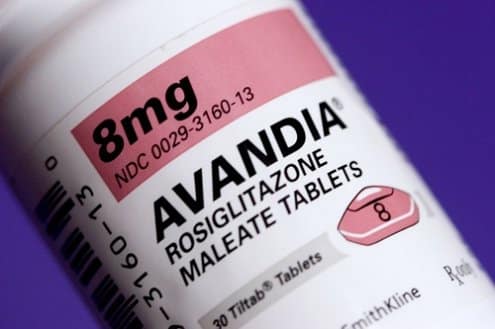
Avandia side effects can include fluid retention, weight gain, headache, respiratory symptoms, mild anemia, and low blood sugar when used with certain diabetes medicines. More serious concerns include new or worsening heart failure, vision changes from macular edema, liver problems, and fracture risk. Rosiglitazone, the generic name for Avandia, is a thiazolidinedione used for type 2 diabetes, so safety depends on heart history, other medicines, and close monitoring.
This matters because some early symptoms can look mild. Ankle swelling, shortness of breath, fast weight gain, or unusual fatigue should not be ignored. This article explains which reactions are common, which need urgent review, and how rosiglitazone fits into diabetes care today.
Key Takeaways
- Common effects: Fluid retention, weight gain, headache, fatigue, and mild anemia may occur.
- Serious warnings: Heart failure symptoms, liver injury signs, and vision changes need prompt assessment.
- Combination risk: Hypoglycemia is more likely with insulin or insulin-releasing medicines.
- Monitoring matters: Weight, swelling, breathing, liver symptoms, glucose trends, and eye symptoms should be reviewed.
- Access varies: Availability depends on country, formulary choices, supply, and prescriber judgment.
Common and Serious Avandia Side Effects
The most discussed avandia side effects involve fluid retention and heart-related risk. Rosiglitazone can cause the body to hold extra fluid, which may show up as ankle swelling, sudden weight gain, or breathlessness. These symptoms matter more in people with existing heart disease or a history of heart failure.
Commonly reported reactions may include headache, cold-like symptoms, fatigue, back pain, joint or muscle discomfort, and mild anemia. Some people also notice weight gain. That gain can reflect both increased fat storage and fluid retention, so the pattern matters. A gradual change is different from rapid weight gain with swelling.
Low blood sugar is not usually the main concern when rosiglitazone is used alone. The risk rises when it is combined with insulin or secretagogues, such as sulfonylureas, that increase insulin release. Symptoms can include shakiness, sweating, confusion, hunger, or palpitations.
Serious reactions need faster attention. New or worsening shortness of breath, swelling, chest discomfort, marked fatigue, or reduced ability to exercise may suggest fluid overload or heart failure. Blurred vision or distorted vision can occur with macular edema, which is swelling in the central part of the retina. Yellowing skin, dark urine, or persistent nausea may suggest liver injury.
Why it matters: Fluid retention can worsen before a person feels clearly unwell.
How Rosiglitazone Works and Why Side Effects Happen
Rosiglitazone belongs to the thiazolidinedione class, often shortened to TZD. This drug class improves insulin sensitivity rather than forcing the pancreas to release more insulin. For a broader type 2 diabetes medication context, see Common Diabetes Medications.
The rosiglitazone mechanism of action involves activation of peroxisome proliferator-activated receptor gamma, also called PPAR-gamma. In plain terms, this receptor helps regulate how fat, muscle, and liver cells respond to insulin. Better insulin sensitivity can help lower blood glucose in adults with type 2 diabetes when used as part of a care plan.
The same pathway can also explain some side effects. TZDs can affect salt and water handling in the kidneys. That effect can lead to edema, or swelling from fluid buildup. Fluid retention is especially important when rosiglitazone is combined with insulin or used in someone already prone to heart failure.
The avandia drug class has a low intrinsic risk of hypoglycemia when used alone because it does not directly increase insulin secretion. Still, diabetes treatment usually involves more than one medicine over time. That is why the full regimen matters more than any single drug name.
Who Should Be Cautious or Avoid Rosiglitazone
Rosiglitazone is intended for adults with type 2 diabetes when a clinician judges that its benefits outweigh its risks. It is not used for type 1 diabetes or diabetic ketoacidosis, a dangerous state of severe insulin deficiency. For a deeper look at uses and dosing context, see Rosiglitazone Uses And Dosage.
Rosiglitazone contraindications and cautions focus heavily on heart failure risk. People with active, symptomatic heart failure generally should not start a TZD. Those with swelling, shortness of breath, or a history of fluid overload need careful review before and during therapy. A clinician may also reconsider treatment if edema develops or worsens.
Liver health also matters. Clinicians may review liver enzymes before treatment and recheck them if symptoms suggest hepatic injury. Warning signs include jaundice, dark urine, persistent abdominal discomfort, severe fatigue, or unexplained nausea. These symptoms should be reported promptly.
Bone health is another consideration. TZDs have been linked with increased fracture risk, especially in women. The risk appears more relevant with long-term exposure and in people already at higher risk for low bone density. A prescriber may weigh this risk alongside age, fall risk, menopause status, and other medicines.
Premenopausal women who do not ovulate regularly may resume ovulation while taking a TZD. This can affect pregnancy planning. Anyone who could become pregnant should discuss contraception and pregnancy-related medication questions with a qualified clinician.
Monitoring Symptoms During Treatment
Monitoring focuses on early clues that rosiglitazone side effects are becoming clinically important. A simple home symptom log can help organize changes between visits. It should not replace medical review, but it can make follow-up more precise.
- Weight changes: Note rapid gains or swelling with weight gain.
- Ankle edema: Track new or worsening swelling in feet or legs.
- Breathing symptoms: Report shortness of breath, nighttime breathlessness, or reduced exercise tolerance.
- Vision changes: Seek evaluation for blurred, distorted, or sudden visual changes.
- Liver symptoms: Report jaundice, dark urine, severe fatigue, or persistent nausea.
- Low glucose signs: Watch for sweating, shaking, confusion, or palpitations if using combination therapy.
Clinic monitoring often includes A1C review, medication reconciliation, edema checks, and symptom questions. Liver tests may be considered at baseline and when symptoms suggest a problem. Eye symptoms should lead to prompt ophthalmic assessment because macular edema needs direct eye evaluation.
Quick tip: Bring your medication list to each diabetes visit, including nonprescription products.
Interactions and Combination Therapy Risks
Rosiglitazone interactions can change either drug exposure or side effect risk. The drug is mainly metabolized through CYP2C8, an enzyme involved in processing some medicines. Strong CYP2C8 inhibitors, such as gemfibrozil, may raise rosiglitazone exposure. Inducers, such as rifampin, may lower exposure.
Combination therapy also changes safety considerations. Insulin plus a TZD can increase the chance of fluid retention and heart failure symptoms. Insulin or sulfonylurea combinations can also raise hypoglycemia risk. That does not mean these combinations are never used, but they require careful clinical judgment and monitoring.
Medication changes outside diabetes care can matter too. Lipid medicines, antibiotics, antifungals, and other prescriptions may affect metabolism or overall risk. People taking multiple medicines should ask the prescriber or pharmacist to review interactions before adding or stopping a drug.
How It Compares With Other Type 2 Diabetes Options
No diabetes medication has the least side effects for every person. The safer choice depends on kidney function, heart disease, weight goals, hypoglycemia risk, cost or access, gastrointestinal tolerance, and other diagnoses. For many adults, metformin is considered early in therapy when appropriate, but some people cannot take it or do not tolerate it.
Rosiglitazone may be considered when improving insulin sensitivity is a treatment goal. Its main tradeoff is fluid retention risk. SGLT2 inhibitors, GLP-1 receptor agonists, DPP-4 inhibitors, insulin, sulfonylureas, and other medicines have different benefit and risk profiles. Selection should be individualized rather than based on one side effect list.
For a focused comparison, Avandia Vs Metformin reviews key differences between these two approaches. For TZD class context, Actos And Avandia compares two medicines from the same class. Readers who want broader condition navigation can also browse the Type 2 Diabetes collection.
Availability, Discontinuation Questions, and Access Context
Many readers ask whether rosiglitazone is still on the market because its regulatory history has been complicated. In some regions, access became restricted or limited after cardiovascular safety concerns were reviewed. Later decisions changed some restrictions, but local availability still varies.
In practical terms, the answer to “is Avandia still available” depends on the country, manufacturer supply, pharmacy networks, and formulary rules. A medicine may be approved in one setting but rarely used, unavailable through a usual pharmacy, or replaced by preferred alternatives in many care pathways.
People also search “why was Avandia taken off the market.” The wording can be misleading. In some places, rosiglitazone access was restricted, suspended, or limited because of concern about cardiovascular risks. In other places, regulatory status changed after additional review. A local prescriber or pharmacist is the best source for current access and suitability.
CanadianInsulin.com functions as a prescription referral platform, and prescription details may be confirmed with the prescriber where required. Dispensing and fulfillment are handled by licensed third-party pharmacies where permitted. This service context does not replace the need for a clinician to decide whether rosiglitazone is appropriate.
For condition-based browsing rather than medical advice, the Type 2 Diabetes Products page lists related items by condition category.
Practical Questions to Ask Before or During Therapy
Prepared questions can make a safety discussion clearer. They are especially useful when a medicine has both glucose benefits and cardiovascular cautions. Bring recent glucose data, medication lists, and any swelling or breathing symptoms to the appointment.
- Heart history: Ask how prior heart failure or edema affects suitability.
- Combination therapy: Ask whether insulin or sulfonylureas change monitoring needs.
- Vision symptoms: Ask what eye changes should prompt urgent assessment.
- Liver monitoring: Ask which symptoms should trigger liver tests.
- Bone risk: Ask whether fracture risk matters in your situation.
- Alternatives: Ask which other drug classes fit your health profile.
These questions should support shared decision-making, not self-adjustment. Do not stop, start, or change diabetes medication without professional guidance. Sudden changes can affect glucose control and may create new risks.
Authoritative Sources
For detailed label-based safety language, review the manufacturer’s Avandia prescribing information and medication guide.
For a clinical reference on rosiglitazone pharmacology and safety, see the NCBI Bookshelf rosiglitazone monograph.
For consumer-facing side effect and dosing context, Mayo Clinic provides rosiglitazone oral route information.
Recap
Avandia side effects range from mild symptoms to serious problems involving fluid retention, heart failure, vision changes, liver injury, and fractures. The main safety issue is not just whether a reaction can occur, but whether the person has risk factors that make that reaction more dangerous. Careful selection, medication review, and symptom monitoring are central to safe use.
Seek urgent medical help for chest discomfort, sudden shortness of breath, fainting, severe weakness, or rapid swelling with breathing trouble. Contact a clinician promptly for new vision changes, jaundice, dark urine, persistent nausea, or unexplained rapid weight gain.
This content is for informational purposes only and is not a substitute for professional medical advice.


