
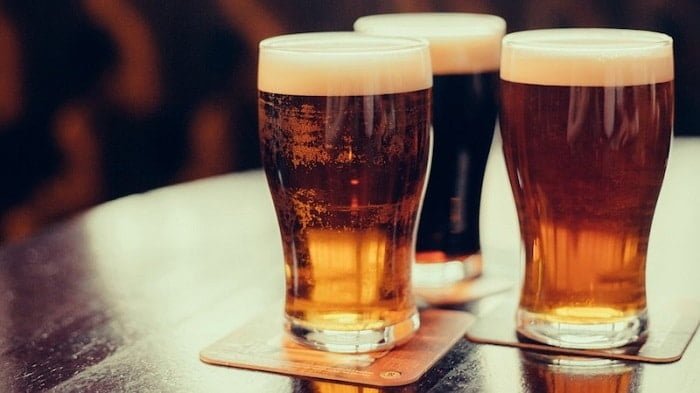
Some adults with diabetes can drink beer occasionally, but beer and diabetes require planning because beer can raise glucose first and alcohol can lower it later. The early rise comes from carbohydrate. The later drop can happen because the liver prioritizes alcohol metabolism over releasing stored glucose. This delayed hypoglycemia risk matters most for people who use insulin or medicines that can cause low blood sugar.
The safest answer is individual. Your diabetes type, medication plan, recent meals, activity, glucose patterns, liver health, kidney health, and pregnancy status all matter. This article explains the main risks and practical discussion points. It does not create a personal drinking plan.
Key Takeaways
- Beer contains carbohydrate, so it may raise blood sugar soon after drinking.
- Alcohol can increase delayed hypoglycemia risk, including overnight.
- Light or lower-carb beer is not automatically safer for every person.
- Food, glucose checks, hydration, and medication context matter more than labels alone.
- Ask your clinician how alcohol fits your diabetes treatment plan.
How Beer and Diabetes Affect Blood Sugar
Beer affects blood sugar in two main ways: carbohydrate can raise glucose, while alcohol can later reduce the liver’s glucose release. This combination makes readings harder to predict than with many ordinary foods.
Beer contains carbohydrate from grains and fermentation byproducts. The amount varies by serving size, alcohol by volume, recipe style, and added flavourings. A small glass of one beer may not match the carbohydrate or alcohol exposure of the same glass of another beer.
Alcohol adds a separate concern. The liver normally helps maintain glucose between meals and overnight. When alcohol is present, the liver gives priority to processing it. That can reduce its ability to release stored glucose, especially when food intake is low or glucose-lowering medication is active.
Many readers ask, can diabetics drink beer? Some adults can include beer occasionally, but the decision should be individualized. It is more complex for people who use insulin, sulfonylureas, or meglitinides, because these medicines can cause hypoglycemia (low blood sugar). It also deserves extra caution after exercise, during illness, or after missed meals.
Why it matters: Symptoms of low blood sugar can look like intoxication.
Type 1 diabetes often needs more planning because insulin dosing, food intake, and activity all interact with alcohol. Type 2 diabetes can also involve serious risk, especially when medications increase hypoglycemia risk. For broader education on alcohol-related glucose issues, see Diabetes Alcohol Consumption.
Reading Beer Labels Without Guessing
The most useful label details are serving size, total carbohydrate, alcohol by volume, and added sugars or flavourings. These details help you understand both the early glucose effect and the later alcohol-related risk.
With beer and diabetes, the word light can be useful but incomplete. A light beer may contain fewer carbohydrates than a regular version, but it still contains alcohol. A high-alcohol craft beer may contribute more alcohol per serving, even if the glass looks similar. Sweet stouts, fruit beers, hard ciders, and malt beverages may contain more carbohydrate than expected.
Non-alcoholic beer also needs label reading. Some versions contain little or no alcohol, but they may still contain carbohydrates. Some products labelled non-alcoholic can contain a small amount of alcohol depending on local rules and manufacturing. If you avoid alcohol completely for medical, pregnancy, recovery, religious, or personal reasons, check the label carefully.
There is no single best beer for diabetics. A lower-carb beer may reduce one glucose-related variable, but it does not remove alcohol-related hypoglycemia risk. If you compare options, focus on the full context: portion, carbohydrate, alcohol strength, food, medication, and your usual glucose response.
This calculator can help translate total carbohydrate into estimated carb servings for general meal-planning discussions. It does not decide whether beer is safe for you.
Carb Serving Calculator
Convert total carbohydrate grams into carb choices for meal planning and diabetes education.
These calculations are for education only and do not replace clinical advice, diagnosis, or treatment. Always confirm medical decisions with a qualified healthcare professional.
If carb counting is part of your care plan, ask your diabetes clinician how to account for alcoholic drinks. Some people should not adjust insulin for alcohol-containing beverages without specific guidance, because the later low-glucose risk can differ from a regular carbohydrate-containing food. For general carbohydrate basics, Carbs And Diabetes explains how carbohydrate can affect glucose planning.
Practical Drinking Principles to Discuss Beforehand
A safer plan starts before the first drink. You need a realistic idea of your starting glucose, whether you have eaten, what medicine is active, and how you will monitor later.
General planning points to discuss with your care team include:
- Check first: Know your glucose before drinking.
- Eat with alcohol: Avoid drinking on an empty stomach.
- Pace the drink: Sip slowly and avoid rapid intake.
- Carry glucose: Keep fast-acting carbohydrate available.
- Wear identification: Medical ID can help in an emergency.
- Plan the ride: Do not drive after drinking.
- Check later: Bedtime and overnight risk may matter.
The so-called 1/2/3 rule for drinking is not a single formal diabetes guideline. Different sources use the phrase differently. Treat it as a reminder to set limits and check glucose, not as a medical rule that makes alcohol safe. Your clinician’s instructions should take priority.
The 3-hour rule is also not one universal diabetes standard. Some people use a three-hour checkpoint after drinking, but delayed hypoglycemia can occur beyond that window, including overnight. A single check may not be enough for people at higher risk.
Continuous glucose monitors can help show trends, but they do not replace judgment. Fingerstick confirmation may still be needed when symptoms do not match sensor readings, when readings are changing quickly, or when your diabetes team has advised confirmation. If you are comparing monitoring options, the Dexcom G7 Sensor page provides product-specific navigation, while meter pages such as Contour Next Meter can help readers review device details.
Medication and Health Factors That Change Risk
The risk profile for beer and diabetes changes when medications enter the picture. Insulin and some insulin-releasing pills can raise hypoglycemia risk. Alcohol can make that risk less predictable because the liver is busy breaking down alcohol.
Never skip, add, or change medication doses because of alcohol unless your clinician has given you a plan. This is especially important if you have a history of severe lows, hypoglycemia unawareness, or large glucose swings after exercise.
Sulfonylureas and meglitinides deserve special caution because they can cause low blood sugar. Metformin is not usually associated with hypoglycemia by itself, but heavy alcohol use can increase concern about lactic acidosis, a rare but serious metabolic complication. SGLT2 inhibitors can affect hydration and ketone risk, particularly during illness or reduced food intake. GLP-1 medicines may worsen nausea or stomach upset for some people when alcohol is added.
Some health situations make alcohol more concerning. These include pregnancy, liver disease, pancreatitis history, severe kidney disease, frequent hypoglycemia, hypoglycemia unawareness, eating disorders, or a history of alcohol use disorder. If any of these apply, get individualized medical advice before drinking.
People who use insulin should also discuss rescue planning with their care team. For a plain-language review of symptoms and response steps, see How To Manage Hypoglycemia. If you are reviewing diabetes supplies more broadly, the Diabetes Product Category offers a browseable product collection, not a substitute for clinical guidance.
Food, Carbs, and Beer Timing
Food can reduce some risk by providing carbohydrate and slowing alcohol absorption. That does not mean beer should replace a meal or planned snack.
A mixed meal with carbohydrate, protein, fat, and fibre may support a steadier glucose pattern than drinking without food. The exact choice depends on your treatment plan and usual response. If you are unsure how much carbohydrate to include, ask a registered dietitian or certified diabetes educator.
High-sugar mixers are not usually part of beer, but flavoured beer, hard cider, and malt beverages can contain added sugar. Food labels and menus may not show all details. When information is missing, smaller portions and closer monitoring may reduce uncertainty. Skipping the drink is reasonable when you cannot estimate safely.
People often search for low carb beer and diabetes because they want a clearer choice. Low carb should not become the only decision point. A lower-carb beer may lead to less early glucose rise, while alcohol can still increase delayed low risk. Alcohol calories can also affect appetite and weight goals, which may matter for some type 2 diabetes care plans.
Beer vs wine for diabetes is also not a simple ranking. Dry wine often contains less carbohydrate than many beers, but it still contains alcohol. Spirits without sugary mixers may contain little carbohydrate, yet alcohol-related hypoglycemia remains possible. For a broader review of drink choices, Diabetic Drinks And Alcohol covers related considerations.
Type 1, Type 2, and Overnight Low Blood Sugar
Delayed hypoglycemia is one of the main concerns with alcohol and diabetes. It can occur because the liver’s glucose-release function is reduced while alcohol is being processed.
For type 1 diabetes, this can be especially important overnight. Basal insulin keeps working, food may already be digested, and alcohol can blunt the liver’s backup response. Exercise earlier in the day can increase the risk further because muscles may take up more glucose while the body restores energy stores.
For type 2 diabetes, the risk depends heavily on the treatment plan. People using insulin, sulfonylureas, or meglitinides need particular caution. People not using low-causing medications may still see glucose swings, appetite changes, dehydration, or higher readings from beer carbohydrates and late-night food.
Glucose trends after beer can differ from person to person. One person may see an early rise. Another may see a modest rise followed by a late drop. A third may see high readings because of food choices, illness, stress, or reduced activity. Pattern tracking is useful only when discussed in the context of a complete care plan.
Quick tip: Write down the drink, food, activity, and later glucose pattern.
Alcohol may also affect insulin sensitivity and other metabolic factors. For deeper background, Alcohol And Insulin Resistance explains that topic in more detail.
When Beer May Not Be Worth the Risk
Sometimes the safer choice is to avoid alcohol. Do not drink if you are pregnant, under the legal drinking age, preparing to drive, or taking a medication that should not be mixed with alcohol. Avoid alcohol during illness, vomiting, dehydration, or when you cannot eat reliably.
Alcohol is also risky when glucose is already low or dropping. It can make judgment worse and delay treatment. If you have repeated unexplained lows, severe lows, or hypoglycemia unawareness, review alcohol use with your clinician before drinking again.
High readings also need context. Beer can raise blood sugar at first, but simply taking extra medicine without guidance can be unsafe because alcohol may lower glucose later. If you have type 1 diabetes, ketones, vomiting, or symptoms of diabetic ketoacidosis, follow your sick-day plan and seek urgent care when advised.
Get urgent help if someone with diabetes becomes confused, cannot swallow safely, has a seizure, loses consciousness, has repeated vomiting, shows signs of severe dehydration, or has symptoms of ketoacidosis such as deep rapid breathing, abdominal pain, or fruity-smelling breath. Friends may mistake these signs for intoxication, so medical identification can be important.
How to Make the Clinician Conversation Useful
A short, specific conversation is often more helpful than asking whether beer is allowed. Bring details about your medications, usual glucose range, low-glucose history, exercise habits, and the type of beer you are considering.
Useful questions include whether your medicines increase hypoglycemia risk, whether bedtime checks are enough, whether a snack is recommended, and what to do if glucose is high after drinking. If you use a CGM, ask how to handle alarms and when to confirm with a meter.
If you are comparing diabetes education and navigation resources, the Diabetes Articles category groups related reading. The Diabetes Condition Hub is a browseable condition page for related products and should not replace clinician guidance about alcohol, dosing, or safety planning.
A practical approach to beer and diabetes is not about finding a perfect drink. It is about understanding the early carb effect, the delayed alcohol effect, and the personal factors that change risk. For many people, the safest next step is a direct discussion with the clinician who knows their medication plan.
Authoritative Sources
- The American Diabetes Association alcohol guidance explains individualized safety concerns.
- The Diabetes UK alcohol resource discusses drink types and glucose effects.
- The NIAAA standard drink reference defines alcohol amounts in common drinks.
This content is for informational purposes only and is not a substitute for professional medical advice.


