

Pet Health Articles and Resources
Plain-language guides on medications, conditions and everyday care, to read before you talk with your prescriber or pharmacist.
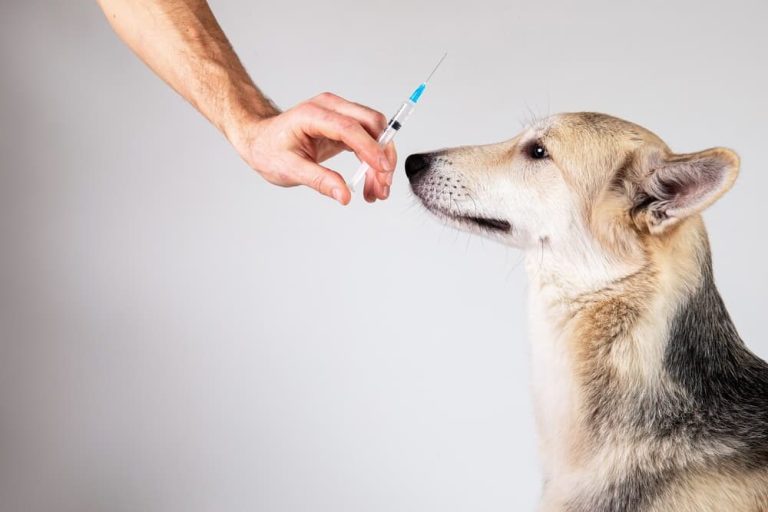
Insulin Shots for Dogs: Dosing, Sites, and Safety
Most dogs with diabetes need insulin shots for dogs every day, usually timed around meals and guided by a veterinarian. The goal…
Read more →
Hyperglycemia in Cats: Signs, Causes, and Monitoring
Hyperglycemia in cats means blood glucose, or blood sugar, is higher than expected and stays elevated long enough to matter. It most…
Read more →
Hyperglycemia in Dogs: A Practical Guide to Signs and Care
Dogs with diabetes or acute illness can develop hyperglycemia in dogs, a rise in blood glucose that stresses organs and fuels complications.…
Read more →
Diabetic Ketoacidosis in Dogs: Signs, Triggers, and Urgent Care
Diabetic ketoacidosis in dogs is a life-threatening diabetes emergency that needs prompt veterinary treatment, not home correction. It happens when the body…
Read more →
Lantus Insulin For Dogs: Dosing, Safety, and Practical Tips
Lantus insulin for dogs is used off-label to help manage canine diabetes. This guide explains practical dosing workflows, monitoring, injection techniques, and…
Read more →
Humulin N Insulin for Dogs Dosage: A Practical Vet Guide
Managing canine diabetes starts with clear principles around humulin n insulin for dogs dosage. This overview explains dosing concepts, monitoring basics, and…
Read more →
Humalog for Dogs: Safety, Risks, and Vet Monitoring
Humalog may be used in some dogs, but only when a veterinarian decides it fits a specific diabetes plan. Humalog is insulin…
Read more →
How to Give a Cat an Insulin Shot Safely at Home
Learning how to give a cat an insulin shot means giving a small subcutaneous injection, just under the skin, at the dose…
Read more →
Insulinoma in Dogs: Symptoms, Diagnosis, and Treatment
Insulinoma in dogs is an uncommon pancreatic tumor that releases too much insulin and pushes blood sugar dangerously low. That low blood…
Read more →
Hypoglycemia in Cats: Signs, Symptoms, and Treatment Guide
Key TakeawaysRecognize early signs fast to prevent severe neurologic complications.Confirm low glucose when possible, then act with safe first steps.Address underlying causes;…
Read more →
Lantus for Cats: Dosing, Glucose Curves, and Safe Use
If you searched for a Lantus for Cats: Dosing, Curves, and Safe Use Guide, the short answer is this: Lantus, or insulin…
Read more →
Low Blood Sugar in Dogs: Signs, Causes, and Safe Response
Low blood sugar in dogs means blood glucose has dropped below the level needed to fuel the brain and muscles. It can…
Read more →Pet care questions can move quickly from routine feeding to medication, insurance, or urgent symptoms. This category gathers pet health articles for owners and caregivers who want a clear starting point before they speak with a veterinary professional. Use it to sort reading by topic, compare related resources, and decide which page fits your next question.
The collection is built for browsing, not for diagnosis. Some connected resources on CanadianInsulin focus on diabetes, weight management, endocrine health, and medication literacy. Those topics can overlap with questions pet owners bring to a veterinarian, especially when an animal has a chronic condition or a medicine name sounds familiar.
How to Use These Pet Health Articles
Start with the question you need to answer, then choose the resource type that matches it. A symptom question needs different reading than a medication question or an insurance question. If your pet has new pain, breathing trouble, collapse, severe vomiting, seizures, or trouble urinating, contact a veterinarian or emergency clinic instead of relying on online reading.
For non-urgent browsing, use article titles and category labels to separate care basics from medication explainers. Many pages define terms in plain language, such as endocrine (hormone-related) conditions, glucose monitoring, appetite changes, and adverse effects. Keep notes on your pet’s species, age, weight, current medicines, and timing of symptoms before discussing what you read with a veterinary clinician.
What This Pet Health Archive Collects
You may find practical pet health information alongside human-health learning pages that define medicine classes, devices, and chronic-condition language. This mix is useful when you need vocabulary before a veterinary appointment, but it should not be used to choose a product, dose, or treatment plan for an animal.
- Care and warning-sign articles can help you organize questions before contacting a veterinary team.
- Medication literacy articles explain common terms, routes, side effects, and safety questions.
- Condition pages group related diabetes, weight, and endocrine topics for comparison.
- Product category links can help you recognize naming and format differences, not select animal treatment.
Use the archive as a map. It can help you decide whether you need basic background, a deeper medication explainer, or a condition-oriented page before you speak with your veterinarian.
Browse by Question Type
Pet owners often arrive with a practical question. The table below shows how to match a question to the right kind of page. It also shows where professional guidance matters most.
| Question area | Useful starting point | What to confirm |
|---|---|---|
| New symptoms or behavior changes | Care article or warning-sign overview | Urgency, examination needs, and testing |
| Chronic condition terms | Condition resource or related article archive | Diagnosis, monitoring plan, and follow-up timing |
| Medicines, devices, or formats | Medication explainer or product category | Species-specific safety and whether the term applies |
| Insurance or care costs | Insurance or access-focused article | Policy limits, exclusions, and local care options |
Medication and Condition Reading
Medication terms can be confusing because many drug classes appear in both human and veterinary discussions. Diabetes Articles and Type 2 Diabetes Articles can help you recognize glucose, insulin, and monitoring language before asking a veterinarian how it applies to an animal. For device language, Insulin Pen vs Syringe explains common format differences at a general level.
Endocrine topics can also overlap with weight, thyroid, or hormone-related questions. Browse Weight Management Articles for lifestyle terminology and Endocrine and Thyroid Articles for hormone-related explainers. If your search involves diabetes in a condition-focused layout, Type 1 Diabetes Condition Page organizes related listings differently than an article archive.
For medicine class language, GLP-1 Explainer defines a term that appears in many metabolic discussions. Use these related pages for vocabulary only unless a veterinarian says a topic is relevant to your pet.
For prescription-related topics, CanadianInsulin.com may help confirm prescription details with the prescriber when required. Dispensing is handled by licensed third-party pharmacies where permitted. These process details do not replace veterinary prescribing decisions or species-specific safety checks.
Safety Signals and When Reading Is Not Enough
Animals may hide discomfort. Silent pain can show as withdrawal, appetite loss, pacing, hiding, licking one area, posture changes, or reduced activity. These signs are not diagnostic, but they are worth documenting. Online articles can help you describe changes; they cannot confirm the cause.
An online veterinary resource may help you prepare questions or decide whether a problem seems urgent. It may not be enough for urinary symptoms, wounds, suspected poisoning, breathing issues, or sudden neurologic changes, because diagnosis often requires an examination, imaging, or lab testing.
Quick tip: Save a brief timeline of symptoms, appetite, water intake, medications, and stool or urine changes.
Insurance, Costs, and Access Questions
Pet health insurance pages usually differ from medical-care articles. Insurance reading should help you understand policy terms, not decide whether a pet needs care. Compare waiting periods, exclusions, pre-existing condition rules, annual limits, deductibles, reimbursement percentages, and emergency coverage language before relying on a plan description.
If you cannot afford a veterinary visit, look for local humane societies, veterinary school programs, nonprofit funds, payment-plan discussions, or community clinics. Availability varies by area, and online resources cannot guarantee financial help. For urgent symptoms, ask a clinic how triage and estimate discussions work before delaying care.
Keep Your Browsing Organized
Good browsing starts with a clear question. Use one page for background, one for medication vocabulary, and one for condition comparison. Avoid stacking many articles until you know whether your concern is routine, urgent, financial, or follow-up care.
- Write down your pet’s species, breed, age, weight, and known diagnoses.
- List current medicines, supplements, foods, and any recent changes.
- Separate urgent symptoms from research questions and insurance questions.
- Bring article notes to your veterinary team rather than changing care at home.
Why it matters: A clear question helps your veterinarian respond to the right concern faster.
Choosing the Right Next Page
The most useful pet health articles help you narrow a question before you ask for clinical guidance. Keep product pages and human-health medication articles in their proper lane. They can explain language, but they do not define safe care for a pet.
When you finish browsing, save the pages that match your question and prepare a concise note for your veterinary team. Clear notes make follow-up easier and reduce the chance of mixing routine reading with urgent care needs.
This content is for informational purposes only and is not a substitute for professional medical advice.
This content is for informational purposes only and is not a substitute for professional medical advice.
Frequently asked questions
About reading the Pet Health archive.
Where should I start in this pet health archive?
Start with the reason you searched: symptom, medication term, chronic condition, insurance, or follow-up care. Symptom changes and urgent signs belong in veterinary triage, not extended reading. For non-urgent questions, choose one article, write down what you need to clarify, and compare only closely related pages so the information stays usable.
Can online resources diagnose a pet health problem?
No. Online resources can help you understand terms and prepare details, but diagnosis often requires a veterinary exam, history, and sometimes lab tests or imaging. Urinary problems, breathing changes, poisoning concerns, seizures, collapse, and severe pain can be urgent. A veterinarian should decide the right assessment for an individual animal.
How are pet health articles different from medication product pages?
Articles explain topics, vocabulary, warning signs, and questions to raise with a veterinary professional. Product pages describe specific medicines or formats and should not be used to choose treatment for an animal. If a product name sounds familiar, treat it as a term to discuss, not as proof that it is appropriate for your pet.
How should I compare pet health insurance information?
Compare policy structure before comparing plan labels. Check waiting periods, exclusions, pre-existing condition rules, deductibles, reimbursement percentages, annual limits, wellness coverage, and emergency-care language. Insurance information can help with planning, but it does not decide whether a pet needs care. A veterinary clinic can explain estimates and triage steps for a specific situation.
Browse by medical condition
Products and reading lists grouped by condition, from A to Z.
All medical conditions →Looking for a medication?
Prices in USD, shown before you pay. Prescription required.
Shop all medications →The contents of CanadianInsulin.com are for informational purposes only and should not be considered medical advice. We do not guarantee the accuracy of the content on CanadianInsulin.com, nor do we assume any responsibility for any actions taken using the information found on our website. Always consult with your family physician or a qualified health care provider about any health or medical concerns.