

Endocrine & Thyroid Articles and Resources
Plain-language guides on medications, conditions and everyday care, to read before you talk with your prescriber or pharmacist.
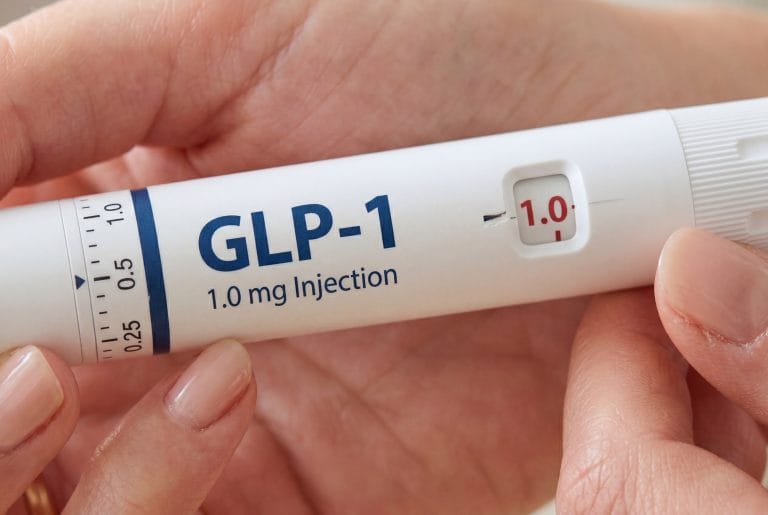
What Is Glucagon Like Peptide 1? Functions After Meals
What is glucagon like peptide 1? It is a natural gut hormone, often shortened to GLP-1, that your body releases after eating.…
Read more →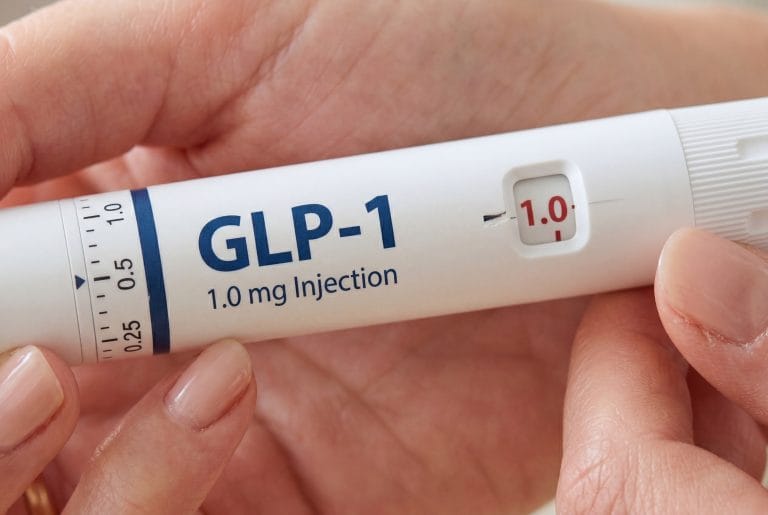
What Is Glucagon Like Peptide 1 and Why Does It Matter?
If you've asked what is glucagon like peptide 1, the short answer is that it is a hormone your intestines release after…
Read more →
GLP-1 Weight Loss Drugs: Appetite, Safety, and Options
GLP-1 weight loss drugs may help obesity rates fall because they target appetite biology, not only willpower. They can reduce hunger, increase…
Read more →
Diet and Weight Loss With GLP-1 Medications: Food, Fiber, and Safety
Diet and weight loss with GLP-1 medications works best when lower appetite is paired with steady nutrition, not extreme restriction. These medicines…
Read more →
How Does Retatrutide Work? Appetite and Metabolism
The question 'how does Retatrutide work' has a short answer: retatrutide is being studied as a triple receptor agonist that activates GLP-1,…
Read more →
How Saxenda Works for Weight Loss: What to Expect
If you are evaluating prescription options for weight management, understanding how Saxenda works for weight loss can help set realistic expectations. This…
Read more →
GLP-1 and Alcohol: Safety, Cravings, and Warning Signs
You can sometimes drink alcohol while using a GLP-1 medicine, but the combination deserves caution. GLP-1 and alcohol can overlap in ways…
Read more →
Glucagonoma Causes, Symptoms, and Treatment: A Practical Guide
Key TakeawaysRare tumor origin: Most tumors arise from pancreatic alpha cells and secrete excess glucagon.Skin clue: A painful red rash called necrolytic…
Read more →
Ozempic for PCOS: Safety, Evidence, and Care Decisions
Ozempic for PCOS may help some people address weight and insulin resistance, but it is not approved specifically to treat polycystic ovary…
Read more →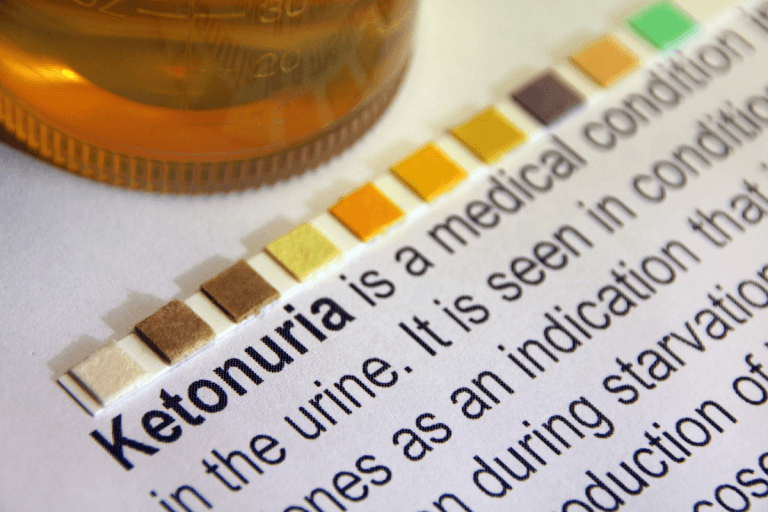
Ketonuria Explained: What It Is, Causes, and Safe Levels
Ketonuria means ketone bodies are present in urine, which signals the body is using fat for energy. Small amounts can occur with…
Read more →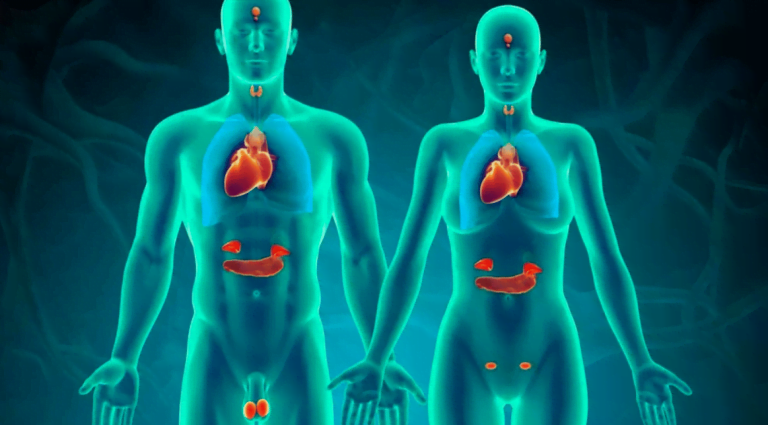
Diabetes and Endocrine System: Hormones, Glands, and Care
Diabetes and endocrine system function are closely linked because diabetes begins with hormone regulation. The pancreas, brain, liver, gut, thyroid, and adrenal…
Read more →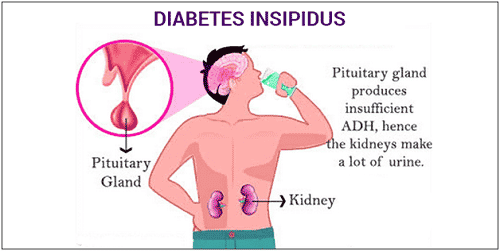
Central Diabetes Insipidus: Causes, Testing, and Ongoing Care
Central diabetes insipidus is a rare disorder caused by too little vasopressin, also called antidiuretic hormone (ADH), from the hypothalamus or posterior…
Read more →This archive brings endocrine and thyroid articles into one browseable place for patients, caregivers, and readers. Use it to sort hormone-system topics, thyroid condition questions, diabetes links, and medication-safety explainers before opening a more focused page. The collection is educational, so it helps you choose the right next resource without turning browsing into a medical decision.
How to browse endocrine and thyroid articles
The endocrine system is the network of glands that make hormones. The thyroid is one of those glands, and thyroid gland hormones help regulate metabolism, energy use, and several body rhythms. In this archive, those basics sit beside diabetes education because the pancreas, insulin, and blood sugar control also involve endocrine glands and hormones.
Start with the question you are trying to answer. If you want hormone-system background, Diabetes and Endocrine System gives a useful path into endocrine diseases information. If you are sorting insulin basics, The Main Role of Insulin focuses on insulin in plain language.
Topic paths you can compare before reading
Articles in this archive vary by depth and purpose. Some define terms, some explain symptoms, and others connect conditions with medication-safety questions. Use the table to choose a reading path before moving into specific posts, condition pages, or product categories.
| Reading path | Useful when you want | Starting point |
|---|---|---|
| Blood sugar terms | A plain-language explanation of dysglycemia (blood sugar outside the usual range). | What Is Dysglycemia |
| Diabetes types | A way to separate type 1, type 2, and less common diabetes topics. | Different Types of Diabetes |
| Thyroid condition browsing | A condition-aligned route for hypothyroidism (underactive thyroid) resources. | Hypothyroidism |
| Pet endocrine content | A separate path when animal-health articles appear in related results. | Pet Health Articles |
Using symptom and condition resources carefully
Thyroid symptoms can be broad. Fatigue, weight change, mood changes, temperature sensitivity, and heart-rate changes may have many causes. This page can help you locate thyroid health articles and related condition pages, but it cannot tell whether a symptom is caused by thyroid hormone imbalance.
Hyperthyroidism (overactive thyroid), thyroid nodules, and other thyroid conditions need careful clinical review. Keep symptom lists as preparation for a conversation, not as a diagnosis checklist. If symptoms are new, severe, or changing, a healthcare professional can help decide what testing or follow-up is appropriate.
Quick tip: Write down symptoms, timing, medicines, and supplements before contacting a clinician.
Medication and product categories connected to endocrine care
Some readers move from education into product-category browsing. Keep those tasks separate. Articles explain terms and common questions; product lists help compare names, forms, or classes when a medication has already been discussed with a healthcare professional.
The Endocrine and Thyroid Products category may be useful for thyroid-related product browsing. Diabetes medication lists sit in Diabetes Medications and Non-Insulin Diabetes Medications. These pages should not be used to choose a treatment, dose, or substitution on your own.
When a product page is involved, CanadianInsulin.com works as a prescription referral platform. Where permitted, licensed third-party pharmacies handle dispensing, and prescription details may be checked with the prescriber when required.
Safety questions that need extra context
Some search questions need more caution than an article archive can provide. GLP-1 medicines (glucagon-like peptide-1 receptor agonists), thyroid cancer history, pregnancy, heart symptoms, and supplements can change the risk discussion. Questions about supplements, including L-theanine, also belong in that review.
Use thyroid treatment information, thyroid medication safety notes, and endocrine-system explainers as background. Do not change, stop, or combine medicines based only on an article. The safest browsing approach is to collect reliable questions, then bring them to a professional who knows your records.
Related archives for deeper browsing
If your question is mainly about diabetes, Diabetes Articles groups broader education. Use Type 1 Diabetes Articles for insulin-focused reading paths and Type 2 Diabetes Articles for insulin resistance, non-insulin medications, and metabolic topics.
Choose the page that best matches your current task: learning a term, comparing article topics, checking a condition path, or separating education from product browsing. This archive works best as a starting point for organized reading and better questions.
This content is for informational purposes only and is not a substitute for professional medical advice.
This content is for informational purposes only and is not a substitute for professional medical advice.
Frequently asked questions
About reading the Endocrine & Thyroid archive.
Where should I start in this category?
Start with the article or resource type that matches your question. Use endocrine-system explainers for hormone basics, diabetes articles for insulin and blood sugar topics, and condition pages for thyroid-specific browsing. If your question involves symptoms, testing, pregnancy, heart symptoms, or medication changes, treat the content as preparation for a clinical discussion rather than a decision tool.
How are articles different from product categories?
Articles explain terms, conditions, symptoms, and safety questions in an educational format. Product categories are for browsing medication or supply listings by class, form, or related condition. They serve different jobs. An article may help you understand vocabulary, while a product page or category should be reviewed only in the context of advice from a qualified healthcare professional.
Can these resources explain thyroid symptoms?
They can help you understand common thyroid symptom language and related concepts, such as thyroid function or hormone imbalance. They cannot determine the cause of symptoms. Many thyroid symptoms overlap with other conditions, medicines, stress, sleep problems, and nutritional issues. A clinician can decide whether thyroid testing, follow-up, or another evaluation is needed.
What medication safety questions should I keep separate from browsing?
Keep dose changes, substitutions, missed doses, side effects, pregnancy questions, supplement use, and GLP-1 or thyroid-risk concerns separate from casual browsing. These questions depend on your medical history and current medicines. Use articles to prepare clear questions, then confirm the next step with a prescriber or pharmacist before making any medication change.
Browse by medical condition
Products and reading lists grouped by condition, from A to Z.
All medical conditions →Looking for a medication?
Prices in USD, shown before you pay. Prescription required.
Shop all medications →The contents of CanadianInsulin.com are for informational purposes only and should not be considered medical advice. We do not guarantee the accuracy of the content on CanadianInsulin.com, nor do we assume any responsibility for any actions taken using the information found on our website. Always consult with your family physician or a qualified health care provider about any health or medical concerns.