


Metformin and asthma research suggests that some people with asthma and type 2 diabetes may have fewer severe asthma attacks while using metformin. This is an association, not proof that metformin treats asthma. It also does not mean diabetes medicines should replace inhalers, written asthma action plans, or clinician-led asthma care.
Why this matters: asthma, diabetes, body weight, steroid treatment, and inflammation often overlap. A person managing both conditions may need a plan that protects breathing while also keeping glucose as stable as possible.
Key Takeaways
- Research signal: Metformin use has been linked with fewer asthma-related emergency visits and hospitalizations in some diabetes populations.
- Not asthma therapy: Metformin and GLP-1 receptor agonists are not approved asthma treatments.
- Diabetes overlap: Asthma flares and steroid bursts can raise blood sugar and complicate diabetes care.
- Safety first: New or severe breathing trouble needs urgent assessment, especially with weakness, vomiting, or confusion.
- Care coordination: Asthma and diabetes plans should be reviewed together after attacks or medication changes.
What Metformin and Asthma Research Actually Shows
The strongest current message is cautious: metformin may be associated with fewer severe asthma exacerbations in adults who also have diabetes. Exacerbations are asthma attacks or flare-ups that need urgent treatment, emergency care, or hospitalization. Several large database studies have found this pattern, but those studies cannot prove that metformin directly prevents attacks.
Observational research compares what happened to people in real-world health records. That design can include large numbers of patients, which is useful. It can also miss important differences between groups, such as smoking history, asthma severity, weight changes, medication adherence, or access to care. Researchers try to adjust for these factors, but some uncertainty remains.
The Metformin and asthma question is best framed as a metabolic-health signal. Asthma is an airway disease, but it can be influenced by systemic inflammation, insulin resistance, excess weight, and immune signaling. Metformin is used mainly in type 2 diabetes because it helps improve glucose handling. It may also affect inflammatory pathways, but that does not make it a rescue inhaler, controller inhaler, or asthma prevention medicine.
For broader background on the medicine itself, see this Metformin Overview. Readers interested in inflammation research can also review Metformin And Inflammation.
Why it matters: A research association can guide questions, but it should not drive self-treatment.
Do Diabetes Medications Help Asthma?
Diabetes medicines may help explain asthma patterns in some people, but they are not asthma medicines. The evidence is strongest for research associations involving metformin and, to a lesser extent, GLP-1 receptor agonists. These findings mainly involve adults with type 2 diabetes, obesity, or related metabolic risk factors.
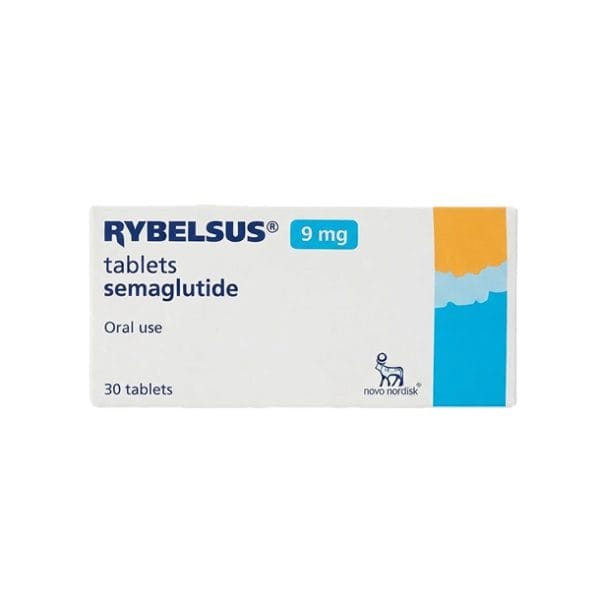
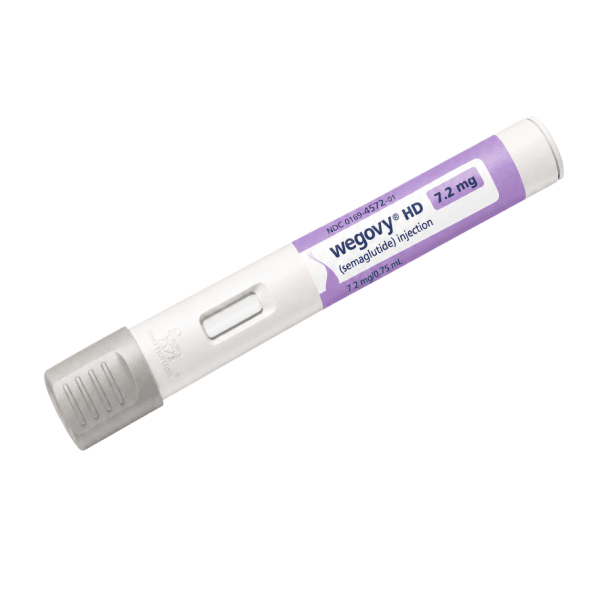
GLP-1 receptor agonists are a class of diabetes medicines that help regulate blood sugar. Some products also support weight management in eligible patients. Examples include semaglutide, liraglutide, and dulaglutide. Researchers are studying whether this class may be linked with fewer asthma attacks because weight, insulin resistance, and inflammation can influence asthma control.
Several explanations are possible. Weight loss can improve breathing mechanics for some people with asthma and obesity. Better glucose patterns may reduce systemic stress during illness. GLP-1 receptor signaling may also affect inflammatory pathways, although that remains an active research area. These ideas are plausible, but they are not the same as proving that the drugs prevent asthma attacks for everyone.
People comparing diabetes medicine classes can read more about Semaglutide Vs Metformin or Rybelsus And Metformin. Product-specific decisions should still consider the person’s diagnosis, kidney function, gastrointestinal side effects, pregnancy plans, other medicines, and diabetes goals.
Why Asthma and Type 2 Diabetes Can Overlap
Asthma and type 2 diabetes can overlap because both conditions may involve inflammation, weight-related strain, and medication effects. This does not mean one condition causes the other in every person. It means the same patient may have several factors affecting breathing and glucose at once.
Excess body weight can make asthma harder to assess. Shortness of breath may come from airway narrowing, deconditioning, sleep apnea, heart disease, anxiety, or several causes together. Insulin resistance may also occur alongside chronic low-grade inflammation. In that setting, asthma symptoms can be harder to separate from other causes of breathlessness.
Asthma treatment can affect glucose too. Severe attacks increase stress hormones. Oral or injected corticosteroids can raise blood sugar, sometimes sharply. Reduced appetite during illness can also alter glucose patterns, especially in people using insulin or medicines that can cause hypoglycemia. This is why asthma and diabetes treatment should not be managed in separate silos.
Most Metformin and asthma studies focus on adults with type 2 diabetes. The findings should not be automatically applied to children, pregnancy, people without diabetes, or people with type 1 diabetes. Those groups may have different risks, monitoring needs, and medication choices. For broader context, the Diabetes Articles collection and the Diabetes Condition page may help readers navigate related topics.
Asthma Treatment When You Also Have Diabetes
Asthma care still depends on controlling airway inflammation and having the right reliever plan. Diabetes changes the monitoring conversation, not the need for evidence-based asthma treatment. Poorly controlled asthma can lead to emergency visits, missed sleep, reduced activity, and repeated steroid exposure.
Some people ask whether asthma inhalers raise blood sugar. Inhaled corticosteroids usually have less whole-body effect than oral steroids, but higher doses and long-term use may matter for some patients. Short-acting reliever inhalers can cause shakiness, nervousness, or a fast heartbeat. Those effects can feel similar to low blood sugar, so glucose checks may help separate symptoms.
Oral or injected corticosteroids are more likely to raise glucose, especially during significant flare treatment. That does not mean asthma therapy should be stopped. It means the care team may need to plan glucose monitoring, sick-day instructions, and medication adjustments when steroids are used. People using insulin or sulfonylureas may need especially clear sick-day guidance because illness and food intake can change quickly.
There is no single best asthma inhaler for diabetes. The right inhaler depends on asthma severity, symptoms, lung function, flare history, inhaler technique, and the written action plan. Some readers may also want to browse the Respiratory Articles collection or the Respiratory Products category for navigation, not as a substitute for clinical guidance.
Using Peak Flow Numbers Safely
Some asthma action plans use peak expiratory flow, often called peak flow, to estimate how well air moves out of the lungs. If your clinician has given you a personal best value, a zone calculator can help organize general green, yellow, and red ranges. It does not diagnose an attack or replace your action plan.
Peak Flow Zone Calculator
Calculate asthma peak-flow zones from personal best and current peak flow.
These calculations are for education only and do not replace clinical advice, diagnosis, or treatment. Always confirm medical decisions with a qualified healthcare professional.
Quick tip: Bring inhalers, spacers, and glucose logs to follow-up visits after flares.
Can Metformin Trigger Asthma or Breathing Problems?
Metformin is not generally known as a common asthma trigger. If wheezing, chest tightness, or shortness of breath appears after starting any medicine, several possibilities need consideration. These include asthma flare, infection, allergy, heart or lung disease, anxiety, or another medication effect.
Common metformin side effects include nausea, diarrhea, stomach discomfort, and reduced appetite, especially after starting treatment or changing the dose. Long-term use can be associated with low vitamin B12 levels in some people. Kidney function matters because reduced clearance can increase the risk of rare but serious lactic acidosis, a buildup of acid in the blood.
Breathing difficulty needs urgent assessment when it occurs with severe weakness, unusual sleepiness, abdominal pain, vomiting, feeling cold, dizziness, or a slow or irregular heartbeat. These symptoms are not typical asthma symptoms alone. Sudden swelling of the lips, tongue, or throat; severe wheezing; faintness; blue lips; confusion; or rapidly worsening shortness of breath should also be treated as urgent.
The Metformin and asthma research signal should not distract from standard medication safety. Tell your clinician about kidney disease, liver disease, heart failure, heavy alcohol use, dehydration, severe infection, recent contrast imaging, pregnancy, and all current medicines. For access context, CanadianInsulin.com works as a prescription referral platform, and prescription details may be checked with the prescriber where required. Dispensing is handled by licensed third-party pharmacies where permitted.
People who want general product context can review the Metformin page. That page should not be used to decide whether metformin is clinically appropriate for asthma-related reasons.
Medicines and Triggers to Review With Asthma
Some medicines can worsen breathing in certain people with asthma. This does not mean every person with asthma must avoid them. It means the medication history should be specific, especially after a new cough, wheeze, or unexplained flare.
- Nonselective beta-blockers: Some tablets and eye drops can trigger bronchospasm in susceptible people.
- Aspirin or NSAIDs: These can worsen asthma in aspirin-exacerbated respiratory disease.
- ACE inhibitors: These blood pressure medicines can cause cough that mimics asthma symptoms.
- Oral steroids: These may be necessary for flares but can raise blood sugar.
- New medicines: Any new symptom after a medication change deserves review.
Do not stop heart, blood pressure, pain, asthma, or diabetes medicines without medical guidance. A clinician may choose a safer alternative, adjust monitoring, or confirm whether symptoms are truly asthma-related. This is especially important when several conditions are being treated at once.
Some asthma plans mention a 4-4-4 approach for quick-relief inhaler use: four puffs, four breaths per puff, then waiting four minutes before reassessing. Exact instructions vary by country, age, inhaler device, spacer use, and the person’s written plan. Follow the instructions given by your clinician, and seek emergency care for severe symptoms or poor response to reliever medicine.
Questions to Bring to Your Next Appointment
The practical next step is not to ask whether a diabetes medicine can replace asthma therapy. A better question is whether both conditions are being managed as one coordinated plan. That review is especially useful after an asthma attack, a steroid burst, a diabetes medicine change, or repeated high or low glucose readings.
- Asthma pattern: Ask whether symptoms suggest poor control or another diagnosis.
- Glucose pattern: Bring readings from flare days and steroid days.
- Medication fit: Review kidney function, side effects, and dehydration risk.
- Inhaler technique: Confirm spacer use, timing, and reliever steps.
- Weight and sleep: Discuss obesity, sleep apnea, and activity limits if relevant.
- Research relevance: Ask whether findings apply to your diabetes type and history.
If medication access is part of the discussion, some patients explore cash-pay options and cross-border fulfilment depending on eligibility and jurisdiction. That access conversation is separate from deciding whether a medicine is medically suitable.
Readers who want related diabetes treatment context can browse the Diabetes Products category. For a broader discussion of off-label interest in metformin, see Metformin Benefits.
Authoritative Sources
- JAMA Internal Medicine analysis of antidiabetic medication and asthma attacks
- NHLBI asthma information for symptoms, treatment, and action plans
- DailyMed metformin labels covering warnings and adverse effects
Metformin and asthma studies may eventually clarify how metabolic health affects airway disease. For now, they are best used as a careful conversation starter. Keep asthma medicines, diabetes medicines, and safety monitoring connected through your healthcare team.
This content is for informational purposes only and is not a substitute for professional medical advice.