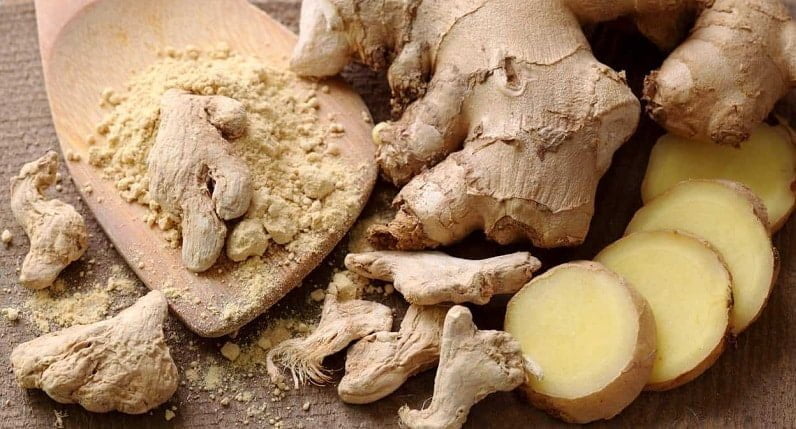
Ginger may have small blood glucose benefits for some people with diabetes, but it should not replace prescribed treatment, nutrition therapy, or glucose monitoring. The evidence on ginger and diabetes is mixed because studies use different forms, doses, and durations. Culinary ginger and mild unsweetened tea are usually lower-risk than concentrated capsules, but safety depends on your medications, bleeding risk, stomach tolerance, pregnancy status, and other conditions.
Key Takeaways
- Evidence is modest: Some trials show small changes in fasting glucose or A1C.
- Form matters: Food and tea differ from high-dose extracts.
- Safety varies: Bleeding risk, reflux, gallstones, and pregnancy need caution.
- Monitoring helps: Track readings after adding ginger to your routine.
- Care still leads: Ginger is an adjunct, not diabetes treatment.
What the Evidence Says About Ginger and Diabetes
Research suggests ginger may modestly affect glucose metabolism, especially in adults with type 2 diabetes, but results are not consistent enough to treat it as a stand-alone therapy. Some clinical trials and reviews report improvements in fasting blood glucose, A1C, insulin resistance markers, or inflammation. Other studies show smaller or unclear effects. Differences in ginger powder, extracts, capsules, diet background, and study length make comparisons difficult.
Why this matters: diabetes management depends on patterns over time, not one food or spice. A small average improvement in a study may not translate into a meaningful change for every person. Your response can differ based on medication use, meals, activity, sleep, weight changes, and baseline glucose levels.
Ginger contains compounds such as gingerols and shogaols. In lab and animal studies, these compounds may influence glucose transport, oxidative stress, inflammation, and insulin signalling. Human evidence is more important for decision-making, and it remains cautious. For related plant-compound context, our overview of Turmeric and Diabetes discusses another spice often studied for metabolic effects.
The most practical interpretation is simple. Ginger may support a broader diabetes plan, but it should not be used to correct high readings quickly or to adjust medication doses without clinical guidance.
Does Ginger Lower Blood Sugar Quickly?
Ginger is not a reliable way to lower blood sugar quickly. If your glucose is high, follow the plan your healthcare team gave you for hyperglycemia (high blood sugar). Ginger tea or capsules should not be treated like insulin, prescribed diabetes medication, or urgent medical care.
Some readers ask how fast ginger lowers blood sugar after drinking tea. Current evidence does not support a predictable same-day effect. Studies usually evaluate changes over weeks, not minutes or hours. Even then, average changes are usually modest and can be masked by meal size, carbohydrate intake, stress, illness, or missed medication.
For tracking, focus on patterns. Check fasting glucose, before-meal readings, and two-hour post-meal readings if your care plan includes them. If you use continuous glucose monitoring, watch trends rather than reacting to one number. The converter below can help when readings appear in different units, such as mg/dL and mmol/L.
Quick tip: Keep your ginger routine unchanged for two weeks before judging trends.
Blood Glucose Unit Converter
Convert glucose readings between mg/dL and mmol/L without changing the clinical value.
These calculations are for education only and do not replace clinical advice, diagnosis, or treatment. Always confirm medical decisions with a qualified healthcare professional.
This tool only converts glucose units. It does not interpret results, diagnose problems, or replace advice from your diabetes clinician.
Ginger Tea, Food, Capsules, and Extracts
Ginger in food is usually the most conservative option because the amount is small and spread across meals. Fresh ginger, dried powder, and mild tea provide flavour without adding sugar. Capsules, tinctures, and concentrated extracts can deliver much higher exposure, and labels may not match the forms studied in clinical trials.
Ginger tea
Unsweetened ginger tea can fit many diabetes meal plans when it replaces sweet drinks. It may also help some people reduce evening snacking by providing a warm, low-calorie routine. The benefit comes mostly from the overall pattern, not from a guaranteed glucose-lowering action.
To prepare a simple tea, steep a few thin slices of fresh ginger in hot water for 5 to 10 minutes. Keep the infusion mild at first. Avoid honey, sugar, sweet syrups, or sweetened bottled versions because they can raise carbohydrate intake. Lemon can add flavour, but it may worsen reflux in some people.
Capsules and powders
Supplement capsules can be harder to evaluate. Products differ in ginger concentration, extraction method, added ingredients, and testing standards. Higher doses may increase heartburn, diarrhea, mouth irritation, or medication interaction concerns. If you already take several medications, ask a pharmacist or clinician before adding a ginger supplement.
If you compare spices, avoid stacking several new products at once. Our pieces on Cinnamon and Diabetes and Diabetes and Green Tea show why single-ingredient claims often need careful interpretation.
Who Should Be Cautious With Ginger?
Some people with diabetes can use food-level ginger safely, but others should be cautious or avoid concentrated forms. The main concerns include bleeding risk, stomach irritation, gallbladder problems, pregnancy considerations, and possible additive effects with glucose-lowering medication.
Ginger may increase bleeding tendency in some settings. This matters if you take warfarin, direct oral anticoagulants, antiplatelet drugs, or frequent high-dose nonsteroidal anti-inflammatory drugs. It also matters before surgery, dental procedures, or if you have a bleeding disorder. Do not stop blood thinners on your own; ask the prescriber how herbs and supplements fit your plan.
Digestive side effects are more common with stronger preparations. Ginger can trigger reflux, heartburn, gas, stomach upset, or diarrhea. People with gastroparesis (delayed stomach emptying), severe reflux, or frequent nausea from medications may need extra care. If you use GLP-1 receptor agonists or other medicines that can affect digestion, adding strong ginger products may make symptoms harder to interpret.
People with gallstones or gallbladder disease should ask a clinician before using concentrated ginger. Pregnancy also deserves caution, especially late pregnancy or high-dose supplements. Food amounts used in cooking are different from medicinal doses, but individual risk still matters.
Why it matters: A supplement can change risk even when the food seems harmless.
Medication Interactions and Home Monitoring
Ginger can potentially add to the effects of diabetes medications, although the size of this effect varies. This is most relevant if you use insulin, sulfonylureas, or other therapies that can cause hypoglycemia (low blood sugar). It may also matter if you have variable eating patterns, kidney disease, or recent medication changes.
Many people ask whether they can take ginger with metformin. Small culinary amounts are commonly tolerated, but concentrated supplements deserve a medication review. Metformin can cause digestive symptoms in some people, and ginger can also affect the stomach. If nausea, diarrhea, or poor appetite appear after adding ginger, stop the new product and discuss the pattern with your care team.
Use a simple tracking plan rather than guessing. Record the ginger form, approximate amount, timing, meals, activity, and glucose readings. Note symptoms such as shakiness, sweating, dizziness, reflux, abdominal pain, or unusual bruising. This gives your clinician better context than a single reading.
If you are comparing lifestyle measures with medication-based care, our Diabetes Articles collection can help you browse related education. For condition-based navigation, the Diabetes hub lists related site resources and product categories.
Using Ginger Safely in a Diabetes Routine
The safest approach is to treat ginger as a flavouring or optional beverage, not as a glucose treatment. Start with food or mild unsweetened tea before considering supplements. Introduce only one change at a time, because multiple new supplements make side effects and glucose changes harder to explain.
- Choose unsweetened forms: Avoid syrups, sweet teas, and candied ginger.
- Start low: Use culinary amounts before concentrated products.
- Track patterns: Compare similar meals and activity days.
- Watch symptoms: Reflux, diarrhea, bruising, or lows deserve attention.
- Review medications: Ask before combining with blood thinners or insulin.
- Pause before procedures: Follow surgical or dental instructions about supplements.
Some readers ask how much ginger a person with diabetes should take daily. There is no established therapeutic dose for blood sugar control. Study doses vary, and supplement labels do not always reflect trial products. For everyday use, conservative culinary amounts are more practical than chasing a specific number.
Ginger can also support diet quality indirectly. It adds flavour without sugar and may reduce reliance on salty sauces. That can be useful for people also managing blood pressure, but it does not replace blood pressure medication, sodium guidance, or individualized nutrition advice. For another food-based discussion, see Garlic and Diabetes.
Combinations With Turmeric, Lemon, or Garlic
Combining ginger with turmeric, lemon, or garlic may sound appealing, but it also adds variables. If glucose readings or stomach symptoms change, you may not know which ingredient caused the effect. This is why a stepwise approach is safer and easier to interpret.
Turmeric and ginger both contain bioactive plant compounds studied for inflammation and metabolic markers. Human results are mixed, and supplement quality varies. Lemon-ginger tea can be a pleasant unsweetened drink, but lemon acidity may worsen reflux. Garlic may have cardiometabolic research interest, yet it can also cause breath odour, stomach irritation, or bleeding concerns in some contexts.
People also ask whether ginger and garlic can reduce diabetes. No combination of spices can cure diabetes or replace treatment. They may fit into meals as part of a balanced eating pattern, especially when they help reduce added sugar or excess sodium. If you want to compare other botanicals, Insulin Plant for Diabetes explains similar evidence and safety limitations.
When to Get Medical Advice
Contact your healthcare team if glucose readings are repeatedly higher or lower than your usual range after adding ginger. Seek prompt medical help for severe hypoglycemia symptoms, confusion, fainting, chest pain, severe abdominal pain, black stools, vomiting blood, or unusual bleeding. These symptoms need medical assessment, not home experimentation.
A registered dietitian or diabetes educator can help you fit ginger into a meal plan without overemphasizing one ingredient. This is especially important during pregnancy, kidney disease, liver disease, eating disorder recovery, gastroparesis, frequent hypoglycemia, or major medication changes.
CanadianInsulin.com publishes educational material separately from clinical decision-making. When prescription products are involved, prescription details may need confirmation with a prescriber, and dispensing is handled by licensed third-party pharmacies where permitted.
Authoritative Sources
For a balanced summary of ginger research and safety, review the NCCIH ginger fact sheet. It outlines common uses, safety issues, and evidence limits.
For diabetes nutrition principles, the American Diabetes Association provides food and nutrition guidance focused on overall eating patterns rather than single ingredients.
For clinical standards in diabetes care, the ADA publishes Standards of Care in Diabetes, which clinicians use for evidence-based management decisions.
Recap
Ginger and diabetes research suggests possible small benefits for some glucose markers, but the evidence is not strong enough to use ginger as treatment. Food-level ginger and unsweetened tea are usually the most practical starting points. Concentrated supplements carry more uncertainty and interaction risk.
Use ginger cautiously if you take blood thinners, use medications that can cause low blood sugar, have severe reflux, have gallbladder disease, are pregnant, or have upcoming procedures. Track glucose and symptoms, then discuss meaningful changes with your clinician. To browse related nonprescription topics, visit the Vitamins & Supplements collection.
This content is for informational purposes only and is not a substitute for professional medical advice.