
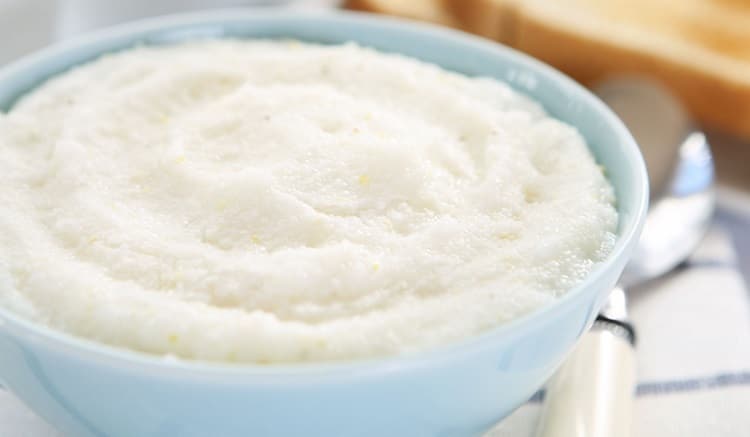
When it comes to grits and diabetes, the short answer is yes: grits can fit into a meal plan, but they are still a carbohydrate-rich food and can raise blood sugar. The main issues are portion size, how processed the grits are, and what else is on the plate. A bowl of plain grits by itself often behaves differently than grits paired with eggs, vegetables, or another protein source. That matters because breakfast can shape postprandial glucose (after-meal blood sugar) and energy for the rest of the morning.
Key Takeaways
- Grits are mostly starch, so they can raise blood sugar.
- Processing level matters, but portion size usually matters more.
- Plain stone-ground or regular grits are often easier to manage than flavored instant packets.
- Protein and fiber-rich sides can make a grits breakfast more balanced.
- Your own repeat glucose patterns are more useful than one isolated reading.
Grits and Diabetes: Why Blood Sugar May Rise
Yes, grits can raise blood sugar because they are made from ground corn and provide a meaningful carbohydrate load. Most grits are softer and more processed than intact whole grains, so the starch is often easier to digest. That does not make grits off-limits. It means they work best when you treat them as a starch base rather than the whole meal.
The glycemic index (how quickly a food tends to raise glucose) and glycemic load (how much a typical serving may affect glucose) help explain why responses differ. Published values for grits can vary by grind, cooking method, and serving size. Instant grits may move through digestion faster than stone-ground or regular grits, but a large bowl of any type can still cause a noticeable rise.
Blood sugar after eating grits is also shaped by preparation. Sweetened packets, added sugar, honey, large amounts of milk, toast, biscuits, or juice can stack several carbohydrate sources in one meal. A smaller serving of plain grits with eggs, sautéed greens, or another protein usually creates a steadier breakfast pattern.
This is why there is no universal answer to whether grits are good or bad for people with diabetes. A modest serving of plain grits at home is one situation. A restaurant-style bowl loaded with added starches and sweet drinks is another. The food itself matters, but the whole breakfast matters more.
Why it matters: A breakfast that is mostly starch may feel easy now but less predictable later.
This site operates as a prescription referral platform.
Which Type of Grits Is Usually the Better Choice?
Some grits are easier to work with than others, but no version is automatically a health food. The best approach to grits and diabetes is to look past label color and focus on grind, ingredients, and serving size. In general, plain, less processed grits are easier to portion and easier to pair with the rest of the meal than sweetened or heavily flavored instant products.
| Type | How it is processed | Blood sugar considerations | What to watch |
|---|---|---|---|
| Stone-ground | Coarser and less refined | May digest more gradually for some people, but still counts as a starch | Large bowls can still raise glucose |
| Regular or old-fashioned | More refined than stone-ground, usually plain | Often workable when the portion is measured and the meal is balanced | Added butter, cheese, or sugary sides |
| Quick | Finer grind and shorter cook time | May be easier to digest quickly and easier to overeat | Serving size and extra starches on the plate |
| Instant or flavored | Highly processed packet or mix | May lead to a faster rise, especially if sweetened | Added sugar, sodium, and very small label servings |
Yellow grits and white grits are usually more similar than different from a blood sugar perspective. The bigger issue is how refined the product is and whether the package adds sweeteners, cheese powders, or other mix-ins. If you are choosing between stone-ground grits and instant grits, stone-ground or regular plain grits may offer a slower, more gradual digestion for some people, but the difference is not enough to ignore portion size.
Restaurant grits deserve a special note. Portions can be much larger than expected, and recipes may include butter, cream, cheese, or sugary additions that are not obvious at first glance. Shrimp and grits, cheese grits, and similar dishes can also vary widely from one kitchen to the next, so they are harder to estimate than a plain homemade bowl.
Nutrition Facts labels matter here. Brands vary, and prepared grits can look very different depending on whether they are cooked with water, milk, butter, cheese, or sugar. Compare the serving size, total carbohydrate, fiber, and any added sugar on the package rather than assuming all grits are nutritionally equivalent.
Quick tip: Measure your usual cooked portion at least a few times so your breakfast stays consistent.
How To Build a More Balanced Grits Breakfast
For most people, grits and diabetes fit together better when breakfast is built around balance instead of a large bowl of starch. No single topping fixes the meal. The goal is to keep the carbohydrate portion predictable and add foods that slow the overall pace of digestion.
Start With a Consistent Portion
A consistent portion helps you learn what the meal actually does. That is especially useful if you monitor blood sugar with a meter or continuous glucose monitor. Rather than filling a large bowl and guessing, start with the package serving size or another modest measured portion that fits your overall meal plan. Once the portion is stable, it is easier to notice whether toppings, sides, or cooking method change the response.
Plain grits are often the simplest starting point because you control what gets added. Cooking grits in water keeps the carbohydrate count more predictable than layering in sweeteners, juice, or several starch-based sides. If you prefer dairy or a dairy alternative, remember that the liquid itself may add calories or carbohydrates depending on the product.
Build Around Protein and Fiber
Protein and fiber do not make grits low carb, but they can make the meal more balanced. Common examples include eggs, tofu, Greek yogurt on the side, beans, avocado, or vegetables such as spinach, peppers, onions, or tomatoes. Savory combinations are often easier to manage than sweet ones because they usually avoid syrup, brown sugar, or sweetened fruit toppings.
If your breakfast already includes grits, think carefully before adding toast, biscuits, hash browns, or a large glass of juice. Those extras can raise the meal’s total carbohydrate load quickly. Many people do better with one main starch, one protein, and at least one fiber-rich food.
Diabetic-friendly grits recipes are usually not special products or strict diet foods. They are ordinary breakfasts with fewer added sugars, more structure, and more awareness of portion size. A bowl of grits with eggs and vegetables is usually easier to manage than grits paired with several refined sides.
- Choose plain grits and season them yourself.
- Use a measured cooked portion, not a guess.
- Add eggs, tofu, beans, or another protein source.
- Include vegetables or another fiber-rich side.
- Limit extra starches and sugary drinks at the same meal.
- Watch repeat glucose patterns, not one isolated reading.
Example: a breakfast of instant grits, toast, and juice concentrates several fast carbohydrates in one sitting. A smaller bowl of plain grits with eggs and sautéed spinach is usually a more balanced setup.
What Often Throws Off a Grits Breakfast
The biggest problems usually come from the company grits keep. On many breakfast plates, grits sit next to toast, potatoes, biscuits, pancakes, jam, and sweet drinks. That stacking effect often matters more than whether the cereal is white or yellow. Corn grits and blood sugar become a bigger issue when several quick carbohydrates are eaten together.
Some add-ons change blood sugar directly. Sugar, honey, syrup, and sweetened condensed milk add fast carbohydrates. Other add-ons change the meal indirectly. Large amounts of butter or cheese may not spike glucose on their own, but they can turn a modest side into a very calorie-dense dish that is easy to overeat. That can make appetite and portion control harder over time.
- Double starch plate: grits plus toast, potatoes, or pancakes.
- Sweetened grits: sugar, syrup, honey, or sweet packets.
- Large restaurant bowls: harder to judge the carbohydrate load.
- Liquid carbs: juice, sweet tea, or sweet coffee drinks.
If you want grits at breakfast, it often helps to choose one starch and build the rest of the plate around it. That keeps the meal simpler to portion and easier to compare from day to day.
How Grits Compare With Oatmeal and Cream of Wheat
Oatmeal is often the stronger everyday choice for blood sugar control because oats usually provide more fiber, especially when they are less processed. That extra fiber can support satiety and a steadier rise in glucose for some people. Even so, flavored instant oatmeal can behave very differently from plain rolled or steel-cut oats, so the label still matters.
Cream of wheat is another hot cereal, but it is usually more refined and lower in fiber than less processed oats. In practice, grits and cream of wheat can be fairly similar from a breakfast-planning standpoint: both are easier to overeat when the bowl is large, and both depend heavily on toppings and sides. If you enjoy grits for taste, culture, or texture, there is no clear reason to remove them entirely when the overall meal is working well.
If you are trying to choose the best breakfast for blood sugar control, zoom out. A balanced meal pattern usually matters more than declaring one cereal universally good or bad. Many people alternate between oatmeal, eggs with vegetables, yogurt-based breakfasts, and occasional grits so that breakfast is not built around the same starch every day. That broader pattern often tells you more than a single food comparison.
When To Be More Cautious
Grits deserve closer attention when breakfast numbers are repeatedly higher than expected, when portions tend to grow over time, or when grits come with several other carbohydrate-rich foods. The question is not simply, ‘Are grits good for diabetics?’ A better question is whether your usual grits breakfast keeps glucose and appetite reasonably steady.
Use Your Own Glucose Patterns
Your own data can be more useful than a generic ranking. If you monitor glucose, compare similar breakfasts on different days instead of judging from one isolated reading. A smaller serving of regular grits with eggs may work well for one person, while the same meal may need adjustment for someone else because of medications, activity level, sleep, or total carbohydrate tolerance.
It also helps to notice how you feel. Rapid hunger, midmorning fatigue, or a strong urge to snack soon after breakfast can suggest that the meal was not very balanced, even before you look at the numbers. Recurrent patterns are more informative than single exceptions.
Consider extra guidance if you are unsure how to count breakfast carbohydrates, if morning readings are frequently difficult to manage, or if you have symptoms of hypoglycemia (low blood sugar) or hyperglycemia (high blood sugar). A clinician or dietitian can help you interpret the pattern in the context of your full meal plan and treatment routine.
Where permitted, licensed third-party pharmacies handle dispensing and fulfillment.
Authoritative Sources
For broader nutrition guidance in diabetes care, these sources are useful starting points:
- NIDDK on diabetes, eating, and physical activity
- American Diabetes Association on understanding carbohydrates
- CDC guidance on eating well with diabetes
Overall, grits and diabetes are not automatically a bad match. The practical issues are how refined the grits are, how much you eat, and whether breakfast includes protein, fiber, and fewer extra starches. If you track glucose, look for repeat patterns instead of judging from a single meal. Further reading from the sources above can help you compare hot cereals and build steadier breakfasts.
This content is for informational purposes only and is not a substitute for professional medical advice.


