

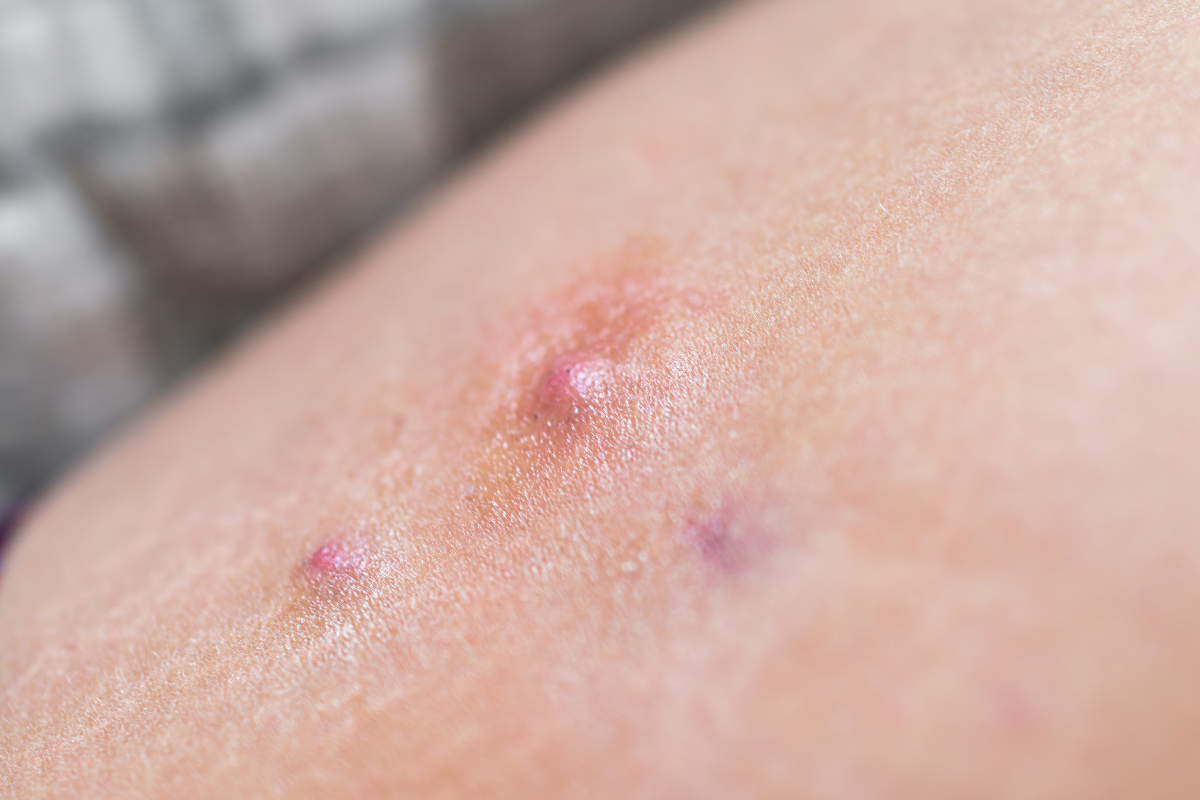
Semaglutide for hidradenitis suppurativa is an emerging idea, not an approved HS treatment. Early reports suggest it may help some people with HS who also have obesity, diabetes, or insulin resistance, but the evidence remains preliminary. The main reason for interest is that hidradenitis suppurativa (HS) often overlaps with metabolic inflammation, excess weight, and painful friction in skin folds.
HS is a chronic inflammatory skin condition that can cause painful nodules, abscesses, draining tunnels, and scarring. Semaglutide belongs to the GLP-1 receptor agonist class, which is used for type 2 diabetes and chronic weight management under specific indications. For HS, it should be viewed as a possible metabolic adjunct, not a replacement for dermatology-led care.
Key Takeaways
- Evidence is early: Small reports suggest benefit, but larger trials are needed.
- Not HS-approved: Semaglutide is not licensed specifically for hidradenitis suppurativa.
- Best fit may vary: People with obesity, diabetes, or insulin resistance may be the most discussed group.
- Safety still matters: Gastrointestinal effects, gallbladder issues, and rare pancreatitis need review.
- Use alongside HS care: Biologics, procedures, antibiotics, and wound care remain central options.
Can Semaglutide Help Hidradenitis Suppurativa?
Semaglutide may help some people with HS indirectly by reducing weight, improving insulin resistance, and possibly lowering inflammatory signaling. That does not prove it treats HS lesions directly. Most current discussion comes from small observational studies, conference reports, case experience, and biologic plausibility.
Why this matters: HS is not only a skin-deep condition. Many people with HS have higher rates of obesity, metabolic syndrome, diabetes, depression, pain, and reduced quality of life. When metabolic stress improves, some patients may experience fewer flares or less severe symptoms. Others may see little skin improvement despite weight loss.
The strongest practical message is cautious optimism. Semaglutide and hidradenitis suppurativa research is moving, but it has not reached the level of evidence used for approved HS drugs. Patients should avoid stopping proven HS treatments because they start a GLP-1 medicine for another indication.
For readers who want a broader class primer, GLP-1 Explained covers how these medicines fit into diabetes and weight-management care.
Why GLP-1 Medicines Are Being Studied in HS
GLP-1 receptor agonists are being studied in HS because they affect several pathways linked with disease burden. They can reduce appetite, support weight loss, improve glucose control, and influence inflammatory pathways. These effects may matter in HS because lesions often occur in high-friction areas such as the underarms, groin, buttocks, and under the breasts.
Obesity does not cause every case of HS, and many people with HS are not obese. Still, higher body weight can increase skin-fold friction, sweating, moisture, and mechanical irritation. Those factors can worsen pain and drainage in already inflamed areas.
Insulin resistance may also play a role. Insulin resistance means the body needs more insulin to manage blood sugar. This metabolic state can amplify inflammatory signals in some people. That is one reason clinicians sometimes consider metabolic co-management alongside standard dermatology treatment.
Quick tip: Track HS flares, pain, drainage, and weight-related changes separately so patterns are easier to review.
Body mass index is only one screening measure, but it can help frame weight-related discussions with a clinician. This calculator estimates BMI; it does not diagnose HS severity or decide treatment eligibility.
BMI Calculator
Estimate adult body mass index from height and weight, with metric and imperial units.
These calculations are for education only and do not replace clinical advice, diagnosis, or treatment. Always confirm medical decisions with a qualified healthcare professional.
For additional context on medication-led weight care, Semaglutide Weight Loss Medication reviews expectations and safety considerations in a broader setting.
What the Evidence Can and Cannot Show Yet
The current evidence suggests a possible signal, not a settled treatment standard. Some reports describe fewer HS flares, improved quality of life, and symptom improvement in people using semaglutide, especially when obesity or diabetes is also present. These findings are encouraging, but they are not the same as large randomized trials.
Small studies can miss important details. They may include patients using several HS treatments at once. They may not separate the effect of weight loss from a direct anti-inflammatory effect. They may also undercount side effects or relapse after discontinuation.
Good HS studies need clear outcome measures. Examples include flare frequency, pain scores, drainage, lesion counts, tunnel burden, quality-of-life scales, weight change, and metabolic markers. They also need enough follow-up to show whether improvements persist.
At this stage, semaglutide research in hidradenitis suppurativa is best read as hypothesis-generating. It may help guide future trials and individual conversations, but it should not be presented as a cure.
Safety Issues Before Considering Off-Label Use
Safety review is essential because semaglutide can cause side effects and is not appropriate for everyone. Common effects include nausea, vomiting, diarrhea, constipation, abdominal discomfort, and reduced appetite. These often relate to slowed stomach emptying and dose escalation, but persistent or severe symptoms need medical review.
More serious concerns are less common but important. GLP-1 receptor agonists carry warnings related to pancreatitis, gallbladder disease, dehydration from severe gastrointestinal symptoms, and kidney problems in some settings. Product labeling also includes contraindication language for people with a personal or family history of medullary thyroid carcinoma or multiple endocrine neoplasia syndrome type 2.
People with complex HS may already take antibiotics, pain medicines, hormonal therapy, biologics, or immunomodulating treatments. A clinician should review the full medication list, pregnancy plans, gastrointestinal disease history, and prior pancreatitis or gallbladder issues. This is especially important when therapy is being considered off-label for skin-related goals.
Some readers ask whether Ozempic makes HS worse. There is no clear evidence that semaglutide routinely worsens HS, but individual reactions vary. New or worsening skin symptoms, severe abdominal pain, repeated vomiting, signs of dehydration, or symptoms of infection should be reviewed promptly.
For a patient-focused safety discussion around semaglutide, Ozempic Safety Guide explains warning signs and practical monitoring questions.
Where It Fits With Established HS Treatment
Semaglutide should be considered separately from approved HS treatment pathways. Standard care depends on disease stage, lesion type, pain, scarring, tunnels, infection risk, and prior treatment response. Mild disease may involve antiseptic washes, topical therapy, intralesional corticosteroids, or short courses of oral antibiotics. More persistent disease may require longer antibiotic strategies, hormonal treatment in selected patients, biologics, laser treatment, or surgery.
Biologic therapy remains a key option for moderate to severe HS. These medicines target specific inflammatory pathways and have stronger HS-specific evidence than GLP-1 medicines. Procedural care also matters because established tunnels and scarring often do not respond fully to medication alone.
Metabolic treatment may still be useful when it addresses a real comorbidity. For example, a person with HS, type 2 diabetes, and obesity may discuss semaglutide for its labeled metabolic indications while also tracking HS symptoms. That is different from using it as the primary HS treatment.
Why it matters: HS control usually improves most when skin inflammation, pain, wounds, and metabolic risks are managed together.
For skin-related educational navigation, the Dermatology article collection can help readers find related condition topics. Product listings in Dermatology Products should be used for orientation only, not as a substitute for a treatment plan.
Semaglutide, Ozempic, Wegovy, and Other GLP-1 Options
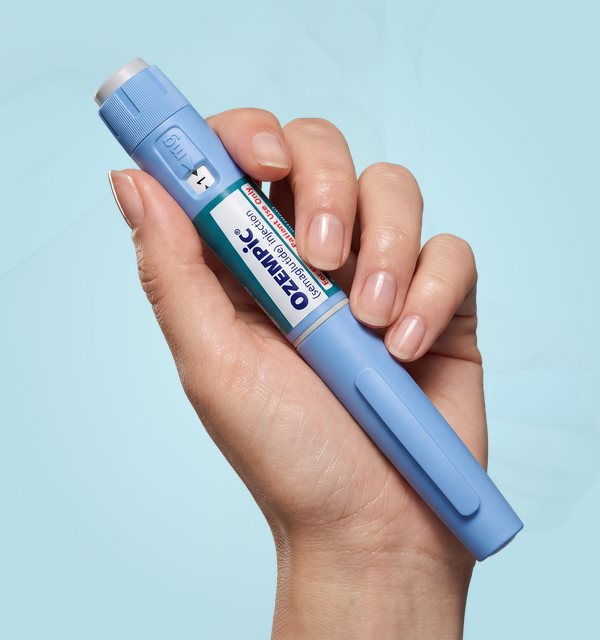
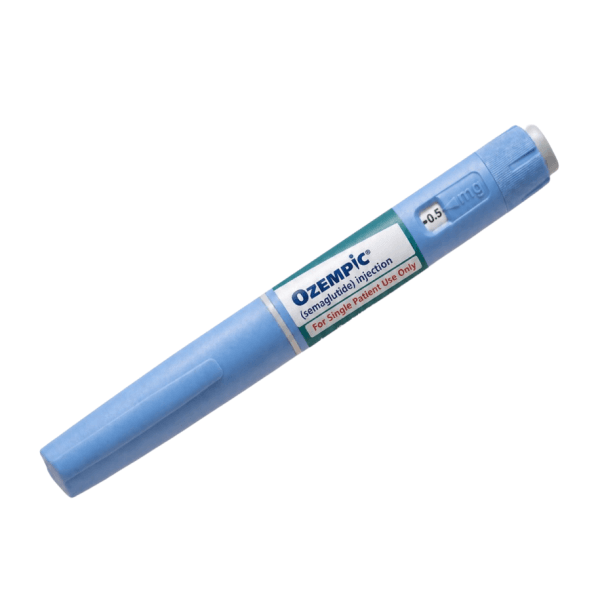
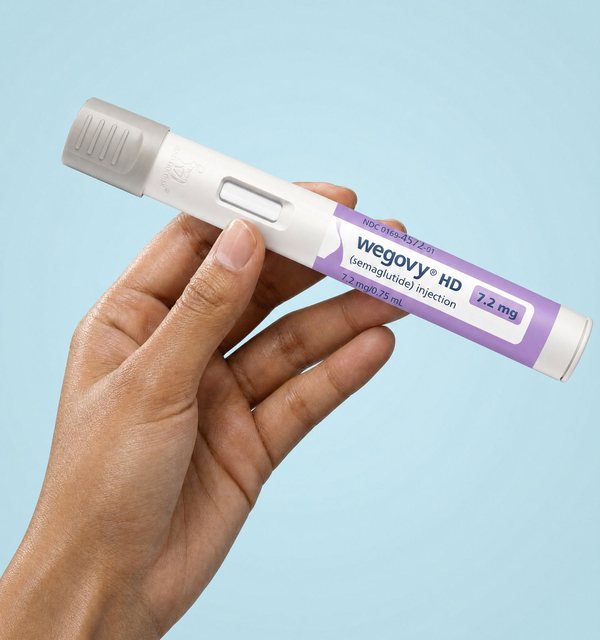
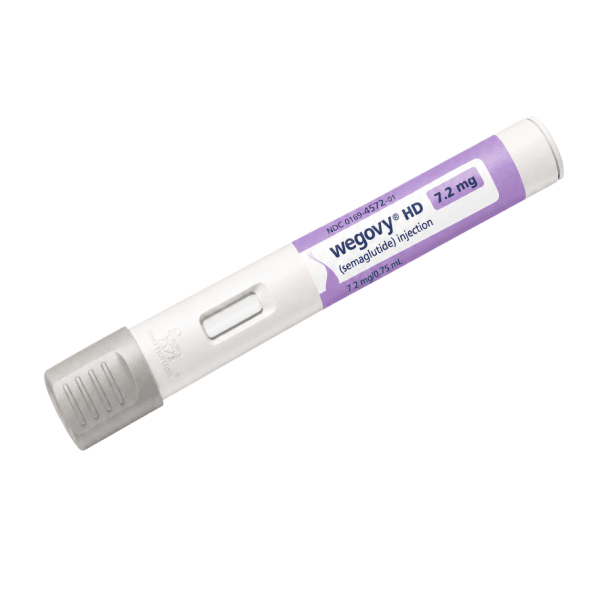
Ozempic and Wegovy both contain semaglutide, but they are labeled for different uses. Ozempic is used for type 2 diabetes and certain cardiovascular-risk contexts in eligible patients. Wegovy is used for chronic weight management in eligible patients. HS is not the labeled indication for either product.
That distinction matters for access, documentation, and safety review. A clinician may discuss a GLP-1 medicine because of diabetes or obesity, while also observing whether HS improves. Insurers and health systems usually look for labeled indications and documented criteria, not only skin symptoms.
Other incretin-based medicines are also being studied or discussed. Tirzepatide is a dual GIP and GLP-1 receptor agonist used in metabolic care under specific indications. Research interest in tirzepatide and hidradenitis suppurativa is active, but it is not yet an established HS therapy. There is no proven “best GLP-1” for HS at this time.
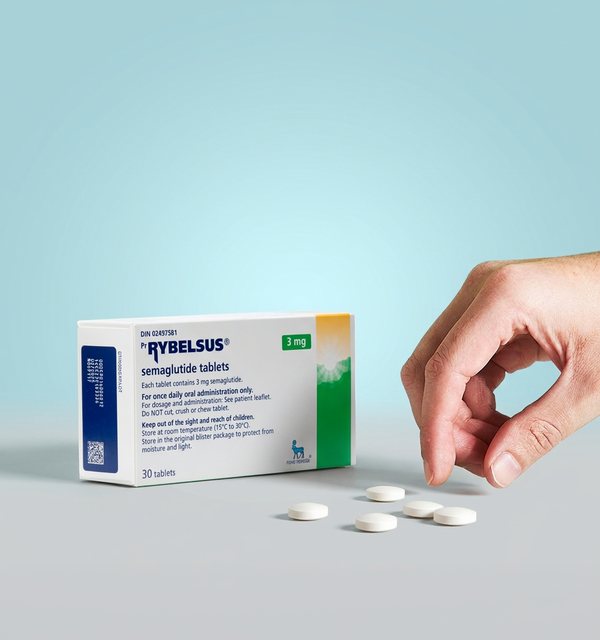
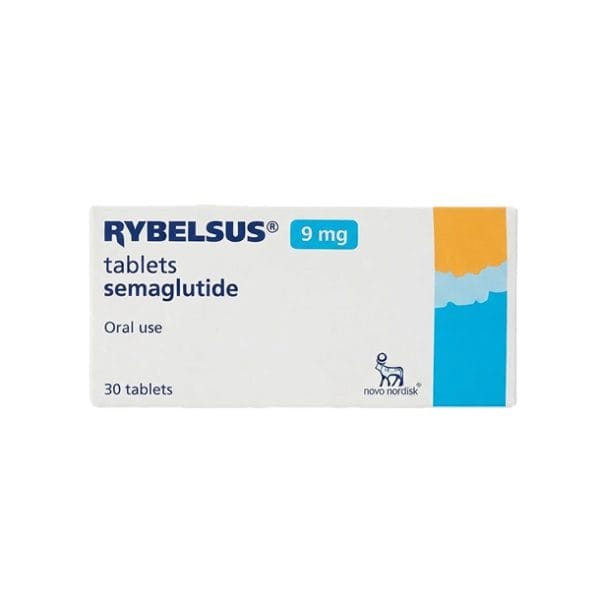
For product-format context, Ozempic Semaglutide Pens and Wegovy provide neutral medication page details. For broader use and formulation context, Semaglutide Uses and Dosage explains common semaglutide formulations without focusing on HS.
Practical Questions to Discuss With Your Clinician
A useful conversation starts with the reason semaglutide is being considered. Is the goal diabetes control, chronic weight management, possible HS symptom improvement, or a combination of these? Clear goals make it easier to judge whether treatment is helping.
- HS severity: Ask how your disease stage affects treatment choices.
- Metabolic risks: Review diabetes, insulin resistance, blood pressure, and lipids.
- Current therapies: List antibiotics, biologics, hormones, pain medicines, and supplements.
- Side-effect history: Mention pancreatitis, gallbladder disease, severe reflux, or gastroparesis.
- Tracking plan: Record flares, drainage, pain, weight, and quality of life.
- Escalation signs: Clarify when fever, spreading redness, or severe pain needs urgent care.
Documentation can also help if access depends on a labeled metabolic indication. Clinicians may record BMI, A1C or glucose history, prior lifestyle efforts, HS severity, and previous treatments. CanadianInsulin.com functions as a prescription referral platform; where required, prescription details may be confirmed with the prescriber, while licensed third-party pharmacies handle dispensing where permitted.
Some patients also compare cash-pay options when insurance does not apply, depending on eligibility and jurisdiction. That access discussion should stay separate from the medical decision about whether semaglutide is appropriate.
For readers comparing broader weight-management resources, the Weight Management collection offers related educational topics.
Authoritative Sources
For official semaglutide indication and safety details, review the FDA semaglutide safety information.
For HS background and treatment-oriented patient education, see the American Academy of Dermatology HS overview.
For emerging tirzepatide research in HS, review the ClinicalTrials.gov tirzepatide HS study record.
Recap
Semaglutide for hidradenitis suppurativa sits at the edge of current evidence. It may help some people with HS by addressing obesity, diabetes, insulin resistance, and systemic inflammation, but it is not approved as an HS treatment. Established dermatology care remains the foundation, especially for painful nodules, tunnels, scarring, and recurrent drainage.
The safest next step is a structured discussion with dermatology and primary care or endocrinology. Review HS severity, metabolic risks, current medicines, side-effect history, and realistic goals before considering any off-label plan.
This content is for informational purposes only and is not a substitute for professional medical advice.