

Dermatology Articles and Resources
Plain-language guides on medications, conditions and everyday care, to read before you talk with your prescriber or pharmacist.

How to Get Rid of a Cold Sore and Ease Symptoms Safely
A cold sore usually cannot be erased overnight. If you want to know how to get rid of a cold sore, the…
Read more →
Atopica for Dogs: Safety, Side Effects, and Monitoring
Atopica for dogs is a prescription cyclosporine capsule used to help control canine atopic dermatitis, an allergic skin disease that can cause…
Read more →
Apoquel for Dogs: Safety, Side Effects, and Monitoring
Apoquel for dogs is a prescription allergy medicine used to reduce allergic itch and inflammation in dogs at least 12 months old.…
Read more →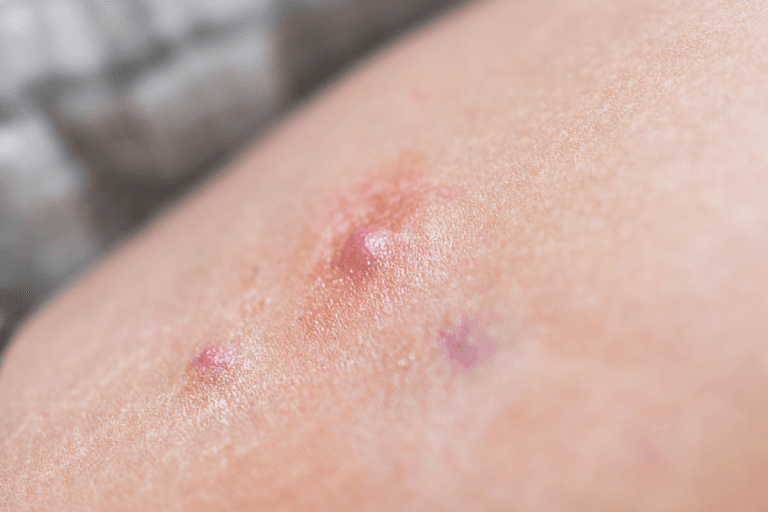
Semaglutide for Hidradenitis Suppurativa: Evidence and Safety
Semaglutide for hidradenitis suppurativa is an emerging idea, not an approved HS treatment. Early reports suggest it may help some people with…
Read more →
Ustekinumab vs Adalimumab: Malignancy Risk and Safety
For most people, ustekinumab vs adalimumab does not come down to a clearly safer cancer-risk choice. Both biologics carry malignancy warnings, but…
Read more →
Stelara: Safety, Uses, and Treatment Decisions
Stelara is a biologic prescription medicine used for certain inflammatory conditions, including plaque psoriasis, psoriatic arthritis, Crohn’s disease, and ulcerative colitis. Its…
Read more →
Diabetes and Fungal Infections: Skin Signs and Safe Care
Diabetes and fungal infections are linked because higher blood glucose, moisture, circulation changes, and slower immune responses can make yeast and skin…
Read more →
Wegovy Hair Loss: Causes, Prevention, and Regrowth
Wegovy hair loss is usually linked to rapid weight loss, lower food intake, and hair-cycle stress rather than permanent follicle damage. The…
Read more →
Diabetic Foot Ulcers: Warning Signs, Causes, and Care
Diabetic foot ulcers are open sores or wounds on the foot that can develop when diabetes-related nerve damage, pressure, and poor blood…
Read more →
How to Manage Yeast Infections in Diabetes: Causes, Symptoms, and Prevention
Diabetes is a common condition that comes with its unique challenges. While managing blood sugar levels and preventing complications are crucial, one…
Read more →
Can Diabetes Cause Hair Loss? Signs, Causes, and Regrowth
Yes, diabetes can contribute to hair loss, but it is rarely the only cause. Can Diabetes Cause Hair Loss is a common…
Read more →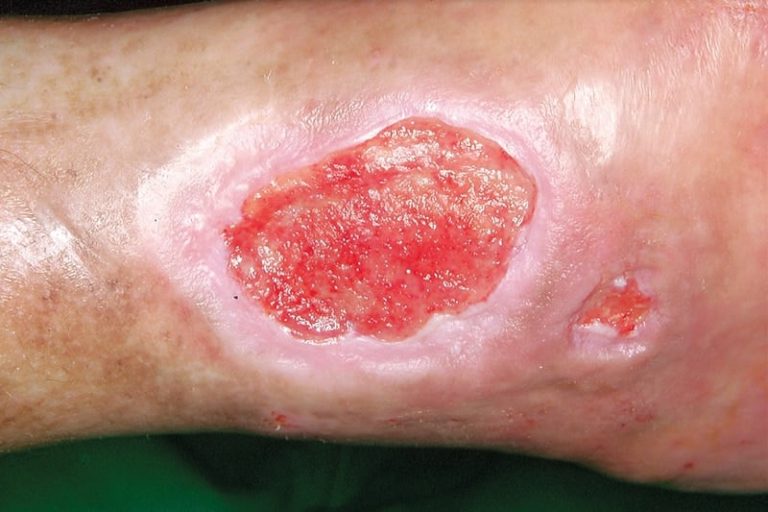
Diabetes and Wound Healing: Why Recovery Can Slow
Diabetes can slow wound healing because high blood sugar, nerve damage, reduced circulation, and infection risk can all interfere with normal repair.…
Read more →Skin, hair, and nail questions can be hard to sort when symptoms overlap. These dermatology articles collect patient-friendly resources about skin changes, infections, wounds, hair changes, and diabetes-related skin concerns. Use this archive to choose a focused article, compare related topics, and prepare clearer questions for a dermatologist or another licensed clinician.
The collection is educational. It helps you understand article topics and next steps for reading; it does not diagnose rashes, identify lesions, or recommend dermatology treatments.
Dermatology articles for skin-related diabetes questions
This archive leans toward diabetes-related skin topics because many resources connect blood sugar conditions with skin, wound, and infection concerns. Open Diabetes Skin Problems when you want a broad map of common changes. Use Diabetes and Fungal Infections for infection-focused wording and symptom context.
Some articles focus on visible changes that can be easy to confuse. Compare Diabetic Blisters with Diabetic Dermopathy if you are trying to understand how article topics differ. Dermopathy means a skin change or skin disease pattern, not a diagnosis you can confirm from a description alone.
How to choose the right skin topic
Good browsing starts with the question you are trying to answer. A rash, blister, sore, dark spot, hair change, or slow-healing wound may point to different article types. Pictures can help explain terms, but pictures cannot confirm a skin condition.
| Browsing question | Useful reading direction |
|---|---|
| Is the issue a rash, blister, wound, or hair change? | Choose the article that matches the visible pattern and body area. |
| Is diabetes part of the concern? | Use diabetes-related skin resources before comparing general skin care topics. |
| Are there signs such as spreading redness or drainage? | Use articles to prepare questions, not to delay clinical evaluation. |
| Are you comparing cosmetic dermatology with medical skin care? | Separate appearance-focused concerns from symptoms needing medical review. |
Quick tip: Write down timing, location, triggers, and any product changes before reading. That simple note makes it easier to compare related articles and explain your concern during an appointment.
Medical, cosmetic, and surgical terms in context
A dermatologist is a medical doctor who focuses on skin, hair, nails, and related membranes. People often search for types of skin doctors because dermatology can include medical, cosmetic, pediatric, surgical, and dermatopathology (microscopic skin diagnosis) work. The exact role depends on training, setting, and local rules.
Some resources here focus on medical skin problems. Use Cellulitis and Diabetes when the topic involves cellulitis, a deeper skin infection. Open Diabetes and Hair Loss for hair-related questions. Choose Diabetes and Tattoos when skin care, healing, and tattoo planning overlap.
Cosmetic dermatology and dermatology cosmetics usually focus on appearance, texture, pigment, or procedures. This archive may mention those terms, but the strongest related resources are condition and diabetes aligned. Keep cosmetic questions separate from pain, infection signs, open wounds, or changing lesions.
Diabetes-related skin resources to compare next
Several articles help you compare skin concerns that may involve healing or foot health. Diabetes and Wound Healing is useful when you want background on slow healing and practical discussion points. Diabetic Foot Ulcers narrows the focus to foot wounds and warning signs.
When you move between these resources, look at the article scope before applying details to your situation. One article may explain a symptom pattern, while another may focus on prevention, clinician evaluation, or daily skin care routine basics. That distinction helps you avoid treating a general explanation like a personal care plan.
How to read safety and access details
The dermatology articles here do not replace a dermatologist’s exam. Skin symptoms can overlap across infections, inflammatory diseases, medication reactions, circulation problems, and routine irritation. A clinician can examine the skin directly and decide whether testing, prescription treatment, or referral is appropriate.
Where a linked prescription product is involved elsewhere on CanadianInsulin.com, prescription details may be confirmed with the prescriber when required. That process note should not guide symptom decisions. Use product pages for product-specific information, and use this archive for educational reading and topic navigation.
Why it matters: A clear article path can reduce confusion before a medical visit.
Keep browsing with a clear next step
Use the dermatology articles as a reading path, not a diagnosis tool. Start broad if you are unsure which term fits, then move to a symptom-specific resource. If an article raises new questions about dermatology treatments for acne, dark spots, wounds, infections, or hair changes, note those questions for a licensed clinician.
This archive works best when you compare related topics side by side. That approach helps you understand what each article covers, what it does not cover, and when professional care is the safer next step.
This content is for informational purposes only and is not a substitute for professional medical advice.
This content is for informational purposes only and is not a substitute for professional medical advice.
Frequently asked questions
About reading the Dermatology archive.
Where should I start in this dermatology category?
Start with the broadest skin topic if you are unsure which article fits. Then narrow by the main concern, such as rash, blister, wound, infection, hair change, or diabetes-related skin issue. This approach helps you compare article scope before focusing on details. It also keeps educational reading separate from diagnosis or treatment decisions.
Can these dermatology articles identify a rash or skin condition?
No. Articles can explain common terms, symptom patterns, and questions to raise with a clinician, but they cannot identify a rash or confirm a skin disease. Many skin conditions look similar, especially in photos. A dermatologist or another qualified clinician can examine the area, consider your health history, and decide whether testing or treatment is needed.
How are diabetes-related skin resources organized here?
The resources are grouped around practical reading topics. Some explain broad skin changes linked with diabetes. Others focus on fungal infections, blisters, dermopathy, wound healing, foot ulcers, hair changes, tattoos, or cellulitis. Use the topic title to understand the article’s purpose before applying any information to your own questions.
Do dermatologists do surgery?
Some dermatologists perform procedures, including skin biopsies, lesion removal, and certain skin cancer procedures, depending on training, clinical setting, and local rules. Others focus more on medical skin disease, cosmetic care, pediatric dermatology, or pathology. If you need procedural care, confirm the clinician’s scope, referral requirements, and follow-up plan directly with the care team.
Browse by medical condition
Products and reading lists grouped by condition, from A to Z.
All medical conditions →Looking for a medication?
Prices in USD, shown before you pay. Prescription required.
Shop all medications →The contents of CanadianInsulin.com are for informational purposes only and should not be considered medical advice. We do not guarantee the accuracy of the content on CanadianInsulin.com, nor do we assume any responsibility for any actions taken using the information found on our website. Always consult with your family physician or a qualified health care provider about any health or medical concerns.