
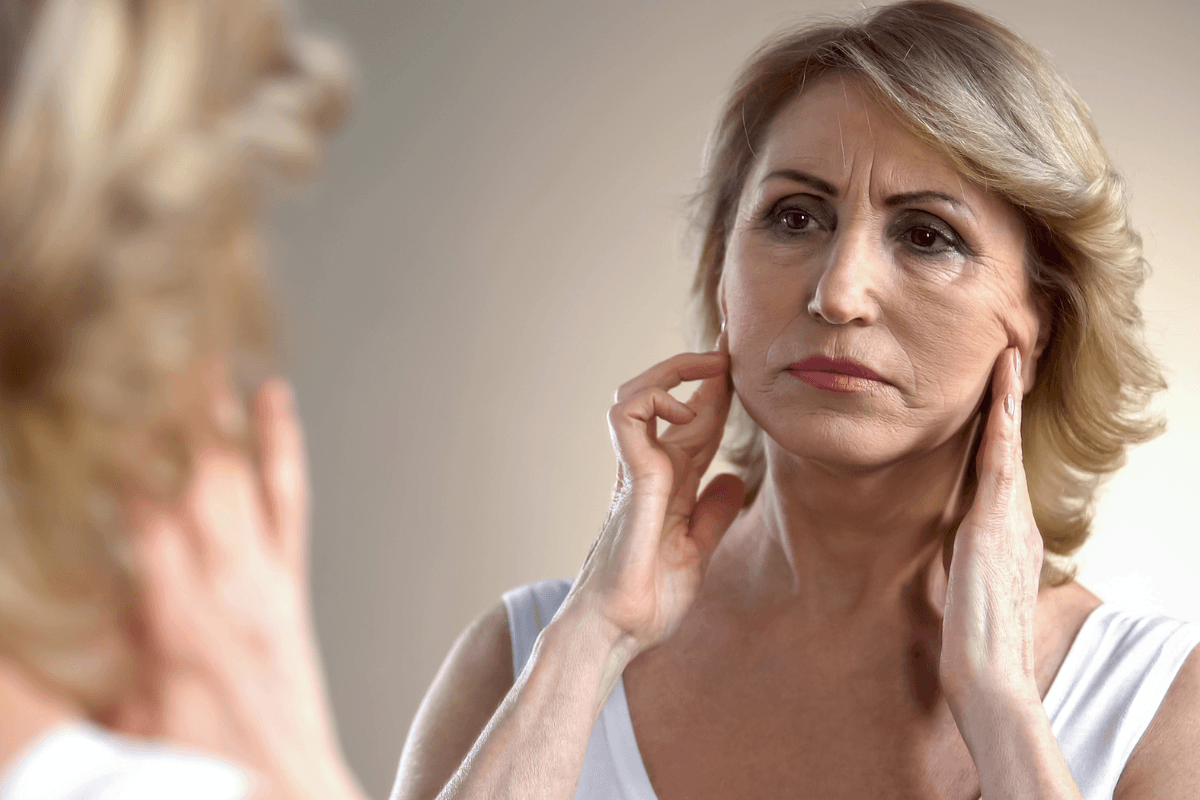
Concerned about facial hollowing while using GLP-1 therapy? Understanding how to avoid Ozempic face starts with why it happens. Rapid fat loss, fluid shifts, and normal skin aging can combine to make cheeks look flatter and skin appear looser. You can reduce risk by pacing weight loss, supporting skin health, and building muscle. This guide outlines practical steps you can take and when to consider medical or cosmetic options.
Key Takeaways
- Slow, steady weight loss reduces skin laxity risk.
- Protein intake and resistance training help preserve facial volume.
- Daily sunscreen, retinoid, and hydration support skin quality.
- Consider aesthetic treatments if lifestyle measures aren’t enough.
- Track changes consistently; avoid fixating on social comparison.
What People Mean by “Ozempic Face”
People use this phrase to describe increased facial hollowness after significant weight loss. Clinically, it reflects subcutaneous fat loss, especially in the midface and temples, plus age-related declines in collagen and elastin. The result can be sharper facial angles, more visible lines, and thinner skin. Rapid weight reduction may amplify these features, particularly in adults over 40.
Look for signs of ozempic face such as a more sunken midface, prominent nasolabial folds, or looser lower-face skin. Not everyone experiences these changes, and the degree varies with age, genetics, pace of weight loss, and baseline facial structure. For context on medication use over time, see How Long Can You Take Ozempic for duration planning considerations. For official safety and indication details, review the Ozempic prescribing information for authoritative background.
If you use disposable pens, understanding the device can help with safe, consistent dosing. See Ozempic Semaglutide Pens for device format context and storage basics discussed there.
How to Avoid Ozempic Face Safely
Prioritize gradual weight loss. Smaller weekly changes give your skin and soft tissues more time to adjust. Work with your clinician to set realistic targets and avoid aggressive calorie deficits. Do not change medication dosing on your own; coordinate any adjustments with your prescriber.
Pair nutrition with resistance training at least two to three days weekly. Focus on compound movements that build the back, chest, shoulders, and glutes to support overall shape. Adequate sleep and hydration help skin function and recovery. For dietary context alongside GLP-1 therapy, see Diet and Weight Loss for broader nutrition considerations.
Sun protection and a simple skincare routine matter. Daily broad-spectrum SPF, gentle cleansing, a retinoid (vitamin A derivative), and a humectant such as hyaluronic acid can support the skin barrier. For a high-level look at how medications fit into population trends, see GLP-1 Weight Loss Drugs for context on treatment use and outcomes.
Evidence-Based Skin and Muscle Support
Nutrition and training are your foundation. Most adults benefit from a protein target that aligns with body size and activity level. Adequate protein supports muscle retention during weight loss, which helps maintain face and body contours. Hydration, micronutrients, and fiber also support healthy skin and recovery.
Skincare can complement these basics. Retinoids (skin-renewers), daily sunscreen, and moisturizers with ceramides and humectants may improve texture and fine lines over time. If you prefer a minimal routine, focus on morning SPF and evening retinoid application several nights weekly, building tolerance gradually. For a conservative, non-procedure approach, many ask how to fix ozempic face naturally; the practical answer is to combine training, protein, sun protection, and retinoids consistently.
Nutrition Benchmarks and Sun Protection
To support muscle, spread protein evenly across meals and include sources like dairy, eggs, legumes, fish, and lean meats. For a concise overview of daily protein needs, consult the NIH’s protein recommendations and align them with your clinician’s advice. For sunscreen selection and reapplication guidance, the American Academy of Dermatology’s dermatology sunscreen guidance provides practical criteria you can apply daily.
Strength training protects soft-tissue volume by preserving lean mass. Emphasize progressive overload with two to four sets per movement, allowing rest between sessions. If you’re exploring a broader weight-control plan alongside training, browse the Weight Management category for context on related therapies and monitoring topics frequently discussed there.
When Medical or Cosmetic Treatments Make Sense
If lifestyle steps aren’t enough, minimally invasive options can help. An ozempic face treatment plan often starts with hyaluronic acid fillers to restore midface support, or poly-L-lactic acid to stimulate collagen over months. Skin-tightening devices (radiofrequency or ultrasound) can also improve jawline and cheek definition. Discuss the expected number of sessions, maintenance, and costs before starting.
Work with qualified dermatologists or plastic surgeons who take a conservative approach. Overfilling can distort natural proportions, while underfilling may disappoint. Risks include bruising, swelling, and rare vascular events. For perspective on before-and-after expectations with another therapy, see Saxenda Before And After for general transformation timelines described there.
Body Changes: Buttocks and Legs
Significant weight loss can reduce soft tissue in the lower body. People sometimes describe “ozempic butt,” referring to flatter-looking buttocks after rapid fat loss. Prioritize glute-focused strength work two to three times weekly (hip thrusts, squats, deadlifts, step-ups, and kickbacks). Consistent training helps maintain muscle volume and improves silhouette. Consider adding a mobility routine to reduce injury risk.
Some notice slimmer calves or thighs during a cut. Progressive resistance training for the legs preserves function and shape. If a weight-loss–specific alternative is being considered, review Wegovy for indication context relative to obesity treatment. For dual-incretin therapy perspective, see Mounjaro to understand how agents differ in clinical use discussions.
Setting Expectations: Timelines and Reversibility
A common question is, does ozempic face go away? Facial volume can improve with muscle gain, weight stabilization, and targeted procedures. However, age-related changes and collagen loss still progress over time. Modest weight regain may restore some fullness, but outcomes vary. Avoid chasing rapid rebounds, which often reverse cardiometabolic gains.
Plan for maintenance as you approach your goal weight. Tighten habits slowly and monitor sleep, stress, and training consistency. If you’re concerned about weight cycling, read Ozempic Rebound for practical strategies to minimize regain risk summarized there. For personalized timelines on therapy, see How Long Can You Take Ozempic for considerations clinicians often discuss.
Tracking Progress Without Obsession
Progress photos are useful when taken consistently. If you compare ozempic face before and after images, use the same lighting, angle, and time of day. Keep hair pulled back and avoid smile variation. Monthly photos work better than weekly snapshots, which can exaggerate day-to-day fluid shifts. Pair images with tape measurements and strength logs for a fuller picture.
Structure helps you notice changes without fixation. For a simple timeframe and tracking framework, see the 6-Week Ozempic Plan for practical staging ideas referenced there. Sleep quality matters for skin and recovery; for neutral background on potential sleep disruption, review Ozempic And Insomnia for symptom awareness and management strategies discussed.
Tip: Create a private album to reduce social comparison and track only against your own baselines.
Myths, Celebrities, and Social Media
Trending posts often oversimplify complex physiology. The phrase ozempic face myth appears both as denial and as exaggeration. Reality sits in the middle: weight loss can reveal normal aging and reduce facial fat, but not everyone develops dramatic changes. Avoid drawing conclusions from edited celebrity images or mismatched lighting.
Celebrity narratives rarely include age, baseline weight, or treatment details. These missing variables drive most visible differences. Focus on your plan’s pace, nutrition, and training rather than comparisons. When in doubt, document your own progress with controlled conditions and discuss concerns with your clinician.
Related Safety Considerations and Comorbidities
Facial changes rarely occur in isolation. Rapid weight loss may unmask issues like low energy availability, hair shedding, or menstrual irregularities. If any of these appear, slow your rate of loss and check in with your care team. For fatigue management while on anti-obesity agents, see Zepbound And Fatigue for practical energy-conservation tips mentioned there.
Age, photoaging, and glycemic status also influence skin appearance. Teens, adults, and seniors respond differently to similar weight changes. For a neutral overview of how age shapes outcomes with another GLP-1, consult Age-Related Considerations for perspective on life-stage differences highlighted there. If you travel with pens, proper storage protects medication integrity; see Travel With Ozempic for portable handling reminders described.
Recap
Facial hollowing during GLP-1–assisted weight loss stems from fat loss, fluid shifts, and aging. You can reduce risk by pacing weight loss, training regularly, eating enough protein, and protecting your skin. If needed, conservative aesthetic treatments can restore balance. Track progress thoughtfully, and keep changes aligned with overall health goals.
Note: Work with your healthcare professional before changing medications, diet, or procedures.
This content is for informational purposes only and is not a substitute for professional medical advice.


