
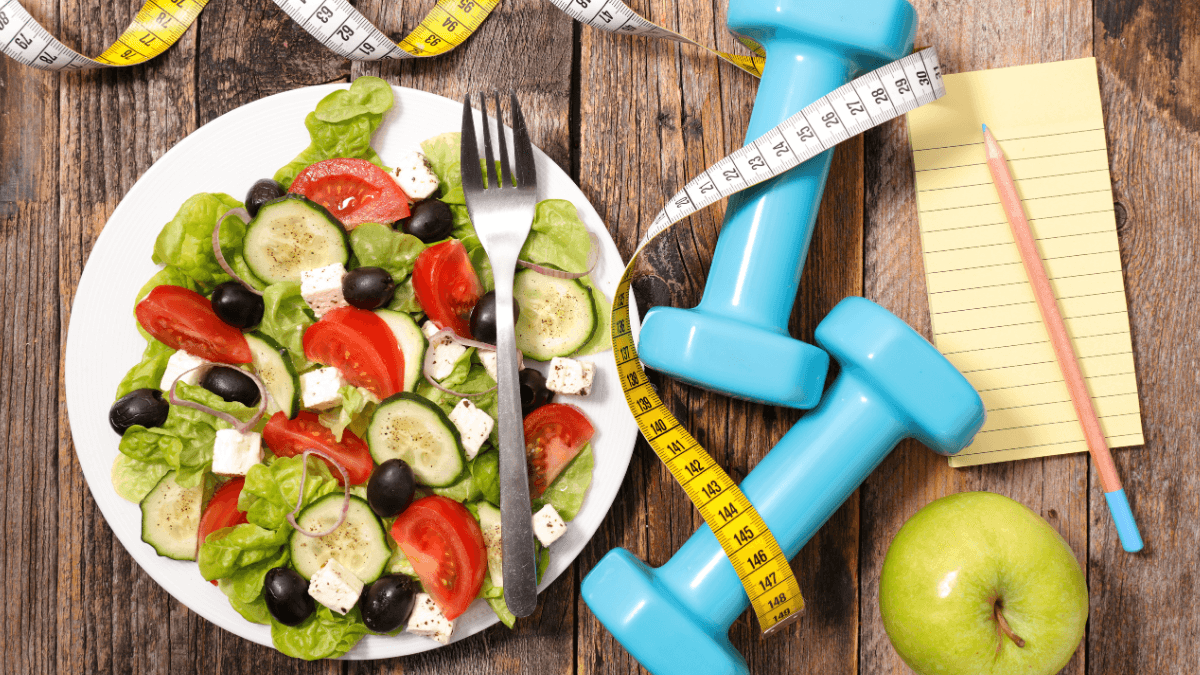
Diet and weight loss with GLP-1 medications works best when lower appetite is paired with steady nutrition, not extreme restriction. These medicines may help you feel full sooner, but your body still needs protein, fluids, fiber, vitamins, and regular eating cues. The practical goal is a pattern you can repeat during good weeks and harder weeks.
GLP-1–based medicines can change hunger, portion size, cravings, and meal timing. Some people also notice nausea, reflux, constipation, or food aversions. Those effects matter because a plan that looks healthy on paper may fail if it worsens symptoms or leaves you under-fueled.
Key Takeaways
- GLP-1 medicines can reduce appetite and alter meal timing.
- Protein, fluids, and fiber help protect muscle and gut health.
- Mediterranean and low-carb patterns can both work when sustainable.
- Fast-loss plans often reflect water loss and aggressive restriction.
- Persistent vomiting, dehydration, or severe pain needs urgent care.
How GLP-1 Medicines Change Eating Patterns
GLP-1 receptor agonists and related medicines can affect appetite signals and stomach emptying. In plain terms, meals may sit longer and fullness may arrive earlier. That can support smaller portions, but it can also make large, greasy, or fast meals feel uncomfortable.
The medication does not remove the basics of healthy weight management. Sleep, stress, movement, health conditions, and food access still influence eating. So do medications that affect glucose, appetite, fluid balance, or bowel habits.
Why this matters: appetite control is useful only if your smaller intake still covers nutrition needs.
People often describe less “food noise,” fewer urges to snack, or less interest in sweets. Others feel uninterested in food until late in the day. If that leads to skipped meals, the evening can become the hardest time to make steady choices.
Example: You used to eat breakfast and lunch. Now you feel fine until mid-afternoon, then become shaky and overeat at dinner. The answer is often meal structure, not stricter willpower.
For broader medication background, the Weight Management Articles collection can help you compare related topics before speaking with your clinician.
What to Prioritize on a GLP-1 Diet and Weight Loss Plan
A GLP-1 diet and weight loss plan should start with protein, fluids, and fiber because those are easy to miss when appetite drops. Smaller portions can be helpful, but very low intake may increase fatigue, constipation, and difficulty meeting daily needs.
Protein supports lean mass during weight loss. It also helps meals feel more complete. Many people do better when they spread protein across the day instead of trying to “catch up” at dinner.
Fiber supports bowel regularity and helps meals feel satisfying. Increase it gradually, especially if you already have bloating or constipation. Beans, lentils, oats, berries, vegetables, chia seeds, and whole grains can all fit, depending on tolerance and glucose goals.
Fluids need extra attention. When you eat less, you may also drink less, especially if snacks used to trigger your water intake. Vomiting, diarrhea, heavy sweating, or alcohol can raise dehydration risk.
Build meals in a simple order
Start with a tolerable protein, then add plants, then add a carbohydrate or fat source that fits your health goals. This structure works with many eating styles and does not require perfect tracking.
- Protein first: eggs, fish, tofu, yogurt, poultry, beans, or lentils.
- Plants next: cooked vegetables may feel easier than raw salads.
- Carbs with context: choose portions that fit glucose and activity needs.
- Fat carefully: rich meals may worsen nausea or reflux.
- Fluids routinely: pair water with meals and medication-day routines.
If you use insulin, sulfonylureas, or other glucose-lowering therapies, ask your care team how appetite changes may affect hypoglycemia risk. Do not adjust prescribed medicines on your own.
For GLP-1-specific food planning examples, see Wegovy Diet Plan or Ozempic Diet Plan.
Mediterranean Diet, Atkins Diet, and Other Patterns
No single diet helps every person lose the most weight. Most evidence-based plans work by helping people create a sustainable calorie deficit while keeping nutrition adequate. The best pattern is usually the one you can follow, tolerate, and adapt.
A Mediterranean-style pattern often emphasizes vegetables, fruit, beans, lentils, whole grains, fish, olive oil, nuts, and minimally processed foods. It can be flexible and fiber-rich. Some people need to adjust portions of grains or fruit if they are managing diabetes or glucose variability.
A lower-carbohydrate pattern, including Atkins-style approaches, reduces carbohydrate intake to varying degrees. Some people find this improves appetite control. Others struggle with constipation, limited food variety, or higher-fat meals that worsen GLP-1 digestive symptoms.
The key comparison is not which plan has the louder claims. It is which plan helps you meet protein, fiber, fluid, and micronutrient needs without triggering side effects or rebound eating.
How to compare diet styles
- Adherence: can you shop and cook this way most weeks?
- Tolerance: does the plan worsen nausea, reflux, or constipation?
- Medical fit: does it match diabetes, kidney, heart, or pregnancy-related guidance?
- Flexibility: can it handle travel, stress, or low appetite days?
- Food quality: does it limit ultra-processed foods without becoming rigid?
If you are comparing GLP-1 medicines with your clinician, GLP-1 Drugs for Weight Loss covers options, risks, and decision points at a higher level.
Seven-Day Plans and Fast Weight Loss Claims
A seven-day plan can help you organize meals, but it should not promise dramatic fat loss. Searches for “how to lose weight in 7 days” or “10 kg weight loss in 7 days” often point toward dehydration, severe restriction, or short-term water shifts rather than lasting fat loss.
Fast scale changes can happen when carbohydrate intake drops sharply. Stored carbohydrate, called glycogen, carries water with it. Losing that water can make the scale move quickly, but it does not mean the same amount of body fat has changed.
Extreme restriction is also harder to tolerate with GLP-1 medicines. It may worsen nausea, constipation, dizziness, and low energy. It can also make protein intake too low, which matters when you are trying to preserve lean mass.
A better use of seven days is a reset week. Pick repeatable meals, test tolerable portions, set hydration cues, and notice which foods trigger symptoms. That information is more useful than chasing a number.
The calculator below can help estimate a general weight-loss timeline from a planned weekly rate. It does not provide medical advice or predict individual results.
Weight Loss Timeline Calculator
Estimate a simple timeline from current weight, goal weight, and average daily calorie deficit.
These calculations are for education only and do not replace clinical advice, diagnosis, or treatment. Always confirm medical decisions with a qualified healthcare professional.
Quick tip: Track patterns, not perfection, during the first week of a new routine.
If you want a medication-specific meal template, Zepbound Diet Plan offers practical food-planning themes to discuss with your care team.
Simple Meal Structure for Low-Appetite Days
Low appetite days need backup meals that are easy to eat and still nutrient-dense. This is where a simple meal plan to lose weight can be useful. It should reduce decision fatigue without turning into a rigid rulebook.
Start with two breakfasts, three lunches, and a few dinners you can repeat. Keep portions modest if fullness arrives quickly. If a full plate feels overwhelming, split meals into smaller eating times rather than skipping the meal completely.
Practical meal anchors
- Breakfast option: Greek yogurt with berries and oats.
- Breakfast option: eggs with toast and cooked vegetables.
- Lunch option: lentil soup with fruit or salad.
- Lunch option: tuna, tofu, or chicken bowl.
- Dinner option: fish, potatoes, and cooked greens.
- Snack option: cottage cheese, hummus, or nuts if tolerated.
Many people ask about a weight loss drink. Be cautious with detox teas, laxative products, and stimulant-heavy beverages. They can worsen dehydration or diarrhea and do not replace balanced meals. Water, unsweetened tea, or coffee in moderation is usually a simpler routine. A protein shake may help some people meet intake goals, but it should be treated as food.
If nausea is present, cooler foods may feel easier than hot meals. Bland proteins can be better tolerated than rich or spicy foods. Carbonated drinks may worsen bloating for some people, while others tolerate them well.
Female weight loss diet searches often focus on fast results, but the same safety principles apply. Pregnancy, breastfeeding, eating disorder history, kidney disease, gallbladder disease, diabetes, and thyroid conditions all warrant individualized guidance from a clinician or registered dietitian.
What Can Block Progress During Diet and Weight Loss
Weight loss can stall even when effort is real. Common reasons include underestimating portions, low activity, poor sleep, stress eating, alcohol intake, constipation, fluid shifts, and medications that affect weight. Some medical conditions can also influence appetite, fatigue, or body weight.
With GLP-1 medicines, one less obvious barrier is under-eating early and overcompensating later. Another is relying on very small meals that lack protein and fiber. The scale may not show the whole picture if constipation or water retention changes day to day.
Alcohol deserves special care. It can worsen reflux or nausea and may lower judgment around portions. It can also complicate glucose management for some people, especially when food intake is inconsistent.
Supplements are another common question. Astaxanthin and similar products are sometimes marketed for weight loss, but supplement claims often exceed the quality of evidence. Ask your clinician or pharmacist before adding supplements, especially if you take medications or have liver, kidney, pregnancy, or bleeding-risk concerns.
People using tirzepatide may want food-specific context from Mounjaro Diet, while still relying on their prescriber for medication decisions.
Access, Monitoring, and When to Seek Care
GLP-1 medicines are prescription therapies, and nutrition planning should fit your medical history. Bring your usual meal pattern, side effects, glucose readings if relevant, bowel habits, and barriers such as shift work or limited cooking time to appointments.
CanadianInsulin.com is a prescription referral platform, and dispensing is handled by licensed third-party pharmacies where permitted. That access role is separate from clinical decisions about whether a medicine or diet plan is appropriate for you.
For product context only, you can review pages such as Wegovy, Mounjaro KwikPen, or the Weight Management Category. Use those pages for orientation, then take medical questions back to your prescriber.
Seek urgent medical care for severe or persistent vomiting, signs of dehydration, fainting, chest pain, severe abdominal pain, confusion, or rapidly worsening symptoms. Contact your prescriber for non-urgent but persistent constipation, reflux, low appetite, or trouble meeting protein and fluid needs.
Authoritative Sources
Overall, sustainable diet and weight loss planning during GLP-1 treatment means using appetite changes wisely. Choose foods you tolerate, protect protein and fluids, increase fiber gradually, and avoid fast-loss promises that undermine long-term habits.
This content is for informational purposes only and is not a substitute for professional medical advice.


