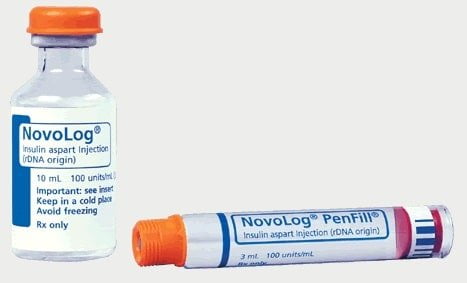
Insulin aspart usually starts working within about 10 to 20 minutes after a subcutaneous injection, though some labels and references describe a wider range. The insulin aspart onset of action matters because this medicine is used around meals and for correction doses. If the timing does not match food intake, activity, and glucose trends, low blood sugar or post-meal highs can occur.
Insulin aspart is a rapid-acting insulin analog. It helps cover the glucose rise after eating and is often used with a longer-acting basal insulin. Some people use it in insulin pumps, where rapid action supports both programmed basal delivery and meal boluses. The exact timing can vary by formulation, dose, injection site, and individual response.
Key Takeaways
- Fast start: Insulin aspart often begins working within 10 to 20 minutes.
- Peak window: Its strongest glucose-lowering effect often occurs about 1 to 3 hours after dosing.
- Shorter action: Effects commonly taper over about 3 to 5 hours.
- Meal timing matters: Food, dose size, site, and activity can shift the action profile.
- Safety priority: Hypoglycemia is the main risk and needs a clear response plan.
What Insulin Aspart Is Used For
Insulin aspart is used for prandial, or mealtime, glucose control in people who need insulin therapy. It is designed to act faster than regular human insulin, which makes it useful when glucose rises soon after eating. Clinicians may prescribe it for people with type 1 diabetes, insulin-treated type 2 diabetes, or other situations where rapid insulin coverage is needed.
This medicine does not replace basal insulin unless it is being used in a pump system under a clinician’s plan. In many injection regimens, basal insulin covers background insulin needs while insulin aspart covers meals and corrections. That separation helps match insulin action to changing glucose needs during the day.
For more context on where this medicine fits in treatment, see Insulin Aspart Uses. If you are comparing broader mealtime options, Prandial Insulin Types explains how mealtime insulins are grouped.
Insulin Aspart Onset, Peak, and Duration
The insulin aspart onset of action is generally rapid, with effects often beginning within about 10 to 20 minutes. Many references describe peak activity around 1 to 3 hours. Duration is commonly about 3 to 5 hours, although the tail of action can differ from person to person.
These ranges are practical estimates, not a promise for every dose. A larger dose may last longer than a smaller one. An injection into the abdomen may absorb differently than one into the thigh or upper arm. Exercise, illness, stress, and recent hypoglycemia can also change glucose patterns.
| Timing Point | Typical Range | Why It Matters |
|---|---|---|
| Onset | About 10 to 20 minutes | Helps guide meal timing and early glucose monitoring. |
| Peak | About 1 to 3 hours | Highest hypoglycemia risk may occur during this window. |
| Duration | About 3 to 5 hours | Helps avoid overlapping correction doses too closely. |
Why it matters: Timing estimates help you discuss safer meal and correction plans with your care team.
People often ask about the insulin aspart peak time because symptoms of low blood sugar can appear when insulin activity is strongest. Others ask about insulin aspart duration of action because taking extra doses too soon may cause insulin stacking, meaning active insulin overlaps more than expected. Pump users may see this described as “insulin on board.”
The insulin aspart onset of action can also differ by formulation. Faster aspart products, such as Fiasp, are designed with added ingredients that support earlier absorption. Standard insulin aspart products, such as NovoLog or NovoRapid, still act rapidly, but label instructions can differ. Follow the instructions for the specific product you use.
How It Works in the Body
Insulin aspart works by binding to insulin receptors and helping glucose move from the bloodstream into insulin-sensitive tissues. These include muscle and fat cells. It also reduces glucose production by the liver. Together, those effects lower blood glucose after meals or when a correction dose is needed.
The insulin aspart mechanism of action is similar to human insulin, but its structure has been modified slightly. That change reduces the tendency of insulin molecules to cluster after injection. As a result, the medicine can absorb faster from the tissue under the skin.
This faster absorption is the reason insulin aspart is classified as rapid acting insulin aspart. It is different from short-acting regular insulin, which generally has a slower onset and longer action. If you want a broader comparison, Short-Acting Insulin reviews how these categories differ in daily use.
Rapid action does not mean immediate action. Glucose may still rise after eating if the meal absorbs quickly, if the dose timing is off, or if the carbohydrate amount is underestimated. High-fat meals may also cause a later glucose rise. These patterns are best reviewed with glucose records, continuous glucose monitor data, or fingerstick logs.
If you track glucose in different units, a converter can help you compare readings from labels, devices, or clinical resources. It only converts units and does not interpret your treatment plan.
Blood Glucose Unit Converter
Convert glucose readings between mg/dL and mmol/L without changing the clinical value.
These calculations are for education only and do not replace clinical advice, diagnosis, or treatment. Always confirm medical decisions with a qualified healthcare professional.
Meal Timing and Everyday Use
Meal timing should follow the product label and the plan from your diabetes care team. Many insulin aspart products are used shortly before eating, but some may allow different timing around meals. The safest timing depends on your glucose level, meal size, carbohydrate content, planned activity, and risk of hypoglycemia.
A common teaching point is to avoid injecting rapid-acting insulin when food is uncertain. For example, a delayed restaurant meal can create a mismatch between insulin action and carbohydrate absorption. If you often have unpredictable meals, discuss practical strategies with your clinician or diabetes educator.
The “3-hour rule” is a common informal phrase, not a universal medical rule. People often use it to describe caution around giving correction insulin too soon after a rapid-acting dose. The concern is insulin stacking. Your care team may use a different active-insulin time, especially if you use a pump or continuous glucose monitor.
The “15-minute rule” usually refers to treating mild to moderate hypoglycemia with a measured amount of fast-acting carbohydrate, then rechecking glucose after about 15 minutes. Your clinician may adjust this advice for children, pregnancy, kidney disease, gastroparesis, or people with impaired hypoglycemia awareness. Severe symptoms, confusion, seizure, or inability to swallow require urgent help.
Factors That Can Shift Timing
- Injection site: Abdomen, thigh, and arm may absorb differently.
- Dose size: Larger doses can have a longer tail.
- Physical activity: Exercise can increase insulin sensitivity.
- Meal composition: Fat and protein may delay glucose rise.
- Illness or stress: Hormonal changes can raise glucose.
- Skin changes: Lipohypertrophy can make absorption unpredictable.
Quick tip: Rotate sites within the same body area to reduce tissue changes.
Side Effects and Safety Warnings
Hypoglycemia, or low blood sugar, is the most important insulin aspart side effect. Symptoms may include shakiness, sweating, fast heartbeat, hunger, headache, irritability, blurred vision, or confusion. Some people have fewer warning symptoms over time, especially after repeated lows.
Injection site reactions can also occur. These may include redness, itching, swelling, or mild discomfort. Repeated injections into the same area can cause lipodystrophy, which means changes in fat tissue under the skin. Lipohypertrophy, a lump-like thickening, can make insulin absorption less predictable.
Weight gain can occur with insulin therapy as glucose control changes. Fluid retention may occur, especially when insulin is used with thiazolidinediones, a type of diabetes medicine. Serious allergic reactions are rare but possible. Seek urgent care for swelling of the face or throat, trouble breathing, widespread rash, fainting, or severe dizziness.
Insulin aspart should not be used during episodes of hypoglycemia. It should also be avoided by people with known hypersensitivity to insulin aspart or any product ingredient. If a product looks cloudy, discolored, or contains particles when it should be clear, do not use it.
For a deeper safety discussion, see Novolog Side Effects. Device-specific handling can also affect safety, and NovoRapid Penfill FlexPen covers pen and cartridge considerations.
Brands, Formulations, and Mixes
Insulin aspart is the generic name. NovoLog is a common U.S. brand name, while NovoRapid is used in many other countries. Fiasp is a faster-acting insulin aspart formulation. These products are related, but their labels, timing instructions, and device formats may not be identical.
Some products combine insulin aspart with insulin aspart protamine, such as 70/30 premixed formulations. These are not the same as plain rapid-acting insulin aspart. A premix has both rapid and intermediate-acting components, so its onset, peak, and duration are different. Do not substitute a premix for rapid-acting insulin aspart unless a prescriber specifically directs it.
People comparing NovoLog onset peak duration with other insulin types should focus on the action profile, the delivery device, and how it fits their meal schedule. Product names can be confusing. Confirm the exact insulin name, concentration, and device before each refill or first use.
CanadianInsulin.com functions as a prescription referral platform, and prescription details may need confirmation with the prescriber where required. Product pages can help readers identify formats, but clinical choices should come from the prescribing clinician. For neutral product navigation, see NovoRapid Cartridge or Fiasp FlexTouch.
Storage, Handling, and Injection Technique
Storage rules depend on the specific product and whether it is unopened or in use. In general, unopened insulin is commonly refrigerated, while in-use pens or vials may have a room-temperature discard window. Avoid freezing, direct heat, and strong sunlight. Always follow the package insert for your exact product.
Before injecting, check the label and appearance. Rapid-acting insulin aspart solutions are usually clear. Wash hands, use a new needle when directed, and prime pens according to the device instructions. Needles are single-use because reuse can dull the needle, increase discomfort, and raise infection risk.
Site rotation is a practical safety step. Repeated injections into the same small area can cause thickened tissue. Insulin injected into those areas may absorb unpredictably, which can lead to unexplained highs or lows. If you notice lumps, dents, bruising, or persistent irritation, ask a clinician to review technique and sites.
When to Ask for Medical Review
Ask for medical review if you have repeated lows, frequent post-meal highs, or glucose patterns that no longer match your usual routine. Do not change doses on your own unless your care plan already tells you how. Bring glucose logs, meal notes, insulin timing, activity details, and device information to the appointment.
Urgent care may be needed for severe hypoglycemia, loss of consciousness, seizure, persistent vomiting, signs of diabetic ketoacidosis, or symptoms of a serious allergic reaction. People using pumps should also know their backup injection plan, because pump interruption can lead to rapid insulin deficiency.
Review may also be important during pregnancy, kidney disease, major weight change, steroid use, new exercise routines, or changes in eating patterns. These situations can alter insulin needs. A registered dietitian or diabetes educator can help with carbohydrate counting and meal pattern review.
Authoritative Sources
For label-backed prescribing details, see the DailyMed insulin aspart labels. These records summarize indications, contraindications, warnings, adverse reactions, and product-specific instructions.
For a clinical pharmacology summary, review NCBI Bookshelf on insulin aspart. It describes absorption, action timing, adverse effects, and monitoring considerations.
For general diabetes education and hypoglycemia safety, the American Diabetes Association hypoglycemia resource explains low blood sugar symptoms and response concepts.
Recap
Insulin aspart is a rapid-acting mealtime insulin with a fast onset, a peak commonly around 1 to 3 hours, and a duration often around 3 to 5 hours. Those timing ranges are useful, but real-life response can shift with food, activity, illness, injection site, and dose size.
The safest approach is consistent technique, clear hypoglycemia planning, and regular review of glucose patterns with your care team. Use the exact label for your formulation, because standard insulin aspart, faster aspart, and premixed insulin aspart products are not interchangeable by timing alone.
This content is for informational purposes only and is not a substitute for professional medical advice.