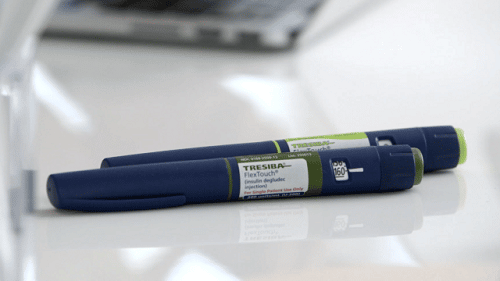
What is insulin degludec? It is a basal insulin analog used to help control blood sugar in people with diabetes. Clinically, it is classified as a long-acting, more specifically ultra-long-acting, insulin. That matters because it is designed to cover background insulin needs rather than meal-related spikes. The best-known brand name is Tresiba, and device names such as FlexTouch or Penfill refer to delivery formats, not different active ingredients.
Key Takeaways
- Insulin degludec is a basal insulin analog.
- It is commonly described as ultra-long-acting.
- Tresiba is the main single-ingredient brand name.
- Its role is background insulin, not mealtime coverage.
- Low blood sugar remains the main safety concern.
What Is Insulin Degludec and How Is It Classified?
Insulin degludec is the generic name of a man-made insulin analog. An insulin analog is a modified form of human insulin designed to change how it is released and absorbed. In the diabetes treatment map, this drug sits in the basal insulin group. Basal insulin provides steady background coverage between meals and overnight, which is different from the job of rapid-acting or meal insulin.
It is often described in two related ways. First, it is a basal insulin analog. Second, it is an ultra-long-acting insulin because its effect is intended to last longer than many older background insulins. If you want a refresher on the basic split between background and meal insulin, Basal Vs Bolus Insulin gives useful context. For a broader explanation of modified insulin molecules, Human Vs Analog Insulin explains where analogs fit.
Another simple way to classify insulin degludec is by purpose. Its main job is baseline glucose support, not rapid correction. It is not a supplement, and it is not one of the non-insulin diabetes drug classes such as metformin, GLP-1 receptor agonists, or SGLT2 inhibitors. A class label tells you what kind of medicine it is. It does not tell you that every basal insulin is interchangeable.
| Term | Meaning |
|---|---|
| Generic name | Insulin degludec is the active ingredient name. |
| Brand example | Tresiba is the best-known single-ingredient brand. |
| Drug class | Basal insulin analog. |
| Duration label | Long-acting, more specifically ultra-long-acting. |
| Main role | Background insulin coverage, not meal-time dosing. |
Why it matters: Basal and mealtime insulins solve different problems in a diabetes plan.
Where required, prescription details may be confirmed with the prescriber.
Brand Names and Delivery Formats
The active ingredient is insulin degludec. The best-known single-ingredient brand name is Tresiba. Readers may also see device labels tied to that brand, including FlexTouch pens and Penfill cartridges. Those device names describe how the medicine is presented or delivered. They do not change the active ingredient or the drug class.
This distinction matters when you read labels, refill requests, or product comparisons. A brand name can stay the same while the device format changes. For example, Tresiba FlexTouch refers to a pen presentation rather than a different kind of insulin. If you are comparing delivery methods more broadly, Pen Vs Syringe can help frame the practical questions.
Brand terminology can be confusing because product names, device names, and active ingredients do not always match one-to-one in everyday conversation. The safest way to read any label is to check the active ingredient first, then the brand name, then the device type. That order reduces mix-ups between products that may look similar on a shelf or in a medication list.
How It Works as Background Insulin
Insulin degludec works by replacing or supplementing basal insulin after subcutaneous (under-the-skin) injection. After injection, it forms a slow-release reservoir, so small amounts enter the bloodstream over time rather than all at once. The goal is steadier background insulin activity. It is not designed to act like a fast meal insulin.
In practical terms, that background action helps cover fasting periods and the time between meals, when the body still needs insulin even if no food is being eaten. This is why the drug is grouped with basal insulins rather than prandial (meal-related) insulins. The slower profile is one reason people often compare it with other long-acting insulins instead of with rapid-acting products such as lispro or aspart.
How the medicine works also explains why injection routine matters. Site rotation, consistent technique, and clear labeling are part of safe use. Even when two products are both called insulin, their intended roles can differ sharply. Confusing a background insulin with a mealtime insulin can lead to avoidable safety problems.
When It Is Used in Diabetes Care
Insulin degludec is used to improve blood sugar control in both type 1 and type 2 diabetes. In type 1 diabetes, a basal insulin helps cover round-the-clock needs because the body produces little or no insulin. It is usually only one part of a broader regimen, since separate meal insulin is still needed. In type 2 diabetes, a basal insulin may be added when background insulin support is needed as part of the overall treatment plan.
If you are reviewing the condition context rather than one drug alone, the Type 1 Diabetes Hub and Type 2 Diabetes Hub group related topics. Those hubs are useful because the reason insulin is added can differ. Some people need replacement for a lack of insulin production. Others need extra support because insulin resistance and declining insulin output both play a role.
People sometimes assume any long-acting insulin fits every schedule, diet pattern, or glucose profile in the same way. That is too simple. Prior low blood sugar, work hours, device preference, other medicines, and comfort with injections can all influence whether a particular basal insulin is a good fit. The class matters, but the full treatment context matters more.
Dispensing may be handled by licensed third-party pharmacies where permitted.
Quick tip: Bring your current insulin name, device type, and glucose records to any medication review.
Safety, Side Effects, and Interactions
Like other insulins, insulin degludec can cause hypoglycemia (low blood sugar). For most people, that is the main safety issue to understand. Risk can rise when food intake changes, physical activity increases, another glucose-lowering medicine is added, or the wrong insulin is used by mistake. For a plain-language review of warning signs and basic distinctions, Hypoglycemia Vs Hyperglycemia is a helpful starting point.
Common issues to watch for
Other problems can include injection-site reactions and weight change. Repeated injections into the same area can also contribute to lipohypertrophy, a thickened fatty area under the skin that may affect absorption. That is one reason site rotation is emphasized so often in diabetes care. If that term is new, Lipohypertrophy Explained covers the basics in plain language.
It also helps to keep expectations realistic. A long-acting insulin is still insulin, so it carries the same core need for monitoring, label accuracy, and attention to symptoms. The ultra-long-acting classification does not remove the need for routine safety checks. It mainly describes the intended duration and background role.
Interactions and situations that can change effect
Insulin degludec does not act in isolation. Other diabetes medicines, steroids, alcohol, sudden illness, major changes in eating patterns, and abrupt shifts in activity can change glucose control. Some medicines, including beta-blockers, may blunt the warning symptoms of low blood sugar. That does not make them incompatible in every case, but it does make medication review more important.
Urgent medical attention is appropriate for severe low blood sugar, loss of consciousness, trouble breathing, or signs of a serious allergic reaction. Less urgent but still important issues include repeated unexplained highs or lows, confusion about the insulin name or device, and persistent injection-site problems. Those situations are reasons to contact the prescribing team rather than guessing.
How It Compares With Other Basal Insulins
Insulin degludec is often compared with insulin glargine, insulin detemir, and NPH insulin. All of these can serve a basal role, but they are not identical. The differences usually involve duration, day-to-day variability, device choices, and how a regimen is structured. That is why the class label is helpful, but never complete on its own.
If you want a more direct head-to-head discussion, Degludec Vs Glargine goes deeper into one common comparison. The key point is that a switch between basal insulins is not just a brand swap. The active ingredient, device steps, monitoring plan, and safety review all matter.
Older basal options can also differ in how predictable they feel from day to day, while analog insulins are often designed for steadier background coverage. Even so, the best choice depends on the person, not just the label. A fair comparison looks at the active ingredient, the class, the device, and the treatment goals together.
Questions to Review Before Starting or Switching
The safest way to think about insulin degludec is as one part of a larger care plan. Before a start or a switch, it helps to gather the details that most often affect use. This matters even more if the current routine already includes another insulin, a recent device change, or a history of overnight lows.
- Current insulin names and device types
- Recent glucose log or CGM patterns
- Any lows during sleep or exercise
- Other diabetes drugs and steroids
- Injection technique and site rotation
- Work, meal, and travel schedule changes
- Coverage questions, including cash-pay options without insurance
If device handling is part of the decision, Pen Needles Guide can help you prepare clearer questions. Some people also explore cash-pay or cross-border fulfilment routes, but access depends on eligibility and local jurisdiction. A medication review is easier when the drug name, device type, and current routine are all documented clearly.
Some access routes depend on eligibility and local jurisdiction.
Authoritative Sources
- For a chemistry and classification record, see the NIH PubChem entry for insulin degludec.
- For plain-language clinical information, review the Cleveland Clinic page on insulin degludec injection.
- For institutional patient guidance, see the MSKCC patient education page for insulin degludec.
The short version is that insulin degludec is a basal, ultra-long-acting insulin analog used as background insulin in diabetes care. Knowing the generic name, brand label, class, and basic safety issues can make comparison discussions clearer and safer.
This content is for informational purposes only and is not a substitute for professional medical advice.