
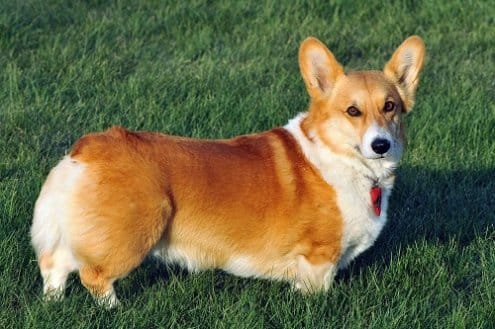
Lantus insulin for dogs is used off-label to help manage canine diabetes. This guide explains practical dosing workflows, monitoring, injection techniques, and safety. It combines clinical concepts with day-to-day steps owners can follow with veterinary supervision. Use it to prepare for appointments and to standardize home routines.
Key Takeaways
- Stable routines matter: same food, dose timing, and activity level.
- Use a consistent syringe type and double-check units before each dose.
- Track glucose trends, not single readings, to guide safe adjustments.
- Recognize low and high blood sugar early to prevent emergencies.
- Coordinate changes with your veterinarian, especially after any hypoglycemia.
Using Lantus Insulin For Dogs: Core Principles
Lantus (insulin glargine) is a long-acting basal insulin designed to release slowly. In dogs, its duration can vary with weight, activity, and diet. That variability makes consistency essential. Feed the same diet, keep dose timing steady, and limit abrupt activity swings. These habits help your veterinarian interpret glucose curves reliably and adjust doses more safely.
Glargine typically offers smoother profiles than intermediate insulins. Some dogs still show distinct nadirs (lowest glucose points), while others remain flatter across the day. Your monitoring plan should capture these patterns without excessive testing. A practical approach uses fasting checks, several post-meal points, and periodic full curves. This cadence balances data quality and your pet’s comfort.
For background on how glargine formulations behave in storage and use, see Lantus Vial Stability for context on temperature and handling recommendations. That article helps explain why clumping or cloudiness signals problems.
Consider how product formats change technique. Vials pair with U-100 syringes. Cartridges can work in pen devices or be used as mini vials. For cartridge handling steps, see Lantus Insulin Cartridge Guide, which outlines priming and dosing consistency.
Dosing Basics, Charts, and Safe Adjustments
Dose selection should follow a veterinarian’s plan based on weight, glucose data, and clinical signs. Starting doses are conservative, with changes made in small increments after reviewing multiple days of readings. A structured log that includes feeding times, dose given, and behavior notes provides valuable context. It reduces the risk of reacting to a single outlier value.
Owners often ask for a dog insulin dosage chart. Charts can illustrate how clinicians titrate doses alongside glucose curves and body weight. However, fixed, one-size tables can mislead because individual response varies. Instead, review patterns across a week, focusing on nadir timing and pre-dose numbers. Share the full log with your veterinarian to support cautious, evidence-based adjustments.
Tip: When evaluating changes, wait several days before re-checking curves unless hypoglycemia occurs. This waiting period lets a new basal routine stabilize, improving decision quality.
If your dog uses glargine but you need background on other basal options, see Basaglar Cartridge Guide for another long-acting product overview and how profiles differ. Understanding alternatives helps frame expectations about onset and duration.
Injection Devices, Needles, and Practical Handling
Accurate dosing depends on the device and needle pairing. Confirm U-100 syringes for U-100 glargine. Keep a single syringe brand and size to avoid parallax and graduation differences. Inspect dose lines in good light before every injection. Discard syringes after use to reduce dulling and contamination risks that can harm skin.
Some owners prefer pens or cartridges for ease and fine increments. If pens fit your care plan, discuss technique and priming with your care team. To review pen-specific steps, see Lantus SoloStar Pens 100 Units/mL for device handling notes and dose dialing rationale in home settings.
Many pharmacies carry pen needles and syringes, but availability varies. If you use pens, check store brands and lengths. For example, walmart insulin pen needles may come in different gauges and lengths that affect comfort and injection depth. Your veterinarian can recommend a needle length that suits skin thickness and your technique.
For vial users who need steady supply, see Lantus Vial 100 Units/mL to understand format and labeling conventions, which helps prevent mix-ups with look-alike products at home.
Recognizing Hypo/Hyperglycemia and When to Escalate
Hypoglycemia (low blood sugar) can present with wobbliness, hunger, tremors, or lethargy. Severe cases may cause seizures or collapse. Treat suspected lows promptly per your vet’s plan, often with a small amount of oral glucose if the dog can swallow. Recheck glucose and contact your clinic. After any significant low, dosage plans often change, so do not resume old doses without guidance.
Hyperglycemia (high blood sugar) can drive thirst, frequent urination, and weight loss. If vomiting, dehydration, or rapid breathing appear, seek urgent evaluation. Those signs can indicate ketosis or acidosis, which require clinic care. For a refresher on early warning signs and care steps, see Dog Diabetes Signs and Treatment for a structured review that pairs symptoms with triage suggestions.
Track episodes and context, including feeding changes or missed doses. These notes help distinguish true insulin issues from dietary or illness triggers. Adjustments should follow a review of several days of trends, not isolated spikes or dips.
Cats on Glargine: Dosing and Monitoring
Many households manage both diabetic dogs and cats. Protocols differ between species. Cats often respond well to glargine regimens that emphasize gentle basal coverage and consistent feeding. When reading mixed-species advice, confirm that the guidance applies to cats before making changes. Discuss cross-species differences with your vet to avoid misapplying dog-specific advice.
When owners search for lantus insulin for cats, they often want charts and remission discussions. While remission may occur in some cats, it requires careful monitoring and slow adjustments to prevent lows. Coordinate curves and food changes with your veterinarian. Species-specific guidance prevents dosing patterns that underdose or overdose when using the same insulin in different animals.
To understand how basal profiles compare across products, you can also review Novolin N Peak and Onset, which explains intermediate insulin timing and how it contrasts with glargine’s smoother profile.
Timing and Variability With Long-Acting Insulin
Even long-acting insulins can show peaks in some animals. Body condition, injection site, and daily activity influence absorption. Keep injection sites consistent on the body to reduce variability. A periodic site rotation plan helps skin health while still limiting major changes in uptake.
Owners sometimes ask, when does lantus peak in cats? In many cats, glargine shows a gentle nadir rather than a sharp peak, but timing can vary. Rather than chasing an exact hour, collect several curves over different days to map each pet’s pattern. Share the composite view with your veterinarian to calibrate dose and feeding timing safely.
For additional perspective on formulation science, see Lantus Vial Stability, which discusses how handling and temperature can alter performance and cloud interpretation of timing data.
Access and Supplies: Syringes and Pharmacy Conversations
Consistent access to syringes and pen needles supports uninterrupted treatment. Regulations and stocking vary by location and pharmacy. If a store doesn’t carry your usual brand, confirm U-100 labeling and needle specs before purchase. Keep a spare box on hand to avoid urgent substitutions that could change dose accuracy.
Store offerings differ, and packaging sizes may be limited. Some locations carry a walgreens insulin syringes 10 pack, which can help during travel or short gaps. Always compare unit markings and needle length against your usual supplies. If you change brands, perform an extra dose check with your veterinarian’s guidance for safety.
If you are considering other long-acting options due to availability, review Tresiba FlexTouch Pens for a sense of how ultra-long profiles differ, then bring those questions to your clinic for individualized advice.
Syringe Requests: Policies, Documentation, and Safety
Pharmacies follow state and provincial rules for syringe sales. Policies can include age limits, prescription requirements, or store discretion. To streamline the conversation, bring your pet’s prescription details, clinic contact, and a photo of the product label. Clear documentation helps the pharmacist verify medical use and recommend appropriately sized syringes.
Many owners wonder how to ask for syringes at walgreens. A straightforward approach works best: explain your pet’s diabetes, specify U-100 syringes, and state the preferred gauge and length. Mention any brand your vet recommended. If the store cannot dispense, ask about nearby locations or special orders. Keeping a written supply plan prevents last-minute shortages and dosing errors.
For broader learning on insulin options and care technology, see Diabetes Tech: Pens and CGMs, which outlines tools that can support safer home monitoring and dosing confirmation.
Product Formats and Comparisons
Choosing between vials, cartridges, and pens depends on dose size, dexterity, and cost over time. Vials work well for syringe users and households with established routines. Cartridges can reduce waste for small doses and integrate with pen devices. Pens offer dialed increments and may help owners who struggle with syringes.
To compare vial versus cartridge workflows, see Lantus Insulin Cartridge Guide for steady dosing concepts that reduce variability. If your veterinarian suggests evaluating other basal insulins, Levemir Penfill Cartridges provides a look at detemir’s differences in duration and potency across species. These comparisons help you frame questions for clinic visits.
If intermediate insulin remains part of your plan, Novolin GE NPH Vials 100 Units/mL supplies background on labeling and vial handling. For pen users who require intermediate coverage, Novolin GE NPH Penfill Cartridge 100 Units/mL explains delivery differences and dose visibility considerations that affect home use.
Recap
Glargine supports steady baseline control when paired with consistent routines, careful logs, and veterinary oversight. Use structured monitoring and conservative adjustments to manage variability safely. Confirm syringe type, needle specs, and device technique before each dose. Keep supplies and documentation organized to avoid interruptions in care.
For ongoing reading, browse Pet Health to find additional guides that reinforce daily skills and help you prepare for clinic reviews and dose discussions.
Lantus Vial Stability clarifies handling thresholds that affect day-to-day dosing reliability. Lantus Insulin Cartridge Guide expands on cartridge and pen workflows for steadier delivery. Lantus Vial 100 Units/mL and Lantus SoloStar Pens 100 Units/mL provide product format context you can discuss with your veterinarian.
Note: Clinical guidance in this article reflects general practice patterns; always confirm species-specific plans with your veterinarian before changing doses or devices.
This content is for informational purposes only and is not a substitute for professional medical advice.


